
609 Oak Avenue, Mount Dora, FL 32757
For more information about senior living options: (866) 208-4318
Overall Review of Pleasantville
Pros
 Pleasantville Assisted Living is described as a family-owned facility providing personal care to residents.
- The facility offers a home-like environment with friendly staff and clean surroundings.
- It is a 14-bed converted home in a residential neighborhood that serves three meals daily, assists with bathing, and has a doctor visit on Fridays.
- The atmosphere at Pleasantville is family-like, with everyone described as nice and helpful.
- Families report nothing but positive impressions of the place and its staff.
Review
Pleasantville in Mount Dora is best suited for families who want a genuinely intimate, family-owned setting where care feels personal and unobtrusive. With a 14-bed footprint housed in a converted single-family home in a quiet residential neighborhood, the community delivers a true home-like atmosphere that small-town families often equate with security and attention. Residents benefit from structured meals, three a day, and hands-on help with daily activities such as bathing. The essence of Pleasantville is a tight-knit, neighborly feel: caregivers who know residents by name, a level of accessibility that can feel more like a pause in familiar family life than a grind of a larger facility. For seniors who prioritize warmth, continuity of care, and a sense of belonging, this setting checks a lot of boxes.
On the flip side, the model may not suit every senior or family, and alternatives should be considered. Those requiring more robust clinical oversight, frequent access to a broader slate of therapies, or a larger, more resource-intensive campus may fare better elsewhere. The facility relies on a modest schedule of medical input, most notably a physician who visits on Fridays, which can be limiting for residents who need more regular medical touchpoints, complex-managed conditions, or around-the-clock nursing coverage. Families expecting a wider array of on-site amenities, more structured programming, or nurses readily available for urgent needs should weigh these factors against the intimate, home-focused experience Pleasantville provides.
The strongest selling points are precisely the factors that smaller, family-owned homes tend to deliver, and they do so here with notable consistency. The intimate environment translates into attentive, personable care, and the staff’s warmth is repeatedly cited as a standout feature. A home environment in a converted residence supports comfortable routines, predictable daily life, and meaningful interaction with caregivers who appear invested in residents’ well-being. Cleanliness and a straightforward, uncomplicated layout further reinforce the sense of safety and ease. Three meals a day, coupled with help bathing and regular caregiver contact, create a reliable routine that many families find reassuring when navigating the transition to assisted living.
Yet the limited scale also creates potential gaps to assess carefully. The small size means fewer staff on hand at any moment, fewer simultaneous activities, and a reliance on a weekly physician visit rather than full-time medical oversight. For a resident with medical fragility, high fall risk, or complex medication management, these constraints may translate into slower responses or limited on-site options. Families should consider how important it is to have immediate access to medical teams, therapy services, and social programming beyond what a 14-bed, home-like setting can realistically offer. The favorable resident and family feedback is meaningful, but the trade-off lies in resource depth versus intimate connection.
From a decision-making perspective, Pleasantville is a strong fit for seniors who value continuity, a hands-on, familial atmosphere, and clear, predictable routines. It works best when family members want to be actively involved in daily life and conversation with caregivers, and when resident independence is balanced with dependable ADL support. Prospective residents should verify the exact level of on-site medical support, understand how often staff are available for urgent concerns, and assess meal quality, activity options, and safety features within the home-like setting. It is also prudent to confirm room configurations, visiting policies, and how families can participate in care planning and daily life to maintain the sense of a shared household rather than a facility environment.
In the end, Pleasantville stands out as a pragmatic, experience-driven choice for families prioritizing warmth, attentiveness, and a non-institutional feel. The community earns high marks for the personal touch, the family atmosphere, and the comfort of a home setting that can ease the emotional burden of transition. It may not be the ideal pick for those whose care needs demand aggressive medical management or extensive on-site programming, but for seniors who thrive on close-knit interaction, predictable routines, and a genuinely caring staff, Pleasantville offers a compelling path to dignified, comfortable living in a small, neighborly package.
 14 resident community capacity
 Assisted Living
 Board and Care Home
 Cable or satellite TV
 Dining room
 Fully furnished
 Garden
 Housekeeping services
 Move-in coordination
 Outdoor space
 Telephone
 Wi-Fi/high-speed internet available
 24-hour supervision
 Activities of daily living assistance
 Assistance with bathing
 Assistance with dressing
 Assistance with transfers
 Diabetes diet
 Meal preparation and service
 Medication management
 Special dietary restrictions
 Transportation arrangement (medical)
 Transportation to doctors appointments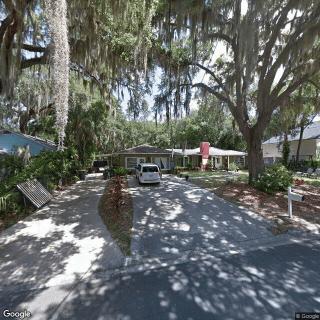




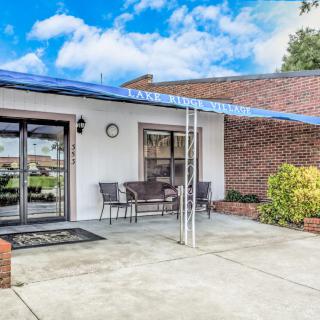

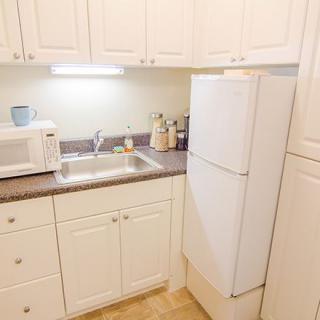
 Comprehensive Insights into Activities of Daily Living (ADLs) and Their Assessment
 Medicare Coverage for Assisted Living: An In-Depth Exploration
 Choosing the Right Senior Care: A Detailed Exploration of Assisted Living and Nursing Homes