

505 E. 9TH AVENUE, Mount Dora, FL 32757
To contact a resident: (352) 383-5005
For more information about senior living options: (866) 208-4318
Overall Review of Kiva of Mount Dora
Pros
 Kiva is described as an amazing and wonderful home for residents.
- The staff is loving, kind, and attentive to every detail.
- Julie is phenomenal in caring for all members and keeps families informed.
- Residents love it there and feel safe, cared for, and at peace.
- The facility provides a sense of home with caring staff and compassionate treatment.
- The team is thoughtful, compassionate, and sensitive to residents’ needs, even as conditions change.
- Activities and holiday celebrations foster family involvement and engagement.
- The medication technician and the chef go above and beyond to keep residents safe and comfortable.
- The rooms are spacious, well-equipped, and the staff is friendly and helpful.
- Families appreciate receiving photos and updates when they cannot visit.
- One reviewer called Kiva “six stars,” highlighting exceptional care.
Cons
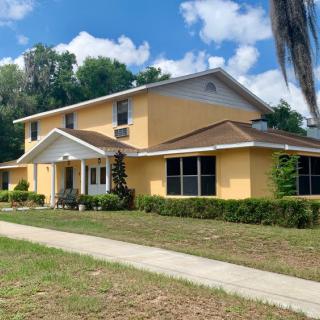
 The facility looks good on the outside but is not good on the inside, with loved ones not getting proper care.
- The staff are not doing their jobs, leaving patients in soiled diapers overnight.
- Bed-bound residents are developing bed sores and there are unexplained bruises and marks on them.
- There are concerns about neglect, with families urged to be involved and check on care daily.
- A reviewer claims neglect was witnessed firsthand.
Review
Kiva of Mount Dora is best suited for families seeking a warm, home-like assisted living where attentiveness, daily social engagement, and personalized care define the experience. This community shines for seniors who value consistent, hands-on staff attention, open lines of communication with families, and a living environment that feels like a real home rather than a clinical setting. It is a strong fit for residents who benefit from structured activities, regular interaction with peers, and a dining and living rhythm that mirrors family life, all within a setting that emphasizes comfort and belonging.
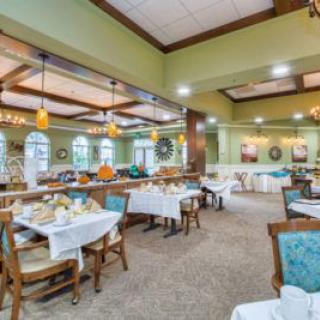
The strengths are most evident in the staff and daily operations. The care team, led by engaged leadership and front-line professionals such as nurses and medication techs, demonstrates a level of dedication that families repeatedly cite as transformative. Residents are described as receiving attentive, detail-oriented care, with staff who notice changes and communicate those developments clearly to families. The culinary team and other caregivers contribute to a sense of well-being, and the facility earns praise for privacy, respectful handling of belongings, and the ability to scale care as needs evolve. The environment itself supports connection: a spacious living room, a TV room, a patio for supervised outings, a kitchen, and activity spaces that host memory- and motor-skill games, readings, and regular celebrations that involve family.
Beyond the physical layout, the calendar of activities and the emphasis on family involvement set Kiva apart. Families report that holidays are celebrated with a thoughtful community feel, and residents participate in programs that encourage cognitive engagement and social interaction. The memory-care moments described by staff show patience and a calm approach when memory issues surface, with staff providing reassurance and practical routines. Meals, social gatherings, and opportunities for visits in a comfortable, “homey” setting contribute to a sense of peace for families who want their loved ones to feel safe, engaged, and valued on a daily basis.
Nevertheless, there is at least one cautionary note that warrants attention. A lone review raised concerns about care quality, pointing to missed turnings, bed-bound patients not being checked adequately, and unexplained bruises and bedsores. While this position contrasts with the overwhelmingly positive experiences, it highlights a truth: in assisted living, ongoing vigilance from families remains essential. Prospective residents should conduct thorough tours, request to observe care routines, and ask direct questions about turning schedules, skin integrity monitoring, and how caregivers handle changes in mobility or cognition. This is not a universal verdict on the community, but it is a reminder to verify that the level of oversight matches the elder’s needs.
The way the positives interplay with the concerns matters for decision-making. The staff’s genuine warmth, hands-on involvement, and transparent family communication act as a strong counterbalance to the inherent risk of care gaps when supervision is uneven. The ability to tailor care as memory or mobility fluctuates, combined with a real home-like ambiance, often offsets the potential downsides for families who stay engaged, participate in care planning, and maintain regular contact with administrators and caregivers. For residents who thrive on routine, social connection, and prompt, compassionate attention, Kiva’s strengths are compelling enough to outweigh the occasional risk, provided due diligence and active family involvement remain part of the plan.
In practical terms, families evaluating Kiva of Mount Dora should prioritize a few steps. Schedule a firsthand tour focused on daily care routines, request to meet the head of nursing and the care coordinators, and observe staff interactions with residents who require assistance. Review a sample care plan, including mobility support, medication administration, and memory-care strategies, and ask to see the activity calendar and meal rotation. Inquire about turnover rates, staffing ratios during peak hours, and how family updates are delivered. If warmth, engagement, and a home-like atmosphere align with the elder’s preferences and a responsible, communicative staff is evident, Kiva offers a solid, well-rounded option. If clinical intensity, constant real-time monitoring, or a facility with a higher level of medical acuity is non-negotiable, alternatives should be explored. For many families, this community represents a thoughtful balance of care, community, and comfort, delivering peace of mind alongside practical, day-to-day support.
 32 resident community capacity
 Studio apartments
 Assisted Living
 Respite Care
 Skilled Nursing Facility
 Activities on-site
 Beautician on-site
 Cable or satellite TV
 Devotional services off-site
 Dining room
 Financial aid
 Fully furnished
 Garden
 Housekeeping services
 Indoor common areas
 Kitchenette
 Laundry
 Move-in coordination
 Outdoor space
 Restaurant-style dining
 Small library
 Telephone
 Wi-Fi/high-speed internet available
 Transportation & parking
 24-hour call system
 Ambulatory care
 Assistance with bathing
 Assistance with dressing
 Assistance with transfers
 Blood work
 Diabetes diet
 Diabetic care
 Hospice care
 Medication management
 Mental wellness program
 Physical therapy
 Special dietary restrictions
 Arts and crafts
 Games
Games English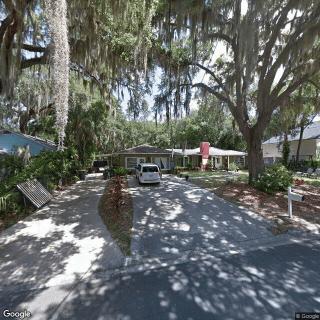


 Funding and Affording Assisted Living: A Thorough Overview
 Assisted Living Expenses and Long-Term Care Insurance: A Comprehensive Exploration
 Securing Financial Support for Assisted Living: A Comprehensive Overview