
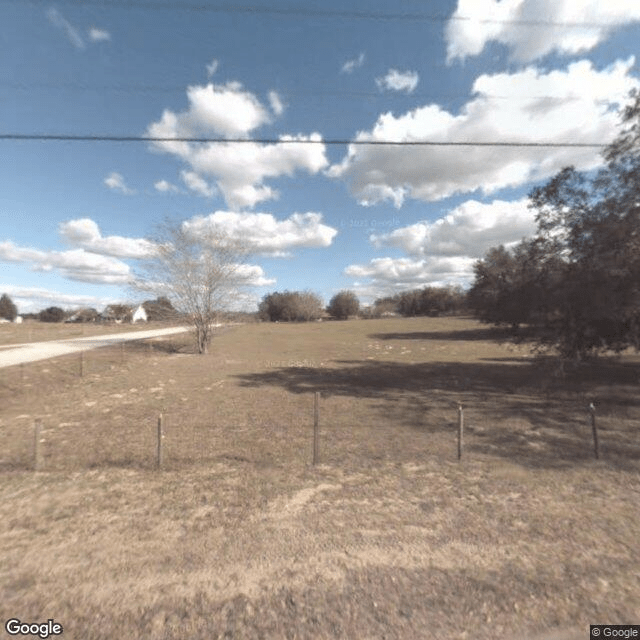
6767 S Round Lake Rd, Mount Dora, FL 32757
To contact a resident: (352) 434-7178
For more information about senior living options: (866) 208-4318
Elders of Mount Dora Costs & Pricing
At Elders of Mount Dora, the monthly costs for senior living reflect a competitive stance within both Orange County and the state of Florida. For a semi-private room, residents can expect to pay $3,000 per month, which is slightly lower than the county average of $3,041 and close to the statewide average of $3,009. In contrast, when it comes to studio accommodations, Elders of Mount Dora's pricing at $4,999 is higher than both the county's rate of $4,288 and Florida's average of $3,823. This pricing structure suggests that while Elders of Mount Dora offers attractive rates for shared living spaces, it positions itself as a premium option for those seeking private studio units. Overall, these figures highlight a thoughtful approach to care that balances quality with affordability in a diverse market.
| Floor plans | Elders of Mount Dora | Orange County | Florida |
|---|---|---|---|
| Semi-Private | $3,000 | $3,041 | $3,009 |
| Studio | $4,999 | $4,288 | $3,823 |
Assisted Living communities with a similar price nearby
-
from -$200 / mo

DeLand Manor Assisted Living
$2,800 to $3,600 / month24.4 miles away -
from +$500 / mo

Windermere Assisted Living Facility
$3,500 to $4,500 / month22.2 miles away -
from -$400 / mo
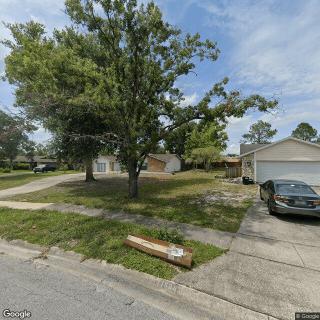
Faith House Of Winter Park
$2,600 to $3,100 / month21.8 miles away -
from -$205 / mo
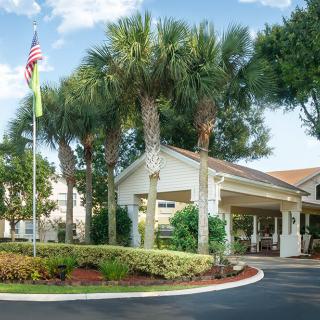
American House Orange City
$2,795 to $4,355 / month20.3 miles away -
from +$295 / mo
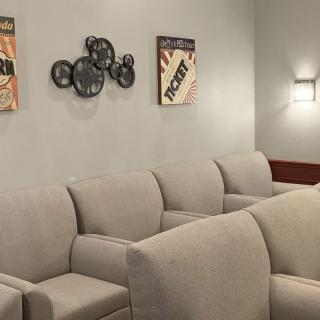
Marina Isle Assisted Living
$3,295 to $6,190 / month19.8 miles away
Overall Review of Elders of Mount Dora
Pros
 The staff at Elders of Mount Dora are loving and compassionate, providing the very best care.
- Elders of Mount Dora feels like home, with a clean, friendly environment and helpful staff.
- The family is very pleased with their mother's care at Elders of Mount Dora, noting respect and kindness during a vulnerable time.
- Jermaine and his team are like family to the family, who deeply appreciate them.
- The team caring for the mother-in-law during her final months were absolute life-savers, delivering tender care and respect.
- After evaluating many facilities, Elders of Mount Dora is described as perfect, with welcoming touches like hobby farm animals for visiting grandchildren.
- Ruth’s legacy is honored, with the business now cared for by her husband and family, who share her values and invite a visit if space is available.
Review
Elders of Mount Dora is best suited for families seeking a warm, home-like assisted living option in Mount Dora, where caregiving feels personal and deeply attentive. The staff’s genuine compassion stands out, with caregivers who treat residents with dignity and who respond with patience and kindness in both everyday moments and more vulnerable times. The environment supports end-of-life care and memory challenges through a patient-centered approach, and staff members often function as an extended family to residents and their loved ones. For families prioritizing face-to-face warmth, continuity, and a sense of belonging over polish and scale, this community delivers decisively.
Those weighing alternatives should note that Elders of Mount Dora operates on an intimate scale. While this yields remarkable, individualized attention, it also means a smaller footprint of services and programming compared with larger, corporate or hospital-affiliated campuses. Families managing complex medical needs that require frequent physician visits, a broad array of on-site therapies, or highly structured memory-care protocols may find that bigger facilities offer steadier access to specialists and a wider activity slate. Likewise, budgets or preferences for a more standardized, brand-name environment may point toward other options.
The strongest positives, clear cleanliness, a welcoming, question-friendly culture, and a sense that questions are answered, help offset the potential drawbacks of size. The home-like feel is reinforced by tangible touches, such as the presence of hobby animals that provide conversation and distraction for visiting relatives, and by staff who operate with a family-first mindset. In memory care and late-life care, tenderness and respect are not abstract aspirations but daily practice, translating into real peace of mind for families during challenging chapters. Those factors often eclipse concerns about scope when the core need is compassionate human connection.
In practice, memory-care moments and end-of-life care emerge as the community’s strongest differentiators. Reviews consistently highlight staff members who maintain dignity, communicate with families, and offer steady, reassuring presence through Alzheimer’s progression. For residents who value continuity of care in a smaller, more intimate setting, this approach is a practical advantage, reducing stress for families and preserving routines that matter. The sense that the care team treats residents like cherished family members is not incidental; it is the operating standard that many families seek when uncertainty and emotion are high.
Prospective residents should verify space availability early and plan a visit when a stay seems feasible. Inquire about current capacity, and request a candid tour of care planning procedures and daily routines to gauge how responsive the team remains during real-time needs. Ask about staffing ratios and how often caregivers are present in common areas, because a small operation can hinge on the cadence of attention. Explore programming depth, memory-care capabilities, and any partnerships with local healthcare providers. Speaking with current or recent families about transitions, emergencies, and daily life will illuminate how the community handles the practical realities of aging.
Overall, Elders of Mount Dora stands out as a trusted, intimate, home-like option with deeply devoted staff and a compassionate approach to end-of-life and dementia care. It is a strong recommendation for families who prize genuine warmth, respectful treatment, and a setting where residents are treated as individuals rather than as numbers. The trade-offs are primarily logistical: limited capacity and a narrower service footprint compared with larger facilities. For those whose priorities align with a familial, low-drama atmosphere and a high degree of personal connection, Elders of Mount Dora represents a compelling fit. For families focusing on breadth of medical services, guaranteed availability, or a high-energy, institutional feel, it remains essential to compare alternatives before finalizing the choice.
 Assisted Living
 Respite or short term stays offered
 Hospice care


 Comprehensive Supportive Living Arrangements for Adults with Disabilities
 Funding and Affording Assisted Living: A Thorough Overview
 Assisted Living Expenses and Long-Term Care Insurance: A Comprehensive Exploration