
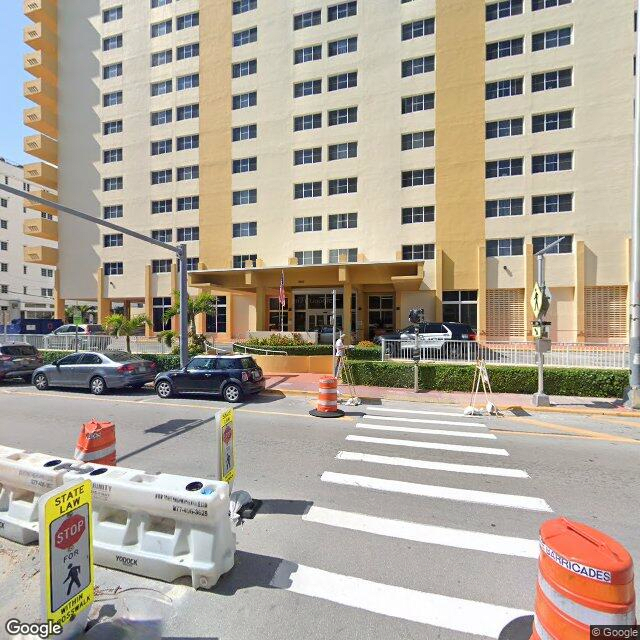
3800 Collins Ave, Miami, FL 33140
To contact a resident: (305) 673-8425
For more information about senior living options: (866) 208-4318
Overall Review of Four Freedoms House-Miami Bch
Pros
 Florida has laws protecting senior citizens.
- Four Freedoms House is an independent senior housing community that cannot discriminate.
- Residents are encouraged to take advantage of the available services to protect themselves.
- Residents are not vulnerable and are supported and protected.
- The community supports independent living and allows residents the freedom to choose when to seek help.
Cons
 The management is described as very bad; they yell at residents and talk to them as if they are stupid.
- Staff are accused of prying on tenants, which is wrong and disrespectful.
- The review claims there is no obligation for staff to look after residents, and their constant prying is disrespectful and intrusive.
- The cost of housing is a concern for people on fixed pensions, suggesting affordability is an issue.
Review
Four Freedoms House-Miami Beach is best suited for independent seniors who want to preserve full control over daily life, privacy, and routine without the strict structure of traditional assisted living. This is a rental-arrangement setting that emphasizes self-sufficiency, not hands-on care. Residents who can navigate their own finances, manage basic tasks, and decide when to seek help will find the atmosphere aligns with their desire to stay in charge of their living environment. For someone who prizes autonomy over proximity to 24/7 staff supervision, this community can feel like a stable, predictable home base in a bustling city area.
Those who may want to consider alternatives are clear: individuals who expect regular, on-site assistance, daily monitoring, or specialized care, especially for memory support or mobility challenges, should look toward true assisted living, memory care, or other programs with formal caregiving and higher staff-to-resident ratios. Families seeking strong resident advocacy, proactive safety oversight, and a tightly managed residential experience will likely be better served elsewhere. For anyone prioritizing hands-on care and a robust on-site support network, this option risks falling short.
The primary advantages center on independence and personal agency. Residents retain the freedom to determine when and what kind of help is needed, without feeling pressured into accepting services they don’t want. The housing is described as non-discriminatory and self-governed enough to allow tenants to remain self-reliant, with protections available under Florida law should issues arise. The reality of tenancy protections, residents cannot easily be forced out, and complaints can be pursued with authorities, offers a degree of stability that suits those who value long-term security over constant staff interaction. In short, the pros tilt toward privacy, choice, and the dignity of self-management.
However, the cons are real and significant. A recurring thread in the remarks concerns management conduct, including reports of harsh treatment and disrespectful communication. At least one resident describes being spoken to in demeaning terms, which erodes trust and safety. The absence of proactive, consistently courteous staff oversight leaves residents vulnerable to uncomfortable interactions and makes it harder to resolve conflicts quickly. While the model respects independence, it also hinges on residents’ willingness and ability to negotiate their own protections, and that can be a fragile proposition if disputes arise or if mobility and cognitive needs evolve.
In weighing how the pros offset the cons, a clear tension emerges. For a financially disciplined senior who prizes autonomy and can tolerate the risk of less hands-on staff support, independence can outweigh the drawbacks, provided strong protections and an effective grievance process are in place. Yet the negative experiences with management and the potential for mistreatment can quickly erode the perceived value of living there. Prospective movers should demand transparent cost structures, a documented path for reporting concerns, and a plan for escalating issues to third-party oversight if needed. The decision hinges on whether personal safety, respect, and predictable governance can be guaranteed.
The prudent course is decisive: this community fits a precise profile. It is most appropriate for self-reliant seniors who want a budget-conscious, autonomy-forward option and who are comfortable advocating for themselves. Families or residents who insist on consistent respectful treatment, reliable on-site assistance, and stronger supervisory controls should consider alternatives before committing. If choosing Four Freedoms House, enter with a concrete plan: verify all costs and what they include, secure written policies on resident rights and grievance procedures, request current resident references about staff interactions, and tour with specific questions about how disputes are handled. In the right hands, the autonomy offered can be a meaningful fit; in the wrong situation, the lack of hands-on support becomes the decisive drawback.
 Board and Care Home
 Miami International (10 miles away)





 Exploring Palliative Care in the Home: A Comprehensive Overview
 Comprehensive Insights into Palliative Home Care: What It Is and What to Expect
 Skilled Nursing Facilities vs. Nursing Homes: Making Sense of the Differences