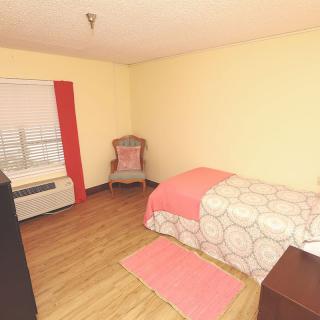
Lake - Alfred Assisted Living And Retirement Home

350 West Haines Boulevard, Lake Alfred, FL 33850

For more information about senior living options: (844) 490-3973

2.7 from 10 reviews
5 stars
3
4 stars
1
3 stars
1
2 stars
0
1 stars
5

Assisted Living Respite Care

Overall Review of Lake - Alfred Assisted Living And Retirement Home

Pros

  • pro The estates are nice and big.
  • pro They love the estates.
  • pro The care and the food have become much better.
  • pro The change in ownership and staff has led to improved care and meals.

Cons

  • pro The place is disgusting and wouldn't let dogs live there.
  • pro The facility is getting far behind in maintenance.
  • pro Previously, the care and food were poor (before the ownership and staff changes).
  • pro The care is horrible and the food is terrible, with untrained staff.
  • pro The staff are unaware of what is going on; a resident fell and they didn't know until told.
  • pro A wheelchair was switched and they knew nothing about it.
  • pro The meals are the same for days, indicating poor management and care.

Review

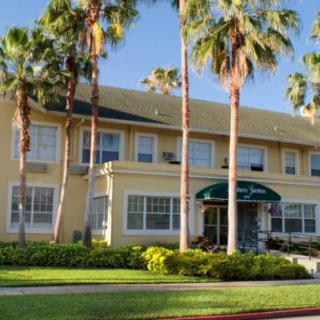
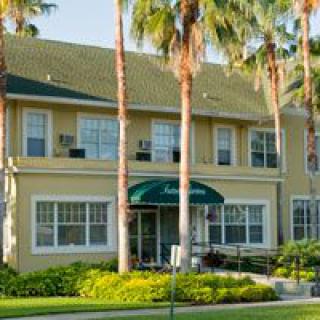
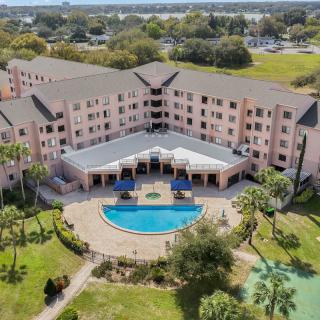
In looking over a set of impressions about country estates and care environments, a picture emerges of contrasts: places that feel grand and appealing on the surface, and real-world experiences inside that can be troubling or troublingly inconsistent. One thread of the narrative centers on admiration for large, scenic estates - the kind that invite people to imagine a peaceful, spacious setting. The sentiment is clear that there are estates with impressive size and atmosphere, and for some, that appeal remains strong.

Yet alongside the appreciation for grandeur runs a harsher set of observations about a particular place that feels very different. The blunt verdict is that it is a "disgusting place" that wouldn't even accommodate a pet, with the reviewer underscoring a strong sense of inhospitality toward animals. This juxtaposition - the beauty of the grounds paired with the rejection of a dog - highlights a disconnect between external impression and the daily realities experienced by residents and their families.

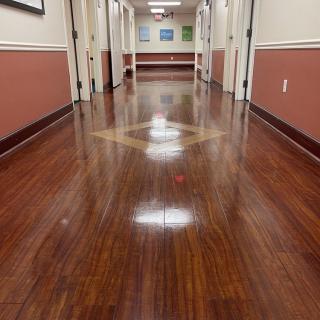
Maintenance, a basic expectation for any property - especially one involved in care - also features prominently among the concerns. The message is clear: things are slipping. "Getting far behind in maintenance" is described in plain terms, signaling neglect that can have practical consequences for safety, comfort, and overall quality of life. Structural upkeep, cleanliness, and timely repairs are invoked as missed standards, painting a picture of a property that is failing to keep pace with the needs of its residents.

There is a contrasting thread of news about change and its effects. In one account, ownership and staff changes over the last year are linked to a dramatic improvement: "the care is and food is 1000 times better." That stark, emphatic phrasing suggests that when leadership and personnel turn over, the experience inside can shift quite dramatically, at least for some residents and families. It offers a glimmer of hope that improvements can occur when management aligns with better practices and staffing.

But the overall sentiment remains unsettled. A separate reviewer voices a severe and unflinching critique: "Horrible can't believe how shameful it is. food is terrible and the staff ?? are not trained to ASPIRE to get some training for the situations that are prevalent?." This view emphasizes not just dissatisfaction with taste or variety, but a perceived lack of professional preparation to handle common scenarios. The call for targeted training speaks to a concern that staff may lack the skills to respond effectively, which raises questions about safety, reliability, and the ability to meet residents' evolving needs.

The most troubling episode described centers on a specific family crisis: a mom who fell, and the staff who seemingly didn't know about it until told by the family. The narrative details a new wheelchair being swapped or mishandled, with staff apparently unaware of the situation or changes - an alarming lapse that underscores gaps in communication, oversight, and accountability. Coupled with ongoing food complaints - "the food is awful; they feed them all the same things" - and a note about the owners' trips abroad, there is a palpable sense of disorganization and a perceived misalignment between resident care and staff awareness.

Adding to the concerns is a critique of the dining routine itself. The repetition of the same meals over multiple days - "the same dinner for 3-4 days at a time" - paints a portrait of routine that lacks variety and consideration for individual preferences or nutritional needs. The implication is that, beyond taste, there is a broader issue of planning, customization, and responsiveness to residents' well-being. The suggestion that owners travel abroad while the day-to-day needs of residents feel stagnant or monotonous intensifies the impression of a disconnect between admin choices and on-the-ground care.

Taken together, these voices sketch a complex landscape. On one hand, there is undeniable admiration for large, picturesque estates; on the other, there is a suite of criticisms about pet policies, maintenance, staffing, training, safety incidents, and dining quality. The stories imply that improvement is possible - sometimes characterized by a stark before-and-after shift when ownership or leadership changes occur - but progress is uneven and contingent on reliable operations, proactive communication, and a commitment to resident-centered care. In this mix of praise and warning, families are left weighing the aesthetic appeal of the setting against the practical realities of daily life within its walls.

Features

Housing

  • 50 resident community capacity 50 resident community capacity

Types of Care

  • Assisted Living Assisted LivingAssisted living facilities provide crucial support and care for seniors who may need help with daily tasks such as medication management, bathing, and meal preparation. These communities offer a safe and comfortable environment where seniors can maintain their independence while receiving the assistance they need to thrive in their golden years.
  • Respite Care Respite CareRespite care provides temporary relief for caregivers, allowing them to recharge and attend to their own needs. It also gives seniors the opportunity to socialize, receive professional care, and experience a change of scenery, promoting overall well-being and reducing feelings of isolation.

Amenities

  • Beauty salon Beauty salonBeauty salons are important for seniors because they provide a space for them to feel pampered, socialize, and maintain their personal grooming and hygiene. Regular visits to a beauty salon can help boost seniors' self-esteem and overall well-being.
  • Cable or satellite TV Cable or satellite TVCable or satellite TV is important for seniors because it provides entertainment, news, and companionship, helping to combat loneliness and boredom. It also offers a wide range of programming options tailored to different interests and preferences.
  • Dining room Dining roomDining rooms are important for seniors as they provide a space for socialization, connection, and nutritious meals. They offer opportunities for residents to bond over shared meals, foster a sense of community, and promote healthy eating habits. Dining rooms also ensure that seniors have access to well-balanced meals tailored to their dietary needs and preferences.
  • Fully furnished Fully furnishedFully furnished senior living communities are important for seniors because they provide convenience, comfort, and a hassle-free moving experience. Seniors can easily settle into their new living space without the stress of having to buy and move furniture. This allows them to focus on enjoying their new home and community.
  • Garden GardenGardens are important for seniors as they provide a peaceful and therapeutic environment for relaxation, physical activity, and socialization. Being in nature has been shown to reduce stress, improve mood, and promote overall well-being. Gardens also offer opportunities for seniors to engage in gardening activities, which can improve mobility, flexibility, and cognitive function. Additionally, gardens create a sense of community and connection with others who share a passion for plants and outdoor spaces.
  • Housekeeping services Housekeeping servicesHousekeeping services are important for seniors because they help maintain a clean and safe living environment, promote independence, and reduce the risk of accidents or illnesses. Additionally, having assistance with household chores can alleviate physical strain and allow seniors to focus on other aspects of their well-being.
  • Kitchenette KitchenetteKitchenettes are important for seniors living in senior living communities because they provide the convenience and independence of being able to prepare simple meals and snacks in the comfort of their own living space. This can help promote a sense of autonomy and well-being for seniors, allowing them to maintain some level of control over their dietary choices and daily routines.
  • Move-in coordination Move-in coordinationMove-in coordination is important for seniors because it helps ease the transition into their new living environment. It ensures that all logistics, such as packing, organizing movers, and setting up utilities are taken care of, allowing seniors to focus on settling in and adjusting to their new home. Having a smooth move-in process can alleviate stress and anxiety, making the transition smoother and more enjoyable for seniors.
  • Outdoor space Outdoor spaceOutdoor spaces are important for seniors as they provide opportunities for physical activity, social interaction, exposure to natural light and fresh air, and a sense of connection to nature. Having access to outdoor spaces can improve overall well-being and quality of life for older adults living in senior communities.
  • Restaurant-style dining Restaurant-style diningRestaurant-style dining is important for seniors because it allows them to enjoy delicious, nutritious meals in a social and upscale setting. This enhances their dining experience, promotes healthy eating habits, and fosters socialization with fellow residents, ultimately contributing to their overall well-being and quality of life.
  • Small library Small librarySmall libraries are important for seniors as they provide access to a variety of reading materials, including books, newspapers, and magazines. This can help stimulate their minds, keep them engaged, and provide a sense of community through book clubs and other social activities. Additionally, reading has been shown to improve cognitive function and overall mental well-being in older adults.
  • Telephone TelephoneTelephones are important for seniors as they provide a lifeline for communication with loved ones, emergency services, and healthcare providers. They offer a sense of security and independence, enabling seniors to stay connected and access assistance when needed.
  • Wi-Fi/high-speed internet available Wi-Fi/high-speed internet availableWi-Fi/high-speed internet is important for seniors to stay connected with loved ones, access online resources, and participate in virtual activities to combat feelings of loneliness and isolation. It also allows them to easily manage healthcare needs, access entertainment, and engage in lifelong learning opportunities.

Care Services

  • 24-hour call system 24-hour call system24-hour call systems are important for seniors because they provide peace of mind and immediate assistance in case of emergencies. This technology ensures that help is always available, promoting safety and security for elderly individuals living alone or in assisted living facilities.
  • 24-hour supervision 24-hour supervision24-hour supervision is important for seniors to ensure their safety, well-being, and access to immediate assistance in case of emergencies or health issues. This constant support provides peace of mind for both seniors and their loved ones, allowing them to age in place with dignity and security.
  • Activities of daily living assistance Activities of daily living assistanceActivities of daily living assistance are important for seniors because they provide essential support with tasks such as eating, bathing, dressing, and mobility. This assistance helps seniors maintain their independence, dignity, and overall quality of life as they age.
  • Assistance with bathing Assistance with bathingAssistance with bathing is crucial for seniors as it helps maintain personal hygiene, prevents infections, and ensures their overall well-being and comfort. It also provides a sense of dignity and independence for seniors who may struggle with this task on their own.
  • Assistance with dressing Assistance with dressingAssistance with dressing is important for seniors because it helps maintain their independence, promotes personal hygiene, prevents accidents and injuries, and improves overall quality of life. This service ensures that seniors can continue to dress comfortably and confidently, despite any physical limitations they may have.
  • Assistance with transfers Assistance with transfersAssistance with transfers is crucial for seniors as it helps prevent falls and injuries, maintains their independence, and ensures they can safely navigate their living environment. It also provides peace of mind for both seniors and their loved ones.
  • Diabetes diet Diabetes dietA diabetes diet is crucial for seniors as it helps manage blood sugar levels, reduce risks of complications, and improve overall health and well-being. By following a balanced and nutritious diet tailored to their specific needs, seniors can better control their diabetes and enhance their quality of life.
  • Meal preparation and service Meal preparation and serviceMeal preparation and service are crucial for seniors as they may have limited mobility or energy to cook nutritious meals. Having access to healthy and convenient food options can ensure they are getting the proper nutrition needed to maintain their overall health and well-being.
  • Medication management Medication managementMedication management is crucial for seniors to ensure they are taking the right medications at the correct dosages and times. This helps prevent adverse drug interactions, reduces the risk of medication errors, and promotes overall health and well-being. Proactive management also allows for adjustments as needed based on changing health conditions or new prescriptions.
  • Mental wellness program Mental wellness programMental wellness programs are essential for seniors as they promote cognitive stimulation, emotional support, and social engagement. These programs help prevent isolation, depression, and cognitive decline, ultimately enhancing the overall quality of life for older adults.
  • Special dietary restrictions Special dietary restrictionsSpecial dietary restrictions are important for seniors because age-related changes in metabolism and health conditions can make it difficult for their bodies to process certain foods. By following a diet tailored to their specific needs, seniors can maintain their overall health and well-being, manage chronic conditions, and reduce the risk of complications such as malnutrition or food interactions with medications.
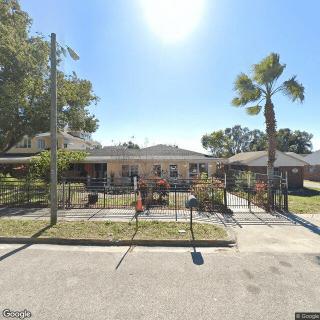
Dining

  • Diabetes diet Diabetes dietA diabetes diet is crucial for seniors as it helps manage blood sugar levels, reduce risks of complications, and improve overall health and well-being. By following a balanced and nutritious diet tailored to their specific needs, seniors can better control their diabetes and enhance their quality of life.
  • Special dietary restrictions Special dietary restrictionsSpecial dietary restrictions are important for seniors because age-related changes in metabolism and health conditions can make it difficult for their bodies to process certain foods. By following a diet tailored to their specific needs, seniors can maintain their overall health and well-being, manage chronic conditions, and reduce the risk of complications such as malnutrition or food interactions with medications.

Activities

  • Community-sponsored activities Community-sponsored activitiesCommunity-sponsored activities are important for seniors as they provide opportunities for social interaction, mental stimulation, and physical activity. These activities can help improve overall well-being, combat loneliness and isolation, and promote a sense of belonging and purpose among older adults.
  • Resident-run activities Resident-run activitiesResident-run activities are important for seniors as they encourage social interaction, creativity, and a sense of autonomy. These activities empower seniors to stay engaged and active in their community while fostering meaningful connections with their peers.
  • Scheduled daily activities Scheduled daily activitiesScheduled daily activities are important for seniors because they provide structure, socialization, mental stimulation, and physical activity. Engaging in regular activities can improve overall well-being and quality of life for seniors living in a community setting.

Description

Lake - Alfred Assisted Living and Retirement Home is a welcoming community located in Lake Alfred, FL. As a provider of respite care, we offer temporary relief for seniors who may need assistance or supervision due to illness, disability, or caregiving fatigue.

Our residents enjoy a comfortable and fully furnished living space complete with amenities such as cable or satellite TV, Wi-Fi/high-speed internet access, and a small library for those who love reading. Our dining room offers restaurant-style meals prepared with special dietary restrictions in mind, ensuring that each resident receives nutritious and delicious meals tailored to their needs.

At Lake - Alfred Assisted Living and Retirement Home, the well-being of our residents is our top priority. Our caring staff provides 24-hour supervision and assists with activities of daily living such as bathing, dressing, and transfers. We also offer medication management services to ensure that medications are taken correctly and on time. Mental wellness programs are available to support the emotional well-being of our residents.

To keep our residents engaged and active, we provide a variety of resident-run activities and scheduled daily activities. Whether it's socializing with neighbors in the outdoor garden space or participating in organized events within the community, there is always something exciting happening at Lake - Alfred Assisted Living and Retirement Home.

Convenience is another defining feature of our community. With numerous cafes, pharmacies, restaurants, places of worship, physicians’ offices nearby, our residents have easy access to essential services and can maintain their connections within the local community.

Choosing Lake - Alfred Assisted Living and Retirement Home means choosing a caring environment where seniors can receive personalized care while enjoying an active lifestyle surrounded by like-minded individuals. Contact us today to schedule a visit or inquire about move-in coordination.

Nearby Places of Interest

Restaurants

  • Gary's Oyster Bar & Seafood (0.9 miles)
  • Dino's Drive In (3.5 miles)
  • Sonic Drive-In (4 miles)
  • McDonald's (4.5 miles)
  • Barrel 239 (5 miles)
  • Egg Haven (5 miles)
  • Cain's Snowballs (5.1 miles)

Places of Worship

  • The Rock of Winter Haven (1.9 miles)
  • First Missionary Baptist Church (3.5 miles)
  • Beymer Memorial United Methodist Church (4.4 miles)
  • Winter Haven Worship Center (6.4 miles)

Pharmacies

  • Walgreens (3.2 miles)
  • Winn-Dixie (3.6 miles)
  • Walgreens (3.6 miles)
  • CVS Pharmacy (3.8 miles)
  • Winter Haven Hospital (4.3 miles)
  • HC Pharmacy (5.1 miles)
  • Kay Pharmacy (5.3 miles)

Physicians

  • Central Florida Health Care (3.8 miles)
  • Perwaiz H Rahim MD Pa (3.8 miles)
  • Gessler Clinic (4.4 miles)
  • Kinder Clinic Pa (4.5 miles)
  • MyEyeDr (4.6 miles)
  • Rodrigo A. Bolanos (4.6 miles)
  • Pediatric Partners Of Winter Haven (4.7 miles)

Cafes

  • Baking Donuts Plus (4.2 miles)

Hospitals

  • Nierman Stephen Winter Haven Hospital Winter Haven (4.4 miles)
  • Winter Haven Hospital Occupational Health (4.5 miles)
  • Winter Haven Ambulatory Surgical Center (4.6 miles)
  • Day Surgery Center (5.6 miles)
  • Regency Medical Center (5.7 miles)
  • Winter Haven Hospital Cath Lab (6.2 miles)
  • Heart of Florida Regional Medical Center (7 miles)

Parks

  • Lake Eva Park (6.5 miles)

Frequently Asked Questions

Where is Lake - Alfred Assisted Living And Retirement Home?

Nearby Communities

Related Resources

  • assisted living for disabled adultsComprehensive Residential Support and Assisted Living Solutions for Individuals with Disabilities

    The article examines the complexities of assisted living for individuals with disabilities, emphasizing the need for tailored care solutions that enhance quality of life and social inclusion, while addressing financial challenges and advocating for community integration. It discusses various housing options, the importance of financial assistance through public benefits, and highlights trends towards integrated and technology-driven solutions in disability-focused housing.

  • assisted living for disabled adultsComprehensive Supportive Living Arrangements for Adults with Disabilities

    Assisted living for adults with disabilities has transformed to provide personalized care and support services aimed at improving residents' quality of life while balancing independence and assistance. However, low-income individuals often face challenges in affording these services, requiring navigation of various financial resources and advocacy for better policies and solutions.

  • how to pay for assisted livingFunding and Affording Assisted Living: A Thorough Overview

    Assisted living facilities provide support for older adults needing help with daily activities without extensive medical care, but their costs can be high and vary by location and services offered. Families often seek various funding options and financial strategies to manage these expenses effectively while considering future needs and potential price increases.