
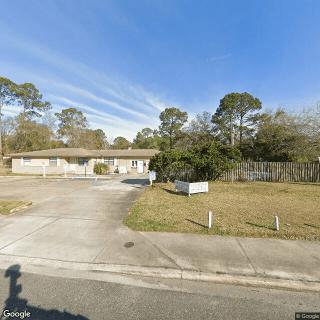
7217 Eudine Drive North, Jacksonville, FL 32210
For more information about senior living options: (866) 208-4318
Overall Review of Watts Guardian Care
Pros
 They no longer needed assistance, which was a relief.
- The caregiver is strong and well-meaning.
- The reviewer expresses gratitude for the positive outcome.
- The option is presented as a potential positive choice for a loved one with mental challenges.
Cons
 The house leaves a whole lot to be desired.
- The environment is old and very stern.
- The caregiver is tough.
- The reviewer had to leave for their sanity.
- The reviewer wouldn’t put their dog there; it’s not suitable as an ALF.
- People should think twice before choosing this facility.
Review
Watts Guardian Care in Jacksonville is best suited for a very narrow slice of families: a loved one with mental-health challenges where the primary need is a contained, supervised setting rather than extensive daily assistance, and where tolerance for a stern, older-house atmosphere is possible. This is not a modern, cushioned care environment, nor a facility built around warm, flexible caregiving. The structure and tone are core features, and the decision hinges on whether that framework can actually support the resident’s well-being without demanding heavy hands-on intervention. In short, this community works only if the family understands the environment and accepts limited comfort in exchange for stability.
Those who should be weighing alternatives are families seeking a warm, inviting atmosphere, contemporary amenities, and consistently gentle, person-centered care. If a resident requires regular assistance, frequent social engagement, or a nurturing caregiving style, Watts Guardian Care is unlikely to meet those expectations. Families prioritizing frequent activity, progressive care plans, and a home-like feel should screen other options where staff approach and facility design align more closely with those goals. This is not a broad solution for diverse senior-care needs; it is a niche option that demands clear alignment with specific preferences and limitations.
From the lone review, a modest pro appears: the caregiver’s intent is to help, and there is an indication that the resident may not require ongoing assistance. That suggests a potential fit for someone whose needs are light or who can stabilize without constant intervention, at least for a period. If a resident arrives with minimal care requirements and can tolerate a stricter, more austere environment, the structure may provide predictable routines and a sense of control. However, that potential benefit is fragile and highly contingent on individual tolerance for the setting and for a caregiver approach that can feel uncompromising.
The dominant cons overwhelmingly shape the experience. The house is described as “old” and the environment as stern, with a tone that lacks warmth and welcoming cues. Such conditions can amplify anxiety or confusion for residents with mental-health challenges, making daily life less comfortable and less predictable despite any efforts to provide supervision. The caregiver’s toughness, though possibly well-meaning, comes across as harsh rather than supportive, creating friction rather than rapport. The combination of an aging facility, a rigid atmosphere, and a perceived lack of empathetic, hands-on care makes this community a poor match for families seeking comfort, ease of daily routines, and a sense of security built on compassionate interaction.
In evaluating this option, practical steps are essential. Prospective families should insist on meeting the caregiver in a real-time setting, observe how boundaries and routines are enforced, and ask for specifics on daily schedules, safety measures, and how behavioral needs are managed. Request candid feedback from other families or residents about overall mood, engagement, and the responsiveness of staff. Probe the facility’s maintenance status, safety upgrades, and any planned renovations. If possible, arrange a short-term trial stay to assess how the resident responds to the environment, and negotiate a clear exit or change-of-condition clause if the fit proves temporary or inadequate.
The bottom-line verdict is clear: Watts Guardian Care is a highly targeted option, and not a broad, dependable recommendation for most families navigating assisted living decisions. It should only be seriously considered when the resident’s needs align with a stern, older setting and when there is comfort with a caregiver style that may feel rigid. For those prioritizing warmth, modern amenities, and proactive social and emotional support, alternatives should be pursued with urgency. A disciplined, in-person evaluation, focusing on staff dynamics, environmental vibe, and exact care needs, will reveal whether this facility is a pause-worthy option or a misfit that deserves to be crossed off the list.
 6 resident community capacity
 Assisted Living
 Board and Care Home
 Cable or satellite TV
 Dining room
 Fully furnished
 Garden
 Housekeeping services
 Move-in coordination
 Outdoor space
 Telephone
 Wi-Fi/high-speed internet available
 Jacksonville International (16 miles away)
 24-hour supervision
 Activities of daily living assistance
 Assistance with bathing
 Assistance with dressing
 Assistance with transfers
 Diabetes diet
 Meal preparation and service
 Medication management
 Special dietary restrictions
 Transportation arrangement (medical)
 Transportation to doctors appointments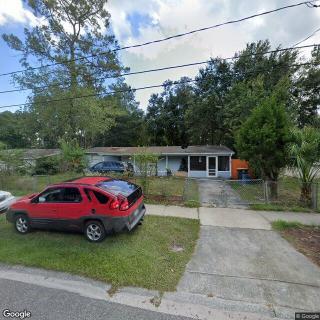




 Is Assisted Living Deductible on Your Taxes? Understanding the Complexities of Assisted Living Expenses and Deductions
 Assisted Living Support for Veterans: A Complete and Detailed Overview
 Exploring the Contrasts Between Assisted Living and Skilled Nursing