Plymouth Home For Adults in Jacksonville, FL

Save
Plymouth Home For Adults

Plymouth Home For Adults in Jacksonville, FL

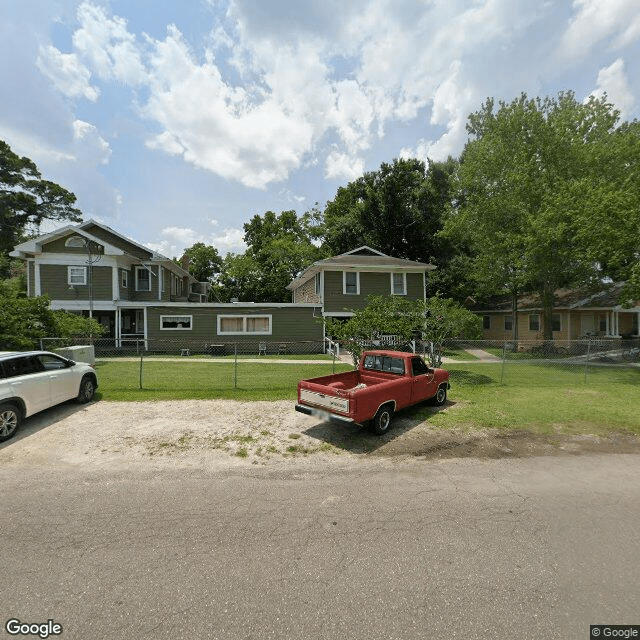
3225 Plymouth Street, Jacksonville, FL 32205

For more information about senior living options: (844) 490-3973

2.4 from 7 reviews
5 stars
2
4 stars
0
3 stars
1
2 stars
0
1 stars
4

Assisted Living Respite Care

Overall Review of Plymouth Home For Adults

Pros

  • pro They like this place because it brings people lots of joy at Christmas time.
  • pro The home is well supported by helpers and administrative staff, with clean rooms and welcoming visitors.
  • pro They have a lot of friends there.

Cons

  • pro These homes cater to people who bother pedestrians for money, dig through dumpsters, panhandle money from cars, and vandalize private property.
  • pro This type of behavior should not be allowed in the community.
  • pro It is not a good place to be.
  • pro The facility does not take care of its residents, with many walking the street like mindless zombies, heavily medicated and in soiled clothing.
  • pro Many residents harass people for change, and some female residents panhandle or offer favors for change.
  • pro The reviewer would not entrust a dog to this company.

Review

This community is best suited for families seeking a very low-cost option where social life and basic housekeeping matter more than structured medical oversight. It works for seniors who are relatively independent, do not require around-the-clock supervision, and can tolerate a setting where routines and care quality may be uneven. The combination of modest staffing and a social, holiday-oriented ambience can appeal to those who value affordability, easy visitor access, and an informal daily rhythm over a tightly managed care program.

Those who should consider alternatives are clear: anyone who needs regular medication management, consistent daily care, robust safety monitoring, or behavioral management should look elsewhere. Prospective residents requiring memory care, mobility assistance, or strict supervision will likely find this setting inadequate. Families should compare with Jacksonville facilities that boast higher staff-to-resident ratios, clearer care plans, and reliable oversight. For seniors with advanced dementia, significant elopement risk, or the need for systematic, proactive care, other options - especially those offering dedicated memory-care or in-home support - are strongly advised.

Key pros and how they bear on overall value: on the positive side, the rooms are described as clean and the operation held together by a basic but functional administrative framework. Visitation is welcomed, and there is evidence of social ties among residents, with some reporting a friendly network and occasional community cheer around the holidays. These factors create a surface-level sense of legitimacy and a modest sense of belonging, which can make the place feel approachable at first glance. Yet these advantages do not reliably translate into consistent care or resident safety, and they tend to thin out under the weight of ongoing care gaps.

Additional context around the pros and cons reinforces the assessment: holiday events and informal social activity can brighten moments and give residents a sense of connection. However, other feedback paints a markedly more troubling picture - residents described as wandering or appearing heavily medicated, sometimes in soiled clothing, and reports of harassment or panhandling. The presence of such behaviors raises serious questions about supervision, dignity, and daily support. In this light, the social scene can feel fragile and insufficient to offset a broader pattern of care deficiencies.

A deeper dive into the main drawbacks makes the risk calculus explicit: multiple voices describe neglectful patterns and safety concerns that undermine trust. Residents allegedly roam the streets, rely on limited oversight, and suffer from substandard personal care. The fear that serious needs will be overlooked is hard to ignore, and complaints about the quality of care are not isolated. The perceived lack of consistent, compassionate treatment - coupled with a dismissive attitude toward resident dignity - limits this option severely. Even the strongest impression of a tidy room and a welcoming front desk cannot overcome these fundamental doubts about ongoing well-being.

Bottom-line decision guidance: when families weigh options, Plymouth Home For Adults should be entered with a clear posture and prepared questions. If affordability and a modest social scene are the priority, a careful, on-site assessment is essential, but contingencies should be in place for potential gaps in care and supervision. Demand current care plans, staff-to-resident ratios, and explicit escalation pathways for behavioral or medical changes. If those assurances cannot be documented in writing, it is prudent to broaden the search to other Jacksonville providers or explore in-home support as a more reliable alternative. A disciplined comparison of licensing records, direct observations, and concrete daily-care commitments will prevent a costly mismatch.

Features

Housing

  • 57 resident community capacity 57 resident community capacity

Types of Care

  • Assisted Living Assisted LivingAssisted living facilities provide crucial support and care for seniors who may need help with daily tasks such as medication management, bathing, and meal preparation. These communities offer a safe and comfortable environment where seniors can maintain their independence while receiving the assistance they need to thrive in their golden years.
  • Respite Care Respite CareRespite care provides temporary relief for caregivers, allowing them to recharge and attend to their own needs. It also gives seniors the opportunity to socialize, receive professional care, and experience a change of scenery, promoting overall well-being and reducing feelings of isolation.

Amenities

  • Activities on-site Activities on-siteActivities on-site are important for seniors because they provide opportunities for socialization, mental stimulation, physical activity, and overall well-being. Engaging in activities can help seniors stay active, maintain their independence, and improve their quality of life.
  • Air-conditioning Air-conditioningAir conditioning is important for seniors as they are more vulnerable to heat-related illnesses and may have underlying health conditions that make it difficult for them to regulate their body temperature. It helps to keep them comfortable, safe, and healthy in hot weather.
  • Beauty salon Beauty salonBeauty salons are important for seniors because they provide a space for them to feel pampered, socialize, and maintain their personal grooming and hygiene. Regular visits to a beauty salon can help boost seniors' self-esteem and overall well-being.
  • Cable or satellite TV Cable or satellite TVCable or satellite TV is important for seniors because it provides entertainment, news, and companionship, helping to combat loneliness and boredom. It also offers a wide range of programming options tailored to different interests and preferences.
  • Computer center Computer centerA computer center is essential for seniors as it provides access to technology, communication tools, and resources that can enhance their daily lives. It allows them to stay connected with loved ones, engage in online activities, and learn new skills, ultimately promoting socialization and mental stimulation.
  • Devotional services off-site Devotional services off-siteDevotional services off-site are important for seniors as they provide spiritual nourishment, social engagement, and a sense of community outside of the senior living facility. This can enhance overall well-being and help combat feelings of isolation and loneliness often experienced by older adults.
  • Dining room Dining roomDining rooms are important for seniors as they provide a space for socialization, connection, and nutritious meals. They offer opportunities for residents to bond over shared meals, foster a sense of community, and promote healthy eating habits. Dining rooms also ensure that seniors have access to well-balanced meals tailored to their dietary needs and preferences.
  • Fitness room Fitness roomHaving a fitness room in a senior living community is essential for seniors to stay active, maintain their physical health, and improve their overall well-being. Regular exercise can help prevent falls, reduce the risk of chronic diseases, and promote mental sharpness. It also provides social opportunities for residents to connect with others and enjoy a sense of community.
  • Fully furnished Fully furnishedFully furnished senior living communities are important for seniors because they provide convenience, comfort, and a hassle-free moving experience. Seniors can easily settle into their new living space without the stress of having to buy and move furniture. This allows them to focus on enjoying their new home and community.
  • Gaming room Gaming roomGaming rooms are important for seniors as they provide a fun and engaging environment for socializing, cognitive stimulation, and physical activity. Games can improve memory, problem-solving skills, and overall mental well-being while fostering friendships and reducing feelings of isolation.
  • Garden GardenGardens are important for seniors as they provide a peaceful and therapeutic environment for relaxation, physical activity, and socialization. Being in nature has been shown to reduce stress, improve mood, and promote overall well-being. Gardens also offer opportunities for seniors to engage in gardening activities, which can improve mobility, flexibility, and cognitive function. Additionally, gardens create a sense of community and connection with others who share a passion for plants and outdoor spaces.
  • Housekeeping services Housekeeping servicesHousekeeping services are important for seniors because they help maintain a clean and safe living environment, promote independence, and reduce the risk of accidents or illnesses. Additionally, having assistance with household chores can alleviate physical strain and allow seniors to focus on other aspects of their well-being.
  • Indoor common areas Indoor common areasIndoor common areas are crucial for seniors as they provide a space for socialization, recreation, and community engagement, promoting overall well-being and reducing feelings of isolation and loneliness.
  • Kitchenette KitchenetteKitchenettes are important for seniors living in senior living communities because they provide the convenience and independence of being able to prepare simple meals and snacks in the comfort of their own living space. This can help promote a sense of autonomy and well-being for seniors, allowing them to maintain some level of control over their dietary choices and daily routines.
  • Move-in coordination Move-in coordinationMove-in coordination is important for seniors because it helps ease the transition into their new living environment. It ensures that all logistics, such as packing, organizing movers, and setting up utilities are taken care of, allowing seniors to focus on settling in and adjusting to their new home. Having a smooth move-in process can alleviate stress and anxiety, making the transition smoother and more enjoyable for seniors.
  • Outdoor space Outdoor spaceOutdoor spaces are important for seniors as they provide opportunities for physical activity, social interaction, exposure to natural light and fresh air, and a sense of connection to nature. Having access to outdoor spaces can improve overall well-being and quality of life for older adults living in senior communities.
  • Private bathrooms Private bathroomsPrivate bathrooms are important for seniors in senior living communities because they provide independence, dignity, and comfort. Having a private bathroom allows seniors to maintain their personal hygiene routines without the need for assistance, promoting a sense of autonomy and privacy. Additionally, private bathrooms help prevent the spread of infections and provide a safe and clean environment for seniors to navigate safely.
  • Restaurant-style dining Restaurant-style diningRestaurant-style dining is important for seniors because it allows them to enjoy delicious, nutritious meals in a social and upscale setting. This enhances their dining experience, promotes healthy eating habits, and fosters socialization with fellow residents, ultimately contributing to their overall well-being and quality of life.
  • Small library Small librarySmall libraries are important for seniors as they provide access to a variety of reading materials, including books, newspapers, and magazines. This can help stimulate their minds, keep them engaged, and provide a sense of community through book clubs and other social activities. Additionally, reading has been shown to improve cognitive function and overall mental well-being in older adults.
  • Telephone TelephoneTelephones are important for seniors as they provide a lifeline for communication with loved ones, emergency services, and healthcare providers. They offer a sense of security and independence, enabling seniors to stay connected and access assistance when needed.
  • Wellness center Wellness centerWellness centers are important for seniors because they offer a variety of programs and services that promote physical, mental, and emotional well-being. These centers provide opportunities for exercise, socialization, education, and relaxation, helping seniors maintain their overall health and quality of life.
  • Wi-Fi/high-speed internet available Wi-Fi/high-speed internet availableWi-Fi/high-speed internet is important for seniors to stay connected with loved ones, access online resources, and participate in virtual activities to combat feelings of loneliness and isolation. It also allows them to easily manage healthcare needs, access entertainment, and engage in lifelong learning opportunities.

Transportation

  • Jacksonville International (13 miles away) Jacksonville International (13 miles away)
  • Community operated transportation Community operated transportationCommunity operated transportation is crucial for seniors as it provides them with the means to access essential services, social activities, and medical appointments. It allows seniors to maintain their independence and quality of life by ensuring they can participate in activities outside of their homes. Additionally, community-operated transportation services offer a safe and reliable way for seniors to travel without having to rely on family or friends for assistance.
  • Transportation arrangement Transportation arrangementTransportation arrangements are crucial for seniors as they may face challenges with driving, mobility, or access to public transportation. Having reliable transportation services ensures that seniors can easily attend appointments, social activities, and maintain their independence and quality of life.
  • Transportation arrangement (non-medical) Transportation arrangement (non-medical)Transportation arrangements are essential for seniors as they provide access to essential services, activities, and social interactions outside the home. This service helps maintain independence, mobility, and overall well-being for seniors who may have limited transportation options.
  • Transportation to doctors appointments Transportation to doctors appointmentsTransportation to doctors appointments is crucial for seniors as it ensures they have access to necessary medical care and support, promoting their health and well-being. It allows them to receive timely treatment, monitor existing conditions, and address any new health concerns efficiently. Additionally, transportation services can help seniors maintain their independence and quality of life by enabling them to stay connected with their healthcare providers.

Care Services

  • 12-16 hour nursing 12-16 hour nursing12-16 hour nursing care is crucial for seniors in order to ensure around-the-clock monitoring, timely medication administration, and prompt response to any health concerns or emergencies. This level of care helps to promote the overall well-being and safety of seniors living in senior living communities.
  • 24-hour call system 24-hour call system24-hour call systems are important for seniors because they provide peace of mind and immediate assistance in case of emergencies. This technology ensures that help is always available, promoting safety and security for elderly individuals living alone or in assisted living facilities.
  • 24-hour supervision 24-hour supervision24-hour supervision is important for seniors to ensure their safety, well-being, and access to immediate assistance in case of emergencies or health issues. This constant support provides peace of mind for both seniors and their loved ones, allowing them to age in place with dignity and security.
  • Activities of daily living assistance Activities of daily living assistanceActivities of daily living assistance are important for seniors because they provide essential support with tasks such as eating, bathing, dressing, and mobility. This assistance helps seniors maintain their independence, dignity, and overall quality of life as they age.
  • Ambulatory care Ambulatory care"Ambulatory care services provide essential medical support and treatment to seniors without requiring hospitalization, allowing them to maintain their independence and quality of life while managing chronic conditions or receiving routine medical care."
  • Assistance with bathing Assistance with bathingAssistance with bathing is crucial for seniors as it helps maintain personal hygiene, prevents infections, and ensures their overall well-being and comfort. It also provides a sense of dignity and independence for seniors who may struggle with this task on their own.
  • Assistance with dressing Assistance with dressingAssistance with dressing is important for seniors because it helps maintain their independence, promotes personal hygiene, prevents accidents and injuries, and improves overall quality of life. This service ensures that seniors can continue to dress comfortably and confidently, despite any physical limitations they may have.
  • Assistance with transfers Assistance with transfersAssistance with transfers is crucial for seniors as it helps prevent falls and injuries, maintains their independence, and ensures they can safely navigate their living environment. It also provides peace of mind for both seniors and their loved ones.
  • Diabetes diet Diabetes dietA diabetes diet is crucial for seniors as it helps manage blood sugar levels, reduce risks of complications, and improve overall health and well-being. By following a balanced and nutritious diet tailored to their specific needs, seniors can better control their diabetes and enhance their quality of life.
  • Diabetic care Diabetic careDiabetic care is crucial for seniors as they are more susceptible to developing diabetes due to aging and other health conditions. Proper management of diabetes can help prevent complications such as heart disease, vision loss, and nerve damage, improving the overall quality of life for seniors in senior living communities.
  • Meal preparation and service Meal preparation and serviceMeal preparation and service are crucial for seniors as they may have limited mobility or energy to cook nutritious meals. Having access to healthy and convenient food options can ensure they are getting the proper nutrition needed to maintain their overall health and well-being.
  • Medication management Medication managementMedication management is crucial for seniors to ensure they are taking the right medications at the correct dosages and times. This helps prevent adverse drug interactions, reduces the risk of medication errors, and promotes overall health and well-being. Proactive management also allows for adjustments as needed based on changing health conditions or new prescriptions.
  • Mental wellness program Mental wellness programMental wellness programs are essential for seniors as they promote cognitive stimulation, emotional support, and social engagement. These programs help prevent isolation, depression, and cognitive decline, ultimately enhancing the overall quality of life for older adults.
  • Special dietary restrictions Special dietary restrictionsSpecial dietary restrictions are important for seniors because age-related changes in metabolism and health conditions can make it difficult for their bodies to process certain foods. By following a diet tailored to their specific needs, seniors can maintain their overall health and well-being, manage chronic conditions, and reduce the risk of complications such as malnutrition or food interactions with medications.

Dining

  • Diabetes diet Diabetes dietA diabetes diet is crucial for seniors as it helps manage blood sugar levels, reduce risks of complications, and improve overall health and well-being. By following a balanced and nutritious diet tailored to their specific needs, seniors can better control their diabetes and enhance their quality of life.
  • Meals provided Meals provided"Meals provided" are crucial for seniors in assisted living communities as it ensures they have access to nutritious, balanced meals without the stress of meal planning and preparation. This can help promote overall health and well-being for seniors who may have limited mobility or cognitive abilities.
  • Special dietary restrictions Special dietary restrictionsSpecial dietary restrictions are important for seniors because age-related changes in metabolism and health conditions can make it difficult for their bodies to process certain foods. By following a diet tailored to their specific needs, seniors can maintain their overall health and well-being, manage chronic conditions, and reduce the risk of complications such as malnutrition or food interactions with medications.

Activities

  • Activities on-site Activities on-siteActivities on-site are important for seniors because they provide opportunities for socialization, mental stimulation, physical activity, and overall well-being. Engaging in activities can help seniors stay active, maintain their independence, and improve their quality of life.
  • Community-sponsored activities Community-sponsored activitiesCommunity-sponsored activities are important for seniors as they provide opportunities for social interaction, mental stimulation, and physical activity. These activities can help improve overall well-being, combat loneliness and isolation, and promote a sense of belonging and purpose among older adults.
  • Concierge services Concierge servicesConcierge services are essential for seniors as they provide assistance with daily tasks and errands, enhance their quality of life by offering convenience and personalized care, and promote a sense of safety and security.
  • Devotional activities offsite Devotional activities offsiteDevotional activities offsite are important for seniors because they provide social engagement, spiritual growth, and a sense of community outside of their living environment. This can improve overall well-being, mental health, and combat feelings of isolation or loneliness.
  • Fitness programs Fitness programsFitness programs are crucial for seniors as they help improve strength, flexibility, balance, and overall well-being. Staying active can reduce the risk of chronic diseases, improve mental health, and enhance quality of life in older adults.
  • Planned day trips Planned day tripsPlanned day trips are important for seniors because they offer opportunities for socialization, mental stimulation, and physical activity. They provide a change of scenery and help seniors stay engaged and connected to their community, promoting overall well-being and quality of life.
  • Resident-run activities Resident-run activitiesResident-run activities are important for seniors as they encourage social interaction, creativity, and a sense of autonomy. These activities empower seniors to stay engaged and active in their community while fostering meaningful connections with their peers.
  • Scheduled daily activities Scheduled daily activitiesScheduled daily activities are important for seniors because they provide structure, socialization, mental stimulation, and physical activity. Engaging in regular activities can improve overall well-being and quality of life for seniors living in a community setting.

Description

Plymouth Home For Adults in Jacksonville, FL is a vibrant and welcoming assisted living community that offers exceptional care and a wide range of amenities for seniors. Our dedicated staff provides 24-hour supervision and assistance with activities of daily living, ensuring the safety and well-being of our residents.

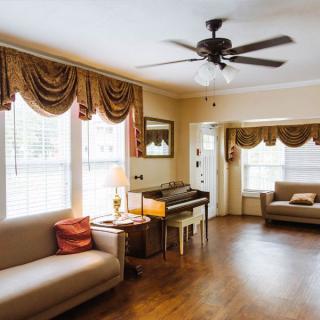
Our community is fully furnished and features comfortable indoor common areas where residents can socialize and relax. We also provide air-conditioning throughout the facility to ensure a comfortable environment for all. For those who enjoy staying connected, we offer Wi-Fi/high-speed internet access.

Residents can enjoy delicious meals prepared by our professional culinary team in our spacious dining room. Special dietary restrictions are accommodated to ensure everyone's specific needs are met. In addition to dining services, we offer kitchenettes in each resident's living space for added convenience.

At Plymouth Home For Adults, we understand the importance of maintaining an active lifestyle. That's why we provide a variety of activities and programs for our residents to participate in. From fitness programs to scheduled daily activities, there is always something exciting happening within our community. Residents can also take advantage of our on-site wellness center and fitness room.

For those seeking relaxation or entertainment, we have a gaming room, small library, and cable or satellite TV available for use. Our beautiful garden and outdoor spaces provide opportunities for fresh air and leisurely walks.

Transportation is made easy with our community-operated transportation services and arrangements for non-medical appointments, including doctor visits. We strive to make the transition into our community as seamless as possible with move-in coordination services.

Plymouth Home For Adults is conveniently located near various amenities such as cafes, parks, pharmacies, physicians' offices, restaurants, places of worship, and hospitals. Our proximity to these facilities ensures that residents have easy access to any additional services they may need.

Experience compassionate care and an enriching lifestyle at Plymouth Home For Adults in Jacksonville, FL.

Nearby Places of Interest

Located in Jacksonville, Florida, this area offers a variety of amenities and services suitable for senior living. With restaurants like El Jefe, Biscottis, and Nacho Taco within close proximity, there are plenty of dining options to choose from. Nearby places of worship such as Riverside United Church of Christ and West Jacksonville Baptist Church provide spiritual support for residents. Additionally, cafes like European Street Cafe and Starbucks offer cozy spots to relax and enjoy a cup of coffee. For healthcare needs, there are several pharmacies including Walgreens and CVS Pharmacy nearby, as well as physicians at Florida Retina Institute and Jacksonville Pediatrics. In case of emergencies or medical treatment, hospitals like Ascension St Vincent's Riverside and Brooks Rehabilitation Hospital are easily accessible in the area. Overall, this part of Jacksonville provides a convenient and welcoming environment for seniors looking to settle down in a vibrant community with access to essential services.

Restaurants

  • El Jefe (0.5 miles)
  • Biscottis (1 miles)
  • Nacho Taco (1.3 miles)
  • Taco Bell (1.4 miles)
  • Kaika Teppanyaki Asian Fusion (1.6 miles)
  • Wendy's (1.7 miles)
  • Mossfire Grill (1.7 miles)

Places of Worship

  • Riverside United Church of Christ (0.6 miles)
  • West Jacksonville Baptist Church (2.1 miles)
  • Allen Chapel Ame Church (2.2 miles)
  • Westside Family Worship Center (7.8 miles)

Cafes

  • European Street Cafe (0.8 miles)
  • Casbah Cafe (1.1 miles)
  • Starbucks (1.8 miles)
  • Panera Bread (2.1 miles)
  • Metro Diner (2.3 miles)
  • European Street Cafe (2.9 miles)
  • Southern Grounds (3.6 miles)

Parks

  • Adams Park (0.9 miles)
  • Cortez Park (2.7 miles)
  • Riverfront Park (3 miles)

Pharmacies

  • Walgreens (0.9 miles)
  • Walgreens (1.3 miles)
  • Winn-Dixie (1.6 miles)
  • CVS Pharmacy (2.1 miles)
  • CVS Pharmacy (2.5 miles)
  • Walmart Pharmacy (3 miles)
  • Winn-Dixie (3.2 miles)

Physicians

  • Florida Retina Institute (1 miles)
  • Jacksonville Pediatrics (1 miles)
  • Southeast Orthopedic Specialists (1.1 miles)
  • Hortencia Espino, MD (1.3 miles)
  • Carithers Pediatric Group (1.5 miles)
  • Akumin (1.5 miles)
  • Nemours Children's Clinic (2.8 miles)

Hospitals

  • Ascension St Vincent's Riverside (1.2 miles)
  • Childrens Medical Services (3.2 miles)
  • UF Health Jacksonville Towers (3.7 miles)
  • UF Health of Jacksonville (3.7 miles)
  • Baptist Primary Care (6.5 miles)
  • Brooks Rehabilitation Hospital (6.6 miles)

Frequently Asked Questions

Where is Plymouth Home For Adults?

Nearby Communities

  • Florida Christian Apartments

    Florida Christian Apartments

    Jacksonville, FL

    4 from 23 reviews
    $568 to $765 / month

    pro Friendly staff, strong sense of community, and affordable on-site amenities and activities.

  • Hillyer House

    Hillyer House

    Jacksonville, FL

    3.9 from 16 reviews
     

    pro Excellent proximity to amenities (cafes, parks, pharmacies, restaurants, places of worship, and hospitals) for convenient living.

  • Porter's Adult Care

    Porter's Adult Care

    Jacksonville, FL

    5 from 5 reviews
     

    pro Personalized care with ADL support and healthcare coordination.

  • Ingleside Retirement Home

    Ingleside Retirement Home

    Jacksonville, FL

    5 from 15 reviews
     

    pro Caring, responsive staff in a clean, well-maintained setting with individualized care.

  • Independent Manor

    Independent Manor

    Jacksonville, FL


    pro Excellent nearby amenities and healthcare access.

  • Autumn Village

    Autumn Village

    Jacksonville, FL

    4.3 from 39 reviews
    $2,000 to $3,575 / month

    pro Warm, well-maintained setting with friendly staff and engaging activities

  • Better Days Senior Living

    Better Days Senior Living

    Jacksonville, FL

    4.7 from 26 reviews
    $3,500 to $4,500 / month

    pro Beautiful, clean facility with caring staff and clear family communication.

  • Riverside Presbyterian House

    Riverside Presbyterian House

    Jacksonville, FL

    4.5 from 84 reviews
     

    pro Central Riverside location with on-site amenities and a responsive staff supporting independent living.

  • Noble House of Jacksonville

    Noble House of Jacksonville

    Jacksonville, FL

    3.8 from 69 reviews
    $2,165 to $3,335 / month

    pro Compassionate staff, welcoming environment, and quality dining with a strong sense of community.

Related Resources

  • va benefits for assisted livingAssisted Living Support for Veterans: A Complete and Detailed Overview

    The guide highlights the importance of assisted living facilities for aging veterans needing daily support, discusses unique challenges they face, and outlines available financial assistance from the VA, including the Aid and Attendance program. It emphasizes understanding eligibility criteria and navigating the VA system to access necessary benefits effectively.

  • assisted living vs skilled nursingExploring the Contrasts Between Assisted Living and Skilled Nursing

    The article compares assisted living and skilled nursing facilities, detailing their differing levels of assistance, medical support, cost structures, and day-to-day experiences. It emphasizes that assisted living is for those needing help with daily activities while maintaining independence, whereas skilled nursing facilities provide intensive medical care with 24-hour staff supervision.

  • when to move from assisted living to nursing home8 Key Indicators That Suggest It May Be Time to Transition from Assisted Living to Skilled Nursing Care

    The transition from assisted living to skilled nursing care is often prompted by complex medical needs that assisted living cannot meet, with key indicators including frequent health declines, increased falls, severe memory issues, and caregiver burnout. Families should recognize these signs early to discuss options with healthcare providers and prepare for the emotional and logistical aspects of moving to a facility that offers comprehensive medical support.