Residents and families repeatedly describe attentive, caring staff who follow up when needed.
Across reviews, residents and families describe staff members as helpful, responsive, and genuinely focused on resident needs. Several reviewers mention that staff check on residents during the day and respond quickly to concerns, including situations that required immediate attention. Multiple people also call out communication and follow-through with meals and daily routines, which helps families feel informed even from out of town.
differentiator9 reviews mention this
Safety and 24-hour presence stand out
Safety feels well covered, with gated access and an always-on front desk presence described in reviews.
Residents and families describe the community as a safe, gated setting with staff supervision at the front desk. Some reviewers specifically mention being checked during meal-related times, and one describes staff going to look for a resident who did not come to a meal and finding them unwell. Others also mention security being a strong point, reinforcing that supervision is part of daily life rather than occasional assistance.
caveat6 reviews mention this
Clean spaces, but pests come up
Most reviews mention clean, well-kept spaces, but at least one describes cockroaches.
Several reviews say apartments and common areas are clean and well kept, and one reviewer mentions not seeing pests after regular pest treatment. However, another reviewer reports seeing cockroaches in the room and hallway, calling it a reason they would not choose the community. Overall, cleanliness is a frequent positive theme, with concerns limited to that one negative experience.
common13 reviews mention this
Activities keep residents engaged
Many residents describe an active calendar with community events and outings.
Reviews commonly mention activities designed to keep residents social and engaged, including group events like bingo and themed parties. Several reviewers also describe trips and field trips, along with speakers and music-related programs. One review notes the activity options can feel limited, but the overall pattern is that residents are kept busy rather than staying isolated.
common16 reviews mention this
Dining is praised, with cafeteria notes
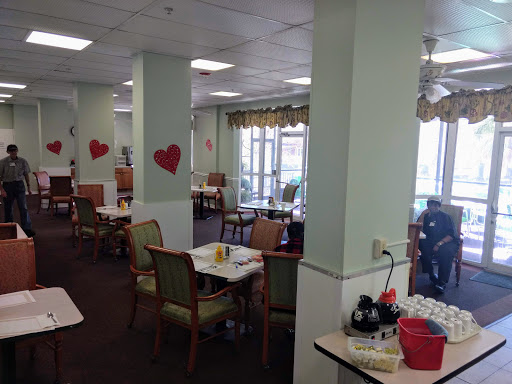
Meals receive steady praise, though a few reviews describe cafeteria-style service.
Many reviewers describe the food as good or delicious, with some calling it home-cooked or noting variety. Several families also mention meal support for health needs like diabetic diets, along with reminders when residents do not go down for meals. At the same time, at least one reviewer prefers the meal setup differently, describing cafeteria-style service and paper plates, and another says they were not particularly impressed with the dining room and meals.
common7 reviews mention this
Location makes errands feel close
Reviews highlight a convenient Riverside location with walkable nearby options.
Multiple reviewers describe the area as easy to get to, including restaurants and everyday services around Riverside. Some also mention being close to parks and river views, and others call out proximity to doctor offices and hospitals. One reviewer further reinforces that the community is near central Jacksonville destinations like 5 points, making outings simpler.
How we summarize
Counts show how many written reviews mention each theme; a review can touch several themes, and only frequently mentioned themes are displayed.
Features
Housing
46 resident community capacity
1-bedroom apartments
Studio apartments
Types of Care
Active Adult Communities (55+)
Assisted Living
Independent Living
Respite Care
Amenities
Activities on-site
Beautician on-site
Beauty salon
Cable or satellite TV
Devotional services off-site
Dining room
Fully furnished
Garden
Guest parking
Housekeeping services
Indoor common areas
Kitchenette
Move-in coordination
Outdoor space
Resident parking
Restaurant-style dining
Security gate
Small library
Swimming pool
Telephone
Wi-Fi/high-speed internet available
Transportation
Jacksonville International (13 miles away)
Transportation & parking
Care Services
24-hour call system
24-hour supervision
Activities of daily living assistance
Ambulatory care
Assistance with bathing
Assistance with dressing
Assistance with transfers
Diabetes diet
Diabetic care
Meal preparation and service
Medication management
Mental wellness program
Special dietary restrictions
Dining
Diabetes diet
Meals provided
Special dietary restrictions
Activities
Activities on-site
Community-sponsored activities
Devotional activities offsite
Educational speakers / life long learning
Fitness programs
Religious services
Resident-run activities
Scheduled daily activities
Languages Spoken
English
Spanish
Nearby Places of Interest
This part of Jacksonville, Florida, offers a diverse range of amenities and services that cater to seniors looking for a vibrant community. With a variety of restaurants offering different cuisines within walking distance, such as Wendy's, Mossfire Grill, and Black Sheep Restaurant, residents can enjoy delicious meals without having to travel far. Additionally, there are several reputable physicians' offices and hospitals nearby, including Carithers Pediatric Group and Ascension St Vincent's Riverside, ensuring easy access to medical care. The presence of pharmacies like Walgreens and CVS Pharmacy further adds convenience for managing medications. For leisurely activities, there are cafes like European Street Cafe and parks like Riverfront Park in close proximity for relaxation and socializing. The diverse places of worship in the area also provide spiritual fulfillment for those seeking it. Overall, this part of Jacksonville provides a well-rounded environment for seniors to live comfortably and enjoy their golden years.
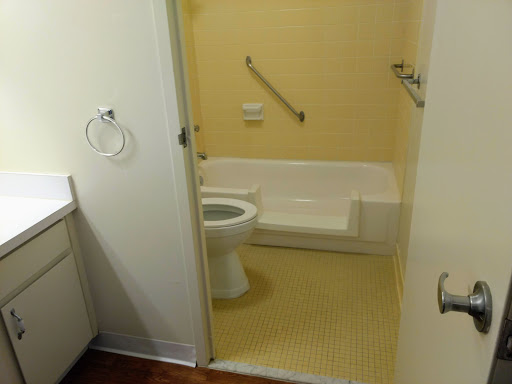
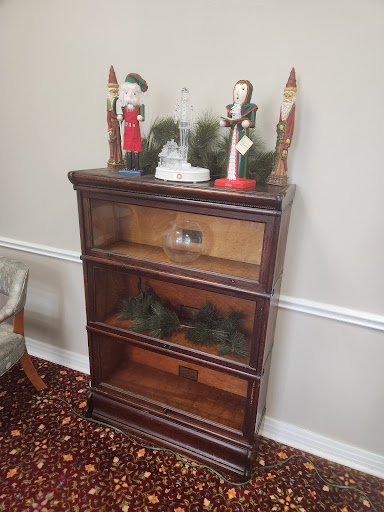
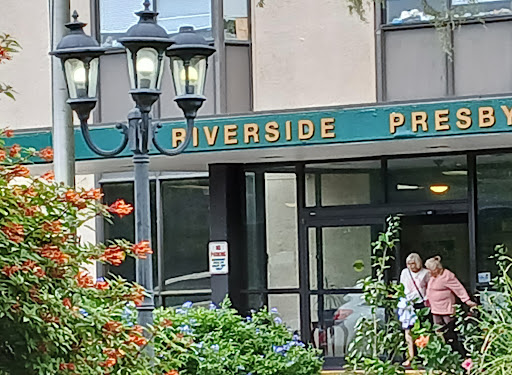
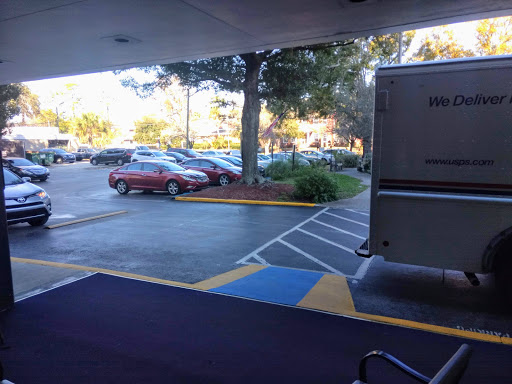
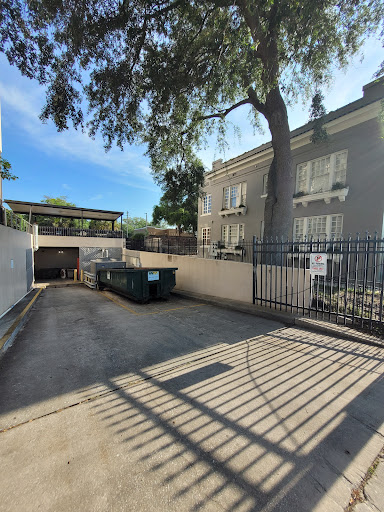
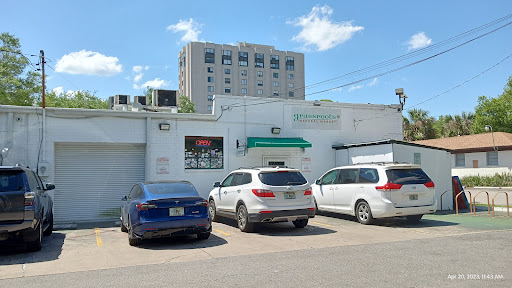
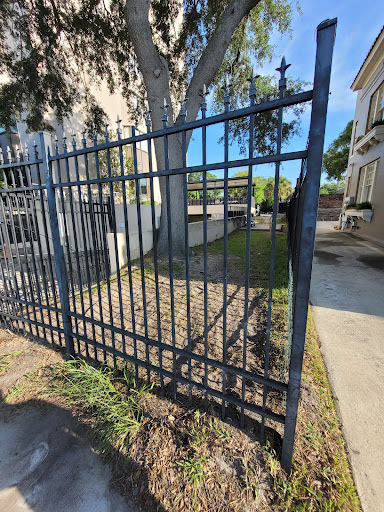
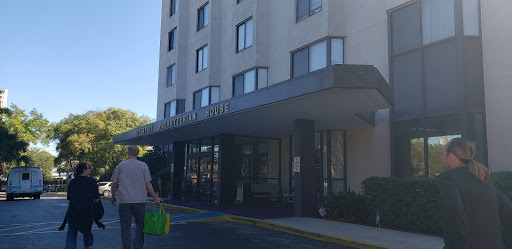
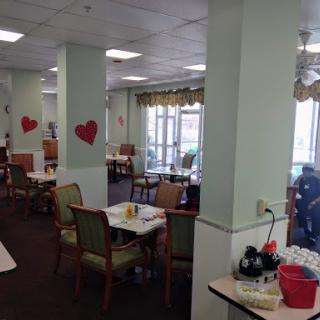
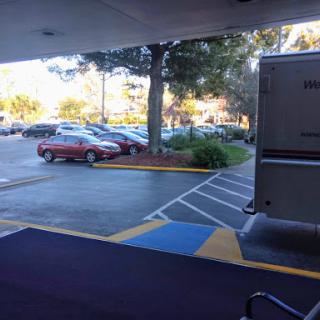
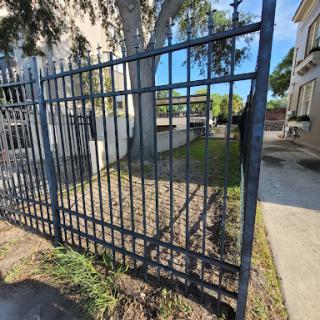
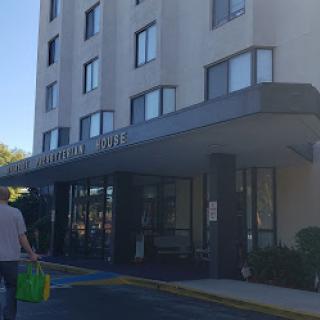
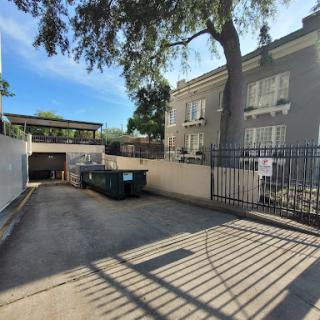
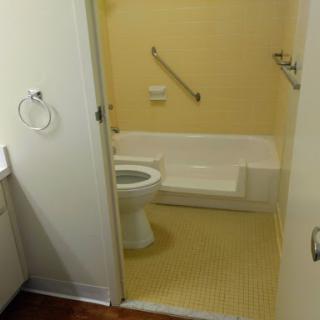
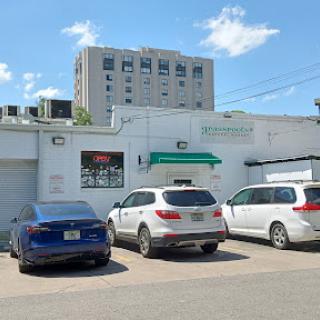
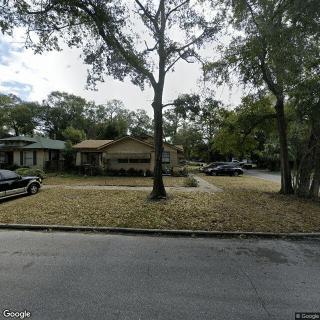
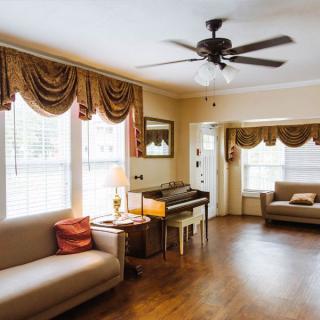
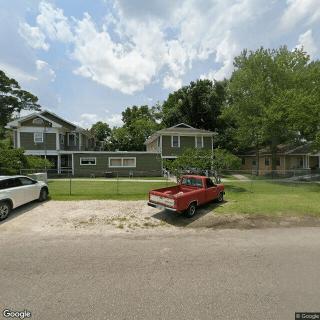
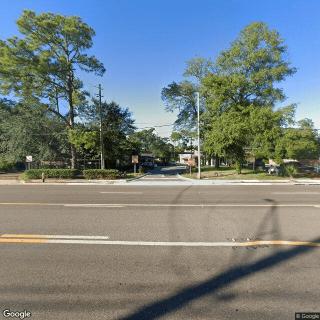
Riverside Presbyterian House on seniors.fyi includes 12 photos including images showing building, outdoor, bathroom, urban, parking, fence, entrance, dining, and more.
Nearby Communities
Riverside Presbyterian Rsdncs
Jacksonville, FL
4.2 from 72 reviews
Nice, senior-friendly apartments with ample living space and safety features.
Riverside Park Apartments
Jacksonville, FL
3.9 from 8 reviews
Strong access to healthcare and local amenities.
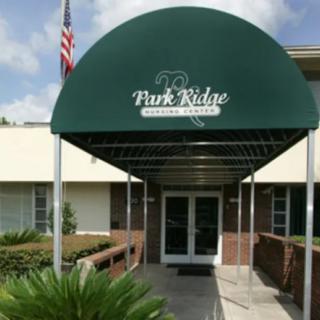
Park Ridge Nursing Center
Jacksonville, FL
3.3 from 49 reviews
Well-maintained facility with welcoming staff, secure entrance, and engaging activities.
Dellwood Retirement Home-Aged
Jacksonville, FL
4.5 from 71 reviews
Excellent access to a wide range of nearby amenities, including dining, parks, pharmacies, doctors, and hospitals.
St Catherine Laboure Manor
Jacksonville, FL
4.8 from 120 reviews
$4,308 to $5,169 / month
Extensive amenities and comprehensive care (restaurant-style dining, transportation, wellness programs, medication management) with private rooms.
Autumn Village
Jacksonville, FL
4.3 from 39 reviews
$2,000 to $3,575 / month
Warm, well-maintained setting with friendly staff and engaging activities
Better Days Senior Living
Jacksonville, FL
4.7 from 29 reviews
$3,500 to $4,500 / month
Beautiful, clean facility with caring staff and clear family communication.
Plymouth Home For Adults
Jacksonville, FL
2.4 from 7 reviews
Extensive amenities and active social programs with 24-hour supervision.
Noble House of Jacksonville
Jacksonville, FL
3.7 from 73 reviews
$2,165 to $3,335 / month
Compassionate staff, welcoming environment, and quality dining with a strong sense of community.
Vibrant Senior Living emphasizes active senior living communities that promote independence and engagement through diverse amenities and activities, fostering wellness and social interaction among older adults. These communities range from independent to assisted living, with a focus on personal growth, family involvement, financial planning, and leveraging technology to enhance residents' experiences.
Transitioning from assisted living to memory care is driven by an individual's cognitive decline and specific needs, requiring careful evaluation of indicators like increased confusion and wandering. The process involves consulting medical professionals, researching suitable communities, considering financial and legal aspects, and ensuring effective communication for personalized care plans.
Assisted living provides moderate support for seniors seeking independence, while memory care offers specialized support for individuals with dementia or cognitive impairments through structured routines and trained staff. Key differences include care approaches, environment security measures, staff training levels, activity types, and cost considerations.
Get PricingAsk A QuestionSchedule A TourContact Senior Advisor
By clicking submit, you agree to our Partner's Terms of Use. You
also consent to receive calls and texts, which may be autodialed, from our Partner. Your consent is not a condition to
using our Partner's service. Please visit our Partner's Privacy Policy for information about their privacy practices.




 46 resident community capacity
 1-bedroom apartments
 Active Adult Communities (55+)
 Assisted Living
 Independent Living
 Respite Care
 Activities on-site
 Beautician on-site
 Cable or satellite TV
 Devotional services off-site
 Dining room
 Fully furnished
 Garden
 Guest parking
 Housekeeping services
 Indoor common areas
 Kitchenette
 Move-in coordination
 Outdoor space
 Restaurant-style dining
 Security gate
 Small library
 Swimming pool
 Telephone
 Wi-Fi/high-speed internet available
 Jacksonville International (13 miles away)
 Transportation & parking
 24-hour call system
 Ambulatory care
 Assistance with bathing
 Assistance with dressing
 Assistance with transfers
 Diabetes diet
 Diabetic care
 Medication management
 Mental wellness program
 Special dietary restrictions
 Educational speakers / life long learning
 Fitness programs
 English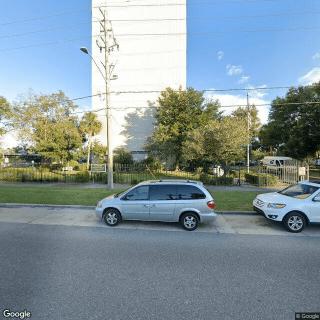
 Nice, senior-friendly apartments with ample living space and safety features.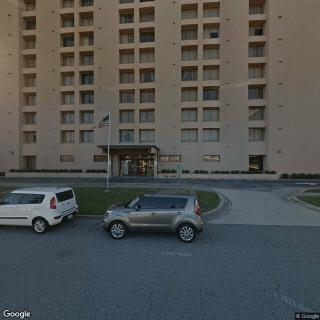


 Vibrant Senior Living: A Comprehensive Guide for Active Older Adults
 When to Transition from Assisted Living to Memory Care: Key Indicators, Steps, and Finding the Right Community
 Assisted Living and Memory Care: Understanding Their Core Differences