
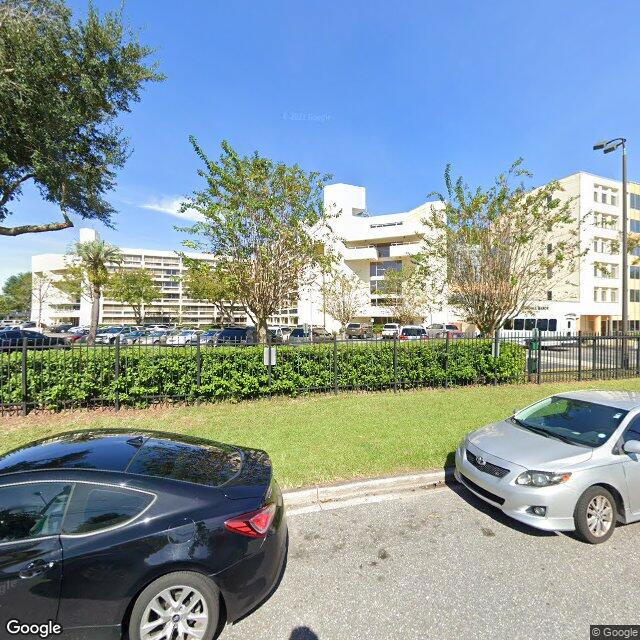
1115 Edgewood Ave S, Jacksonville, FL 32205
To contact a resident: (904) 381-4816
For more information about senior living options: (866) 208-4318
Overall Review of Hillyer House
Pros
 The staff are top-drawer and dedicated to helping residents.
- The maintenance crew is fantastic.
- The facility is clean and very well run.
- The employees and residents are helpful and friendly.
- The property features extraordinary landscaping, a walking garden, and a gazebo.
- It is a wonderful place to live, with great shops and restaurants nearby.
Cons
 They are completely unprofessional and fail to follow up on paperwork and interviews, forcing residents to visit in person.
- They would choose other senior and disability low-income housing in the area instead.
- The front desk security is rude and unempathetic, with a guard threatening to tow a car and belittling a resident.
- The guard publicly humiliated the elderly resident’s mother in front of others, showing a lack of basic courtesy.
- The gate system has no remote controls, preventing entry and exit and making the property hard to access.
- The management is incompetent and has left installations unfinished.
- Residents report infestations (rodents and bugs) and water leaks that could cause mold, and management told them to leave them alone.
Review
Hillyer House is best suited for seniors and adults with disabilities who want affordable, service-enriched living in Jacksonville and who value a strong social fabric, practical on-site conveniences, and a well-maintained campus. The property shines for residents who crave activity, companionship, and a built-in neighborhood feel, the landscaped grounds, walking garden, gazebo, and on-site amenities like a mini mart and thrift shop create a life you don’t have to leave to stay engaged. Cleanliness and steady maintenance are frequently cited, and the community’s vibe is described as warm and cooperative. For someone who prioritizes a lively, interconnected living environment over flawless, pristine units, this is a compelling fit.
Those who should consider alternatives include individuals who require consistently flawless front-desk service and unerring professional conduct from management. A pattern of unresponsiveness on paperwork and interviews can create persistent friction, forcing residents to drive in just to obtain necessary information. Security experiences cited as curt or disrespectful further erode trust and safety in daily operations. If gate reliability and parking calm are essential, the ongoing remote-control and access issues, paired with complaints about enforcement and inconsistent adherence to rules, may prove intolerable. Finally, a history of pest problems, water leaks, and perceived neglect after a management change makes the prospect riskier for anyone who cannot tolerate episodic maintenance failures.
The balance of pros and cons leans toward the positives in one clear regard: community and convenience. The best defense of the living experience rests on the robust social calendar, the helpful staff in ongoing roles, and the sense of belonging that comes from a compact campus where neighbors look out for each other. The presence of on-site shopping, shared amenities, and organized activities reduces daily stress and supports independence for many residents. These advantages provide meaningful justification for choosing Hillyer House, especially for those who place a premium on social engagement and on-site services. Yet these strengths do not fully neutralize the more disruptive drawbacks tied to administration, security interactions, and maintenance reliability.
Experience at Hillyer House appears uneven due to management turnover in the past year. For some long-time residents, the community remains a solid, supportive home; for others, the transition has coincided with pests, leaks, and a sense that issues are not promptly prioritized. Front-desk interactions and security behavior can color the atmosphere more than the physical assets, turning a otherwise appealing environment into a source of daily friction. The inconsistency matters because it directly affects comfort, responsiveness, and predictability, three essentials for families evaluating a move-in. Families should expect variability and weigh stability against the proven social and practical benefits when making a decision.
Practical steps for evaluation are essential. Arrange visits at different times, observe how staff handle routine requests, and listen to how security questions are addressed. Speak with multiple residents about pest control history, leakage fixes, and the speed of issue resolution. Scrutinize current gate procedures, parking rules, and enforcement patterns. Request recent maintenance records, any planned capital improvements, and clear rent-eligibility details with Jacksonville Housing Authority to ensure expectations align. Seek transparency on pest remediation plans and mold risk mitigation, and confirm a concrete path for addressing future leaks. A thorough, candid assessment now reduces the risk of costly surprises after moving in.
 Board and Care Home
 Jacksonville International (13 miles away)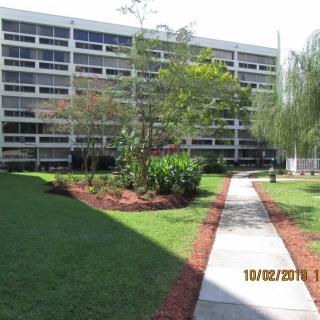



 Exploring Nonmedical Home Care: Understanding Services, Costs, and Financial Approaches
 Engaging Brain Games and Innovative Apps to Keep Senior Minds Active
 Effective Strategies for Keeping Seniors' Minds Active: A Deep Dive into Brain Games and Apps