
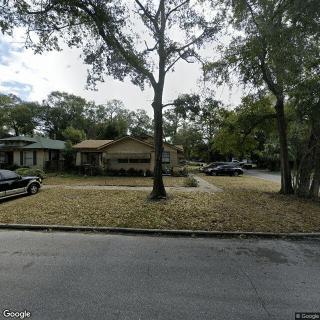
2317 Gilmore Street, Jacksonville, FL 32204
For more information about senior living options: (866) 208-4318
Overall Review of Silver Shores Living
Pros
 Carlos and Aline are such wonderful people, they truly care for their residents and families.
- It is a beautiful home with great food, and the extra bonus of having a physician as an owner puts them a step above all the rest.
- Better Days is such a special place; the staff is like family, and the physician ownership adds peace of mind.
- Better Days is a great place to live. The staff is awesome. They really care about their residents.
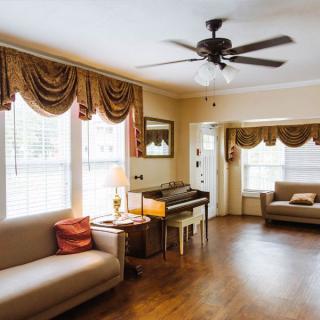
- The facility is clean, with nice rooms and a home-like atmosphere.
- The nurses and staff are friendly, knowledgeable, professional, and genuinely care about their residents.
- Better Days Senior Living is described as professional, compassionate and caring by its owners and managers Dr. Zamora and his wife Aline.
- The staff are always there to answer questions around the clock, and they help keep residents happy and full of life.
- The physician-owned facility adds peace of mind and easy access to the best medical support imaginable.
- It is an awesome boutique assisted living with clean facilities, fantastic food and engaging activities.
Cons
 A company allows their staff to be belittled.
- Nursing staff are insulted and named in emails.
- Alzheimer's and dementia patients are treated as nuisances and kept in the dining area.
- One-on-one care promised on the website is non-existent.
- An Alzheimer's patient was served hot soup and told to be careful because it is hot.
- The physician-owner's facility raises questions about whether patients in his practice receive the same care as residents.
- The reviewer would not wish this care on their worst enemy.
- There is fear of retaliation and further mistreatment because of this review.
Review
This community is best suited for families seeking a boutique, home-like senior living option in which residents are treated with intimate, hands-on attention and medical insight remains readily accessible. The strongest fit is for seniors who value a small, cohesive community where staff know each resident by name, meals feel homestyle, and day-to-day routines can be tailored with a hands-on, physician-backed leadership presence. For families, the draw is clear: a setting where medical concerns can be monitored closely by an on-site physician-involved ownership, and where the ambiance emphasizes warmth, stability, and predictability over sprawling campus amenities.
Those who should consider alternatives are primarily families needing robust, memory-care–focused programming or high-intensity, one-on-one care on a daily basis. If dementia or Parkinsonian needs demand constant individualized engagement, or if family priorities include a wider array of on-site specialists and daily therapeutic options, a larger facility with a more formal care matrix may deliver better fit. Additionally, any concern about staff dynamics or leadership style, especially if a resident’s well-being hinges on consistently respectful, highly professional interactions, warrants exploring comparable options with stronger documented staffing practices and clearer escalation procedures.
The strongest pros, intimate size, attentive staff, and medical credibility, do a lot of heavy lifting against the main drawbacks. A small community tends to translate into quicker responses, more routine face-to-face check-ins, and a sense of belonging that family members often prize. The physician-owner model provides reassurance that health issues will be understood within a clinical frame, with easier access to medical judgment and familiar continuity of care. High-quality, home-style meals and engaging daily activities further offset limitations of scale by promoting dignity, independence, and enjoyment in everyday living. When these elements align, families often experience genuine peace of mind about their loved one’s day-to-day life and medical oversight.
Yet caution is warranted. A recurring concern in the independent voice of residents and families is whether one-on-one care truly remains robust in practice, especially for residents with significant cognitive needs. The tension between a small staff and rising care demands can manifest as gaps in individualized attention, or as perception gaps between what is promised and what is delivered. Such concerns are not universal, but they underline the need for concrete assurances: transparent staffing ratios, clear care plans, and demonstrated, ongoing commitment to residents with higher acuity. Tours and interviews should include frank questions about dementia protocols, daily care routines, and how evenings and weekends are staffed.
To make a well-informed decision, prospective families should bring a practical checklist to visits. Request sample care plans for residents with varying needs, and ask to review how staff respond to daily care tasks, medication management, and behavioral challenges. Inquire about staff training, turnover, and how personnel are coached to maintain dignity and respect. Taste-test the dining experience, observe the cleanliness and maintenance of private rooms, and confirm the level of personalized activities, especially those that accommodate mobility limitations and cognitive variability. Most importantly, ask to speak with current residents and family members about their experiences with responsiveness, compassion, and trust in leadership.
In sum, this community excels for families seeking a warm, medically informed, small-scale setting where residents are known personally and care feels genuinely intimate. It is less ideal for those whose priorities center on formal, high-demand dementia programs, expansive social calendars, or rigorous, 24/7 one-to-one staffing that might be required by higher acuity residents. The decision should hinge on the resident’s medical complexity, the family’s tolerance for a boutique environment, and the confidence that leadership, especially the medical oversight and day-to-day caregiver culture, will sustain consistent, respectful care. If those elements align, this community offers a compelling blend of heart, health-minded leadership, and home-like living that can translate into real peace of mind for families navigating the care journey.
 10 resident community capacity
 Assisted Living
 Board and Care Home
 Respite Care
 Cable or satellite TV
 Dining room
 Fully furnished
 Garden
 Housekeeping services
 Move-in coordination
 Outdoor space
 Telephone
 Wi-Fi/high-speed internet available
 Jacksonville International (12 miles away)
 24-hour supervision
 Activities of daily living assistance
 Assistance with bathing
 Assistance with dressing
 Assistance with transfers
 Diabetes diet
 Meal preparation and service
 Medication management
 Special dietary restrictions
 Transportation arrangement (medical)
 Transportation to doctors appointments




 8 Key Indicators That Suggest It May Be Time to Transition from Assisted Living to Skilled Nursing Care
 Vibrant Senior Living: A Comprehensive Guide for Active Older Adults
 When to Transition from Assisted Living to Memory Care: Key Indicators, Steps, and Finding the Right Community