
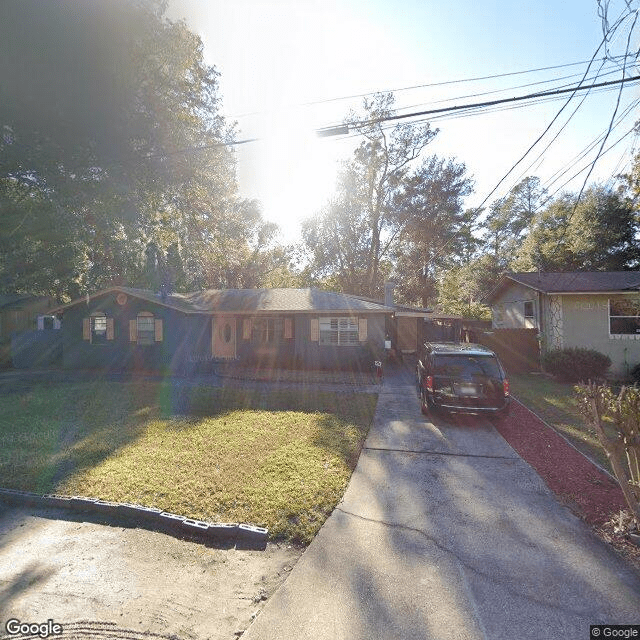
8942 6th Ave, Jacksonville, FL 32208
To contact a resident: (904) 766-1850
For more information about senior living options: (866) 208-4318
Overall Review of Shipp Delois DBA Adult Family Home
Pros
 Some Place feels like home.
- The whole team feels like family.
- Quality care is provided in a family-style community.
- The facility is very nice.
- The facility is large, comfortable, and well staffed.
- The staff are very caring.
Review
Shipp Delois DBA Adult Family Home in Jacksonville is best suited for seniors who prize a warm, home-like atmosphere and highly personalized care delivered by a close-knit team. The setting reads less institutional and more like a family residence where caregivers become familiar with routines, preferences, and medical history. This is the model for residents who value daily interactions with staff who know their names, enjoy relaxed, home-style meals, and benefit from predictable, compassionate support rather than a bustling corporate environment. For families seeking simplicity and a sense of belonging, this community offers a straightforward, intimate option that can ease transitions from independent living or aging-in-place at home.
Those requiring robust clinical oversight, complex medical management, or advanced memory care may want alternatives. The home-like format excels at warmth and responsiveness but may not match larger assisted living communities in specialized therapies, wide-ranging activity calendars, or access to on-site physicians 24/7. For seniors who rely on frequent skilled nursing, intravenous therapies, or dementia units with secure design, a more traditional facility or a specialized memory-care community is often more suitable. Families should also consider whether a resident desires greater privacy and independence, or conversely, more structured programming, which can be more abundant in larger campuses.
Pros include a true home feel and a family-style approach. The staff culture described as “like family” translates into careful, individualized attention, where care plans can reflect personal habits, mealtimes, and routines. That consistent, approachable presence reduces anxiety and helps residents feel seen, which is a major contributor to daily well-being. The space itself is described as large, comfy, and well-staffed, underscoring reliability in assistance with activities of daily living. When a resident calls for help, response is likely prompt, and casual interactions may reinforce a sense of dignity and belonging that larger institutions sometimes struggle to preserve.
Another strong point is staffing quality. The facility is described as well staffed with caring caregivers, suggesting a team capable of maintaining safety, monitoring health changes, and providing companionship. In practical terms, this means fewer delays in assistance, more consistent supervision, and the ability to deliver personalized support around meals, medication reminders, mobility aid, and daily routines. For families, this translates into fewer caregiver handoffs and more continuity of care, which reduces the risk of miscommunication and helps residents maintain familiar patterns. The downside to this model, if any, is the potential trade-off of a smaller pool of specialty services and fewer high-profile programming opportunities than larger campuses can offer.
To offset potential gaps, families can leverage the strength of the intimate setting by coordinating external activities, private care supports, or visiting healthcare professionals who can complement on-site care. The intimate scale often affords greater transparency, caregivers know residents personally and can share updates quickly. Prospective residents should confirm that medical needs can be met on-site, and ask for a sample week of activities to see whether the program aligns with interests. If a resident requires advanced rehabilitation, memory care, or frequent nursing interventions, these items should be explicitly discussed to ensure alignment with expectations.
In sum, Shipp Delois Adult Family Home offers a compelling choice for families prioritizing warmth, personal attention, and a homey environment over grand facilities. The combination of a family-like team, a comfortable, well-maintained setting, and overall caring staff creates a daily experience that feels secure and respectful. However, this is not the right pick for those who require intensive clinical care, a wide array of structured programming, or specialized memory-care infrastructure. For such cases, explore alternatives with larger care campuses or dedicated dementia units. A thoughtful visit, review of care plans, and candid conversations with the staff will reveal how well this community can meet the resident’s specific needs and preferences.
 Board and Care Home
 Jacksonville International (6 miles away)




 Financing Long-Term Nursing Home Care Through Social Security: A Thorough Exploration
 Essential Knowledge on Pneumonia in Older Adults
 Exploring Palliative Care in the Home: A Comprehensive Overview