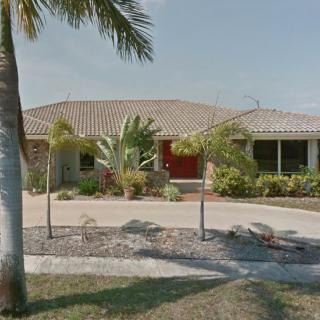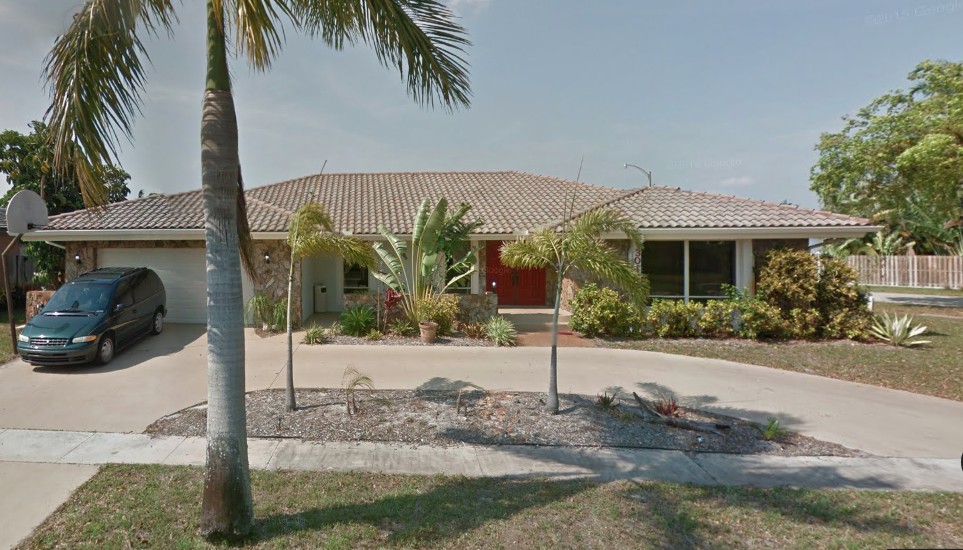
5301 Mckinley Street, Hollywood, FL 33021
For more information about senior living options: (866) 208-4318
Overall Review of The Hammond House
Pros
 The staff who showed them around were very nice and helpful.
- Everyone there was very nice and helpful.
- The place was really clean.
- Her mother-in-law is doing very well at Hammond House.
Cons
 The owner was stuck in Northern Florida and was not there to greet the guests.
- The mother-in-law would never stay there.
- There was nobody there to talk to guests about the place.
- The rooms were only 12x12 at the most.
- There was no opportunity to talk to the director.
Review
This community is best suited for seniors who want a truly homelike, low-key living arrangement in Hollywood. It fits residents who value a small, intimate setting where staff interactions feel personal, and where rooms are simple and straightforward rather than modernized in a campus-style environment. Hammond House works well for those who prize cleanliness, a calm routine, and a sense that caregivers know residents by name. Those expecting a formal, hospital-like campus with large common areas and robust on-site programming should consider alternatives. Families needing extensive clinical oversight, specialized memory care, or a highly visible administrator presence will likely find other options more aligned with those requirements.
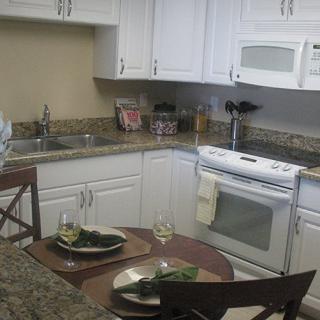
The strengths here are the tangible, day-to-day positives. Staff are consistently described as friendly and helpful, and the facility is kept clean and orderly. The space itself plays to a homey rhythm: a kitchen and living room contribute to a non-institutional atmosphere, which can reduce anxiety for residents who react poorly to bright, impersonal settings. For individuals who prioritize quiet, predictable routines and personal attention, the intimate environment can translate into meaningful, daily compatibility with caregivers and familiar faces during meals, activities, and personal care. Even when the owner isn’t on site, the surrounding staff culture in practice appears to sustain a welcoming tone and approachable management by the team.
Yet, there are clear drawbacks that families must weigh. The living quarters are notably small, roughly 12 by 12 feet in size, which can feel cramped for residents who require more personal space or for couples who wish to share a room. The setting looks and feels like a converted house rather than a purpose-built community, which translates into limited common areas and a dining room that may not accommodate larger social gatherings. An additional tension point is the access to leadership; at least one tour noted the owner was away when visitors arrived, and there was little opportunity to engage directly with a director during the visit. Those dynamics can leave families uncertain about ongoing accountability and strategic care planning.
These pros and cons interact in practical ways depending on what matters most to the potential resident. The home-like, low-stimulus vibe and attentive staff can offset the small footprint for someone who values a calm, seemingly private living situation and does not require expansive social programs. Cleanliness and a non-clinical atmosphere reduce stress for residents who prefer straightforward routines and less hustle. On the flip side, the limited space and the lack of visible on-site leadership during visits may amplify concerns for families who insist on transparent communication, regular care coordination, and a broader social calendar. For residents who need more physical therapy, mobility support, or meaningful in-house activities, the constraints are more likely to feel limiting than comforting.
Families who should consider alternatives are those seeking more formal structures, larger resident communities, and stronger on-site leadership presence. If a robust activity calendar, varied dining experiences, diverse social opportunities, or transparent, ongoing executive engagement with families are priorities, other Hollywood options will typically deliver more consistent alignment. Prospective residents with memory care needs or higher care levels may also find Hammond House inadequate if the layout, programming, or staff-to-resident ratios do not meet those specialized requirements. In short, this is a choice for a specific temperament and lifestyle, not a universal fit.
In the end, Hammond House can be a good match for a resident who wants a warm, homey atmosphere with a small, manageable footprint and caregivers who remember personal details. The decisive question rests on whether the resident will thrive within limited space and a less formal leadership presence, and whether the family is comfortable negotiating care plans without a readily visible director on site. A practical next step is to schedule a thorough tour with the intent to meet several staff members and request a direct conversation with the administrator or owner, if possible. Ask to review a sample daily schedule, meal options, and a typical care plan; verify room measurements and assess whether a shared room is acceptable; and discuss emergency procedures, respite options, and how care coordination is handled. Those conversations will reveal whether Hammond House’s intimate charm can translate into sustained safety, satisfaction, and peace of mind.
 6 resident community capacity
 Assisted Living
 Board and Care Home
 Respite Care
 Cable or satellite TV
 Dining room
 Fully furnished
 Garden
 Housekeeping services
 Move-in coordination
 Outdoor space
 Telephone
 Wi-Fi/high-speed internet available
 Fort Lauderdale-Hollywood International (4 miles away)
 24-hour supervision
 Activities of daily living assistance
 Assistance with bathing
 Assistance with dressing
 Assistance with transfers
 Diabetes diet
 Meal preparation and service
 Medication management
 Special dietary restrictions
 Transportation arrangement (medical)
 Transportation to doctors appointments





 Beyond the Bingo Hall: 50+ Enriching Activities for Seniors in Assisted Living
 Understanding the Distinctions: Assisted Living and Memory Care Explained
 Guiding Elderly Parents Who Refuse Assisted Living: 6 Practical Steps