
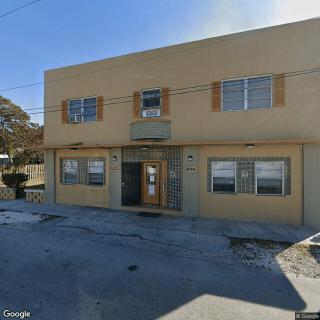
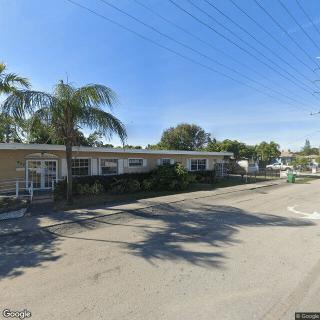
1930 Lincoln Street, Hollywood, FL 33020
For more information about senior living options: (866) 208-4318
Overall Review of Abbey Manor Retirement Residence
Pros
 She loved everyone from the owners to the staff.
- She always had great things to say about everything.
- They took great care of her.
Review
Abbey Manor Retirement Residence in Hollywood is best suited for families seeking a small, intimate setting where owners and staff form enduring relationships with residents. The strongest signal from the available feedback is that residents experience personal attention and a caring, stable environment. When a mother-in-law lived there for years and consistently praised the people in charge, it points to a community that prioritizes continuity and a home-like culture over impersonal programming. For seniors who thrive on regular, familiar faces and a sense of family, Abbey Manor offers a compelling fit that centers on trust and accessible, everyday kindness.
However, Abbey Manor may not be the best option for residents who require higher levels of medical oversight, memory-care specialized support, or a broad slate of on-site activities that come with larger campuses. With only two published evaluations, one highly favorable and one critical, the picture is incomplete. The small sample invites questions about consistency across shifts, staff expertise for more complex needs, and whether dining, transportation, and routine truly align with evolving care requirements. Families weighing options should consider whether a tight-knit, low-traffic setting can accommodate changing needs or if a more robust, medicalized environment would be preferable.
The core advantages, engaged ownership, dedicated staff, and a long-standing residence feel, do appear to offset these potential gaps. The positive note about care and the care team, coupled with visible owner involvement, suggests reliable responsiveness and trustworthiness. In a setting where continuity matters for comfort and safety, Abbey Manor can deliver a level of stability that larger facilities sometimes struggle to maintain. A smaller footprint often enables easier communication with caregivers and the development of personalized care plans, which can translate into stronger day-to-day quality of life and more meaningful social connections.
Yet the reality remains that two reviews do not constitute a comprehensive track record. The existence of a one-star rating signals that not every experience will meet expectations, even if the specifics are not disclosed here. Prospective residents should probe during tours: ask about response times, how care plans are updated, medication management, meal quality, and the availability of escorts or transportation for appointments. In practice, the best fit depends on whether the resident can accept a calmer, more intimate community rhythm and whether staff demonstrate consistent warmth and professionalism across shifts.
For families with decisions to make, practical steps help anchor the choice: request recent references from current residents or families, review sample care plans, and observe how activities are scheduled, meals are planned, and routines are structured for wakefulness, naps, and evenings. Clarify the level of medical oversight and how quickly adjustments can be made if care needs intensify. Discuss cost structures, contract terms, and policies for changes in care. This due diligence, anchored by an in-person visit, will reveal whether the promise of a caring, small-community environment translates into dependable daily life.
In practical terms, Abbey Manor stands as a prudent option for those prioritizing warmth, continuity, and a home-like atmosphere, provided expectations align with a modest-scale facility. It is less suitable for residents chasing high-acuity medical care, specialized memory support, or a broad activity calendar typical of larger communities. If the aim is stability and enduring personal relationships, Abbey Manor can deliver. For others, especially those requiring more robust clinical services or a busier social program, it is wise to explore alternatives with stronger medical staffing and a wider range of on-site offerings to ensure long-term fit as needs evolve.
 19 resident community capacity
 Assisted Living
 Board and Care Home
 Respite Care
 Cable or satellite TV
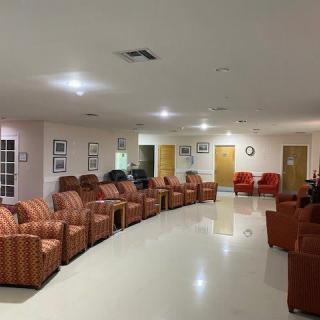
 Dining room
 Fully furnished
 Garden
 Housekeeping services
 Move-in coordination
 Outdoor space
 Telephone
 Wi-Fi/high-speed internet available
 Fort Lauderdale-Hollywood International (4 miles away)
 24-hour supervision
 Activities of daily living assistance
 Assistance with bathing
 Assistance with dressing
 Assistance with transfers
 Diabetes diet
 Meal preparation and service
 Medication management
 Special dietary restrictions
 Transportation arrangement (medical)
 Transportation to doctors appointments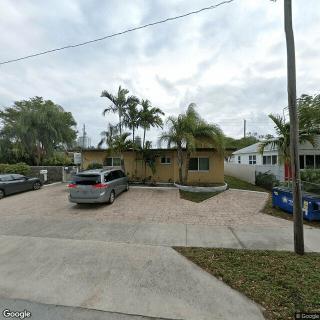



 When to Transition from Assisted Living to Memory Care: Key Indicators, Steps, and Finding the Right Community
 Assisted Living and Memory Care: Understanding Their Core Differences
 Beyond the Bingo Hall: 50+ Enriching Activities for Seniors in Assisted Living