

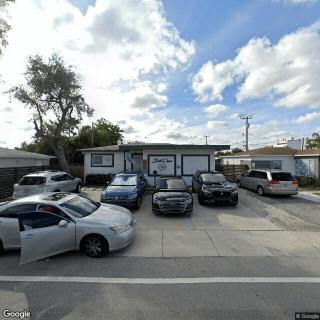
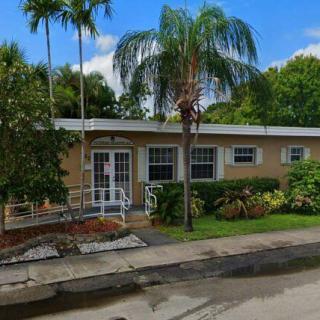
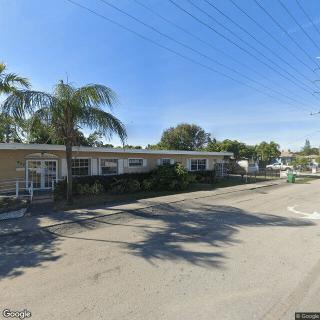
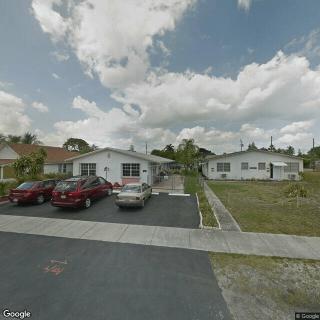
2144 Lincoln St, Hollywood, FL 33020
For more information about senior living options: (866) 208-4318
Overall Review of Lincoln Manor
Pros
 The facility’s staff are top notch, and each resident is cared for as if they were their own family.
- There is excellent professional care and wonderful staff, providing a clean and safe environment with a community atmosphere.
- The owners are family-oriented with strict guidelines.
- The residents are treated with kindness, are very friendly, and are encouraged to talk with staff and ask questions about placement.
Cons
 The receptionist was extremely rude and hung up on them multiple times, preventing contact with the admin.
- The caller in another state could not resolve the issue because they were not connected to the admin.
- They were not given the mail for their family member, and all medical bills were sent to collections.
- Mistreatment of the elderly was alleged.
- Pest insects were found in the rooms.
- The workers were described as being in poor general terms, with no qualified personnel.
- Management is terrible.
Review
Lincoln Manor in Hollywood, FL is best suited for families seeking a small, homey feel with visibly attentive caregiving and a community-oriented environment. The strongest argument for this community is the on-the-ground care: staff who appear dedicated, residents who are treated with kindness, and a clean, safe setting described as family-friendly by several reviewers. It appeals to families that want a hands-on, personal touch from caregivers and a home-like atmosphere where staff strive to know each resident well and maintain a close-knit, neighborly vibe. This is not a cookie-cutter facility; it emphasizes personal attention and a shared, family feel that can make transitions smoother for seniors who resist impersonal, large-scale operations.
The key positives center on care quality and atmosphere. Reviewers repeatedly highlight professional care delivered by a committed staff and a clean, safe environment with a welcoming, community-oriented tone. The owners are described as family-focused with clear guidelines, and the overall impression is that residents are valued and treated as part of a family. When functioning well, this dynamic translates into frequent opportunities for social engagement, reassurance for anxious family members, and a perception that daily routines are managed with genuine concern for well-being. For families prioritizing warm caregiver-resident interactions and a sense of belonging, Lincoln Manor delivers meaningful benefits.
Yet the cons are not easily ignored. Administrative friction stands out: a consistently reported rude reception experience, difficulty contacting the administrator, and breakdowns in communication that leave families feeling stranded, precisely when timely coordination is critical. Billing and mail mishaps compound the risk, with accounts sometimes sliding toward collections and important documents going astray. Beyond administration, there are serious red flags raised in multiple reviews: allegations of mistreatment of residents, pest problems in rooms, and sweeping statements about poor staffing quality and management. Taken together, these issues suggest an environment where frontline care may be solid, but organizational reliability and governance can undermine the overall safety and peace of mind for families.
The pros offset the cons only to a degree. When staff are attentive and residents are treated with kindness, that direct caregiving can blunt some concerns about staying connected and feeling cared for day-to-day. However, the persistent administrative gaps and the more severe allegations about mistreatment and pest control significantly erode trust and raise questions about risk management and accountability. In practical terms, the strong personal care can mitigate worry about daily routines and companionship, but ongoing billing issues, communication failures, and reports of improper or unsafe conditions tend to counterbalance those benefits. For families weighing these tradeoffs, the decision hinges on which factors carry more weight: the quality of direct care and the warmth of the community, or the reliability of administration and the overall governance of the facility.
When evaluating Lincoln Manor, several concrete steps can clarify fit. Schedule a tour and request to meet the administrator and the director of nursing; ask how transport coordination works and who handles service requests when office lines are busy. Probe the billing process: how notices are delivered, how debts are collected, and what documentation accompanies charges. Inquire about pest control protocols, frequency of room inspections, and what actions are taken if a resident reports discomfort or mistreatment. Talk to current residents or family members about communication transparency, regular updates from staff, and how quickly concerns are addressed. Finally, demand a clear, written policy on safeguarding resident rights and a documented escalation path for complaints. This diligence will illuminate not only day-to-day operations but the institution’s capacity to repair gaps when they appear.
The bottom-line recommendation is clear. Lincoln Manor is a viable fit for families prioritizing care quality and a warm, community-oriented environment, provided that administration and governance do not take a back seat to care. For those who prize seamless communication, transparent billing, and strong oversight, where concerns about staff conduct, pest control, and handling of grievances would be non-negotiable, serious consideration should be given to alternatives with a cleaner track record on management reliability. In other words, this community can deliver on daily care and companionship, but its appeal rests on whether administrative reliability and resident rights protections rise to the same standard as the caregiving itself.
 Active Adult Communities (55+)
 Fort Lauderdale-Hollywood International (4 miles away)




 Urinary Tract Infections in Older Adults: Comprehensive Insights on Symptoms, Treatment, and Prevention
 California's Form 602A: An In-Depth Examination of Senior Care Assessment
 Comprehensive Look at Senior Blood Pressure Charts: Normal and Elevated Levels by Age