
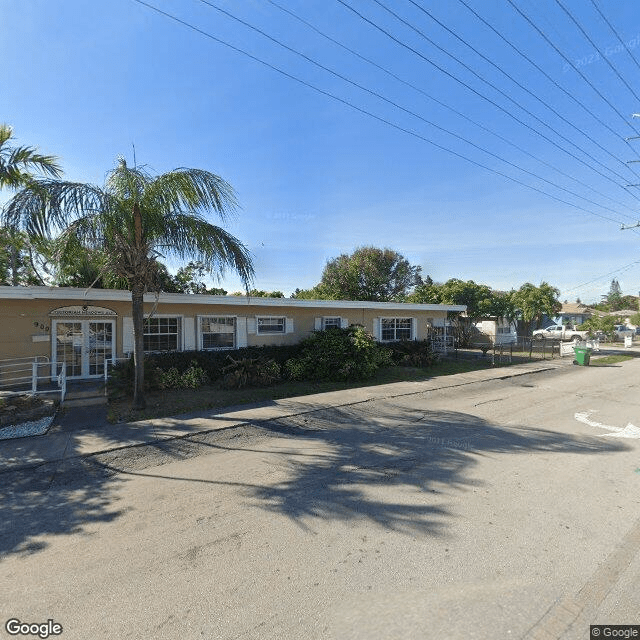
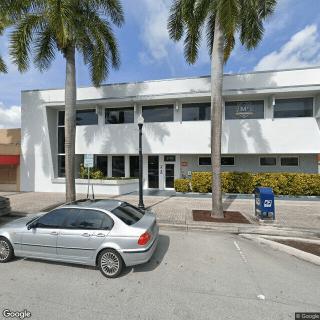
900 North 24th Avenue, Hollywood, FL 33020
For more information about senior living options: (866) 208-4318
Victorian Meadows Residence Costs & Pricing
Victorian Meadows Residence offers competitive pricing for its accommodations compared to the broader market in Broward County and the state of Florida. For those seeking semi-private rooms, Victorian Meadows charges $2,500 per month, providing a cost-effective alternative to the county average of $2,902 and the state average of $3,009. Private rooms are priced at $3,000, which is notably lower than both the county's average of $3,725 and the state's $3,699. Similarly, their one-bedroom units also reflect this trend with a rate of $3,000 compared to Broward County's average of $3,651 and Florida's overall average of $3,864. Overall, Victorian Meadows Residence stands out as an appealing choice for residents looking for quality living arrangements while benefiting from considerable savings relative to neighboring options.
| Floor plans | Victorian Meadows Residence | Broward County | Florida |
|---|---|---|---|
| Semi-Private | $2,500 | $2,902 | $3,009 |
| Private | $3,000 | $3,725 | $3,699 |
| 1 Bedroom | $3,000 | $3,651 | $3,864 |
Memory care communities with a similar price nearby
-
from -$100 / mo
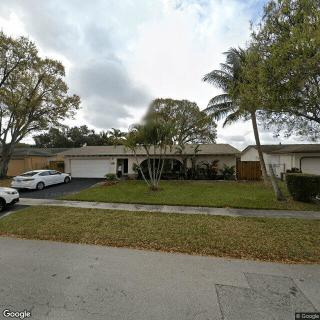
Ana's Assisted Living Facility
$2,400 / month6.9 miles away -
About the same
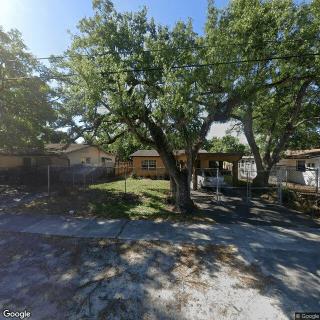
Anne Adult Family Care Home
$2,500 / month6.1 miles away -
from -$280 / mo

Miami Jewish Home & Hospital for the Aged
$2,220 to $7,500 / month13.7 miles away -
from -$200 / mo
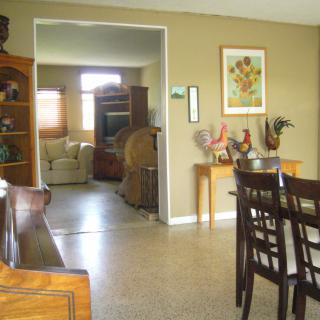
La Caridad Del Cobre ALF
$2,300 to $3,000 / month20.7 miles away -
from +$200 / mo
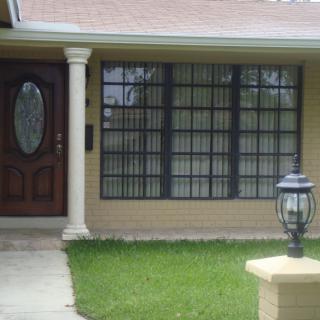
Flamingo Assisted Living
$2,700 to $4,500 / month8.0 miles away
Overall Review of Victorian Meadows Residence
Pros
 The facility feels like a home away from home, with cleanliness and care that make residents feel like family.
- The staff provide top-notch care and are described as being like family.
- The facility is impeccably clean, and security is a priority.
- The owner is super nice and respectful, and residents are treated with genuine care.
- Meals are prepared from scratch daily, reflecting attention to residents’ nutrition.
- The environment is bright, with kind staff and engaging activities for residents.
- The smaller community offers attentive care and a supportive atmosphere.
- Reviewers would highly recommend this facility to others.
Review
Victorian Meadows Residence in Hollywood, FL is best suited for seniors who want a warm, home-like assisted living experience where care feels intimate and personal. The reviews consistently describe a setting that operates more like a family environment than a cold institutional facility: a place where residents are treated with genuine kindness, routines feel predictable and safe, and cleanliness and security are visibly prioritized. This is the type of community that appeals to families seeking daily reassurance, where staff familiarity, a quiet pace, and close-knit interactions help aging loved ones settle in and feel at ease quickly. The strong impression is of a small, manageable home rather than a large campus, which makes it well-suited for residents who value individualized attention over a broad, impersonal menu of services.
Those who may want to consider alternatives include families seeking a more expansive campus with a wider array of medical resources, more diverse staffing, or a robust, nightlife-grade activity calendar. The reviews highlight a distinct preference for female caregivers, which can be a meaningful consideration for families who want male or mixed-gender staffing. For residents requiring intensive clinical oversight, memory-care specialization, or a broader continuum of care on-site, this community may feel limited by its intimate size. In such cases, a larger facility with more extensive medical partnerships and specialized programs could better align with needs, especially if 24/7 skilled nursing or advanced dementia care is anticipated.
The primary strengths, exceptional caregiving warmth, a home-like atmosphere, pristine cleanliness, and tight security, do the heavy lifting in offsetting the few potential drawbacks. Caregivers are described as treating residents like family, a dynamic that translates into reliable daily interaction, timely assistance, and a reassuring sense of belonging. The emphasis on a clean, bright environment reinforces comfort and reduces stress for seniors who value dignity and routine. Security being a priority adds a layer of peace for families who worry about access control and supervision. While the smaller scale may limit some services, the upside is a consistently attentive staff who know residents’ preferences, routines, and personalities well, which often translates into a smoother day-to-day experience.
Another consistently noted benefit is the daily meal program, with meals prepared from scratch, alongside meaningful engagement options. Such attention to nourishment and activity supports both physical well-being and social vitality, which can be decisive for families balancing meals, medication schedules, and meaningful interaction. The staff’s “like family” characterization resonates in the way activities are described, participation is encouraged, and residents reportedly enjoy a sense of companionship and purpose. The smaller community size, paired with careful programming, makes participation more feasible for many residents, reducing the feeling of being lost in a large crowd and enabling genuine connections with peers and caregivers.
From a practical standpoint, the balance of advantages, care that feels personal, a clean and secure living space, and homelike daily routines, often offsets the potential limitations of size and scope. The trade-off centers on whether needs extend beyond the capacity of a small operation. For families prioritizing warmth, trust, and consistent daily engagement, Victorian Meadows Residence delivers a compelling value proposition. For those who must plan around anticipated medical intricacies, male caregiver presence, or a broader continuum of care on-site, it is prudent to explore alternatives that offer greater clinical depth or staffing variety.
In the end, the decision hinges on alignment of needs and expectations. If a resident thrives on personal attention, predictable routines, and a strong sense of community within a compact setting, Victorian Meadows Residence stands out as a prudent, responsible choice. Prospective families should schedule visits to gauge the feel of the space, inquire about staffing ratios and gender mix, and verify that the available programming matches the resident’s interests. For those whose requirements lean toward more extensive medical oversight, mixed-gender caregiver teams, or a larger, more varied campus, exploring other options will protect against compromising long-term quality of life.
 8 resident community capacity
 Assisted Living
 Board and Care Home
 Memory Care
 Activities off-site
 Beautician on-site
 Cable or satellite TV
 Devotional services off-site
 Dining room
 Fully furnished
 Garden
 Housekeeping services
 Indoor common areas
 Kitchenette
 Move-in coordination
 Outdoor common areas
 Private
 Private bathrooms
 Respite or short term stays offered
 Telephone
 Wi-Fi/high-speed internet available
 Fort Lauderdale-Hollywood International (4 miles away)
 24-hour call system
 Ambulatory care
 Assistance with bathing
 Assistance with dressing
 Assistance with transfers
 Diabetes diet
 Diabetic care
 High acuity care
 Incontinence care
 Meal preparation and service
 Medication management
 Mental wellness program
 Special dietary restrictions
 Transportation arrangement (medical)
 Transportation to doctors appointments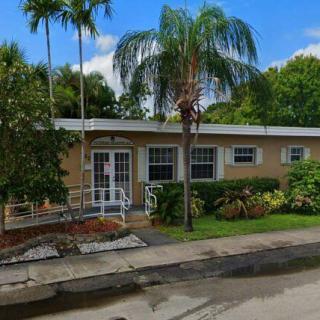

 A Detailed Exploration of Assisted Living Medicaid Waivers Across the United States
 Exploring the Contrasts Between Assisted Living and Skilled Nursing
 Vibrant Senior Living: A Comprehensive Guide for Active Older Adults