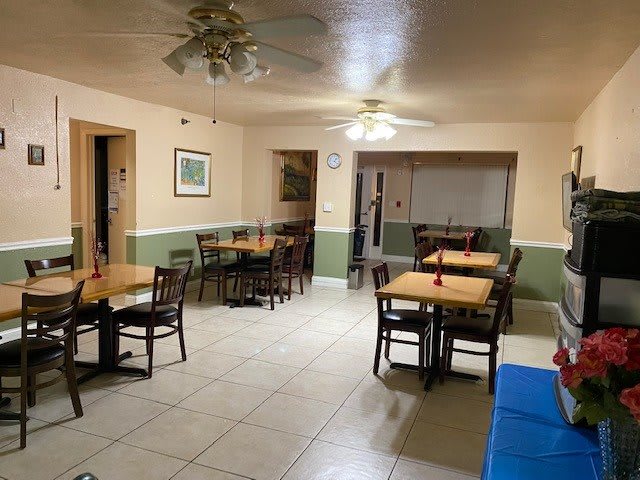
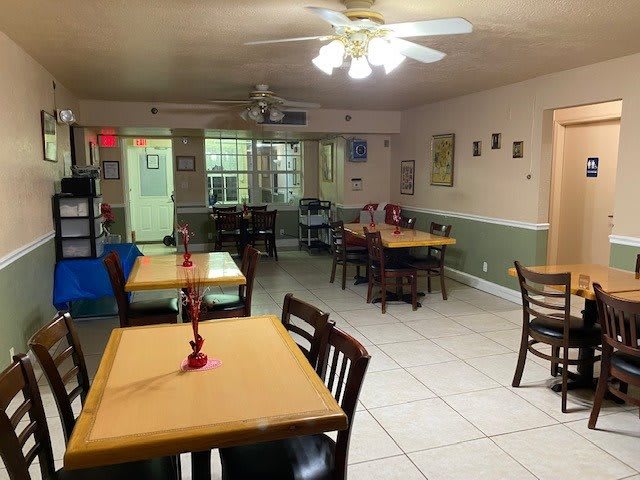
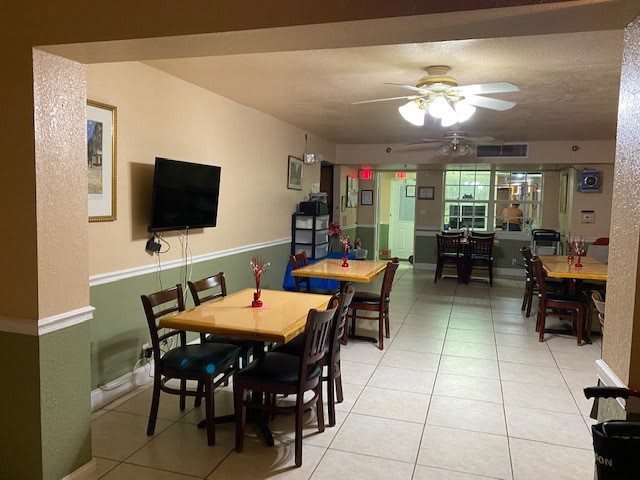
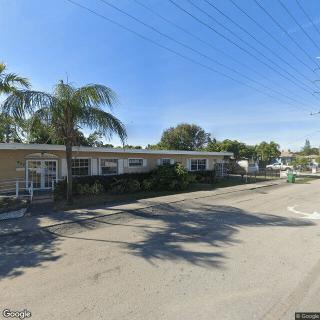
1845 Garfield St, Hollywood, FL 33020
To contact a resident: (954) 921-1819
For more information about senior living options: (866) 208-4318
Sunny Days Assisted Living Costs & Pricing
Sunny Days Assisted Living offers competitive pricing across its room types when compared to the broader market in Broward County and the state of Florida. For semi-private rooms, costs range from $2,400 to $3,384, which is notably lower than the county average of $2,902 and state average of $3,009. The studio option is priced at $2,600, significantly more affordable than both Broward County's average of $3,601 and Florida's overall average of $3,823. However, the private rooms are priced at $4,060, which is somewhat higher than the county's average of $3,725 and the state's average of $3,699. Overall, Sunny Days Assisted Living presents a compelling value for semi-private and studio accommodations while remaining consistent with private room pricing within the region.
| Floor plans | Sunny Days Assisted Living | Broward County | Florida |
|---|---|---|---|
| Semi-Private | $2,400 to $3,384 | $2,902 | $3,009 |
| Studio | $2,600 | $3,601 | $3,823 |
| Private | $4,060 | $3,725 | $3,699 |
Assisted Living communities with a similar price nearby
-
About the same
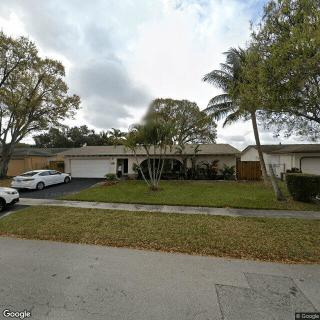
Ana's Assisted Living Facility
$2,400 / month7.5 miles away -
from -$400 / mo
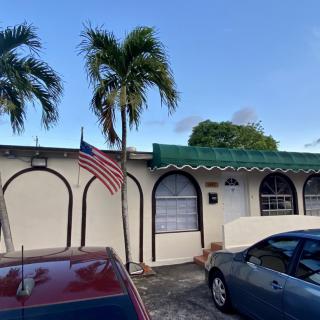
Care and Love Retirement Home
$2,000 to $2,500 / month14.7 miles away -
from -$180 / mo
Miami Jewish Home & Hospital for the Aged
$2,220 to $7,500 / month14.0 miles away -
from +$300 / mo
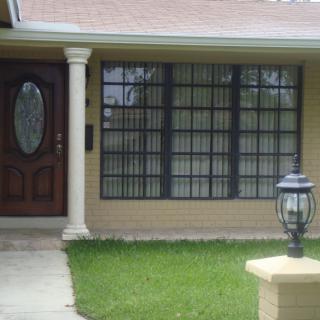
Flamingo Assisted Living
$2,700 to $4,500 / month8.1 miles away -
from -$400 / mo
Tender Touch Home Care
$2,000 to $3,000 / month5.6 miles away
Overall Review of Sunny Days Assisted Living
Pros
 Sunny Days provides essential care, earning trust from families.
- The staff are very helpful and polite.
- The food is very good.
- The overall service is great.
- The facility keeps families updated with regular contact.
- The atmosphere is warm, welcoming, and feels like a close-knit community.
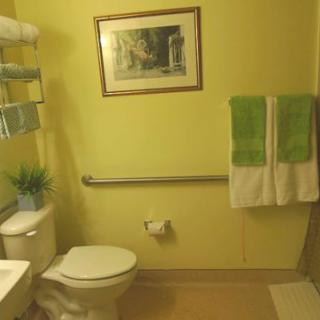
- Residents have lovely rooms with private baths, and the facility is clean and well maintained.
- The Executive Director is amazing, and the staff are friendly and caring.
Cons
 They describe the comments as very unprofessional and outdated.
- They claim residents have lice in their hair.
- They state the food provided to residents is horrible.
- They question why the state does nothing about this.
Review
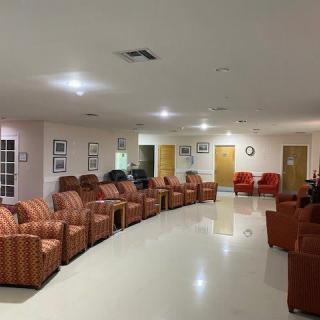
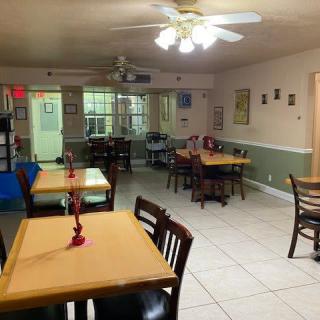
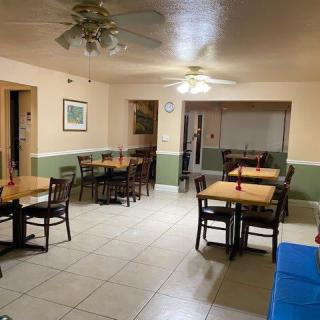
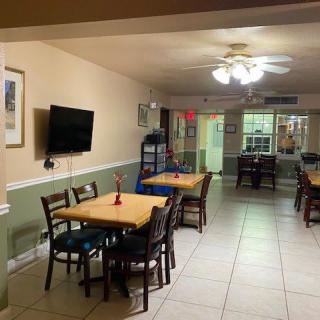
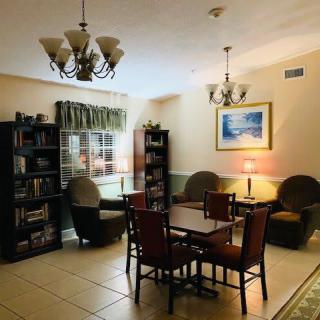
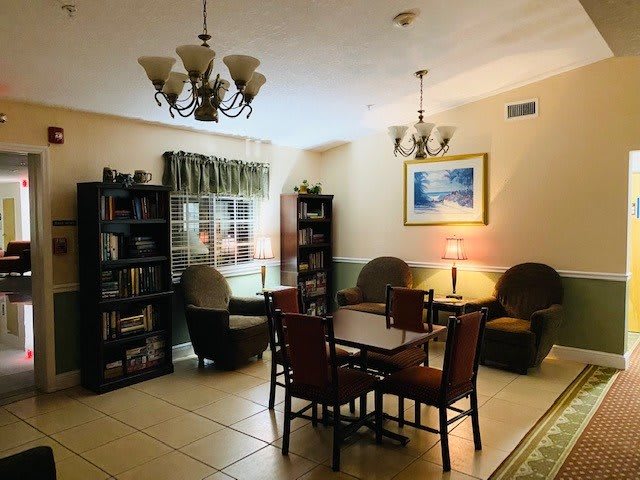
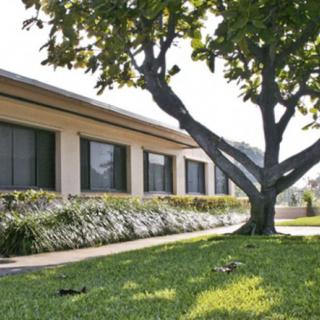
Sunny Days Assisted Living in Hollywood, Florida is best suited for families seeking a warm, intimate, and family-like environment where residents are treated as individuals and staff maintain personal, ongoing relationships. The community’s strongest appeal is its homelike atmosphere: small, well-kept spaces, private baths, and a palpable sense of belonging. Families pursuing regular communication, hands-on staff involvement, and opportunities to participate in care and activities will find Sunny Days a natural fit. The reviews consistently highlight a caring, friendly staff, clean facilities, and a layout that supports a close-knit feel, all of which translate into tangible daily reassurance for loved ones who fear being lost in a large, impersonal campus.
Those who may want to consider alternatives are families prioritizing a more clinical or highly specialized setting. If rigorous memory-care security, advanced medical oversight, or a larger, more program-driven campus is non-negotiable, look elsewhere. A few reviews flag concerns about hygiene and food quality, underscoring the need for careful scrutiny of sanitation practices and meal service. For residents with pronounced medical complexity or those who require consistent, highly structured programming, a larger operator with dedicated clinical staff and formalized protocols might deliver greater peace of mind. In short, Sunny Days excels as a home-like option, but it may not satisfy every standard for every level of care.
On the upside, the staff emerges as the strongest differentiator. Reviewers repeatedly praise the warmth, helpfulness, and reliability of caregivers, as well as the administrative leadership and team stability. Families report meticulous medication management, responsive updates, and a culture of kindness that makes residents feel seen and valued. The facility’s maintenance and cleanliness receive frequent compliments, and the atmosphere comes across as cheerful and welcoming. Activities, social engagement, and opportunities for family volunteers contribute to a sense of daily purpose and belonging, helping residents settle into a routine that feels less institutional and more like a supportive community.
Still, the unfavorable feedback cannot be dismissed. A small but vocal segment of reviewers describes serious hygiene and nutrition concerns, including allegations about pests and subpar meals. These points, while not universal, warrant careful consideration. They suggest that sanitation protocols, kitchen oversight, and quality control should be verified during tours and discussions with leadership. Potential residents should ask for current inspection results, a live tour of the kitchen, and a sample menu to gauge whether dining meets individual expectations. Given the mixed ratings, prospective families should approach with a precise set of questions and a demand for transparency in daily operations.
The balance of pros and cons hinges on how much value is placed on the proven warmth of staff, the intimate, home-like setting, and ongoing family involvement versus the risk signals raised by hygiene and dining critiques. For families prioritizing personal attention, clear communication, and a supportive community where staff consistently know residents’ preferences, Sunny Days offers a compelling match. The responsive nature of the leadership and the documented caregiver dedication help offset occasional operational concerns by providing a reliable, person-centered experience that many families actively seek.
Actionable next steps for decision-makers are clear. Schedule a in-person tour at different times to observe interactions, ask to meet the Executive Director and care team, and request current occupancy metrics and staffing ratios. Request recent sanitation certifications and a demonstration of meal service, including room-for-diet accommodations and allergen controls. If possible, arrange a short trial stay to evaluate daily routines, nursing oversight, and the responsiveness of the care team in real time. If such checks align with preferences for a cozy, neighborly setting and reassurance from visibly engaged staff, Sunny Days stands as a strong, practical option worth embracing. If the emphasis remains on clinical rigor, larger-scale programming, or uncompromising dining standards, alternatives may better meet those expectations.
 Studio apartments
 Assisted Living
 Activities on-site
 Air-conditioning
 Beautician on-site
 Cable or satellite TV
 Computer center
 Devotional services off-site
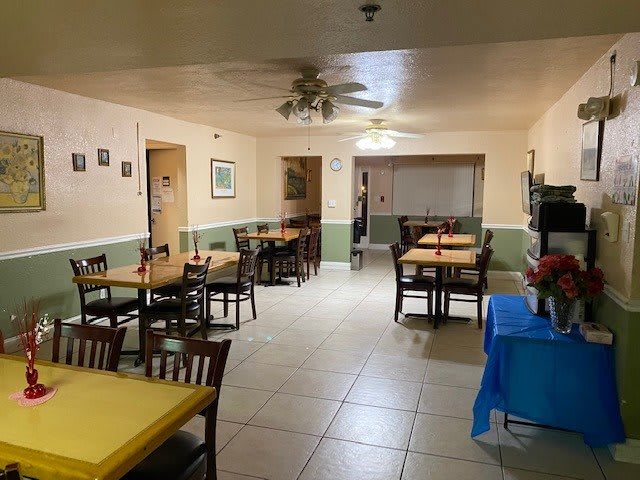
 Dining room
 Financing advice
 Garden
 Ground floor units
 Guest parking
 Housekeeping services
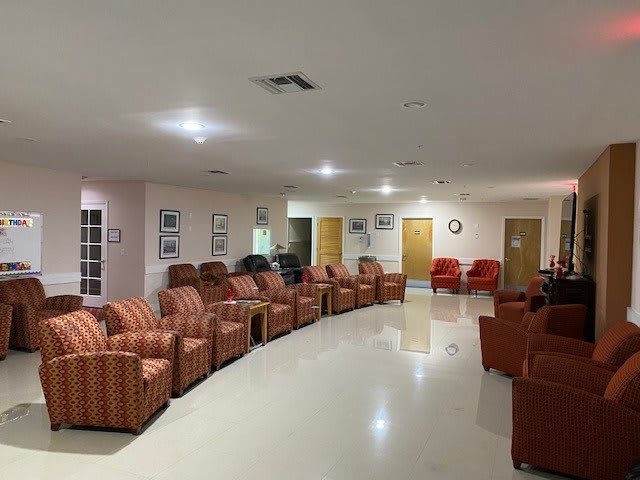
 Indoor common areas
 Laundry
 Outdoor common areas
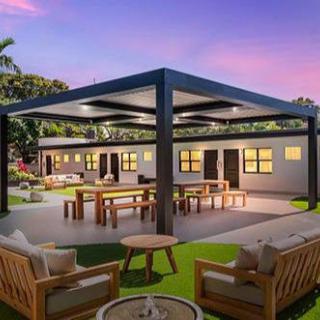
 Party space
 Private bathrooms
 Respite or short term stays offered
 Wheelchair accessible showers
 Wi-Fi/high-speed internet available
 Fort Lauderdale-Hollywood International (4 miles away)
 Ambulatory care
 Hospice care
 Incontinence care
 Medication management
 Physical therapy
 Diabetes diet
 Low / no sodium
 Art classes
 Book club
 Cooking club
 Educational speakers / life long learning
 Fitness programs
 Games
Games Happy hour
 Live musical performances
 Stretching classes
 English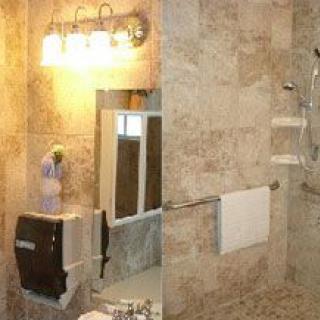

 An Extensive Exploration of the VA Aid and Attendance Benefit
 Senior Transition Services: Understanding Their Role, Cost, and Importance
 Exploring the Path to Senior Living: A Comprehensive Look at Independent Living and Assisted Living