
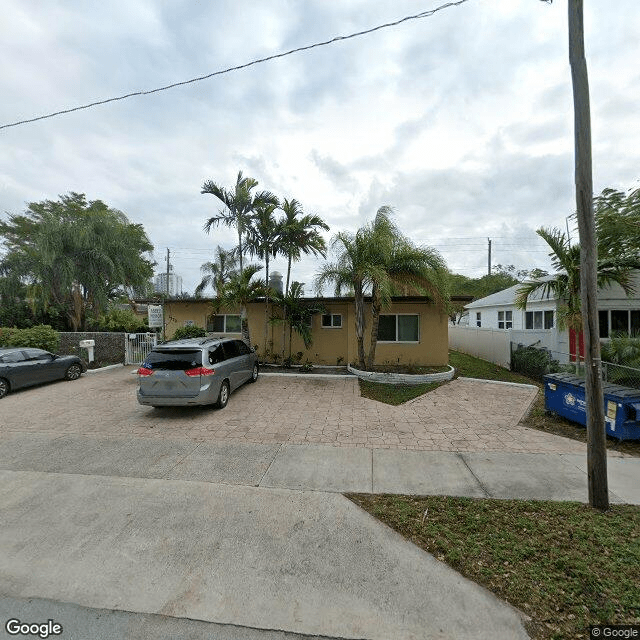
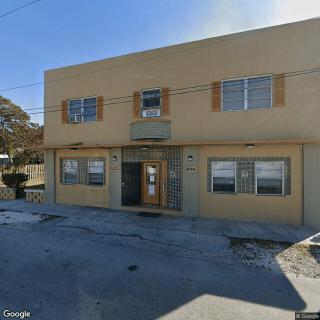
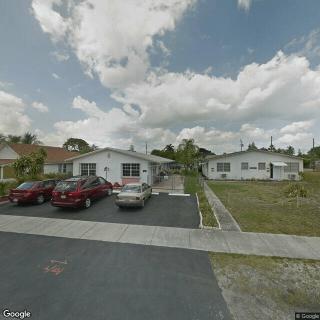
1930 Lincoln St, Hollywood, FL 33020
To contact a resident: (954) 923-1354
For more information about senior living options: (866) 208-4318
Abbey Manor Costs & Pricing
Abbey Manor offers a notably cost-effective option for seniors seeking assisted living accommodations, particularly in comparison to the broader market in Broward County and across Florida. For instance, the monthly fee for a semi-private room at Abbey Manor is just $1,000, significantly lower than the county average of $2,902 and the state average of $3,009. Similarly, those opting for a private room will find Abbey Manor's rate of $2,500 to be more attractive than both Broward County's average of $3,725 and Florida's statewide average of $3,699. This pricing structure positions Abbey Manor as an appealing choice for families looking for quality care without breaking the bank.
| Floor plans | Abbey Manor | Broward County | Florida |
|---|---|---|---|
| Semi-Private | $1,000 | $2,902 | $3,009 |
| Private | $2,500 | $3,725 | $3,699 |
Senior living communities with a similar price nearby
-
About the same
Buddy's Place MG
$1,000 / month10.8 miles away -
from -$100 / mo

Upside Davie
$900 to $3,500 / month5.8 miles away -
from -$100 / mo
My Bells ALF
$900 to $2,700 / month19.4 miles away -
from -$100 / mo
Garden Valley Retirement Home
$900 to $1,500 / month13.7 miles away -
from +$100 / mo
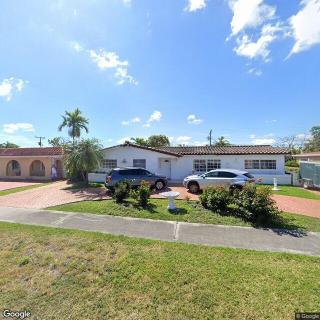
Molina's Adult Care
$1,100 to $1,600 / month22.2 miles away
Overall Review of Abbey Manor
Pros
 She loved everyone—from the owners to the staff.
- She always had great things to say about everything.
- The owners and staff took excellent care of her.
Review
Abbey Manor in Hollywood, Florida, is best suited for families seeking a small, hands-on assisted living where owners and frontline staff form meaningful relationships with residents. The setting feels intimate rather than institutional, with a culture that centers warmth, continuity, and attentive care. When a resident’s day-to-day experience hinges on caregivers who know them by name and on familiar faces at meals and activities, Abbey Manor delivers. This is a place that rewards residents who value steady routines, a sense of belonging, and reliable, personal attention over a bustling, resort-like atmosphere. In short, Abbey Manor serves those prioritizing relational care and a home-like vibe.
However, this setting is best weighed against alternatives for residents with high medical needs, complex memory care requirements, or expectations of robust campus-scale resources. The two-reviewed ratings, including a low one-star score, signal variance in experience and suggest outcomes may hinge on individual staff dynamics and supervisory engagement. Families should consider whether a smaller, owner-operated model can sustain the level of medical oversight, programming variety, and reliability that some residents require. For seniors needing intensive rehabilitation, frequent clinician visits, or a broad spectrum of on-site services, larger or more specialized communities may offer clearer continuity and more predictable outcomes.
On the plus side, the strongest asset is the people: owners and staff who are genuinely caring, accessible, and invested in residents’ well-being. The most telling endorsement, that a mother-in-law “loved everyone from the owners to the staff” and received “great care”, points to a culture where caregivers know residents intimately and respond with nurturance rather than formality. That relational atmosphere can offset traditional drawbacks associated with smaller facilities, such as limited programming or fewer dining options, by delivering high-quality, individualized attention, immediate concern for safety, and steady advocacy on a resident’s behalf. For families who value trust built through direct interactions with leadership, Abbey Manor delivers.
Still, the limited review base brings risk. A rating of 3, with one high and one low experience, makes it difficult to forecast consistency. The key caveat is the lack of published details on staffing levels, care plans, meal quality, activity schedules, and pricing inclusions. In a setting this small, daily operations can swing with turnover or shifts, and a single disruptive incident can color overall impressions. Prospective residents should probe for concrete information: caregiver-to-resident ratios, training and supervision structures, memory-care options (if needed), and contingencies when staff are unavailable. Without clarity, the warmth may not translate into reliable day-to-day care.
When the pros align with real-world expectations, Abbey Manor’s smaller scale and personal ethos can offset potential cons by delivering dependable, attentive care in a respectful, home-like atmosphere. The genuine connection between residents and caregivers can reduce the risk of miscommunication and foster quicker problem resolution. Yet the bottom line depends on ongoing, transparent operations and consistent staffing. Families should leave with a clear understanding of what is promised, what is not, and how the facility will handle evolving needs. If those conversations aim for measurable assurances, Abbey Manor becomes a compelling choice for the right resident.
In deciding, families who want a warm, relationship-driven environment should place Abbey Manor on the short list, especially if a close-knit community feel and direct access to owners are priorities. Those seeking a more comprehensive care continuum, more formal programming, or greater scale may prefer alternatives that demonstrate steadier metrics and broader resource pools. The practical next steps are straightforward: arrange a multi-staff tour, meet the owners, speak with current residents’ families, request a detailed care plan and pricing breakdown, and verify memory-care capabilities if applicable. With careful due diligence, Abbey Manor can be a strong fit for the right senior, delivering comfort and connection that often beats more impersonal settings.
 Board and Care Home
 Private
 Fort Lauderdale-Hollywood International (4 miles away)
 Diabetic care
 Incontinence care




 Understanding Home Health Care: A Comprehensive Guide
 Home Health Care Demystified: A Comprehensive Guide for Families and Caregivers
 Seniors and Modern Transportation: Exploring Uber, Lyft, and Other Ride-Hailing Options