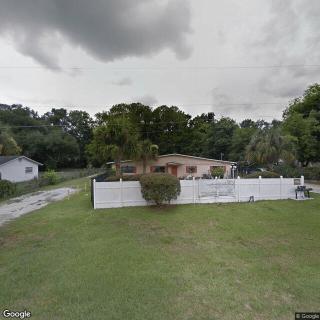
Meridian Behavioral Healthcare in Gainesville, FL

Information last verified:

3010 South West 35Th Place, Gainesville, FL 32608

For more information about senior living options: (844) 490-3973

3.1 from 18 reviews
5 stars
7
4 stars
2
3 stars
2
2 stars
0
1 stars
7

Overall Review of Meridian Behavioral Healthcare

Pros

  • pro Cathy is described as an absolute angel, loving and kind when it is needed, and providing strong support.
  • pro Cathy made the patient feel they had a lot of support.
  • pro The night nurse is wonderful.
  • pro Life-changing opportunities were described.
  • pro The counselors don’t judge and help people even if they can’t pay for services.

Cons

  • pro The staff failed to address the TBI as a factor in the mental health decline, leading to seven years of being prescribed the wrong medication.
  • pro The facility held patients for too long, causing weight gain and fatigue that hindered reintegration into society.
  • pro The therapy encounter involved sexual harassment by a female therapist, with supervisors aware and engaging in harassment.
  • pro Interactions with nurses toward the patient’s mother were utterly disgusting, disrespectful, and extremely rude.
  • pro The nurses were lazy, rolled their eyes, scoffed, and dismissively claimed they would handle things later.
  • pro The place was described as horrible and disgusting for those who need its services.
  • pro The reviewer would avoid this facility for their loved ones again and would seek care elsewhere.
  • pro Staff unfamiliar with the intake procedure denied access and claimed they do not provide the requested care due to distance.
  • pro The nighttime staff were rude, disrespectful, and uncaring, causing the patient to stay only one night.
  • pro Staff ignored the patient at the window, continued eating and talking, and were deemed fit for firing for mistreating patients.
  • pro The facility was described as a disservice with ridiculous waiting times.

Review

This Gainesville facility is best suited for adults who need integrated behavioral health care with ready access to counseling and social services, and who can tolerate a mixed front-line experience in exchange for a broad service network. The program serves those grappling with trauma, mood disorders, and substance-use challenges who value practical support from therapists and case managers that can extend beyond stabilization. It can work for families willing to stay engaged and advocate for timely information, facilitated by the social services arm. Those seeking a consistently smooth intake, pristine day-to-day operations, or a highly trauma-informed environment with uniformly respectful staff may be disappointed. In short, the center covers a pragmatic niche: care coordination and ongoing support are available, but execution across shifts and teams is uneven, sometimes compromising the overall experience.

Several staff members stand out as real anchors. A nurse named Cathy consistently earns praise for warmth and reliability, providing a human touch when it is most needed. The night nurse is described as compassionate, contributing a steady presence through overnight hours. The counseling team, when engaged, is noted as nonjudgmental and accessible, helpful for clients who need to disclose painful issues without fear of scorn. Social services are acknowledged for helping secure resources and for offering assistance even when payment concerns arise, which can be a lifeline for families navigating coverage and eligibility. These genuine moments of care create lifelines for clients managing long-term recovery and ongoing therapy, and they demonstrate that compassion is present in the system, even if it is not evenly distributed.

However, the negatives pull hard against those positives. The most troubling pattern is a sense of disrespectful, occasionally dismissive frontline staff, particularly among nurses and intake personnel, which erodes trust when information is most critical. Serious allegations of sexual harassment by a therapist, and the perception that leadership did not respond swiftly or effectively, cast a long shadow over safety and confidence in the program. Reports of extended waits for information, and denials of access due to procedural gaps, suggest a processing bottleneck that leaves families guessing about next steps. Facility conditions described as dirty floors and unresponsive staff during urgent needs contribute to a feeling that patient comfort is secondary to throughput. Night staff issues, including perceived indifference to basic needs like water or shoes, reinforce a pattern of care that can feel punitive rather than supportive.

These cons do not vanish simply because a handful of staff members shine. The core advantage, real, accessible counseling and social work support, becomes less compelling when the operational fabric yields long stays without clear goals, poor discharge planning, and a lack of structured activities that help patients re-enter daily life. The absence of a gym and a robust physical-activity program is a notable gap for long-term residents, contributing to weight gain and fatigue that stall progress back into society. In short, the strengths are real but fragile; they hinge on consistent, respectful, and well-coordinated care that current reports suggest is not reliably in place across all shifts and departments, undermining the overall trajectory of recovery.

For families weighing options, alternatives should be considered if the priority is predictable service quality, meticulous intake processes, and a consistently respectful care culture. Private outpatient clinics or hospital-based behavioral health programs may deliver more reliable oversight and safer, more responsive environments. If a stay is necessary, insist on a clear, documented care plan with assigned case-management oversight, a transparent intake protocol, and explicit escalation channels for harassment or safety concerns. Those seeking robust rehab or addiction programs might prefer facilities with stronger accreditation records and more active family engagement. Meridian can be a legitimate entry point for care, but only if the family is prepared to monitor care actively and push for timely, respectful interactions.

Anyone evaluating this community should approach with a concrete plan: request a formal tour focused on patient flow, intake responsiveness, and safety protocols; ask to meet a case manager and a nurse; obtain copies of patient rights policies and the harassment reporting procedures; and speak with current or former clients about daily life, not just outcomes. The decision should hinge on whether reliable access to nonjudgmental counseling and social work support can be sustained against the backdrop of inconsistent staff interactions and ongoing operational gaps. If alignment exists, Meridian offers meaningful opportunities for change; if not, pursuing alternatives that promise steadier care and safer daily operations should be pursued without hesitation.

Features

Housing

  • 8 resident community capacity 8 resident community capacity

Types of Care

  • Assisted Living Assisted LivingAssisted living facilities provide crucial support and care for seniors who may need help with daily tasks such as medication management, bathing, and meal preparation. These communities offer a safe and comfortable environment where seniors can maintain their independence while receiving the assistance they need to thrive in their golden years.

Amenities

  • Cable or satellite TV Cable or satellite TVCable or satellite TV is important for seniors because it provides entertainment, news, and companionship, helping to combat loneliness and boredom. It also offers a wide range of programming options tailored to different interests and preferences.
  • Dining room Dining roomDining rooms are important for seniors as they provide a space for socialization, connection, and nutritious meals. They offer opportunities for residents to bond over shared meals, foster a sense of community, and promote healthy eating habits. Dining rooms also ensure that seniors have access to well-balanced meals tailored to their dietary needs and preferences.
  • Fully furnished Fully furnishedFully furnished senior living communities are important for seniors because they provide convenience, comfort, and a hassle-free moving experience. Seniors can easily settle into their new living space without the stress of having to buy and move furniture. This allows them to focus on enjoying their new home and community.
  • Garden GardenGardens are important for seniors as they provide a peaceful and therapeutic environment for relaxation, physical activity, and socialization. Being in nature has been shown to reduce stress, improve mood, and promote overall well-being. Gardens also offer opportunities for seniors to engage in gardening activities, which can improve mobility, flexibility, and cognitive function. Additionally, gardens create a sense of community and connection with others who share a passion for plants and outdoor spaces.
  • Housekeeping services Housekeeping servicesHousekeeping services are important for seniors because they help maintain a clean and safe living environment, promote independence, and reduce the risk of accidents or illnesses. Additionally, having assistance with household chores can alleviate physical strain and allow seniors to focus on other aspects of their well-being.
  • Move-in coordination Move-in coordinationMove-in coordination is important for seniors because it helps ease the transition into their new living environment. It ensures that all logistics, such as packing, organizing movers, and setting up utilities are taken care of, allowing seniors to focus on settling in and adjusting to their new home. Having a smooth move-in process can alleviate stress and anxiety, making the transition smoother and more enjoyable for seniors.
  • Outdoor space Outdoor spaceOutdoor spaces are important for seniors as they provide opportunities for physical activity, social interaction, exposure to natural light and fresh air, and a sense of connection to nature. Having access to outdoor spaces can improve overall well-being and quality of life for older adults living in senior communities.
  • Telephone TelephoneTelephones are important for seniors as they provide a lifeline for communication with loved ones, emergency services, and healthcare providers. They offer a sense of security and independence, enabling seniors to stay connected and access assistance when needed.
  • Wi-Fi/high-speed internet available Wi-Fi/high-speed internet availableWi-Fi/high-speed internet is important for seniors to stay connected with loved ones, access online resources, and participate in virtual activities to combat feelings of loneliness and isolation. It also allows them to easily manage healthcare needs, access entertainment, and engage in lifelong learning opportunities.

Transportation

  • Gainesville Regional (8 miles away) Gainesville Regional (8 miles away)

Care Services

  • 24-hour supervision 24-hour supervision24-hour supervision is important for seniors to ensure their safety, well-being, and access to immediate assistance in case of emergencies or health issues. This constant support provides peace of mind for both seniors and their loved ones, allowing them to age in place with dignity and security.
  • Activities of daily living assistance Activities of daily living assistanceActivities of daily living assistance are important for seniors because they provide essential support with tasks such as eating, bathing, dressing, and mobility. This assistance helps seniors maintain their independence, dignity, and overall quality of life as they age.
  • Assistance with bathing Assistance with bathingAssistance with bathing is crucial for seniors as it helps maintain personal hygiene, prevents infections, and ensures their overall well-being and comfort. It also provides a sense of dignity and independence for seniors who may struggle with this task on their own.
  • Assistance with dressing Assistance with dressingAssistance with dressing is important for seniors because it helps maintain their independence, promotes personal hygiene, prevents accidents and injuries, and improves overall quality of life. This service ensures that seniors can continue to dress comfortably and confidently, despite any physical limitations they may have.
  • Assistance with transfers Assistance with transfersAssistance with transfers is crucial for seniors as it helps prevent falls and injuries, maintains their independence, and ensures they can safely navigate their living environment. It also provides peace of mind for both seniors and their loved ones.
  • Coordination with health care providers Coordination with health care providersCoordination with health care providers is crucial for seniors to ensure proper medical care, medication management, and overall well-being. This collaboration helps prevent overlapping treatments, track progress more effectively, and provide comprehensive support tailored to individual needs.
  • Diabetes diet Diabetes dietA diabetes diet is crucial for seniors as it helps manage blood sugar levels, reduce risks of complications, and improve overall health and well-being. By following a balanced and nutritious diet tailored to their specific needs, seniors can better control their diabetes and enhance their quality of life.
  • Meal preparation and service Meal preparation and serviceMeal preparation and service are crucial for seniors as they may have limited mobility or energy to cook nutritious meals. Having access to healthy and convenient food options can ensure they are getting the proper nutrition needed to maintain their overall health and well-being.
  • Medication management Medication managementMedication management is crucial for seniors to ensure they are taking the right medications at the correct dosages and times. This helps prevent adverse drug interactions, reduces the risk of medication errors, and promotes overall health and well-being. Proactive management also allows for adjustments as needed based on changing health conditions or new prescriptions.
  • Special dietary restrictions Special dietary restrictionsSpecial dietary restrictions are important for seniors because age-related changes in metabolism and health conditions can make it difficult for their bodies to process certain foods. By following a diet tailored to their specific needs, seniors can maintain their overall health and well-being, manage chronic conditions, and reduce the risk of complications such as malnutrition or food interactions with medications.
  • Transportation arrangement (medical) Transportation arrangement (medical)Transportation arrangements for medical purposes are essential for seniors as they may have difficulty driving themselves to appointments or accessing public transportation. Having reliable and safe transportation options ensures that seniors can receive timely medical care and maintain their health and well-being.
  • Transportation to doctors appointments Transportation to doctors appointmentsTransportation to doctors' appointments is crucial for seniors as it ensures they have access to necessary medical care and support for their health needs. Without reliable transportation, seniors may struggle to attend important appointments, leading to potential delays in treatment and health complications. Providing transportation services helps seniors maintain their overall well-being and quality of life.

Dining

  • Diabetes diet Diabetes dietA diabetes diet is crucial for seniors as it helps manage blood sugar levels, reduce risks of complications, and improve overall health and well-being. By following a balanced and nutritious diet tailored to their specific needs, seniors can better control their diabetes and enhance their quality of life.
  • Special dietary restrictions Special dietary restrictionsSpecial dietary restrictions are important for seniors because age-related changes in metabolism and health conditions can make it difficult for their bodies to process certain foods. By following a diet tailored to their specific needs, seniors can maintain their overall health and well-being, manage chronic conditions, and reduce the risk of complications such as malnutrition or food interactions with medications.

Activities

  • Community-sponsored activities Community-sponsored activitiesCommunity-sponsored activities are important for seniors as they provide opportunities for social interaction, mental stimulation, and physical activity. These activities can help improve overall well-being, combat loneliness and isolation, and promote a sense of belonging and purpose among older adults.
  • Scheduled daily activities Scheduled daily activitiesScheduled daily activities are important for seniors because they provide structure, socialization, mental stimulation, and physical activity. Engaging in regular activities can improve overall well-being and quality of life for seniors living in a community setting.

Description

The Meridian Behavioral Healthcare in Gainesville, FL is an assisted living community that offers a range of amenities and care services to support the well-being and comfort of its residents. This community provides fully furnished accommodations with access to a dining room for communal meals. Housekeeping services ensure that the living spaces are clean and tidy.

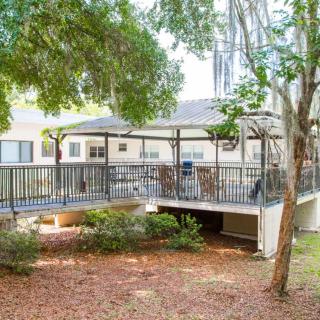
Residents can enjoy the outdoor space and garden area, allowing them to spend time outdoors and engage with nature. The availability of Wi-Fi/high-speed internet and telephone ensures that residents can stay connected with their loved ones and the outside world.

In terms of care services, Meridian Behavioral Healthcare offers assistance with activities of daily living such as bathing, dressing, and transfers. The staff also coordinates with healthcare providers to ensure proper medical care is provided. Special dietary restrictions can be accommodated, including diabetes diets. Meal preparation and service are available, taking into account individual needs.

Transportation arrangements are made for medical appointments, ensuring that residents can easily access necessary healthcare services. Additionally, there are numerous nearby cafes, parks, pharmacies, restaurants, theaters, hospitals, and physicians within close proximity for added convenience and entertainment options.

Overall, the Meridian Behavioral Healthcare in Gainesville, FL provides a comfortable and supportive environment for individuals requiring assisted living services. With its comprehensive amenities, care services, and convenient location near various establishments, this community aims to enhance the quality of life for its residents while promoting their overall wellness.

Nearby Places of Interest

Cafes

  • Peach Valley Cafe (0.2 miles)
  • Panera Bread (0.3 miles)
  • Starbucks (0.4 miles)
  • Metro Diner (0.8 miles)
  • Starbucks (1.3 miles)
  • Opus Cafe (2 miles)
  • Concord Coffee (2.7 miles)

Restaurants

  • Carrabba's Italian Grill (0.3 miles)
  • Five Guys Burgers & Fries (0.4 miles)
  • Taco Bell (0.4 miles)
  • BurgerFi (0.4 miles)
  • Chuy's (0.5 miles)
  • Wendy's (0.5 miles)
  • Blaze Pizza (0.5 miles)

Pharmacies

  • Walgreens (0.4 miles)
  • CVS Pharmacy (0.4 miles)
  • CVS Pharmacy (0.9 miles)
  • CVS Pharmacy (2.1 miles)
  • Winn-Dixie (2.6 miles)
  • Epic Pharmacies (2.9 miles)
  • Walgreens (3.2 miles)

Hospitals

  • Shands Florida Surgical Center (0.4 miles)
  • Select Specialty Hospital (0.8 miles)
  • Shands Hospital (1.1 miles)
  • Malcom Randall Va Medical Center (1.8 miles)
  • Shands Hospital (2 miles)
  • OR Radiology Shands South Tower (2 miles)
  • Shands PICU (2 miles)

Theaters

  • Regal Butler Town Center (0.6 miles)
  • Regal Celebration Pointe & RPX (1.6 miles)

Physicians

  • Eyeglass Express (0.7 miles)
  • MyEyeDr (0.9 miles)
  • UF Health Orthopaedics and Sports Medicine Institute (1.2 miles)
  • Shands Rehab Center (1.2 miles)
  • Bryan R Prine MD (1.2 miles)
  • Uf Health Pediatrics After Hours (2 miles)
  • Southeastern Labratory (2.5 miles)

Parks

  • Albert “Ray” Massey Park (2.7 miles)
  • Depot Park (3.2 miles)

Transportation

  • Rosa Parks Downtown Station (3.2 miles)

Frequently Asked Questions

Where is Meridian Behavioral Healthcare?

Nearby Communities

  • Oaks Residential & Rehab

    Oaks Residential & Rehab

    Gainesville, FL

    3.5 from 126 reviews
     

    pro Some staff show genuine care and PT/OT teams are well-regarded.

  • Park Meadows Health And Rehabilitation Center

    Park Meadows Health And Rehabilitation Center

    Gainesville, FL

    3.5 from 114 reviews
     

    pro Compassionate staff in some roles.

  • Southwest Retirement Home

    Southwest Retirement Home

    Gainesville, FL

    4.2 from 11 reviews
     

    pro Caring, attentive staff in a small, family-like setting.

  • Integrated Health Svc

    Integrated Health Svc

    Gainesville, FL

    3.2 from 60 reviews
     

    pro Caring staff with clean, well-lit common areas and available therapies.

  • Signature Healthcare Of Gainesville

    Signature Healthcare Of Gainesville

    Gainesville, FL

    3.1 from 26 reviews
     

    pro Wide range of amenities and care services

  • Oak Hammock At The University Of Florida

    Oak Hammock At The University Of Florida

    Gainesville, FL

    4.3 from 77 reviews
     

    pro Vibrant, engaging community with comprehensive on-site care and amenities.

  • Charter Senior Living Of Gainesville

    Charter Senior Living Of Gainesville

    Gainesville, FL

    4.5 from 228 reviews
     

    pro Friendly staff, engaging activities, and a clean, home-like environment.

  • Palm Garden Of Gainesville

    Palm Garden Of Gainesville

    Gainesville, FL

    4.8 from 100 reviews
     

    pro Extensive amenities and comprehensive care.

  • Holiday The Atrium at Gainesville

    Holiday The Atrium at Gainesville

    Gainesville, FL

    4.2 from 189 reviews
    $1,495 to $2,869 / month

    pro Friendly, attentive staff; well-maintained, pet-friendly community with active amenities.

Assisted Living in Nearby Cities

Related Resources

  • assisted living activitiesBeyond the Bingo Hall: 50+ Enriching Activities for Seniors in Assisted Living

    Assisted living communities offer diverse activities beyond traditional games to enhance seniors' physical health, cognitive well-being, emotional enrichment, and social connections, including fitness classes, creative expression, and intergenerational interactions. These enriching programs foster community bonds and support residents' independence and happiness.

  • assisted living vs memory careUnderstanding the Distinctions: Assisted Living and Memory Care Explained

    The article differentiates between assisted living and memory care, explaining that assisted living supports seniors with daily activities while promoting independence, whereas memory care provides specialized services for individuals with dementia, focusing on secure environments and cognitive support. It also addresses staff training, safety considerations, costs, family involvement, and transition strategies for families navigating these care options.

  • elderly parent refuses assisted livingGuiding Elderly Parents Who Refuse Assisted Living: 6 Practical Steps

    Family caregivers face emotional, legal, and practical challenges when elderly parents refuse assisted living, often due to fears of losing autonomy. Open conversations and professional assessments can help address these concerns while exploring alternatives and ensuring safety, potentially leading to legal guardianship if necessary.