
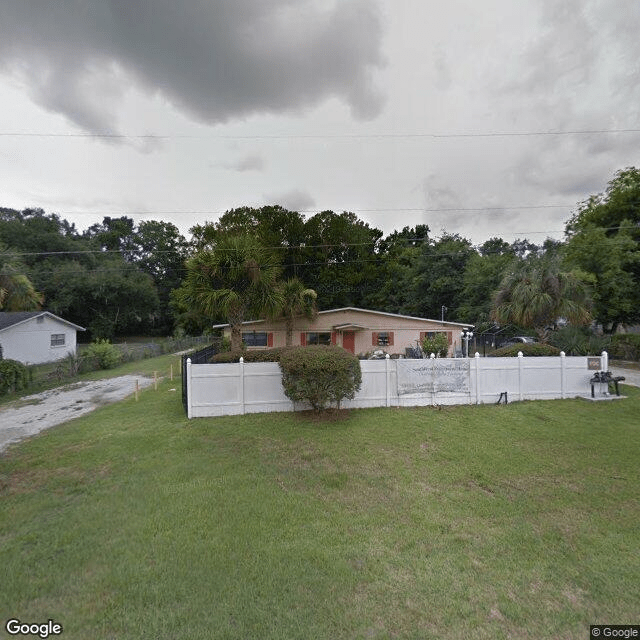
3207 South West 42Nd Place, Gainesville, FL 32608
To contact a resident: (352) 338-0252
For more information about senior living options: (866) 208-4318
Overall Review of Southwest Retirement Home
Pros
 The staff are praised for providing great care and keeping residents safe, clean, and loved.
- Care is individualized, with staff going above and beyond to tailor it to each resident.
- The facility is described as wonderful, with residents' health and demeanor improving under attentive care.
- Staff are consistently described as caring, concerned, and attentive.
- Southwest is a small, family-oriented setting where residents feel like part of the family.
- The atmosphere is cozy and homelike, and the facility is recommended.
- The facility is clean, caring, and competent, with reviewers calling it a best-kept secret that treats residents like family.
Cons
 The reviewer stated that the facility looked terrible, with no paved driveway and no places to go with a wheelchair.
- They added that they would rather die if they were placed there.
Review
Southwest Retirement Home in Gainesville, Florida is best suited for families seeking a intimate, home-like assisted living where residents are treated as individuals and care comes from a steady, personable staff. This community excels for seniors who prize safety, cleanliness, and daily kindness over glitzy amenities. The core strength is the relationships residents build with caregivers who know their routines, preferences, and medical nuance. Families report that the environment feels like a family home, with staff who tailor care to each person and maintain a calm, predictable rhythm that stabilizes health and mood over time.
Those who may want alternatives are clear: anyone chasing a resort-style setting with abundant on-site bells and whistles, sprawling campuses, or expansive program options should look elsewhere. The facility leans toward a small, family-oriented footprint, and that translates into limited high-end amenities and fewer outsize activity halls. Residents who require robust, high-acuity medical support, extensive therapy programs, or large outdoor spaces designed for motorized mobility may be better served by larger corporate communities or facilities specifically equipped for memory care or advanced rehabilitation. Accessibility and outdoor options can feel constrained in this setting, particularly for wheelchairs or walkers needing broad, paved pathways and more expansive gathering areas.
The standout pros, the heart of the fit, strongly offset the drawbacks for the right resident. Staff are consistently described as caring, attentive, and genuinely invested in residents’ well-being. The care protocol is highly individualized, with caregivers who go above and beyond to respond to unique medical needs and preferences. Health outcomes in several accounts improved after transition, including gains in weight and improvements in demeanor, which underscores the value of someone who treats care as a relationship, not a checklist. The atmosphere remains clean, cozy, and quiet, reinforcing a sense of safety and belonging. In addition, a steady slate of activities and services helps residents stay engaged without the facility feeling overwhelming or impersonal, reinforcing the “you’re family from day one” impression that many reviewers highlight.
Yet there are tangible limits that prospective families should weigh. The most pointed trade-off is the absence of a flashy, highly resourced environment. The campus is small and not designed to mimic a large urban campus, so residents who want extensive social venues, resort-like common areas, or frequent, large-group outings may not find enough variety to satisfy deeper social or recreational appetites. One critical note from a negative experience touches on accessibility and outward movement: some reviewers perceive limited outdoor spaces and paved routes, which can complicate mobility for wheelchairs or walkers and restrict easy excursions. This isn’t a misgiving about staff or safety; it’s a practical reality of a single-family-sized setting that prioritizes warmth over breadth.
Practical next steps for families evaluating Southwest Retirement Home are straightforward. Ask about staffing ratios on each shift and how care plans are updated as needs shift, especially when medical conditions evolve. Inquire about the kinds of daily activities offered, how transport or outings are handled, and whether there are memory care options or dedicated spaces if memory challenges arise. Visit with prospective residents to gauge whether the cadence feels comfortable and whether caregivers can articulate a personalized plan that mirrors the person’s routines. Finally, compare costs and what is included in standard care versus add-ons, some families discover that the value lies in the quiet reliability and the sense of belonging, not in upgradeable luxuries.
Overall, Southwest Retirement Home stands as a dependable, low-stress choice for seniors who thrive on individualized attention within a warm, family-like setting. It’s a fit for families who want consistent caregivers, a clean and safe home environment, and a community where residents are treated like extended family. For those whose priorities include upscale amenities, broad accessibility, or intensive medical programming, alternatives with larger footprints and more expansive onsite resources will likely serve better. In the right circumstances, this Gainesville community delivers clear, meaningful gains in comfort, health, and daily happiness.
 12 resident community capacity
 Assisted Living
 Board and Care Home
 Cable or satellite TV
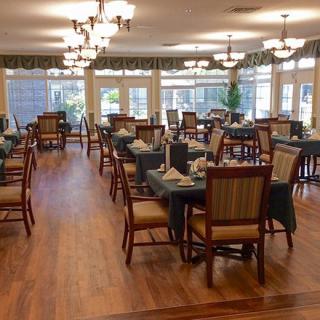
 Dining room
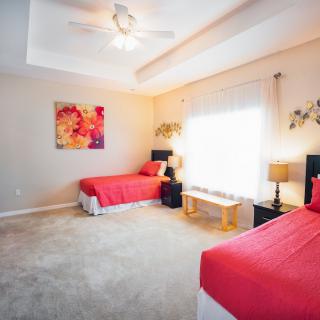
 Fully furnished
 Garden
 Housekeeping services
 Laundry
 Move-in coordination
 Outdoor space
 Telephone
 Wi-Fi/high-speed internet available
 Gainesville Regional (8 miles away)
 Transportation & parking
 24-hour supervision
 Activities of daily living assistance
 Assistance with bathing
 Assistance with dressing
 Assistance with transfers
 Diabetes diet
 Meal preparation and service
 Medication management
 Special dietary restrictions
 Transportation arrangement (medical)
 English




 8 Key Indicators That Suggest It May Be Time to Transition from Assisted Living to Skilled Nursing Care
 Vibrant Senior Living: A Comprehensive Guide for Active Older Adults
 When to Transition from Assisted Living to Memory Care: Key Indicators, Steps, and Finding the Right Community