Victoria Villa offers semi-private accommodations at a monthly rate of $4,000, which is notably higher than the average costs in Broward County and across Florida. In comparison, the average monthly cost for similar semi-private rooms in Broward County stands at $2,902, while the statewide average is slightly higher at $3,009. This pricing reflects Victoria Villa's commitment to providing enhanced amenities and personalized care that may not be available at other facilities. While it positions itself above the local and state averages, potential residents should consider the added value of services and environment offered by Victoria Villa when making their decision.
Floor plans
Victoria Villa
Broward County
Florida
Semi-Private
$4,000
$2,902
$3,009
Memory care communities with a similar price nearby
Residents and visitors repeatedly describe a clean, well-kept environment.
Multiple reviewers emphasize that the rooms, grounds, and common areas are clean and maintained. Several also describe the facility as tidy and well organized, including details like beds being made and the community staying in good condition. A few tours add that the appearance and upkeep create a sense of ease when you’re there.
common16 reviews mention this
Care team earns trust
Many reviews highlight a knowledgeable, caring staff that helps residents day to day.
Across reviews, families describe staff as patient, kind, and engaged, with caregivers who respond quickly when something is off. Some reviewers also mention medical staff being prompt and attentive, including help with concerns that come up between visits. Even a few mixed reviews still acknowledge that at least some staff members were at times “OK,” which is echoed by the larger pattern of reassurance in the positive notes.
common10 reviews mention this
Activities keep residents engaged
Residents are kept active with frequent social and entertainment options.
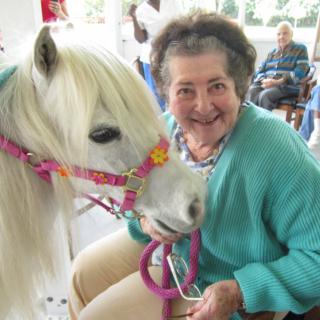
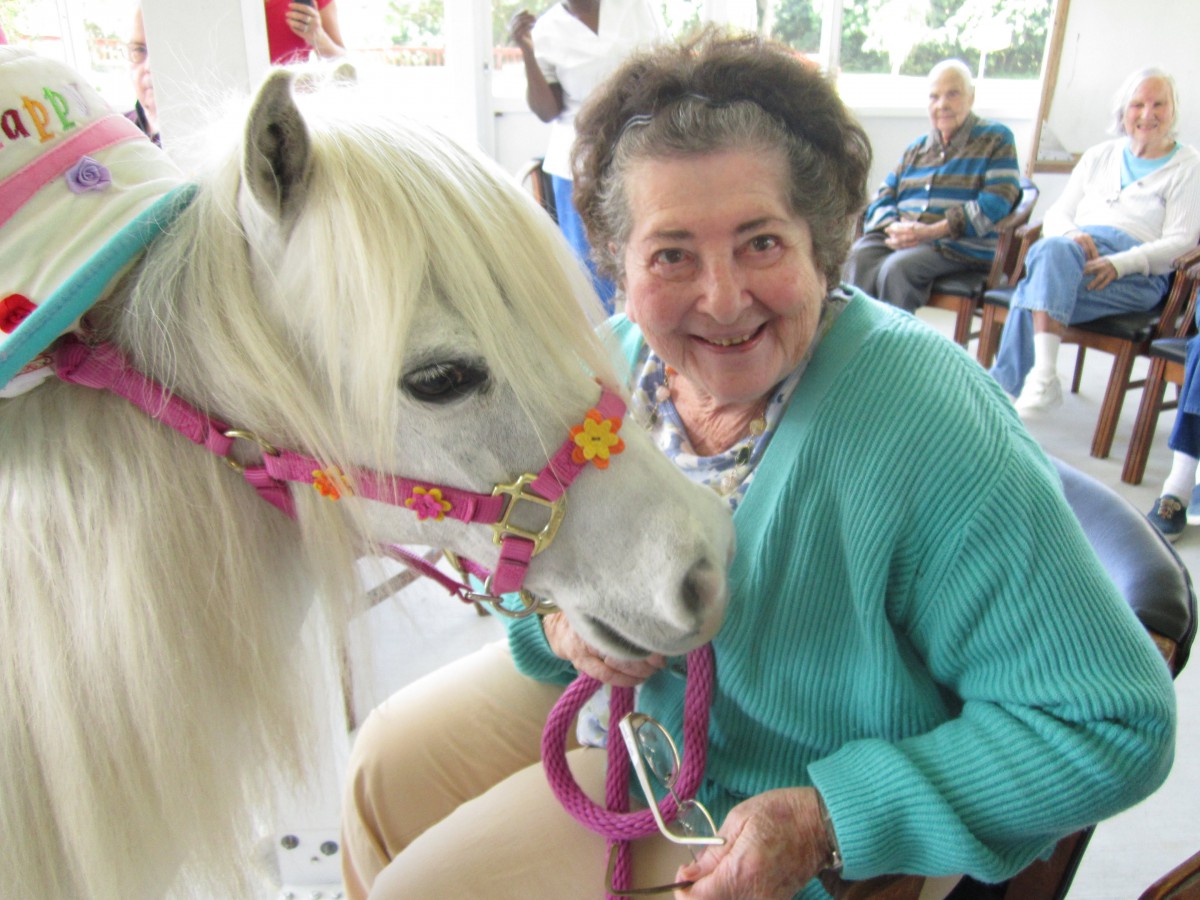
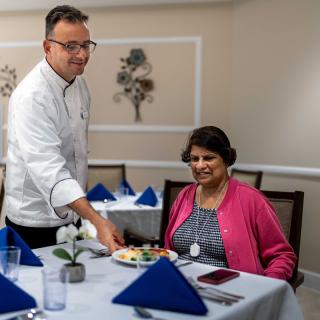
Reviewers commonly point to activities that help residents stay mentally and physically engaged. Examples mentioned include scheduled daily activities, movie nights, music sessions, games, and outings like art, festivals, and local dining. Several also describe how the staff encourages residents to get out of their rooms and socialize rather than remaining inactive.
differentiator3 reviews mention this
Memory-related support is a focus
Families mention Alzheimer’s or dementia experience and supportive day routines.
Some reviews discuss care for residents living with dementia or Alzheimer’s, including how staff work to keep someone calm and engaged. One reviewer also describes that meaningful routines and activities are used to support the person’s wellbeing. Reviews also connect this to an ability to support residents at different levels of impairment, including memory-related needs.
caveat2 reviews mention this
Cost is a recurring concern
Some reviewers say pricing can be quite high for what they need.
A couple of reviewers specifically call out that the community’s cost felt high, including one mention that a wheelchair-related care situation would cost even more. There are also positive comments that frame the experience as worth it, but the higher-price concern still shows up enough to be notable for prospective buyers.
How we summarize
Counts show how many written reviews mention each theme; a review can touch several themes, and only frequently mentioned themes are displayed.
Features
Housing
44 resident community capacity
Types of Care
Assisted Living
Day Program
Memory Care
Pets
Cats allowed
Dogs allowed
Amenities
Activities off-site
Activities on-site
Beautician on-site
Beauty salon
Cable or satellite TV
Devotional services on-site
Dining room
Financing advice
Fully furnished
Garden
Guasts at mealtime
Guest parking
Housekeeping services
Indoor common areas
Kitchenette
Laundry
Move-in coordination
Outdoor common areas
Outdoor space
Party space
Resident parking
Respite or short term stays offered
Security gate
TV room
Telephone
VA Benefits Consultation
Wheelchair accessible showers
Wi-Fi/high-speed internet available
Transportation
Fort Lauderdale-Hollywood International (5 miles away)
Miami International (19 miles away)
Transportation & parking
Care Services
24-hour call system
24-hour supervision
Activities of daily living assistance
Ambulatory care
Assistance with bathing
Assistance with dressing
Assistance with transfers
Coordination with health care providers
Diabetes diet
Diabetic care
High acuity care
Incontinence care
Meal preparation and service
Medication management
Mental wellness program
Special dietary restrictions
Transportation arrangement (medical)
Transportation to doctors appointments
Dining
Diabetes diet
Kosher
Meals provided
Special dietary restrictions
Vegetarian
Activities
Activities off-site
Activities on-site
Arts and crafts
Book club
Community-sponsored activities
Cooking club
Devotional activities on-site
Educational speakers / life long learning
Fitness programs
Games
Gardening club
Live musical performances
Religious services
Scheduled daily activities
Stories
Languages Spoken
English
Nearby Places of Interest
This part of Davie, Florida offers a convenient and diverse range of amenities for senior living. With several pharmacies and hospitals within a few miles, residents have easy access to healthcare services. There are also various dining options, including familiar fast-food chains and casual restaurants for those who enjoy eating out. For leisure activities, there are parks nearby for outdoor recreation opportunities. Additionally, transportation options are readily available with an airport close by for those who may need to travel frequently. Places of worship and theaters provide opportunities for social engagement and entertainment within the community. Overall, this area provides a mix of essential services and recreational facilities that cater to the needs and interests of seniors looking to make Davie their home.
Restaurants
Marky S Hard Rock (1.1 miles)
Chick-Fil-A (1.5 miles)
IHOP (2.2 miles)
McDonald's (2.7 miles)
Denny's (2.8 miles)
Taco Bell (2.9 miles)
Chipotle Mexican Grill (3 miles)
Pharmacies
CVS Pharmacy (1.5 miles)
CVS Pharmacy (2 miles)
Nova Southeastern University (2.2 miles)
Walgreens (2.3 miles)
Winn-Dixie (2.4 miles)
CVS Pharmacy (2.9 miles)
Walgreens (3.1 miles)
Hospitals
Memorial Hospital Pembroke (2.1 miles)
UM/Sylvester Clinics At Plantation (4 miles)
Joe DiMaggio Children's Hospital (4 miles)
Memorial Hospital West (5.9 miles)
Physicians
Comprehensive Health & Wellness Center, P.A. (3.2 miles)
Miami Cancer Institute | Plantation (3.8 miles)
Stark Vision Hollywood Oakwood Plaza (4.3 miles)
Arnoldo Ghitis, MD (5 miles)
Taft Building (5.5 miles)
Pom MRI and Imaging Center (5.7 miles)
Parks
Topeekeegee Yugnee Park (3.5 miles)
River Run Park (5.5 miles)
C.B. Smith Park (6 miles)
Central Broward Regional Park (6.1 miles)
Poinciana Park (6.4 miles)
Cafes
Habibi Hookah Lounge (3.7 miles)
Starbucks (4.4 miles)
Starbucks (4.5 miles)
Starbucks (5.4 miles)
Starbucks (6.7 miles)
Transportation
North Perry Airport of Broward County (4.1 miles)
JetBlue Airways Terminal (5.2 miles)
Concourse F (5.3 miles)
Terminal 3 (5.3 miles)
JetBlue Check-in (5.3 miles)
Fort Lauderdale-Hollywood International Airport (FLL) (5.3 miles)
Victoria Villa offers semi-private accommodations at a monthly rate of $4,000, which is notably higher than the average costs in Broward County and across Florida. In comparison, the average monthly cost for similar semi-private rooms in Broward County stands at $2,902, while the statewide average is slightly higher at $3,009. This pricing reflects Victoria Villa's commitment to providing enhanced amenities and personalized care that may not be available at other facilities. While it positions itself above the local and state averages, potential residents should consider the added value of services and environment offered by Victoria Villa when making their decision.
Victoria Villa's comprehensive features are designed to create a supportive environment that caters specifically to the needs of residents with dementia or Alzheimer's disease. With 24-hour supervision, residents receive constant oversight that ensures safety while allowing for personalized attention. Assistance with activities of daily living, including bathing and dressing, promotes dignity and fosters independence. The help with transfers minimizes the risk of falls, promoting physical well-being. Coordination with health care providers ensures that residents' medical needs are prioritized and addressed in a timely manner. Incontinence care maintains comfort and hygiene, while meal preparation and service focus on nutritional needs tailored to individual preferences. Medication management is crucial in preventing complications arising from missed doses or errors, further supporting overall health. Additionally, the mental wellness program engages residents cognitively, enhancing quality of life through stimulating activities. Finally, transportation arrangements for medical appointments ensure that residents maintain their healthcare regimens without unnecessary stress or disruption. Together, these features create a holistic approach to memory care that prioritizes safety, health, and emotional support for individuals facing cognitive challenges.
The article highlights eight indicators that a loved one with dementia may require specialized memory care, emphasizing the emotional and logistical challenges families encounter in this decision. It discusses signs such as difficulties with daily tasks, safety concerns, and caregiver burnout, suggesting that memory care facilities can provide the necessary support and structured environments for those experiencing cognitive decline.
Dementia, primarily caused by Alzheimer's disease but also linked to other conditions, leads to cognitive decline impacting memory and daily functioning, with individuals experiencing varied awareness of their impairments. Despite memory loss, emotional connections persist, enabling responses to familiar stimuli, highlighting the need for caregivers to provide compassionate support that recognizes both limitations and retained emotional depth.
The article presents five subtle indicators of dementia, such as memory lapses and mood swings, to help families assess cognitive decline in loved ones. It emphasizes early detection, open communication, and seeking professional help while providing practical support steps.
Get PricingAsk A QuestionSchedule A TourContact Senior Advisor
By clicking submit, you agree to our Partner's Terms of Use. You
also consent to receive calls and texts, which may be autodialed, from our Partner. Your consent is not a condition to
using our Partner's service. Please visit our Partner's Privacy Policy for information about their privacy practices.


 44 resident community capacity
 Assisted Living
 Day Program
 Memory Care
 Cats allowed
 Dogs allowed
 Beautician on-site
 Cable or satellite TV
 Devotional services on-site
 Dining room
 Financing advice
 Fully furnished
 Garden
 Guest parking
 Housekeeping services
 Indoor common areas
 Kitchenette
 Laundry
 Move-in coordination
 Outdoor common areas
 Party space
 Respite or short term stays offered
 Security gate
 Telephone
 Wheelchair accessible showers
 Wi-Fi/high-speed internet available
 Fort Lauderdale-Hollywood International (5 miles away)
 Transportation & parking
 24-hour call system
 Ambulatory care
 Assistance with bathing
 Assistance with dressing
 Assistance with transfers
 Diabetes diet
 Diabetic care
 High acuity care
 Incontinence care
 Meal preparation and service
 Medication management
 Mental wellness program
 Special dietary restrictions
 Transportation arrangement (medical)
 Arts and crafts
 Book club
 Cooking club
 Educational speakers / life long learning
 Fitness programs
 Games
Games Live musical performances
 English
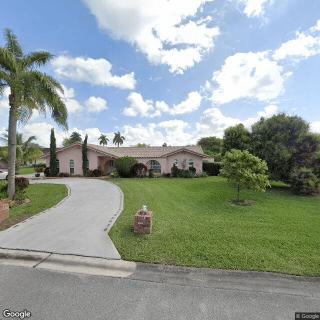
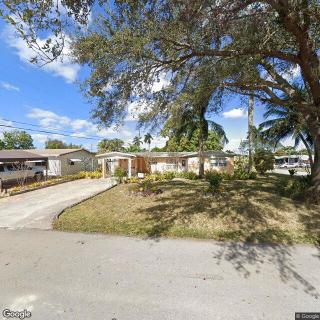
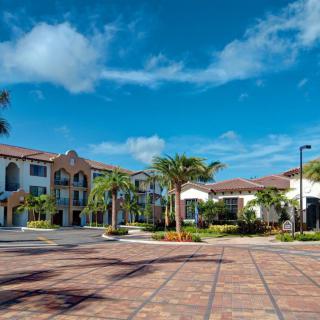
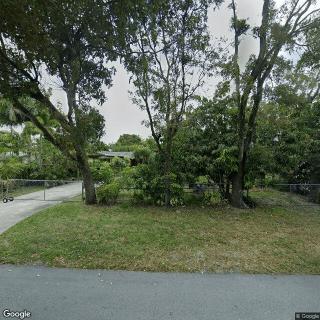
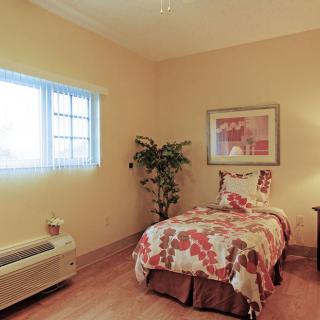
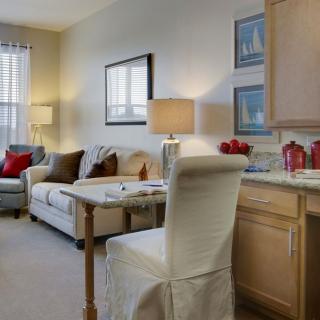
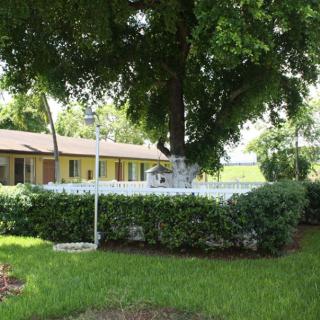
 Intimate, home-like memory-care focused setting with attentive staff and engaging activities.

 8 Important Indicators That Memory Care May Be Necessary
 Delving into the Inner World of Dementia: Insights into Thoughts and Awareness
 Five Subtle Dementia Indicators to Observe: An In-Depth Guide to Understanding “Does My Mom Have Dementia?”