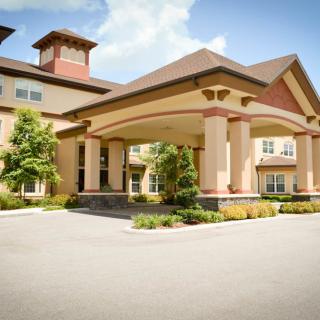
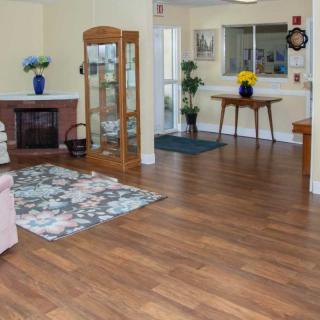
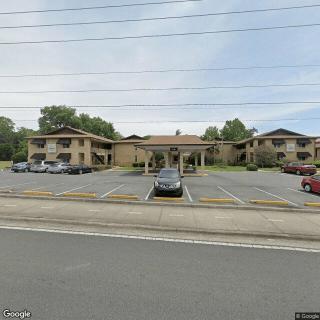
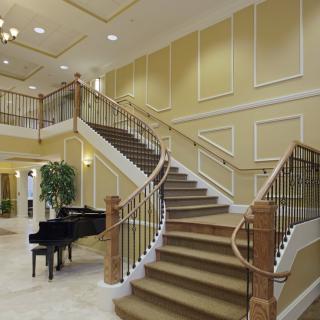
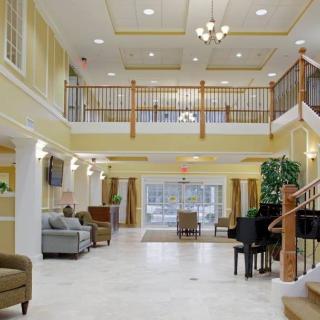
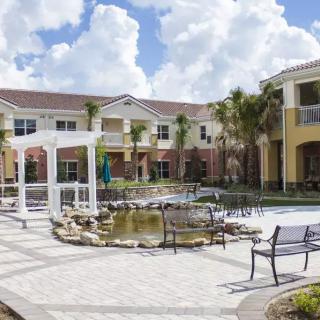
Harbor House in Dunnellon, FL

Save

Harbor House in Dunnellon, FL

Information last verified:

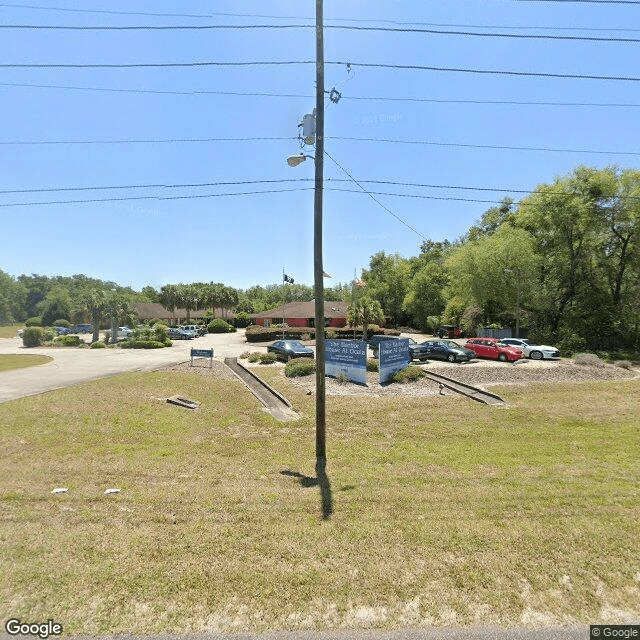
12080 South West Highway 484, Dunnellon, FL 34432

For more information about senior living options: (844) 490-3973

4.2 from 48 reviews
5 stars
38
4 stars
1
3 stars
0
2 stars
0
1 stars
9

Seniors.FYI Elite Community Awards

Top 5% Senior Living Community in 2020

Add this award to your website

Harbor House Costs & Pricing

Harbor House offers competitive pricing for its residential options, particularly when viewed in the context of Marion County and the broader state of Florida. For a semi-private room, Harbor House charges $2,022 per month, significantly lower than the county average of $3,003 and the state average of $3,009. This presents an attractive option for those seeking quality care at a more affordable rate. Similarly, while the cost for a studio at Harbor House is $3,090, it remains more economical than both Marion County's average of $4,464 and Florida's state average of $3,823. These figures indicate that Harbor House provides valuable financial benefits alongside its commitment to high-quality service and care.

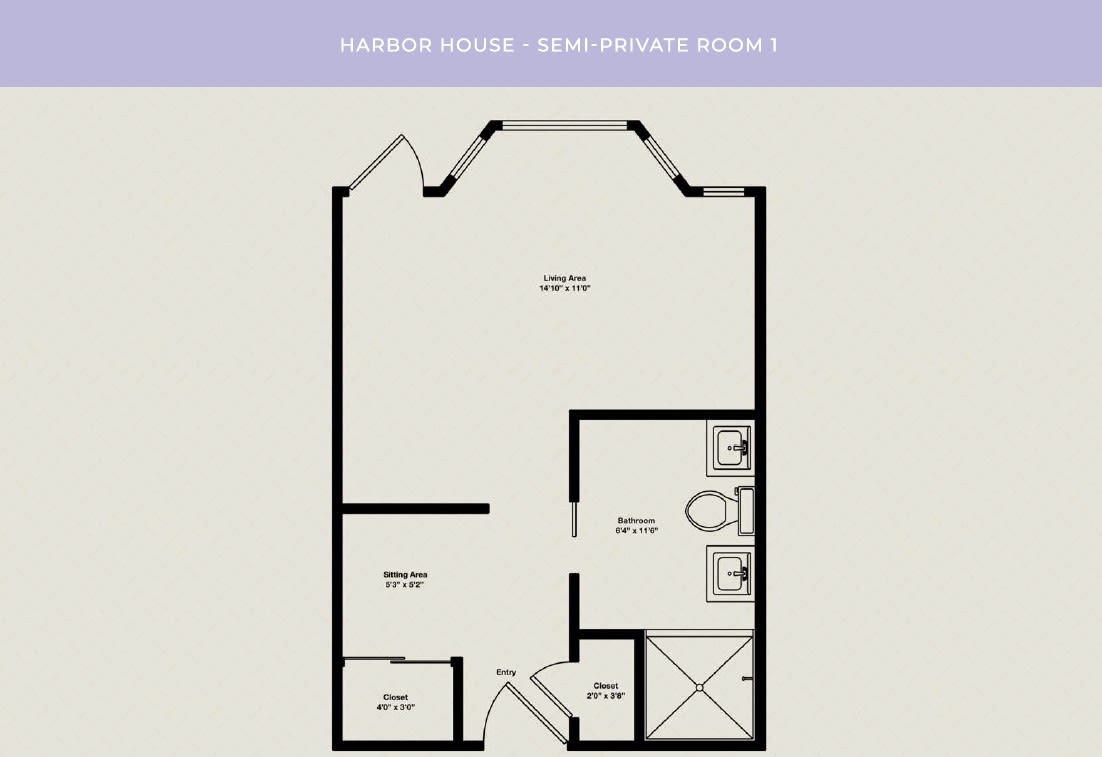
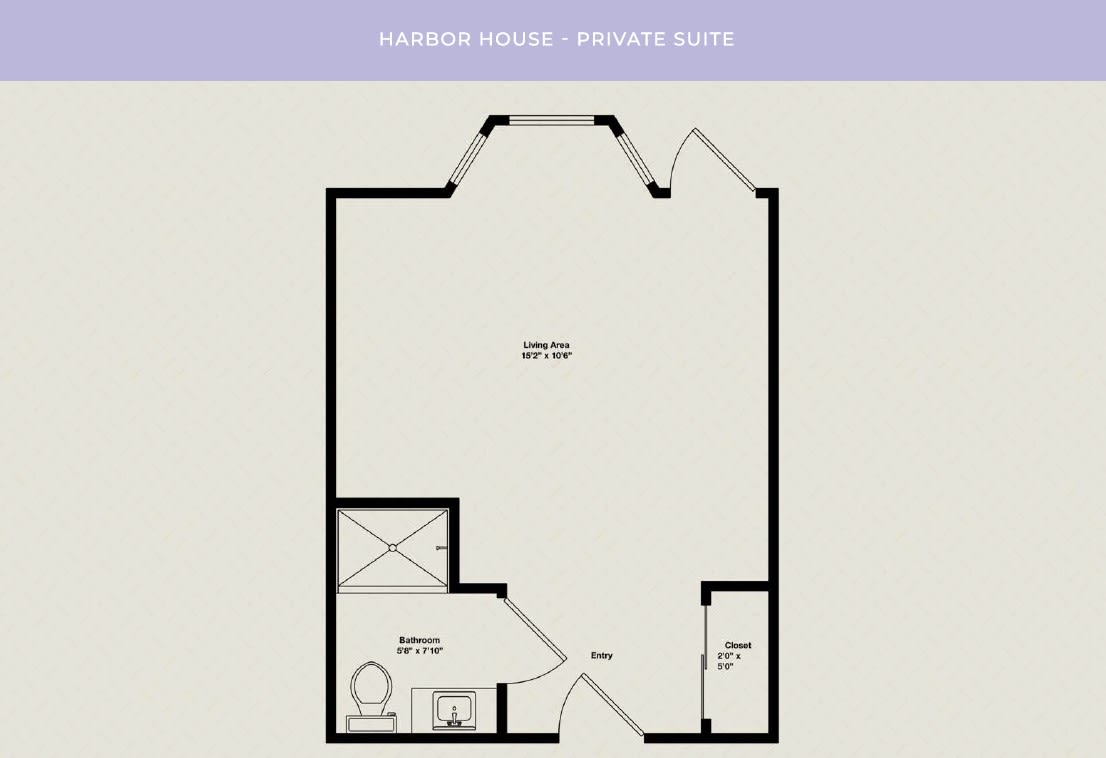
Floor plansHarbor HouseMarion CountyFlorida
Semi-Private$2,022$3,003$3,009
Studio$3,090$4,464$3,823

Overall Review of Harbor House

Pros

  • pro Harbor House is a gem that inspires a zest for life in its residents.
  • pro The staff are exceptionally friendly and go above and beyond to care for residents.
  • pro Patty Cook is genuinely caring and treats residents and staff with kindness.
  • pro The administrator and management are attentive and dedicated to residents' well-being.
  • pro The facility is very clean and well maintained, with a warm, welcoming atmosphere.
  • pro The dining room has been updated for residents to enjoy home-cooked meals daily.
  • pro Residents appear happy and well cared for, with many expressing peace of mind.
  • pro Harbor House is warm, welcoming, and feels like a family environment.
  • pro The staff, including activity directors and cooks, provides thoughtful, engaging activities.
  • pro Harbor House is a well-run, neat, and comfortable place where residents feel at home.
  • pro The care team treats residents like family and makes them a priority.
  • pro The environment is beautiful, with attentive staff and a strong sense of community.

Cons

  • pro One reviewer states the facility is rundown and looks like a condemned building.
  • pro One reviewer notes there is no transportation system and a broken-down van out front.
  • pro One reviewer says staff won’t arrange off-site doctor appointments and lack transportation to medical visits.
  • pro One reviewer accuses staff of showing zero compassion when belongings were packed up to free a bed for another resident.
  • pro One reviewer calls Harbor House a terrible place where everyone is rude.
  • pro One reviewer warns others not to send their loved ones to this facility, describing it as a very sad place.
  • pro One reviewer describes a decline over the last two years, with substandard food, dirty rooms, mold and mildew, and a total lack of care.
  • pro One reviewer claims the memory care closure led to residents going without needed medication for three days.
  • pro One reviewer reports a mother died with no medical help and belongings were stolen.

Review

Harbor House in Dunnellon is best suited for families seeking a warm, person-centered assisted living that feels like home, where a dedicated director and staff actively treat residents with care and respect. The community works best for seniors who value a tight-knit, family-like atmosphere, frequent personal interaction with leadership, clean surroundings, and a schedule of engaging activities. It is particularly well-matched for residents who respond well to individualized attention and for families who want transparent communication and visible staff investment. Those who need highly structured medical oversight, rigid transportation arrangements, or a facility with pronounced clinical amenities may find Harbor House’s approach less aligned with their expectations.

Alternatives to consider include options that emphasize consistent medical management or guaranteed transportation for medical appointments, and communities with less turnover in leadership or larger, more clinical settings. Several reviews note concerns about changes in administration or staffing patterns over time, and a few families describe transportation gaps or operational missteps that can complic routine medical needs. For families prioritizing medical reliability, or for residents whose daily routines hinge on tightly scheduled doctor visits, it may be prudent to compare facilities with stronger, on-site nursing coverage and more predictable transport systems. Harbor House’s strength in atmosphere and personal touch may not fully compensate in those scenarios.

The strongest positives here center on leadership and the lived experience of care. Patty Cook, the administrator, is repeatedly described as genuinely caring, accessible, and hands-on, setting a tone where residents feel valued and protected. The staff are frequently praised for going above and beyond, treating residents like family, and maintaining a consistently high level of cleanliness and attentiveness. The dining and living spaces reinforce the homey vibe: a refreshed dining room with home-style meals, daily comfort offerings such as a reliable “soup of the day,” and a facility layout that fosters privacy alongside opportunities for small gatherings. The sense of community is palpable, with residents appearing satisfied and families often expressing peace of mind about the environment their loved ones inhabit.

Yet, the reviews also reflect a spectrum of risk factors that cannot be ignored in decision-making. A subset of respondents recount declines tied to broader organizational changes, including reduced kitchen staffing, more standardized meals, and lapses in routine medicine administration or transportation. Some families cite a perception that the facility’s leadership or staffing has shifted away from prior levels of engagement, with implications for continuity of care and daily life. While these experiences are not universal, they illustrate meaningful trade-offs: the very warmth and personal connection that define Harbor House can feel contingent on ongoing stability in administration and staffing, and operational hiccups can erode the otherwise strong impression of a well-run home.

This is where a practical decision lens matters. For families that can tolerate occasional variability in operations in exchange for a deeply caring environment, Harbor House offers a compelling value proposition: a truly welcoming setting, transparent leadership, and robust opportunities for resident engagement that produce tangible emotional gains for both seniors and their families. For those whose decision hinges on ironclad consistency, whether in medication management, transport reliability, or clinical oversight, the potential for service fluctuations warrants careful scrutiny. Prospective communities should request a clear breakdown of staffing patterns, transport capabilities, and medication protocols, and should observe mealtime and activity offerings in person to verify the cadence of quality that reviewers describe.

In the end, Harbor House stands out as a solid match for households prioritizing heart-to-heart attention, a home-like environment, and active social engagement. It earns credibility from sustained praise of leadership and a culture that feels like family, and it delivers tangible comforts in cleanliness, dining, and daily routines. The decision hinges on expectations around operational consistency and medical support. If a family seeks a nurturing, community-forward residence with a director who appears to fight for residents every day, Harbor House is a sound choice. If, instead, the top priority is iron‑clad transportation, unimpeachable clinical oversight, or a blemish-free guarantee against any service lapse, it would be wise to compare closely with facilities known for those exact strengths and to visit with specific questions on staffing, medication management, and contingency plans.

Features

Housing

  • 60 resident community capacity 60 resident community capacity

Types of Care

  • Assisted Living Assisted LivingAssisted living facilities provide crucial support and care for seniors who may need help with daily tasks such as medication management, bathing, and meal preparation. These communities offer a safe and comfortable environment where seniors can maintain their independence while receiving the assistance they need to thrive in their golden years.
  • Independent Living Independent LivingIndependent living communities are important for seniors because they offer a safe and supportive environment where older adults can live independently while still having access to amenities and services that enhance their quality of life. These communities provide social opportunities, recreational activities, and assistance with daily tasks, promoting overall well-being and allowing seniors to maintain their independence for as long as possible.

Pets

  • Cats allowed Cats allowed"Pet friendly" senior living communities are important for seniors because pets provide companionship, reduce feelings of loneliness and depression, promote physical activity and mental stimulation, and offer a sense of purpose and responsibility. Pets can improve overall well-being and quality of life for seniors in many ways.
  • Dogs allowed Dogs allowed"Pet friendly" senior living communities are important for seniors because pets provide companionship, reduce feelings of loneliness and depression, promote physical activity and mental stimulation, and offer a sense of purpose and responsibility. Pets can improve overall well-being and quality of life for seniors in many ways.

Amenities

  • Activities off-site Activities off-siteEngaging in off-site activities is crucial for seniors to maintain social connections, stay active, and stimulate their minds. It promotes overall well-being and helps combat feelings of isolation and loneliness.
  • Activities on-site Activities on-siteActivities on-site are important for seniors because they provide opportunities for socialization, mental stimulation, physical activity, and overall well-being. Engaging in activities can help seniors stay active, maintain their independence, and improve their quality of life.
  • Air-conditioning Air-conditioningAir conditioning is important for seniors as they are more vulnerable to heat-related illnesses and may have underlying health conditions that make it difficult for them to regulate their body temperature. It helps to keep them comfortable, safe, and healthy in hot weather.
  • Beautician on-site Beautician on-siteHaving a beautician on-site at a senior living community is important for seniors as it allows them to easily access grooming and personal care services, boosting their self-esteem and overall well-being. It also provides convenience and helps seniors maintain their sense of independence and personal style.
  • Beauty salon Beauty salonBeauty salons are important for seniors because they provide a space for them to feel pampered, socialize, and maintain their personal grooming and hygiene. Regular visits to a beauty salon can help boost seniors' self-esteem and overall well-being.
  • Cable or satellite TV Cable or satellite TVCable or satellite TV is important for seniors because it provides entertainment, news, and companionship, helping to combat loneliness and boredom. It also offers a wide range of programming options tailored to different interests and preferences.
  • Computer center Computer centerA computer center is essential for seniors as it provides access to technology, communication tools, and resources that can enhance their daily lives. It allows them to stay connected with loved ones, engage in online activities, and learn new skills, ultimately promoting socialization and mental stimulation.
  • Devotional services off-site Devotional services off-siteDevotional services off-site are important for seniors as they provide spiritual nourishment, social engagement, and a sense of community outside of the senior living facility. This can enhance overall well-being and help combat feelings of isolation and loneliness often experienced by older adults.
  • Devotional services on-site Devotional services on-siteDevotional services on-site provide seniors with spiritual support and a sense of community, as well as an opportunity for reflection and guidance during their senior living experience. This can promote emotional well-being and connection to others, leading to a more fulfilling and enriching lifestyle in their later years.
  • Dining room Dining roomDining rooms are important for seniors as they provide a space for socialization, connection, and nutritious meals. They offer opportunities for residents to bond over shared meals, foster a sense of community, and promote healthy eating habits. Dining rooms also ensure that seniors have access to well-balanced meals tailored to their dietary needs and preferences.
  • Fitness room Fitness roomHaving a fitness room in a senior living community is essential for seniors to stay active, maintain their physical health, and improve their overall well-being. Regular exercise can help prevent falls, reduce the risk of chronic diseases, and promote mental sharpness. It also provides social opportunities for residents to connect with others and enjoy a sense of community.
  • Fully furnished Fully furnishedFully furnished senior living communities are important for seniors because they provide convenience, comfort, and a hassle-free moving experience. Seniors can easily settle into their new living space without the stress of having to buy and move furniture. This allows them to focus on enjoying their new home and community.
  • Gaming room Gaming roomGaming rooms are important for seniors as they provide a fun and engaging environment for socializing, cognitive stimulation, and physical activity. Games can improve memory, problem-solving skills, and overall mental well-being while fostering friendships and reducing feelings of isolation.
  • Garden GardenGardens are important for seniors as they provide a peaceful and therapeutic environment for relaxation, physical activity, and socialization. Being in nature has been shown to reduce stress, improve mood, and promote overall well-being. Gardens also offer opportunities for seniors to engage in gardening activities, which can improve mobility, flexibility, and cognitive function. Additionally, gardens create a sense of community and connection with others who share a passion for plants and outdoor spaces.
  • Housekeeping services Housekeeping servicesHousekeeping services are important for seniors because they help maintain a clean and safe living environment, promote independence, and reduce the risk of accidents or illnesses. Additionally, having assistance with household chores can alleviate physical strain and allow seniors to focus on other aspects of their well-being.
  • Indoor common areas Indoor common areasIndoor common areas are crucial for seniors as they provide a space for socialization, recreation, and community engagement, promoting overall well-being and reducing feelings of isolation and loneliness.
  • Kitchenette KitchenetteKitchenettes are important for seniors living in senior living communities because they provide the convenience and independence of being able to prepare simple meals and snacks in the comfort of their own living space. This can help promote a sense of autonomy and well-being for seniors, allowing them to maintain some level of control over their dietary choices and daily routines.
  • Move-in coordination Move-in coordinationMove-in coordination is important for seniors because it helps ease the transition into their new living environment. It ensures that all logistics, such as packing, organizing movers, and setting up utilities are taken care of, allowing seniors to focus on settling in and adjusting to their new home. Having a smooth move-in process can alleviate stress and anxiety, making the transition smoother and more enjoyable for seniors.
  • Outdoor common areas Outdoor common areasOutdoor common areas are important for seniors as they provide a space for socialization, physical activity, and relaxation. Being outside in nature can improve mood and overall well-being, while also encouraging movement and engagement with others. These spaces can help combat feelings of isolation and promote a sense of community among residents.
  • Outdoor space Outdoor spaceOutdoor spaces are important for seniors as they provide opportunities for physical activity, social interaction, exposure to natural light and fresh air, and a sense of connection to nature. Having access to outdoor spaces can improve overall well-being and quality of life for older adults living in senior communities.
  • Private bathrooms Private bathroomsPrivate bathrooms are important for seniors in senior living communities because they provide independence, dignity, and comfort. Having a private bathroom allows seniors to maintain their personal hygiene routines without the need for assistance, promoting a sense of autonomy and privacy. Additionally, private bathrooms help prevent the spread of infections and provide a safe and clean environment for seniors to navigate safely.
  • Respite or short term stays offered Respite or short term stays offeredRespite or short term stays provide seniors with a temporary solution when their regular caregiver is unavailable, offering them the opportunity to receive additional care and support during times of need, while also giving caregivers a chance to rest and recharge.
  • Restaurant-style dining Restaurant-style diningRestaurant-style dining is important for seniors because it allows them to enjoy delicious, nutritious meals in a social and upscale setting. This enhances their dining experience, promotes healthy eating habits, and fosters socialization with fellow residents, ultimately contributing to their overall well-being and quality of life.
  • Small library Small librarySmall libraries are important for seniors as they provide access to a variety of reading materials, including books, newspapers, and magazines. This can help stimulate their minds, keep them engaged, and provide a sense of community through book clubs and other social activities. Additionally, reading has been shown to improve cognitive function and overall mental well-being in older adults.
  • Telephone TelephoneTelephones are important for seniors as they provide a lifeline for communication with loved ones, emergency services, and healthcare providers. They offer a sense of security and independence, enabling seniors to stay connected and access assistance when needed.
  • Wellness center Wellness centerWellness centers are important for seniors because they offer a variety of programs and services that promote physical, mental, and emotional well-being. These centers provide opportunities for exercise, socialization, education, and relaxation, helping seniors maintain their overall health and quality of life.
  • Wheelchair accessible showers Wheelchair accessible showersWheelchair accessible showers are crucial for seniors as they provide a safe and independent bathing option for those with mobility challenges. These showers help prevent falls and allow seniors to maintain their dignity and autonomy while ensuring they can bathe comfortably.
  • Wi-Fi/high-speed internet available Wi-Fi/high-speed internet availableWi-Fi/high-speed internet is important for seniors to stay connected with loved ones, access online resources, and participate in virtual activities to combat feelings of loneliness and isolation. It also allows them to easily manage healthcare needs, access entertainment, and engage in lifelong learning opportunities.

Transportation

  • Community operated transportation Community operated transportationCommunity operated transportation is crucial for seniors as it provides them with the means to access essential services, social activities, and medical appointments. It allows seniors to maintain their independence and quality of life by ensuring they can participate in activities outside of their homes. Additionally, community-operated transportation services offer a safe and reliable way for seniors to travel without having to rely on family or friends for assistance.
  • Transportation arrangement Transportation arrangementTransportation arrangements are crucial for seniors as they may face challenges with driving, mobility, or access to public transportation. Having reliable transportation services ensures that seniors can easily attend appointments, social activities, and maintain their independence and quality of life.

Care Services

  • 24-hour call system 24-hour call system24-hour call systems are important for seniors because they provide peace of mind and immediate assistance in case of emergencies. This technology ensures that help is always available, promoting safety and security for elderly individuals living alone or in assisted living facilities.
  • 24-hour supervision 24-hour supervision24-hour supervision is important for seniors to ensure their safety, well-being, and access to immediate assistance in case of emergencies or health issues. This constant support provides peace of mind for both seniors and their loved ones, allowing them to age in place with dignity and security.
  • Activities of daily living assistance Activities of daily living assistanceActivities of daily living assistance are important for seniors because they provide essential support with tasks such as eating, bathing, dressing, and mobility. This assistance helps seniors maintain their independence, dignity, and overall quality of life as they age.
  • Ambulatory care Ambulatory care"Ambulatory care services provide essential medical support and treatment to seniors without requiring hospitalization, allowing them to maintain their independence and quality of life while managing chronic conditions or receiving routine medical care."
  • Assistance with bathing Assistance with bathingAssistance with bathing is crucial for seniors as it helps maintain personal hygiene, prevents infections, and ensures their overall well-being and comfort. It also provides a sense of dignity and independence for seniors who may struggle with this task on their own.
  • Assistance with dressing Assistance with dressingAssistance with dressing is important for seniors because it helps maintain their independence, promotes personal hygiene, prevents accidents and injuries, and improves overall quality of life. This service ensures that seniors can continue to dress comfortably and confidently, despite any physical limitations they may have.
  • Assistance with transfers Assistance with transfersAssistance with transfers is crucial for seniors as it helps prevent falls and injuries, maintains their independence, and ensures they can safely navigate their living environment. It also provides peace of mind for both seniors and their loved ones.
  • Diabetes diet Diabetes dietA diabetes diet is crucial for seniors as it helps manage blood sugar levels, reduce risks of complications, and improve overall health and well-being. By following a balanced and nutritious diet tailored to their specific needs, seniors can better control their diabetes and enhance their quality of life.
  • Diabetic care Diabetic careDiabetic care is crucial for seniors as they are more susceptible to developing diabetes due to aging and other health conditions. Proper management of diabetes can help prevent complications such as heart disease, vision loss, and nerve damage, improving the overall quality of life for seniors in senior living communities.
  • Incontinence care Incontinence careIncontinence care is essential for seniors to maintain their dignity, hygiene, and overall quality of life. By addressing incontinence issues promptly and effectively, seniors can enjoy a sense of independence and comfort in their daily activities.
  • Meal preparation and service Meal preparation and serviceMeal preparation and service are crucial for seniors as they may have limited mobility or energy to cook nutritious meals. Having access to healthy and convenient food options can ensure they are getting the proper nutrition needed to maintain their overall health and well-being.
  • Medication management Medication managementMedication management is crucial for seniors to ensure they are taking the right medications at the correct dosages and times. This helps prevent adverse drug interactions, reduces the risk of medication errors, and promotes overall health and well-being. Proactive management also allows for adjustments as needed based on changing health conditions or new prescriptions.
  • Special dietary restrictions Special dietary restrictionsSpecial dietary restrictions are important for seniors because age-related changes in metabolism and health conditions can make it difficult for their bodies to process certain foods. By following a diet tailored to their specific needs, seniors can maintain their overall health and well-being, manage chronic conditions, and reduce the risk of complications such as malnutrition or food interactions with medications.

Dining

  • Anytime dining Anytime diningAnytime dining is important for seniors because it allows them the flexibility to eat when they are hungry, rather than being restricted to set meal times. This can be especially beneficial for those with medical conditions or medications that affect their appetite, as well as those who may have difficulty adhering to a strict dining schedule. Overall, anytime dining promotes independence and overall well-being for seniors in senior living communities.
  • Diabetes diet Diabetes dietA diabetes diet is crucial for seniors as it helps manage blood sugar levels, reduce risks of complications, and improve overall health and well-being. By following a balanced and nutritious diet tailored to their specific needs, seniors can better control their diabetes and enhance their quality of life.
  • Gluten-free Gluten-freeGluten-free options are important for seniors as they are more prone to digestive issues and dietary sensitivities. Offering gluten-free meal choices in senior living communities can help improve their overall health and well-being.
  • Guest meals Guest mealsGuest meals are important for seniors living in senior living communities because they provide an opportunity for socialization and companionship. Sharing a meal with friends, family, or new acquaintances can help combat feelings of loneliness and isolation, promote a sense of community, and enhance overall well-being. Additionally, guest meals allow seniors to enjoy delicious food in a comfortable setting without the hassle of cooking or cleaning up, making dining a pleasurable and stress-free experience.
  • Kosher KosherKosher options are important for seniors because they adhere to dietary laws that are significant to many Jewish individuals, providing them with peace of mind and an opportunity to maintain their cultural traditions and beliefs while living in a senior living community.
  • Low / no sodium Low / no sodiumLow/no sodium options are important for seniors because excessive sodium intake can lead to high blood pressure, heart disease, and other health issues commonly experienced by older adults. By choosing low/no sodium foods, seniors can better manage their health and reduce their risk of developing these conditions.
  • Meals provided Meals provided"Meals provided" are crucial for seniors in assisted living communities as it ensures they have access to nutritious, balanced meals without the stress of meal planning and preparation. This can help promote overall health and well-being for seniors who may have limited mobility or cognitive abilities.
  • No Sugar No SugarNo sugar diets are important for seniors because they can help prevent or manage chronic conditions such as diabetes, heart disease, and obesity. Sugar can also contribute to cognitive decline and inflammation in the body, so reducing sugar intake can lead to overall improved health and well-being in older adults.
  • Professional chef Professional chefProfessional chefs are important for seniors living in senior living communities because they provide nutritious and delicious meals that cater to their dietary needs and preferences. A professional chef can ensure that seniors are receiving balanced, flavorful meals that support their overall health and well-being.
  • Room service Room serviceRoom service is important for seniors in a senior living community because it provides convenience and allows them to have their meals delivered directly to their room. This can be especially beneficial for seniors who may have mobility issues or difficulty accessing the dining area. Room service ensures that seniors are able to receive nutritious meals without having to navigate through the facility, allowing them to maintain their independence and overall well-being.
  • Special dietary restrictions Special dietary restrictionsSpecial dietary restrictions are important for seniors because age-related changes in metabolism and health conditions can make it difficult for their bodies to process certain foods. By following a diet tailored to their specific needs, seniors can maintain their overall health and well-being, manage chronic conditions, and reduce the risk of complications such as malnutrition or food interactions with medications.
  • Vegan VeganVegan diets can provide numerous health benefits for seniors, including lower risk of chronic diseases, improved digestion, and increased energy levels. Additionally, plant-based diets are often rich in essential nutrients that can support overall well-being and longevity in older adults.
  • Vegetarian VegetarianA vegetarian diet is important for seniors because it can help lower the risk of chronic diseases, maintain a healthy weight, and provide essential nutrients needed for aging bodies. Additionally, plant-based diets are often easier on digestive systems and can contribute to overall well-being in older adults.

Activities

  • Activities on-site Activities on-siteActivities on-site are important for seniors because they provide opportunities for socialization, mental stimulation, physical activity, and overall well-being. Engaging in activities can help seniors stay active, maintain their independence, and improve their quality of life.
  • Art classes Art classesArt classes are important for seniors because they provide a creative outlet, improve cognitive function, reduce stress and anxiety, promote socialization, and enhance overall well-being and quality of life.
  • Brain fitness Brain fitnessBrain fitness is important for seniors as it helps to maintain cognitive function, memory, and overall mental well-being. Engaging in activities that challenge the brain can help prevent cognitive decline and promote a healthier, more fulfilling quality of life in older adults.
  • Community-sponsored activities Community-sponsored activitiesCommunity-sponsored activities are important for seniors as they provide opportunities for social interaction, mental stimulation, and physical activity. These activities can help improve overall well-being, combat loneliness and isolation, and promote a sense of belonging and purpose among older adults.
  • Concierge services Concierge servicesConcierge services are essential for seniors as they provide assistance with daily tasks and errands, enhance their quality of life by offering convenience and personalized care, and promote a sense of safety and security.
  • Day trips and outings Day trips and outingsDay trips and outings are important for seniors as they provide opportunities for socialization, mental stimulation, physical activity, and a break from daily routines. These experiences can enhance overall well-being and quality of life for older adults living in senior communities.
  • Devotional activities offsite Devotional activities offsiteDevotional activities offsite are important for seniors because they provide social engagement, spiritual growth, and a sense of community outside of their living environment. This can improve overall well-being, mental health, and combat feelings of isolation or loneliness.
  • Devotional activities on-site Devotional activities on-siteDevotional activities on-site provide seniors with a sense of community, spiritual fulfillment, and emotional support, promoting overall well-being and a positive sense of purpose in their lives.
  • Educational speakers / life long learning Educational speakers / life long learningEducational speakers and lifelong learning opportunities are crucial for seniors as they provide mental stimulation, promote social engagement, and contribute to overall well-being. Continuous learning helps seniors stay mentally sharp, build new skills, and maintain a sense of purpose and fulfillment in their lives. It also allows them to stay connected to the world around them and fosters a sense of community within senior living facilities.
  • Fitness programs Fitness programsFitness programs are crucial for seniors as they help improve strength, flexibility, balance, and overall well-being. Staying active can reduce the risk of chronic diseases, improve mental health, and enhance quality of life in older adults.
  • Gardening club Gardening clubGardening clubs are important for seniors because they provide a sense of community, promote physical activity and mental well-being, and offer opportunities for socialization and connection with nature. Gardening can also improve cognitive function and overall quality of life for seniors.
  • Karaoke KaraokeKaraoke provides seniors with a fun and social activity that can boost mood, confidence, and cognitive function. It encourages social interaction, physical movement, and creative expression, making it an important form of entertainment for senior living communities.
  • Live well programs Live well programs"Live well programs are essential for seniors as they provide opportunities for physical activity, social engagement, and mental stimulation, ultimately promoting overall health and well-being in later years."
  • Planned day trips Planned day tripsPlanned day trips are important for seniors because they offer opportunities for socialization, mental stimulation, and physical activity. They provide a change of scenery and help seniors stay engaged and connected to their community, promoting overall well-being and quality of life.
  • Resident-run activities Resident-run activitiesResident-run activities are important for seniors as they encourage social interaction, creativity, and a sense of autonomy. These activities empower seniors to stay engaged and active in their community while fostering meaningful connections with their peers.
  • Scheduled daily activities Scheduled daily activitiesScheduled daily activities are important for seniors because they provide structure, socialization, mental stimulation, and physical activity. Engaging in regular activities can improve overall well-being and quality of life for seniors living in a community setting.
  • Stretching classes Stretching classesStretching classes are important for seniors because they help improve flexibility, reduce the risk of injury, and promote overall health and well-being. Regular stretching can also help alleviate joint pain and stiffness, enhance balance and coordination, and increase range of motion.
  • Wii bowling Wii bowlingWii bowling is important for seniors as it provides a fun and engaging way to stay active, socialize, and improve hand-eye coordination. It can help prevent isolation, boost mental well-being, and promote physical fitness in a safe and accessible manner.
  • Wine tasting Wine tastingWine tasting can be a fun and social activity for seniors, allowing them to engage their senses, learn about different varieties of wine, and potentially meet new friends. It also offers health benefits such as improved cognitive function and reduced risk of heart disease when consumed in moderation.
  • Yoga / chair yoga Yoga / chair yogaYoga and chair yoga are important for seniors as they promote flexibility, balance, strength, and overall wellbeing. These practices can help improve mobility, reduce stress, and enhance mental clarity, ultimately leading to a higher quality of life in their senior years.

Description

Harbor House in Dunnellon, FL is an assisted living community that provides a range of care services for seniors. With its focus on independent living, residents can enjoy a vibrant and active lifestyle while having access to assistance with their daily activities as needed.

The community offers a variety of amenities to enhance the residents' quality of life. There are numerous on-site activities available, including gaming rooms, fitness rooms, and art classes. The indoor and outdoor common areas provide opportunities for socializing and relaxation, while the small library offers a quiet space for reading and reflection. The computer center allows residents to stay connected online via Wi-Fi/high-speed internet.

Harbor House also prioritizes the well-being of its residents by offering various wellness services. A fully furnished facility ensures comfort, while 24-hour supervision and ambulatory care provide safety and security. Assistance with daily living activities such as bathing, dressing, and transfers is readily available. In addition to medication management, specialized care for diabetes and incontinence is provided. The professional chef prepares delicious meals that cater to different dietary needs, including diabetes diets, gluten-free options, kosher meals, low/no sodium dishes, vegan options, vegetarian choices, and no sugar meals.

Residents at Harbor House have ample opportunities for engagement through a wide range of activities. Community-sponsored events are organized regularly, along with educational speakers that promote lifelong learning. Fitness programs like stretching classes and yoga/chair yoga contribute to physical well-being. Day trips and outings offer residents the chance to explore nearby attractions, while resident-run activities allow them to connect with peers within the community.

Conveniently located near pharmacies, physicians' offices, restaurants, transportation services, and hospitals in Dunnellon area ensure easy access to necessary resources.

Overall, Harbor House in Dunnellon provides comprehensive care services in a warm and inviting environment where residents can maintain their independence while receiving appropriate support when needed.

Nearby Places of Interest

Located in Dunnellon, Florida, this area offers a range of amenities and services that cater to seniors. With multiple physicians' offices nearby, including Radiology Associates Of Ocala and Robert Boissoneault Oncology, residents have easy access to medical care. The proximity of Munroe Regional Medical Center and Ocala Regional Medical Center provides peace of mind in case of emergencies. Additionally, there are several pharmacies in the vicinity, such as Rite Care Pharmacy and CVS Pharmacy, for convenient prescription refills. For leisure activities, parks like Rainbow Springs State Park and Gissy Springs offer opportunities for outdoor relaxation. Places of worship like Our Redeemer Lutheran Church Lcms and North Oak Baptist Church provide spiritual support for those seeking it. Overall, this area provides a mix of healthcare facilities, dining options like Chili's Grill & Bar and Little Joey's Pizza & Restaurant, and recreational spots ideal for seniors looking to settle down in a peaceful community.

Physicians

  • Radiology Associates Of Ocala (2.5 miles)
  • Robert Boissoneault Oncology (2.8 miles)
  • Lemire James E MD PA (2.8 miles)
  • Prompt Primary Care of Ocala (3.6 miles)
  • Vitreo Retinal Associates (3.7 miles)
  • Marion Heart Center PA (3.7 miles)
  • Keertini Kumar (3.7 miles)

Restaurants

  • Bob Evans (2.6 miles)
  • Chili's Grill & Bar (2.7 miles)
  • Beef 'o' Brady's (2.8 miles)
  • Little Joey's Pizza & Restaurant (3.8 miles)
  • El Mezcal Mexican Rest (4 miles)
  • Darrell's Dog Gone Good Diner (4.1 miles)
  • McDonald's (4.3 miles)

Hospitals

  • Munroe Regional Medical Center (2.8 miles)
  • Ocala Regional Medical Center (4.1 miles)
  • Ocala Regional Medical Center (9.5 miles)

Pharmacies

  • Rite Care Pharmacy (2.8 miles)
  • CVS Pharmacy (3.7 miles)
  • Ocala Pharmacy (4.2 miles)
  • Walgreens (4.7 miles)
  • CVS Pharmacy (7.5 miles)
  • Walgreens (7.6 miles)
  • Winn-Dixie (8 miles)

Transportation

  • Marion County Airport (X35) (3 miles)
  • Ocala International Airport (10.6 miles)

Parks

  • Rainbow Springs State Park (6.6 miles)
  • Gissy Springs (6.7 miles)
  • K P Hole Park (7 miles)
  • Rainbow Springs Lagoon (7.9 miles)

Places of Worship

  • Our Redeemer Lutheran Church Lcms (8.7 miles)
  • First Assembly of God of Dunnellon (9.9 miles)
  • North Oak Baptist Church (10.7 miles)

Cafes

  • Starbucks (9.6 miles)
  • Panera Bread (9.9 miles)

Theaters

  • Epic Theatres (9.8 miles)

Frequently Asked Questions

How much does it cost to live at Harbor House in Dunnellon, FL?
Where is Harbor House?
Does Harbor House allow residents to have pets?
What photos are available for Harbor House in Dunnellon, Florida?

Nearby Communities

  • Haven House of Ocala

    Haven House of Ocala

    Dunnellon, FL

    4.2 from 53 reviews
    $2,703 to $3,785 / month

    pro Caring, attentive staff with engaging activities and a reasonable price point.


  • Spruce Creek Preserve

    Spruce Creek Preserve

    Dunnellon, FL

    4.8 from 17 reviews
     

    pro Wi-Fi and tailored dining with medication management, plus easy access to nearby pharmacies, physicians, and hospitals.

  • Timberridge Nursing & Rehabilitation Center

    Timberridge Nursing & Rehabilitation Center

    Ocala, FL

    4.5 from 100 reviews
     

    pro Extensive on-site amenities with 24/7 care and transport options.

  • Timber Ridge Nursing & Rehab

    Timber Ridge Nursing & Rehab

    Ocala, FL

    4.4 from 114 reviews
     

    pro Aesthetically pleasing entrance and serene location with potential for stronger resident activity programs.

  • Canterfield of Ocala

    Canterfield of Ocala

    Ocala, FL

    4.3 from 11 reviews
    $2,500 to $4,800 / month

    pro Modern, clean facility with friendly staff and high-quality dining/amenities.

  • Canterfield Of Ocala

    Canterfield Of Ocala

    Ocala, FL

    4.3 from 27 reviews
     

    pro Aging-in-place option across care levels (CCRC model).

  • Pacifica Senior Living Ocala

    Pacifica Senior Living Ocala

    Ocala, FL

    4.7 from 181 reviews
    $2,950 to $4,195 / month

    pro Home-like atmosphere with friendly staff and clean, well-maintained spaces.

  • Pine Run Estates

    Pine Run Estates

    Ocala, FL

    3.8 from 76 reviews
     

    pro Quiet, independent living with on-site gym, salon, and abundant activities.

  • Bridgewater Park

    Bridgewater Park

    Ocala, FL

    4.1 from 12 reviews
     

    pro New, clean facility with private rooms and engaging activities.

Related Resources

  • assisted living vs memory careAssisted Living and Memory Care: Understanding Their Core Differences

    Assisted living provides moderate support for seniors seeking independence, while memory care offers specialized support for individuals with dementia or cognitive impairments through structured routines and trained staff. Key differences include care approaches, environment security measures, staff training levels, activity types, and cost considerations.

  • assisted living activitiesBeyond the Bingo Hall: 50+ Enriching Activities for Seniors in Assisted Living

    Assisted living communities offer diverse activities beyond traditional games to enhance seniors' physical health, cognitive well-being, emotional enrichment, and social connections, including fitness classes, creative expression, and intergenerational interactions. These enriching programs foster community bonds and support residents' independence and happiness.

  • assisted living vs memory careUnderstanding the Distinctions: Assisted Living and Memory Care Explained

    The article differentiates between assisted living and memory care, explaining that assisted living supports seniors with daily activities while promoting independence, whereas memory care provides specialized services for individuals with dementia, focusing on secure environments and cognitive support. It also addresses staff training, safety considerations, costs, family involvement, and transition strategies for families navigating these care options.