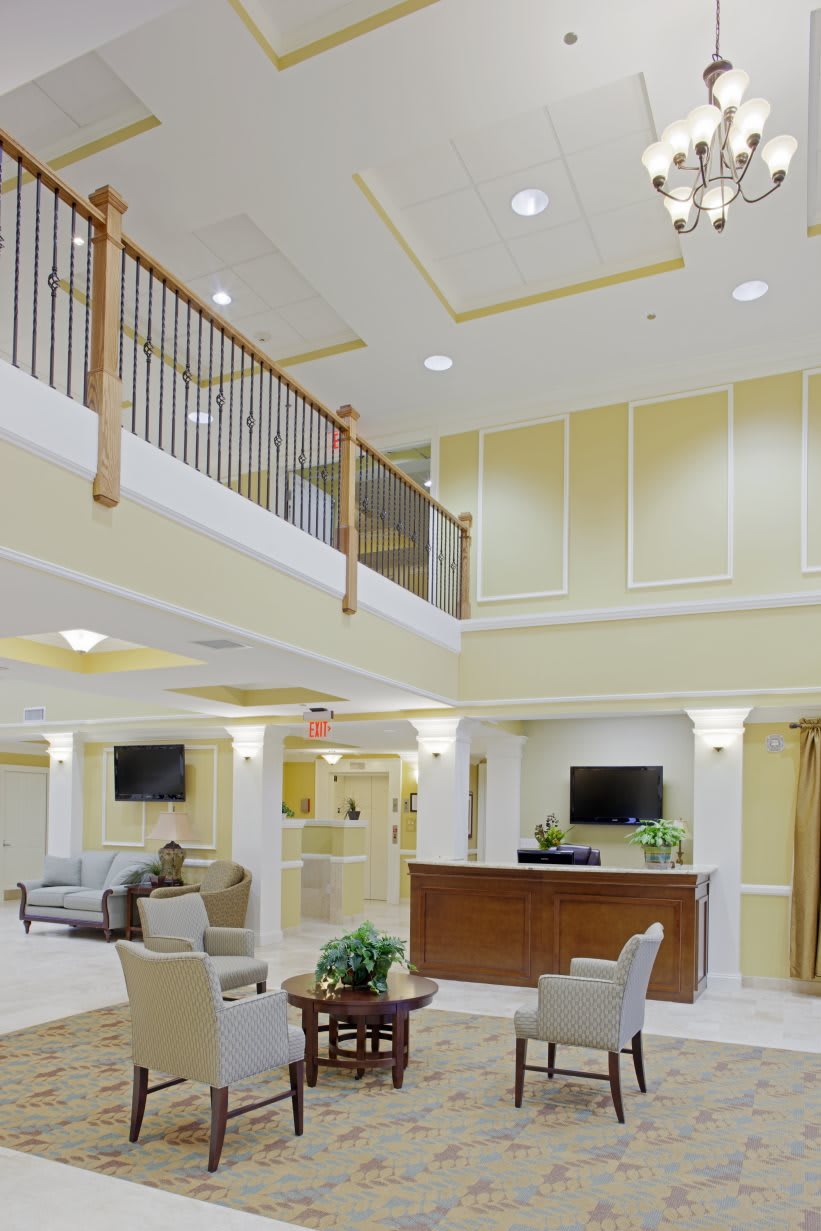
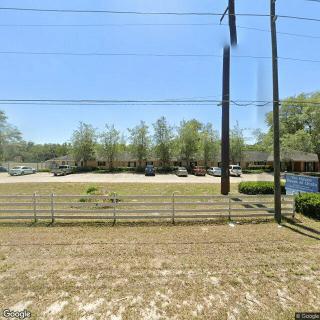
9580 SW State Road 200, Ocala, FL 34481
To contact a resident: (352) 877-7100
For more information about senior living options: (866) 208-4318
Canterfield of Ocala Costs & Pricing
At Canterfield of Ocala, residents benefit from competitive pricing across various room types compared to the broader market averages in Marion County and the state of Florida. For instance, a semi-private room is available for $2,500 per month, significantly below the county's average of $3,003 and slightly lower than the state figure of $3,009. Studio apartments are priced at $3,250, offering attractive savings against the local average of $4,464 and aligning more closely with Florida's average of $3,823. The cost for a one-bedroom apartment stands at $4,200 - higher than both the county's average of $4,908 and the state's average of $3,864 - indicating that this particular option may cater to a more premium segment. In contrast, two-bedroom accommodations at Canterfield are offered at $4,800 monthly; while this is lower than Marion County's staggering average of $7,035, it remains above Florida's statewide average of $4,711. Overall, Canterfield presents a compelling financial choice for those seeking senior living options in Ocala while balancing quality and affordability.
| Floor plans | Canterfield of Ocala | Marion County | Florida |
|---|---|---|---|
| Semi-Private | $2,500 | $3,003 | $3,009 |
| Studio | $3,250 | $4,464 | $3,823 |
| 1 Bedroom | $4,200 | $4,908 | $3,864 |
| 2 Bedrooms | $4,800 | $7,035 | $4,711 |
Memory care communities with a similar price nearby
-
About the same
Syerra's Angel Inc.
$2,500 to $3,500 / month15.5 miles away -
from +$450 / mo

Pacifica Senior Living Ocala
$2,950 to $4,195 / month0.4 miles away -
About the same
Sunshine Gardens/ Crystal River LLC
$2,550 to $5,100 / month21.6 miles away -
from +$100 / mo
The Reserve at Citrus
$2,600 to $5,540 / month16.3 miles away -
from +$395 / mo

Sumter Senior Living - Sumter Place
$2,895 to $5,245 / month22.1 miles away
Overall Review of Canterfield of Ocala
Pros
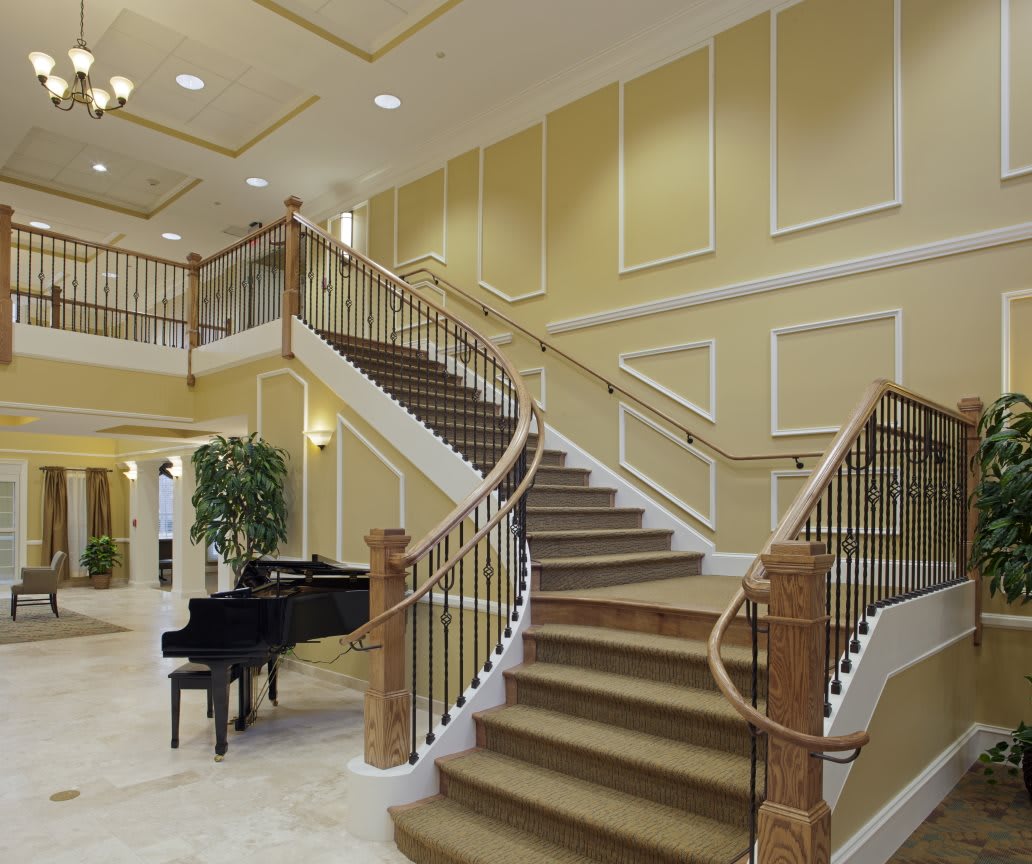
 The facility is brand-new and very nice.
 - The apartments are modern and well-appointed.
- Everything is new, and the building feels clean and bright.
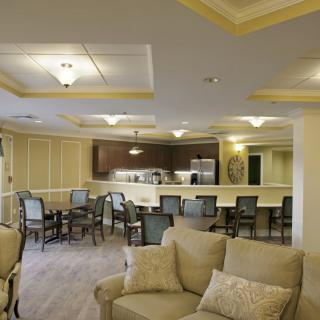
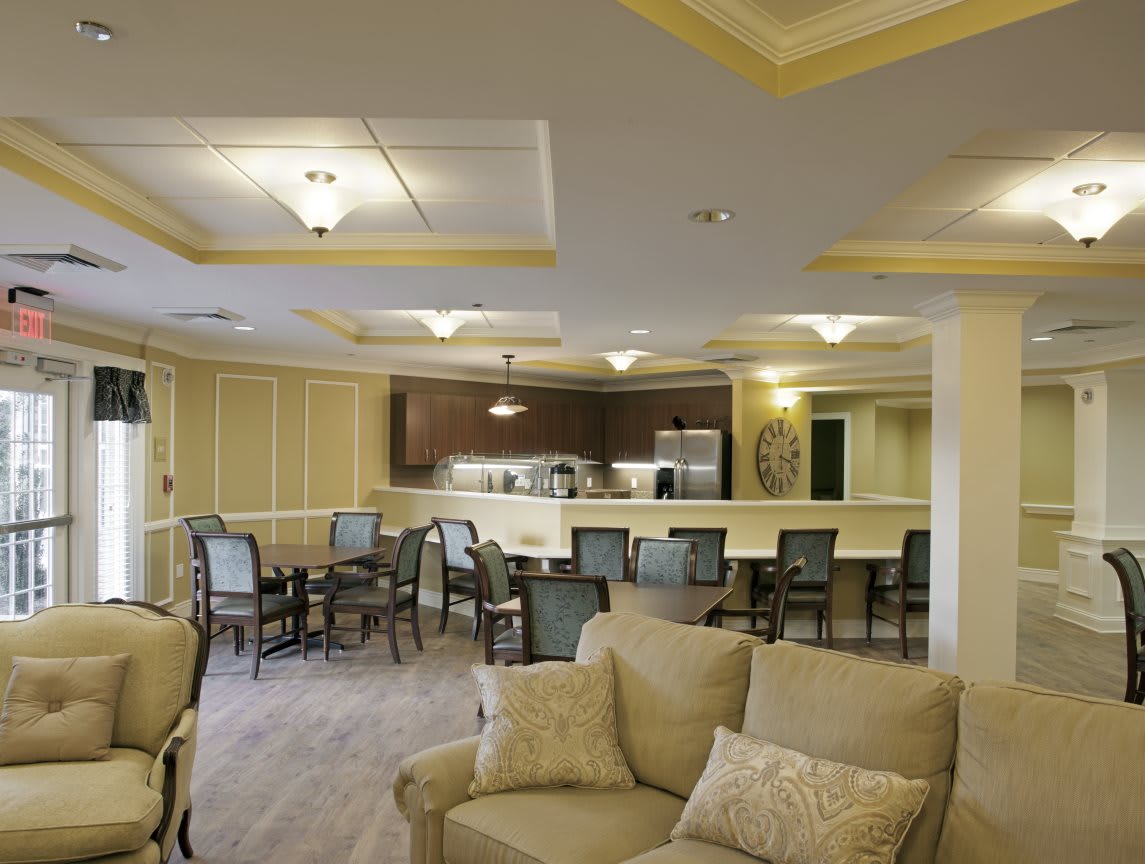
- The cafeteria, dining area, and lounge are beautiful and inviting.
- Transportation to medical appointments and on-site doctors add convenient, resident-friendly service.
- The memory care program has a high caregiver-to-resident ratio and is very clean.
- The meals are extraordinary and well-prepared.
- An activities director keeps residents engaged with a variety of daily activities.
- The staff is friendly, knowledgeable, and caring.
Cons
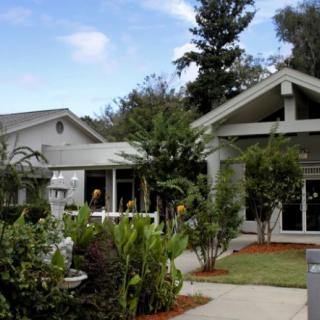
 The outside villas had not been finished yet, leaving the property looking incomplete.
- The apartments were extremely small in the living area, and the kitchen was basically a wet bar, which was disappointing.
- The price is very high; everything else is expensive, and they should lower the price.
- The facility lacked a swimming pool, which was disappointing.
- There was not much activity in the facility and not many residents were present to enjoy the music; a stronger activity calendar and more staff engagement are needed.
- The landscaping was not fully completed and many improvements were still pending.
Review
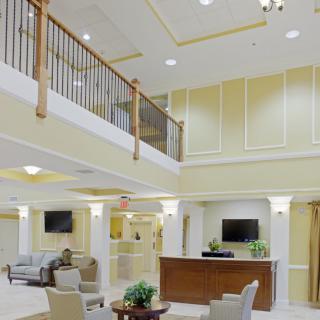
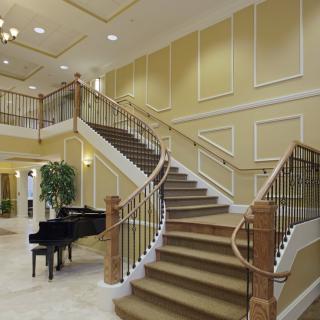
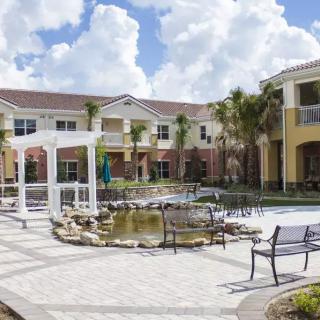
Canterfield of Ocala is best suited for families seeking a brand-new, upscale setting where cleanliness, contemporary design, and medical accessibility are nonnegotiable. The property presents as a modern, light-filled campus with very nice apartments, a welcoming lobby, and dining spaces that feel restaurant-quality. For families prioritizing medical coordination, the ability to have a doctor on site and transportation to appointments is a meaningful plus. The memory-care program, in particular, is designed around a small resident population, which translates into a notably high caregiver-to-resident ratio and a calmer, more manageable environment for individuals requiring closer supervision.
Those considering alternatives should weigh price versus program depth and activity consistency. Several reviewers flagged the price as a major factor, with some suggesting that the cost could strain budgets even as care quality remains strong. In addition, a few visits revealed concerns about activity calendars or resident engagement at certain times, especially on weekdays or when crowds were smaller. A handful of comments also pointed to incomplete outdoor landscaping or unfinished villas, and several noted compact living spaces in some apartment layouts. For families seeking a bustling, highly social atmosphere with constant programming, other communities may offer more robust calendaring of events or larger living spaces at a different price point.
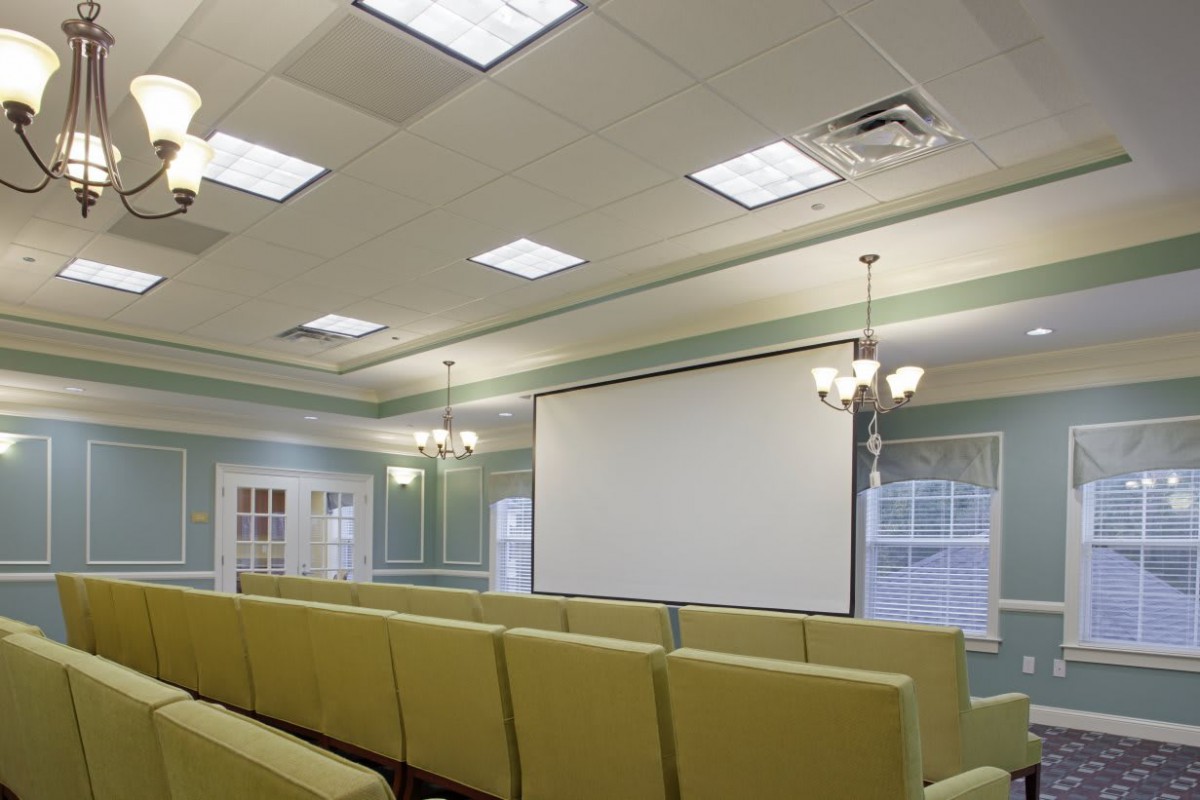
The core advantages align closely with practical expectations for late-life care. The buildingā€™s newness translates into very high cleanliness standards and an environment that feels fresh and well-maintained. The memory-care segment is explicitly highlighted as well-educated and capable, with a tiny resident cohort that supports individualized attention. Meals are repeatedly praised, with reviewers tracking menus and noting quality that surpasses many peers. A proactive activities director keeps residents engaged, and the facility offers a mix of light fitness, crafts, bingo, movies, and music-based programming, along with outdoor time on favorable days. Laundry service, convenient parking, and multiple floor plans add to the daily practicality of life here.
Still, the cons carry enough weight to influence decision-making in certain scenarios. The premium price point can be a deal-breaker for families budgeting carefully or comparing total costs against alternatives with similar care levels. The sense that activity levels can wane on slower days may matter to socially oriented residents or families who want a consistently vibrant community life. Some guests encountered gaps in information from newer staff, a reminder that a fairly new operation can still be ironing out processes. Location dynamics, being a bit tucked away with limited immediate neighborhood amenities beyond basic retail, may deter those who want easy access to a broader adult day-life ecosystem without driving.
When the positives and drawbacks are weighed, the strengths tend to offset the most consequential downsides for families prioritizing intimate, clean, and medically integrated living. The intimate memory-care setting is a compelling counterbalance to the higher cost, offering attentiveness and routine that can translate into tangible quality of life gains. The on-site medical access, paired with transportation to appointments, reduces caregiver burden and travel stress, which is a meaningful return on investment for many families. Aesthetics, quiet, and a modern, well-kept environment also support daily well-being, especially for residents who value a polished, home-like atmosphere over a more hurried, population-dense setting.
For prospective residents, the practical takeaway is clear: Canterfield of Ocala shines for families who prize modern comfort, top-tier cleanliness, and coordinated medical support within a small, easily managed community. It is particularly well-suited for memory-care residents who benefit from consistent staffing ratios and dedicated programming. Those for whom daily activity breadth, aggressive social calendars, or maximum apartment square footage are nonnegotiables should scrutinize alternatives with more expansive floor plans or more robust programming at a comparable price. In final judgment, visit during a typical activity day, confirm current staffing levels and program schedules, and verify exact villa completions and landscaping status to ensure the fit remains as strong as initial impressions.
 1-bedroom apartments
 Assisted Living
 Independent Living
 Memory Care
 Cats allowed
 Dogs allowed
 Activities off-site
 Bath tubs
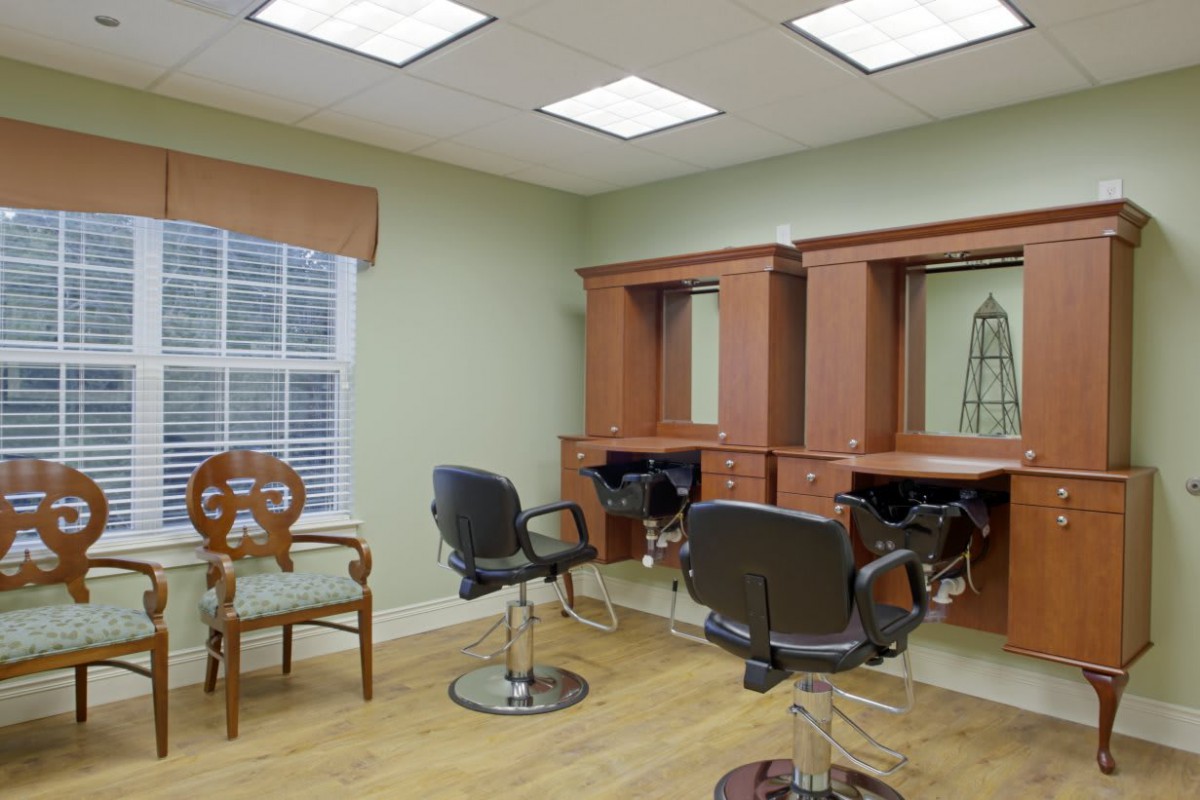
 Beautician on-site
 Cable or satellite TV
 Devotional services off-site
 Handicap accessible
 Indoor common areas
 Kitchenette
 Outdoor common areas
 Respite or short term stays offered
 Wi-Fi/high-speed internet available
 Ambulatory care
 Diabetic care
 Incontinence care
 Medication management
 Anytime dining
 Art classes
 Cooking classes
 Day trips and outings
 Educational speakers / life long learning
 Happy hour
 Karaoke
 Live dance or theater performances
 Live musical performances
 Live well programs
 Wine tasting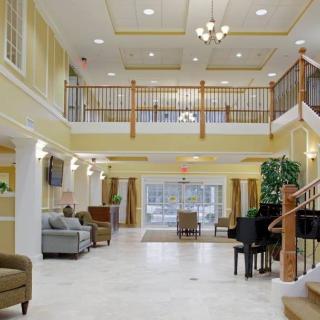

 Why Do Dementia Patients Sleep So Much? Understanding Oversleeping, Stages, and Care Approaches
 8 Key Indicators That Suggest It May Be Time to Transition from Assisted Living to Skilled Nursing Care
 Nourishing the Mind: Essential Dietary Approaches for Dementia