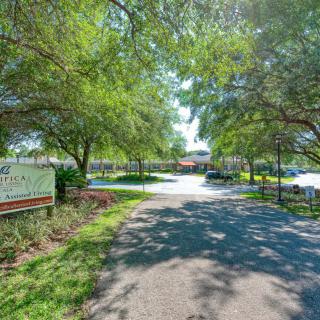
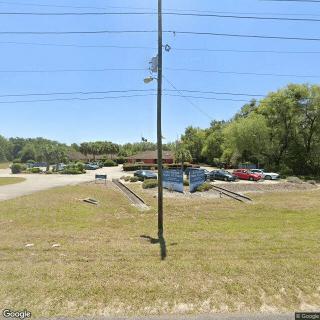
9174 South West 81st Court, Ocala, FL 34481
For more information about senior living options: (866) 208-4318
Overall Review of Bridgewater Park
Pros
 Bridgewater Park offers single, private bedrooms.
 - It is a newer facility with upgraded equipment and cleanliness.
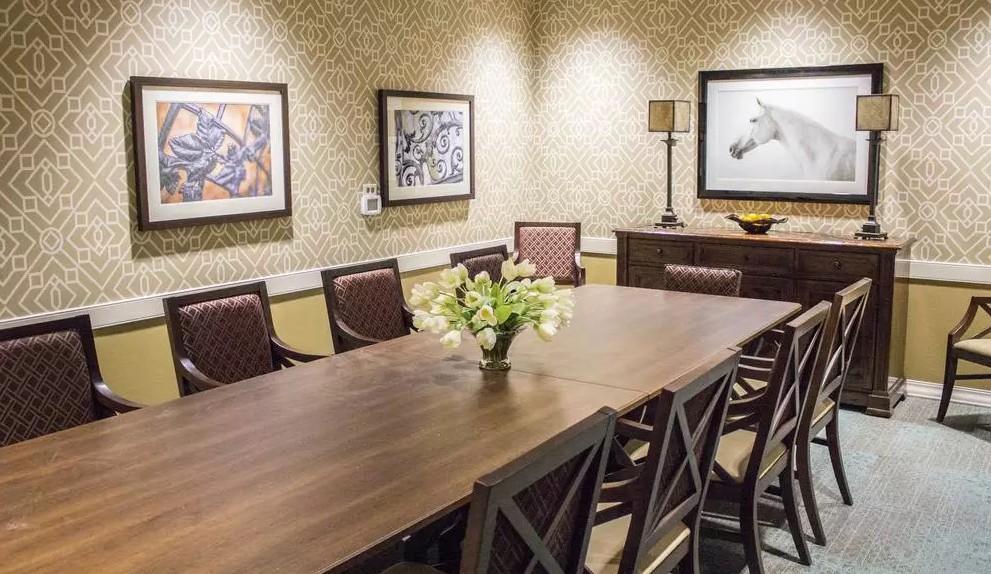
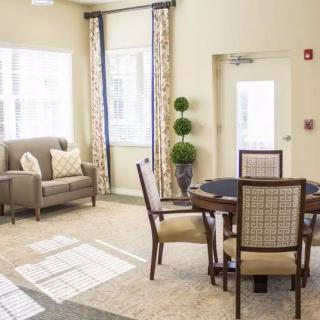
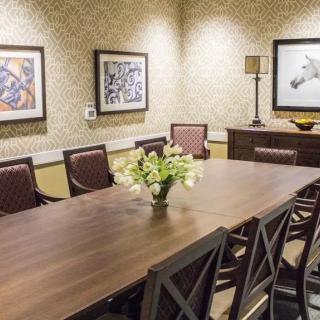
- The dining areas are intimate and home-like, not a large cafeteria.
- The staff are friendly, helpful, and knowledgeable.
- The head chef ensures balanced, well-prepared meals with advance menus for nutritional preferences.
- There are daily activities and a variety of amenities like movies, bingo, crafts, and social events.
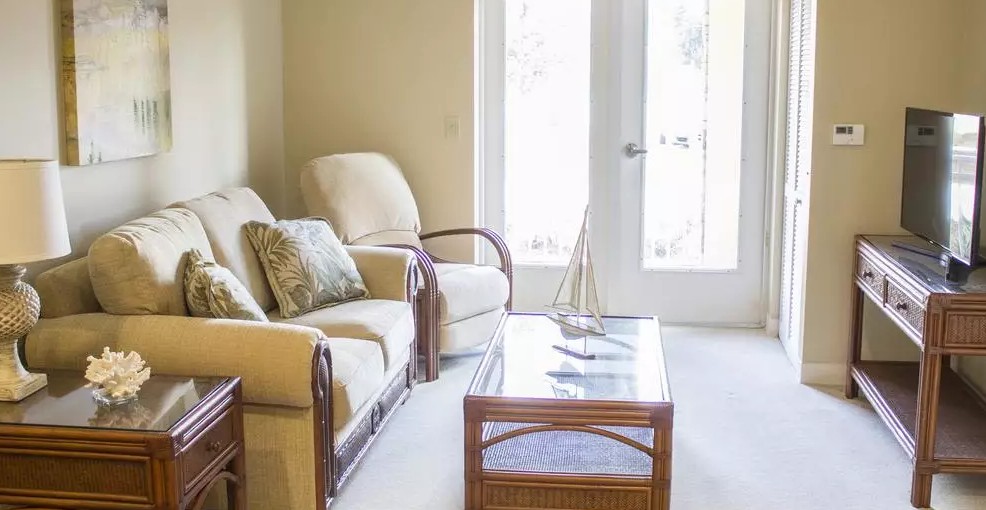
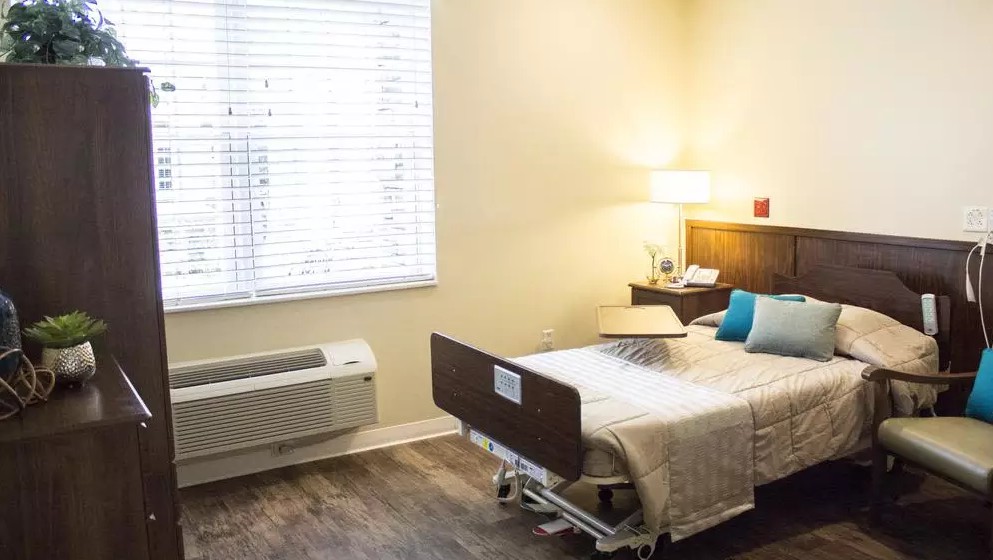
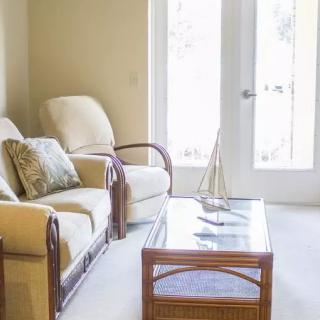
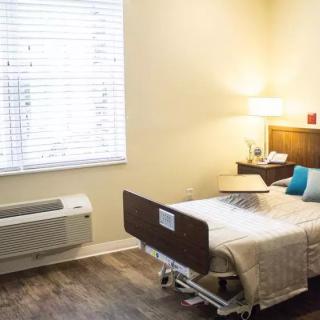
- The rooms are spacious, well-decorated, and clean, with some private baths.
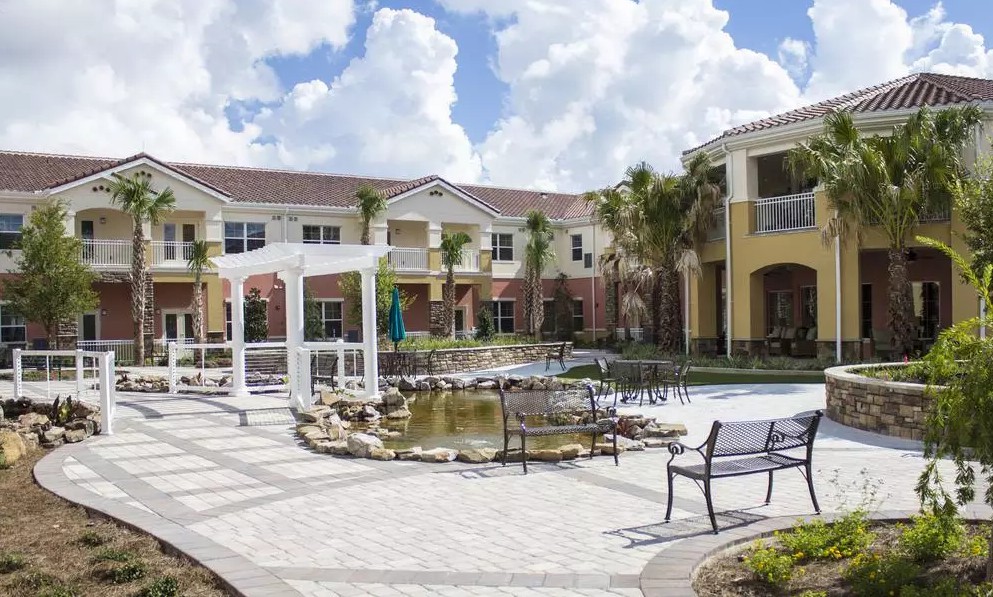
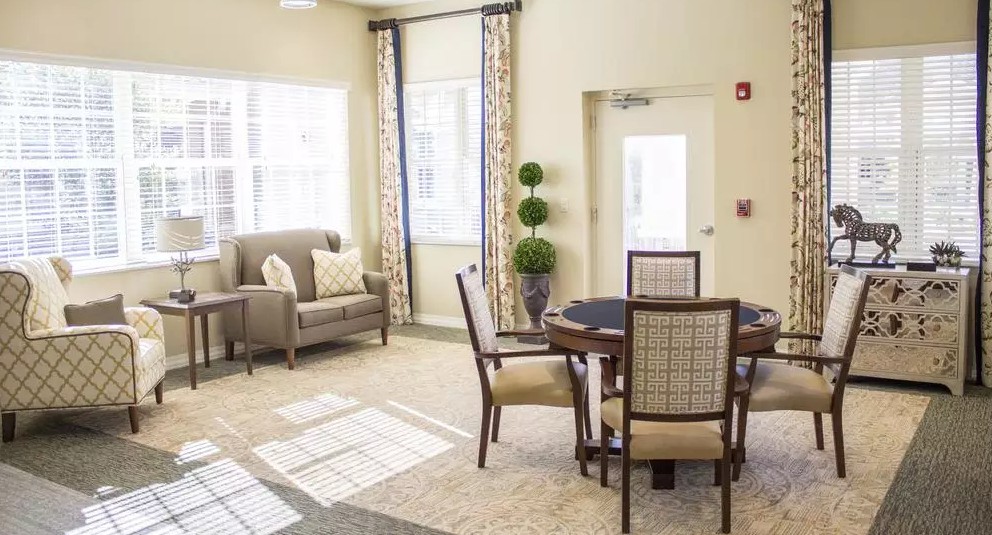
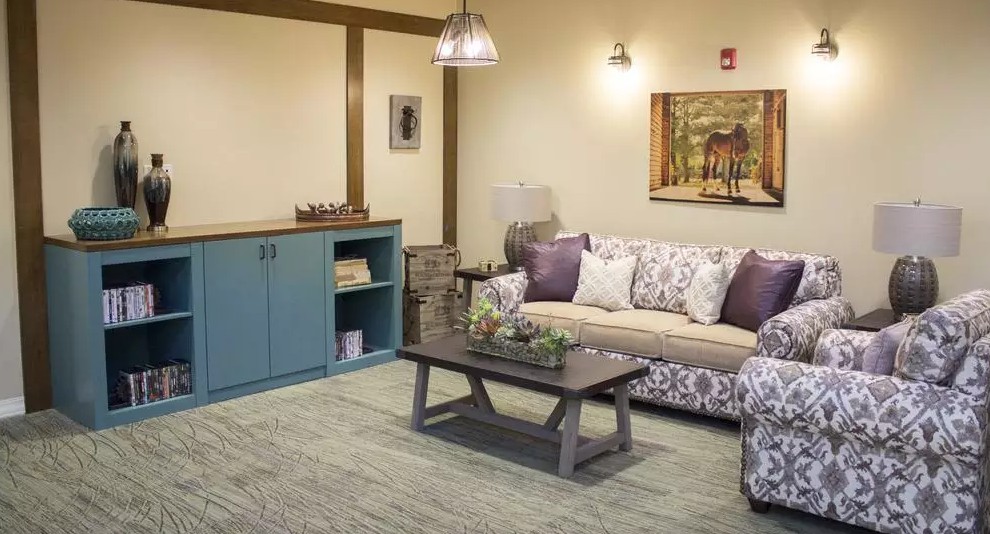
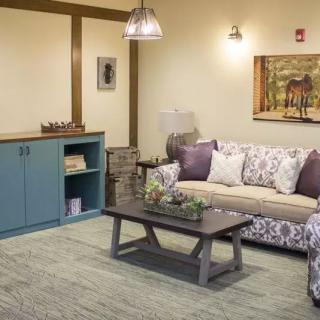
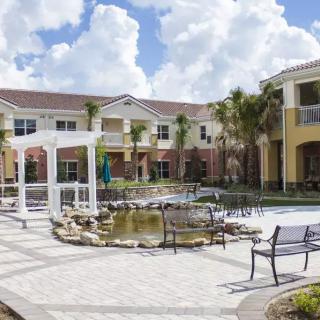
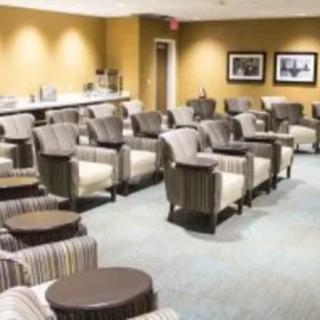
- The environment is bright, fresh-looking, and inviting, with modern furnishings.
- The administration and staff listen to resident feedback and take it seriously.
Cons
 Bridgewater Park was confusing because it’s such a big place, and they didn’t like that.
- The staff didn’t seem as friendly as in the other facility.
- It was a rehab place, and it didn’t look inviting at all.
- They weren’t told which part to go to for about a half hour.
- They didn’t pay much attention to them or get them to the right place.
- The price was a little too expensive.
- Mom hates the food, describing it as institutional.
- The facility was understaffed and shifts didn’t communicate well.
Review
Bridgewater Park in Ocala is best suited for families seeking a modern, better-than-average campus experience with private, single-occupancy rooms, a home-like dining environment, and a robust activity calendar. Its newer construction, bright common spaces, and residences that feel more like hotel suites than hospital rooms make it a compelling choice for residents who value privacy, easy access to therapy, and frequent social engagement. The community shines for those needing detailed attention in memory care or rehab, with a campus design that centers around accessible services and visible staff presence. Proximity to family homes is a practical bonus, reducing the friction of frequent visits and making ongoing involvement feasible.
Given the price point and the campus size, alternatives should be on the table for some families. Several reviewers note that Bridgewater Park can be expensive, with one account citing costs approaching six thousand dollars monthly, which naturally narrows the field for budget-conscious households. The two-story, expansive layout can also feel overwhelming or impersonal to families preferring a smaller, more intimate setting. For residents who prioritize a quicker, more straightforward intake and less maze-like navigation, or for those who want a tighter staff-to-resident ratio and sharper daily communication, a smaller assisted living or a community with a clearer, more personal touch may be preferable.
On the upside, the key advantages are substantive and well-aligned with genuine senior-care needs. Private rooms with private baths, optional balconies, and in-room amenities like a washer and dryer contribute to daily comfort and dignity. The dining model, smaller, home-like dining areas rather than a sprawling cafeteria, supports social interaction and a sense of normalcy, while menus and meal planning show responsiveness to resident preferences. The campus hosts a broad slate of activities, movies, bingo, crafts, and talent or seasonal events, and memory care and rehab programs are described as thoughtful, with attentive staff, individualized attention, and opportunities for social engagement that can curb isolation. The atmosphere is consistently described as bright, clean, and welcoming, with staff who demonstrate genuine care in many reports.
Yet, several tangible drawbacks temper the positives. Staffing levels and cross-shift communication emerge as recurring friction points: messages left with one shift may not be carried forward, leading to inconsistent updates about meals, therapy needs, or care instructions. The sheer size of the campus can contribute to a sense of disorganization or delays in getting timely assistance, particularly in rehab contexts where prompt attention matters. While the facility is praised for attentiveness in certain departments and in memory care, other experiences reveal unevenness in the care experience, some residents’ families report room for improvement in therapy intensity and in day-to-day responsiveness. Food, while adequate to good for some, is not universally loved, and opinions about dining quality vary by resident taste.
The most persuasive argument that the strongest features can offset the cons is the combination of a modern, secure environment with a genuine culture of resident input and care. The presence of a resident council and direct engagement from the director and department heads signal a facility that takes resident feedback seriously, and that accountability can translate into better food options, better activity calendars, and more transparent communication about care plans. For families prioritizing rehabilitation or memory care, Bridgewater Park’s dedicated spaces, bright common areas, and the option for private accommodations reduce the stress of transitions and contribute to a higher baseline of daily comfort. The trade-off is real, but not insurmountable if the budget allows and if staffing reliability is actively checked during tours and intake.
In making a decision, families should approach Bridgewater Park with a practical plan: visit during a typical day to observe how staff triages conversations and how quickly questions about meals, therapies, and medications are answered. Evaluate whether the therapy schedule aligns with the resident’s needs and whether additional outside therapy options are feasible. Probe the dining program, ask to sample a meal and review the menu rotation, and confirm room configurations to match the resident’s preferences for space and privacy. If cost is manageable and the resident thrives in an active, sociable setting with a strong nursing and memory care framework, Bridgewater Park stands out as a compelling choice. If not, consider smaller campuses or communities with a tighter staff structure and lower price points to achieve a similar level of personalized care and daily engagement.
 134 resident community capacity
 1-bedroom apartments
 Assisted Living
 Independent Living
 Memory Care
 Skilled Nursing Facility
 Air-conditioning
 Beautician on-site
 Cable or satellite TV
 Computer center
 Dining room
 Fitness room
 Fully furnished
 Gaming room
 Garden
 Housekeeping services
 Kitchenette
 Laundry
 Move-in coordination
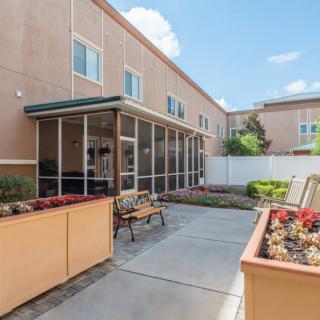
 Outdoor space
 Party space
 Private bathrooms
 Respite or short term stays offered
 Restaurant-style dining
 Small library
 Telephone
 Wellness center
 Wi-Fi/high-speed internet available
 Community operated transportation
 12-16 hour nursing
 24-hour call system
 Activities of daily living assistance
 Assistance with bathing
 Assistance with dressing
 Assistance with transfers
 Diabetes diet
 Hospice care
 Medication management
 Mental wellness program
 Physical therapy
 Special dietary restrictions
 Concierge services
 Planned day trips
 Religious services
 English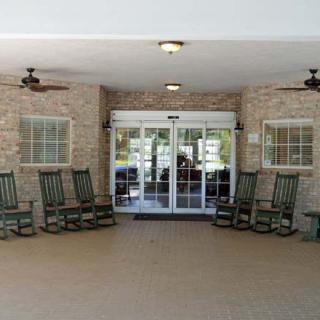

 Dementia-Related Hallucinations: Causes, Experiences, and Practical Approaches
 Illuminating Insights About Alzheimer's Disease: Ten Crucial Realities
 A Thorough Discussion of Medications Potentially Linked to Dementia Risk