
Hartford County, West Hartford, CT 06107
To contact a resident: (860) 707-0965
For more information about senior living options: (866) 208-4318
Overall Review of Elizabeth Manor Home Care, CT
Cons
 The staff were very disrespectful and not kind at all.
- The unit had roaches.
- There was flooding a couple of months ago.
- There was no remote control for the air conditioner.
- The apartment was filthy when it was rented.
- The care manager is mean and disrespectful.
Review
Elizabeth Manor Home Care in West Hartford is best suited for families seeking an affordable housing-and-care option where cost savings are a priority and expectations for flawless service are flexible. In practical terms, it works best for seniors who can tolerate variation in day-to-day experiences and who are prepared to stay actively involved in supervision and communications with staff. The setting is plainly a lower-cost entry into assisted living, pitched toward residents who do not require a consistently high-touch level of care and who can accept that quality may fluctuate from one unit to the next.
Prospective residents who must have pristine, pest-free living spaces or smooth, problem-free maintenance should consider alternatives. The limited reviews available flag serious deal-breakers: pest issues, a history of flooding, and cleanliness problems in at least one apartment. The care experience is further called into question by a description of the care manager as disrespectful. In short, any family prioritizing scrupulous housekeeping, prompt maintenance, and respectful, responsive staff should look beyond Elizabeth Manor and toward communities with clearer, consistently positive service records.
On the upside, the presence of a care manager indicates an integrated approach to coordinating basic support with housing. A 5-star review exists, suggesting that some residents or families have had notably positive experiences, and that the concept of combining living space with on-site oversight can work well for the right resident. This implies potential value for those who can tolerate variability and who bring their own expectations for oversight, routines, and communication. The model can still deliver convenience and a sense of ongoing caregiver engagement, provided the environment can be kept clean and responsive.
Yet the main cons present a substantial hurdle. Roaches and filtration of pests raise health and comfort concerns that no family should accept lightly in a residential setting. A flooding incident points to safety and maintenance gaps that require immediate attention and reliable remediation. Reports of filthy apartments undermine basic dignity and can erode trust in care delivery. The missing remote control for the air conditioner signals a lack of essential conveniences and potential comfort limitations, especially for residents sensitive to temperature. The most troubling element remains the reported meanness and disrespect from the care manager, which can erode trust and escalate stress for residents and families alike.
How the perceived pros can offset the cons is a matter of careful judgment. If budget constraints are non-negotiable, and family members are prepared to participate actively, coach staff, monitor housekeeping, and demand timely pest control and maintenance responses, the model may still function for a resident who prioritizes affordability over pristine conditions. This requires clear expectations, documented maintenance SLAs, and a steadfast commitment to follow through on concerns. Before deciding, ask pointed questions about pest control cadence, unit cleanliness standards, maintenance response times, and staff training in resident dignity and communication. Insist on a concrete remediation plan with timelines and accountability.
Ultimately, Elizabeth Manor Home Care presents a mixed package. It may deliver value to families who can tolerate, and even expect, variability while prioritizing affordability and basic oversight. For anyone with nonnegotiable standards around cleanliness, pest control, reliable climate comfort, and consistently respectful care, alternatives are advisable. The prudent path is to compare competing communities with stronger, more consistent reputations for maintenance, housekeeping, and staff conduct, then use those benchmarks to negotiate specifics if this option is pursued. A candid site visit, a thorough review of resident agreements, and a clear plan for accountability will determine whether this community can be made to meet real-world needs or if the better choice lies elsewhere.
 Bradley International (13 miles away)
 Excellent access to parks, dining, pharmacies, physicians, restaurants, and hospitals nearby.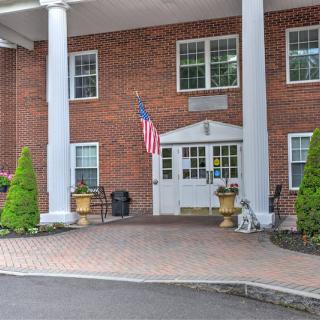



 Ten Vital Duties of a Senior Caregiver: A Comprehensive Guide
 9 Stimulating Memory Activities for Seniors: Puzzles, Cards, and Much More
 Managing Nursing Home Expenses After Medicare Coverage Ends