The Cottage at Litchfield Hills offers a competitive pricing structure for its residences when compared to both Litchfield County and the broader state of Connecticut. For a semi-private room, residents pay $3,400 per month, significantly lower than the county average of $4,718 and the state average of $5,829. Studio accommodations are also affordably priced at $5,400, which is somewhat above the county's average but remains below Connecticut's higher rate. One-bedroom units are available for $6,053, presenting a notable contrast to Litchfield County's steep average of $9,836 while remaining inline with the state's mean cost. Interestingly, two-bedroom options at The Cottage are priced at $6,610, which exceeds both Litchfield County and Connecticut averages. Overall, The Cottage provides attractive pricing for key living arrangements amidst varying regional costs, making it an appealing choice for prospective residents seeking value in quality senior living.
Floor plans
The Cottage at Litchfield Hills
Litchfield County
Connecticut
Semi-Private
$3,400
$4,718
$5,829
Studio
$5,400
$4,851
$5,919
1 Bedroom
$6,053
$9,836
$6,383
2 Bedrooms
$6,610
$5,314
$5,070
Skilled Nursing Facilities with a similar price nearby
Residents and families consistently describe staff who are kind, attentive, and respectful.
Across many reviews, families describe staff who take time to listen, notice needs, and treat residents with care and respect. Multiple reviewers specifically mention frequent check-ins and responsiveness when help is needed, including assistance with everyday needs and day-to-day routines. Several people also highlight communication with families, describing updates and reassurance as part of the experience.
differentiator8 reviews mention this
Memory care support stands out
Reviews repeatedly point to strong support for residents dealing with dementia and memory changes.
Several reviews center on memory care, including stories of families bringing a loved one after a rapid dementia decline and feeling the care was a clear improvement. Residents are described as being encouraged to stay engaged through activities, with staff described as gentle and understanding in the memory care setting. One reviewer also mentions staff handling confusion and daily support needs, including reminders and help with personal care, as part of the overall approach.
common10 reviews mention this
Meals are a frequent bright spot
Food quality and variety come up often in resident and family feedback.
Many reviewers say meals are excellent or not institutional, and several mention variety across the menu. Families also describe specific dining experiences such as residents enjoying their food, having enough choice, and appreciating meal service details like room delivery when needed. A smaller number of comments describe food issues, but the overall pattern in reviews leans positive.
common9 reviews mention this
Activities keep residents engaged
Residents are described as staying busy with programs, outings, and group events.
Reviews frequently mention scheduled activities and a social scene in common spaces, including games, music, movies, and craft or religious programming. Several families say their loved ones enjoy staying active and that staff encourage participation. Some reviews also describe outings like scenic drives, while at least one reviewer questions how well activities match different ability levels and whether all residents get the same opportunities.
common6 reviews mention this
Value shows up in pricing
Multiple reviews describe the community as a good value for the care and services provided.
Several reviewers describe the facility as reasonably priced or offering good value relative to the care they experienced. This lines up with published pricing that sits substantially below county and state benchmarks across unit types. A few people also mention that what families get can differ depending on individual needs, which is worth considering alongside the overall value feedback.
caveat2 reviews mention this
Care depends on staffing and follow-through
A small number of reviews raise concerns about staffing levels and medical follow-through.
Not all feedback is positive: one reviewer describes repeated falls, hospital trips, and a need to bring in outside help because they felt the community was understaffed. Another review raises concerns about an incident management delay that the reviewer felt could have led to hospitalization. These comments are the main negative theme in the reviews, while most other reviews emphasize attentive care and timely support.
How we summarize
Counts show how many written reviews mention each theme; a review can touch several themes, and only frequently mentioned themes are displayed.
Features
Housing
22 resident community capacity
1-bedroom apartments
2-bedroom apartments
Studio apartments
Types of Care
Assisted Living
Memory Care
Skilled Nursing Facility
Pets
Cats allowed
Dogs allowed
Amenities
Activities off-site
Activities on-site
Air-conditioning
Beautician on-site
Beauty salon
Cable or satellite TV
Computer center
Devotional services off-site
Devotional services on-site
Dining room
Financing advice
Fireplaces
Fully furnished
Gaming room
Garden
Garden view
General store
Ground floor units
Guasts at mealtime
Guest parking
Handicap accessible
Housekeeping services
Indoor common areas
Kitchenette
Laundry
Move-in coordination
Outdoor common areas
Outdoor patio
Outdoor space
Overnight guests
Party space
Private bathrooms
Private cleaning services
Religious/meditation center
Resident parking
Respite or short term stays offered
Restaurant-style dining
Small library
Spa
TV room
Telephone
VA Benefits Consultation
Wheelchair accessible showers
Wi-Fi/high-speed internet available
Transportation
Transportation & parking
Transportation arrangement
Transportation arrangement (non-medical)
Care Services
24-hour call system
24-hour supervision
Activities of daily living assistance
Ambulatory care
Assistance with bathing
Assistance with dressing
Assistance with transfers
Care with behavioral issues
Coordination with health care providers
Dementia waiver
Diabetes diet
Diabetic care
High acuity care
Hospice care
Hospice waiver
Incontinence care
Meal preparation and service
Medication management
Mental wellness program
Mild cognitive impairment
Physical therapy
Special dietary restrictions
Specialized memory care programming
Transportation arrangement (medical)
Transportation to doctors appointments
Dining
Anytime dining
Diabetes diet
Gluten-free
Guest meals
International cuisine
Kosher
Low / no sodium
Meals provided
No Sugar
Organic
Professional chef
Restaurant style dining
Room service
Special dietary restrictions
Special dining programs
Vegetarian
Activities
Activities off-site
Art classes
Arts and crafts
Catholic services
Community-sponsored activities
Concierge services
Cooking classes
Devotional activities offsite
Devotional activities on-site
Educational speakers / life long learning
Fitness programs
Games
Gardening club
Live musical performances
Live well programs
Other religious services
Protestant services
Religious services
Resident-run activities
Scheduled daily activities
Stories
Visiting Rabbi
Visiting chaplain or priest
Wii bowling
Languages Spoken
English
Nearby Places of Interest
This area of Torrington, Connecticut offers a variety of amenities that may be appealing to seniors looking for a peaceful and convenient place to live. Within close proximity, there are cafes such as Angie's Coffee & More and Panera Bread, as well as restaurants like Ninety Nine Restaurant and Twin Colony Diner & Restaurant. Medical facilities including the Mccall Center for Behavioral Health and New England Orthopedic Center are located nearby, ensuring easy access to healthcare services. Additionally, there are places of worship such as St Paul's Lutheran Church and Joseph's House for spiritual fulfillment. For outdoor recreation, residents can enjoy parks like Burr Pond State Park and Litchfield Green. Overall, this area provides a mix of urban conveniences and natural beauty that may be attractive to seniors seeking a vibrant yet serene community for their retirement years.
Cafes
Angie's Coffee & More (1.3 miles)
Panera Bread (4 miles)
Meraki (5.7 miles)
Arethusa A Mano (7.9 miles)
Warren General (11.3 miles)
Station Place Cafe (12 miles)
Physicians
Kathuria, Nirmal Dr - Mccall Center for Behavioral Health (1.7 miles)
Medical Office Building (2.2 miles)
Family Practice of Litchfield County (2.2 miles)
New England Orthopedic Center (2.2 miles)
CT Kidney & Hypertension Specialists (2.2 miles)
Advanced Medical Imaging Fixed MRI at Charlotte Hungerford Hospital (2.3 miles)
Arthritis & Allergy Assoc PC (2.3 miles)
Restaurants
McDonald's (1.7 miles)
Ninety Nine Restaurant (2.2 miles)
Twin Colony Diner & Restaurant (2.3 miles)
Burger King (2.3 miles)
Peaches N' Cream (2.6 miles)
Dos Amigos Restaurant (2.8 miles)
Carbone's Market (2.8 miles)
Pharmacies
CVS Pharmacy (1.7 miles)
Walmart Pharmacy (3.9 miles)
CVS Pharmacy (8.4 miles)
Walgreens (13.1 miles)
Towne Apothecary (13.2 miles)
CVS Pharmacy (13.8 miles)
Places of Worship
Joseph's House (2 miles)
St Paul's Lutheran Church (3.1 miles)
St Joseph Roman Catholic Church (8.3 miles)
Redeemer's Ridge Ministries (8.4 miles)
United Church Of Christ In CRNWLL (9.3 miles)
Greater Washington Coalition (11.1 miles)
Church of Eternal Light (11.6 miles)
Hospitals
Gambro Healthcare Torrington (2.2 miles)
Charlotte Hungerford Md (2.6 miles)
Charlotte Hungerford Hospital (2.6 miles)
Charlotte Hungerford Child Guidance Clinic (2.9 miles)
Winsted Health Center (8.6 miles)
Hungerford Emergency & Medical Care Mammography (8.6 miles)
The Cottage at Litchfield Hills offers a competitive pricing structure for its residences when compared to both Litchfield County and the broader state of Connecticut. For a semi-private room, residents pay $3,400 per month, significantly lower than the county average of $4,718 and the state average of $5,829. Studio accommodations are also affordably priced at $5,400, which is somewhat above the county's average but remains below Connecticut's higher rate. One-bedroom units are available for $6,053, presenting a notable contrast to Litchfield County's steep average of $9,836 while remaining inline with the state's mean cost. Interestingly, two-bedroom options at The Cottage are priced at $6,610, which exceeds both Litchfield County and Connecticut averages. Overall, The Cottage provides attractive pricing for key living arrangements amidst varying regional costs, making it an appealing choice for prospective residents seeking value in quality senior living.
The Cottage at Litchfield Hills' comprehensive array of features is meticulously designed to enhance the quality of life for residents with dementia or Alzheimer's disease. Continuous 24-hour supervision ensures safety and immediate support, while assistance with activities of daily living--including bathing, dressing, and transfers--promotes independence and dignity. The facility addresses behavioral issues with tailored care strategies, helping residents navigate challenges associated with their condition. Coordination with healthcare providers facilitates holistic management of health needs, complemented by a dementia waiver that allows for personalized approaches. Incontinence care and meal preparation take into account individual preferences and requirements, promoting comfort and nutrition. Medication management ensures adherence to treatment plans, while a mental wellness program supports emotional resilience. Residents also benefit from specialized memory care programming that caters to varying cognitive levels, including mild cognitive impairment. Furthermore, physical therapy enhances mobility and overall physical health, while transportation arrangements assist in accessing necessary medical appointments seamlessly. Together, these services create a nurturing environment that fosters engagement and wellbeing for individuals facing the complexities of memory loss.
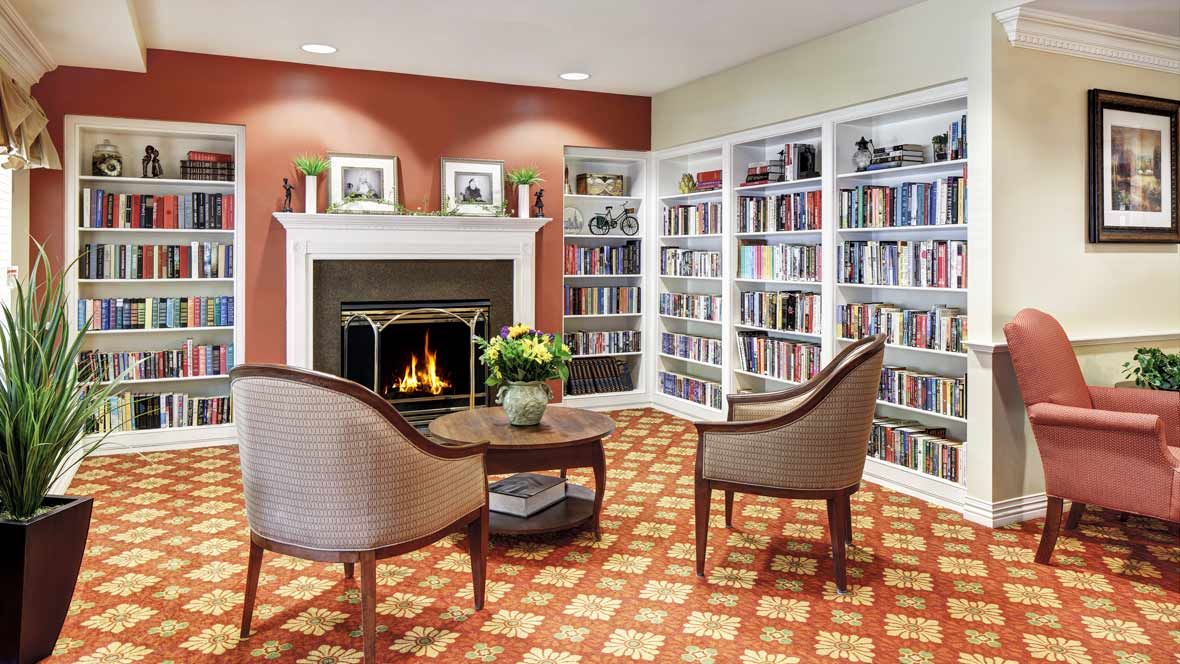
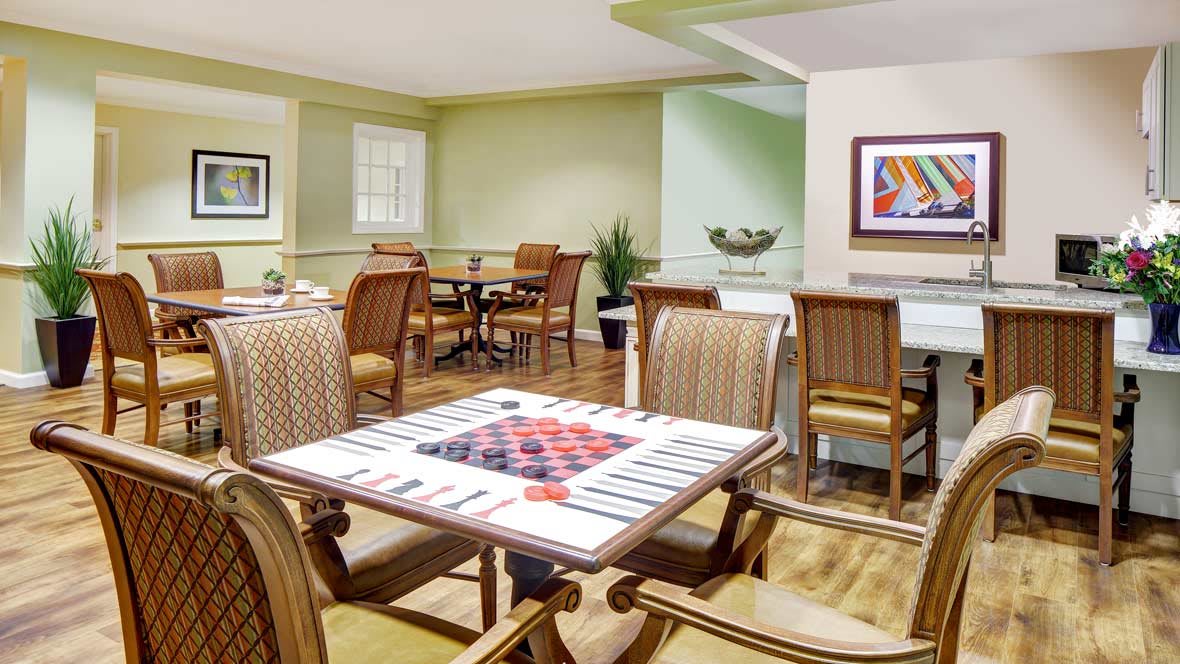
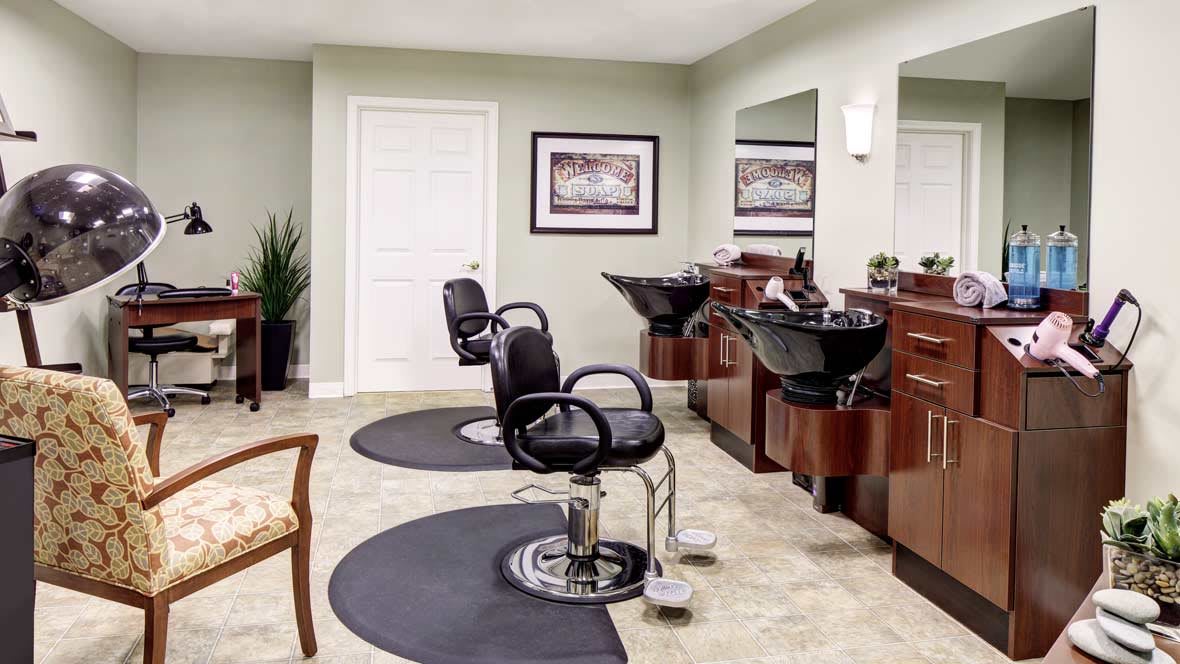
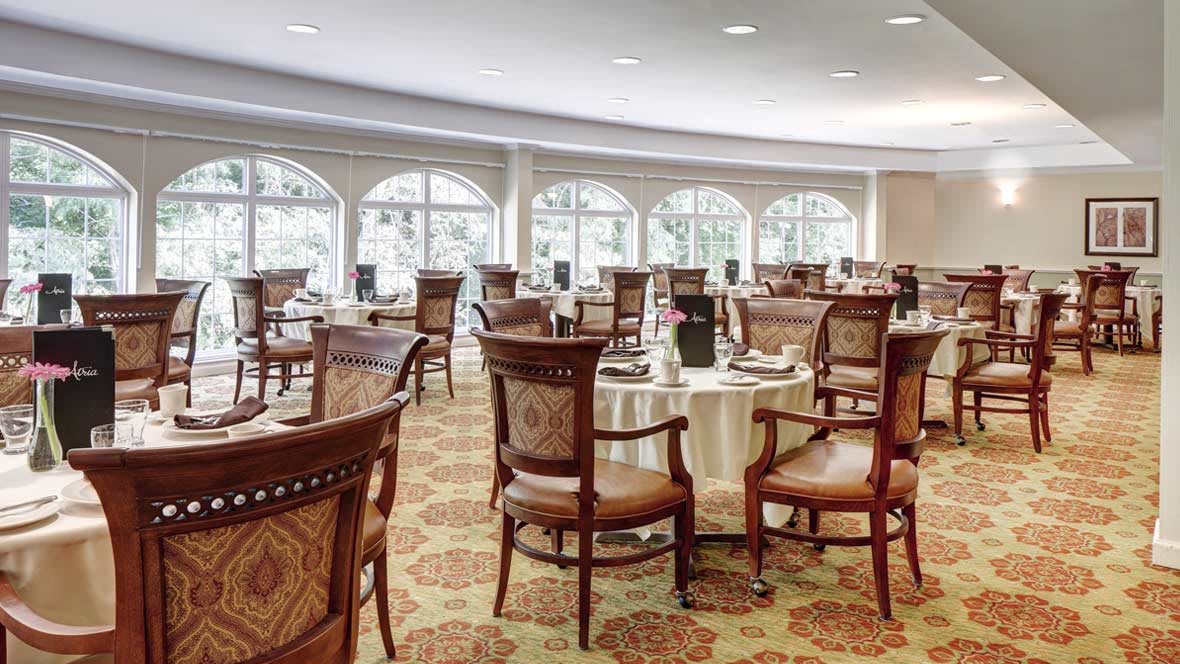
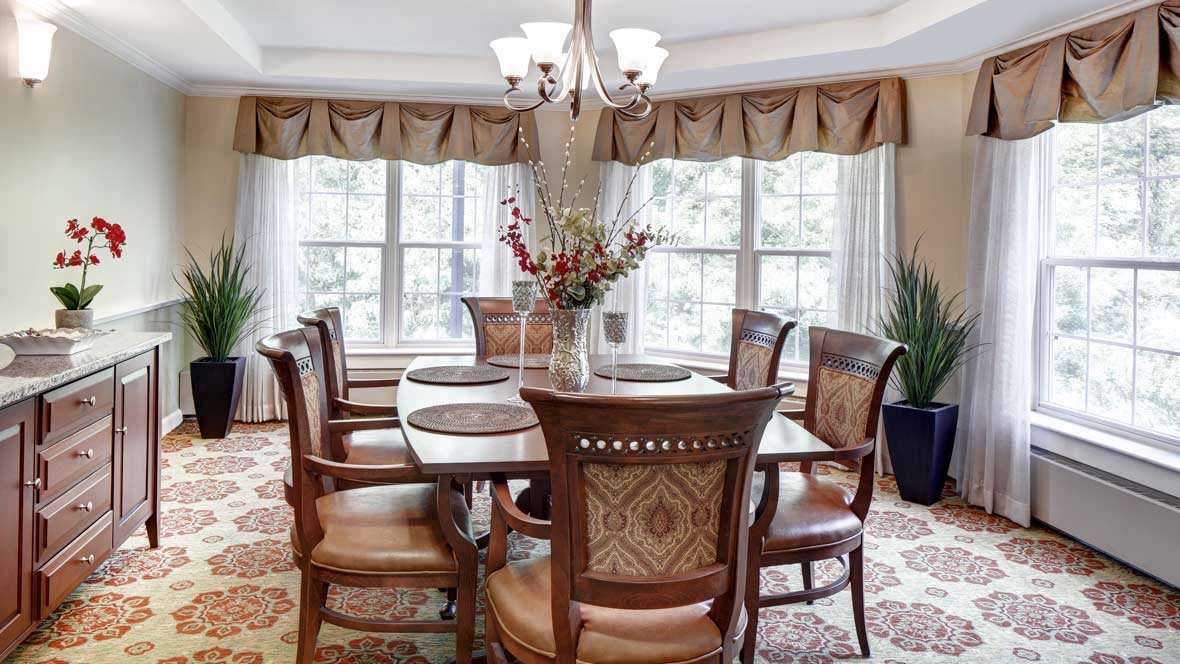
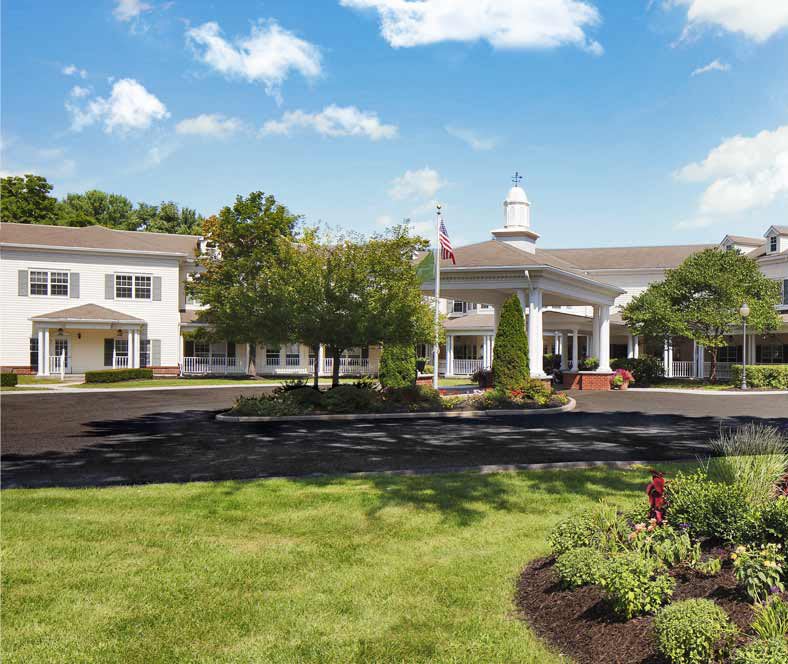
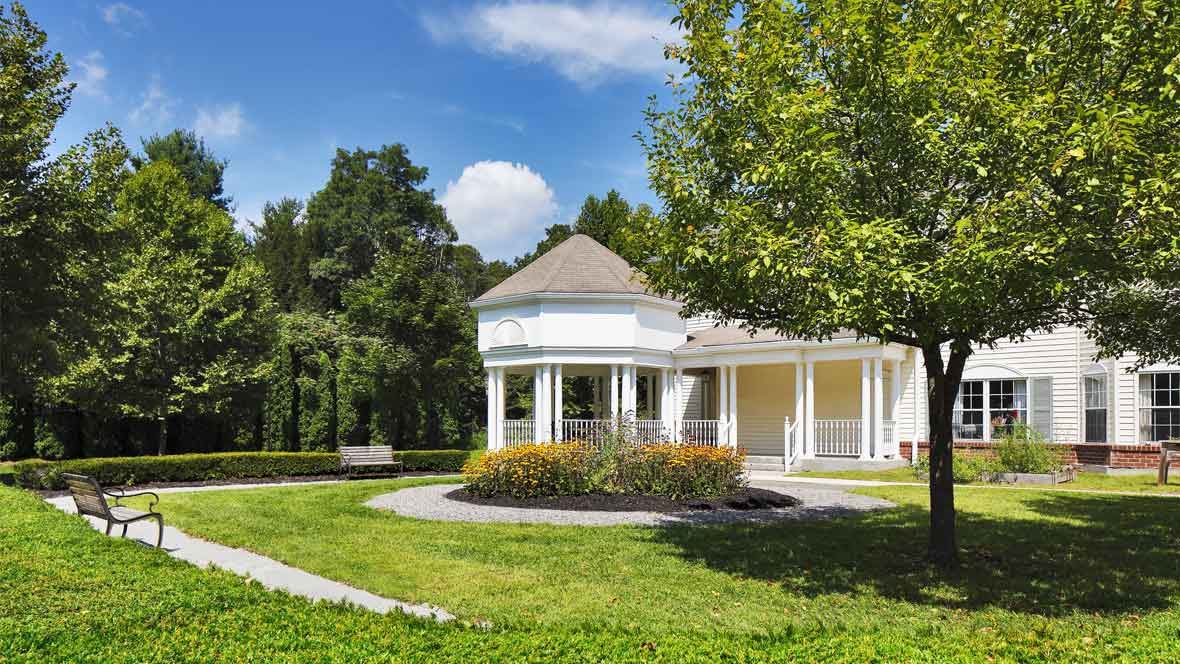
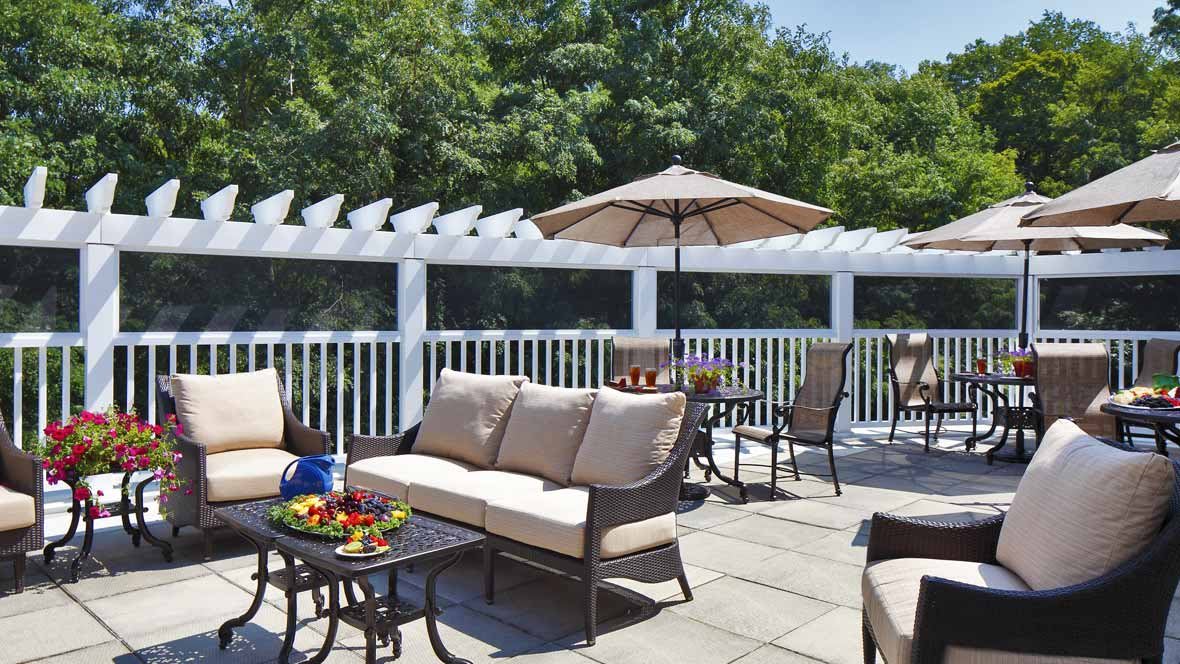
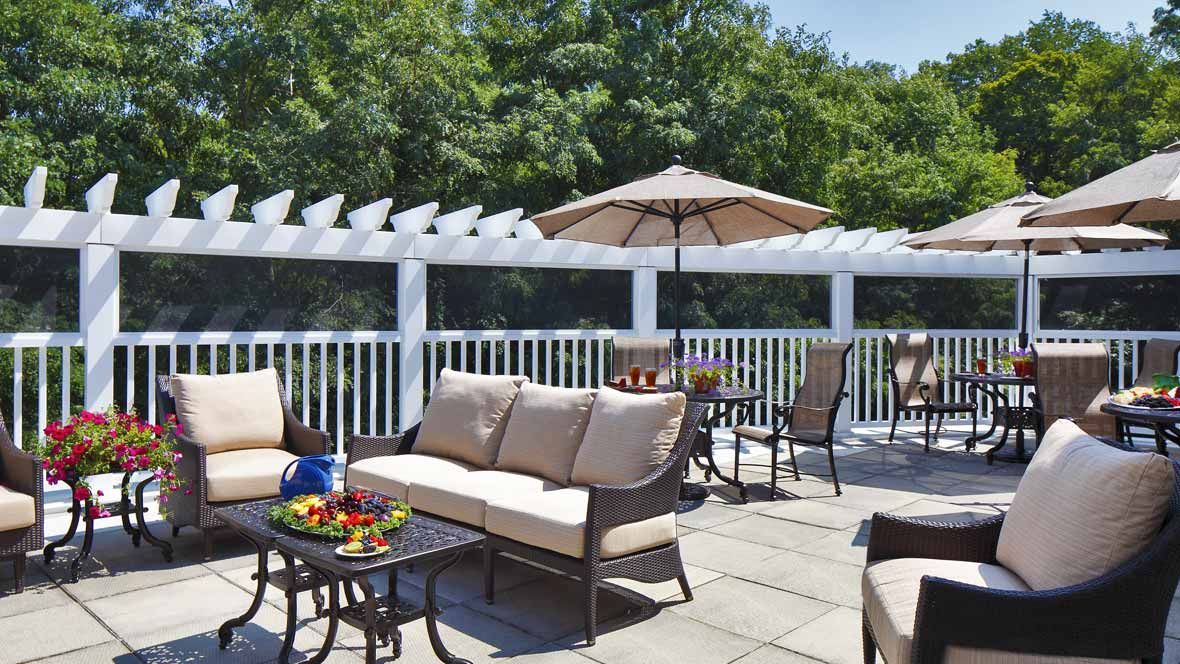
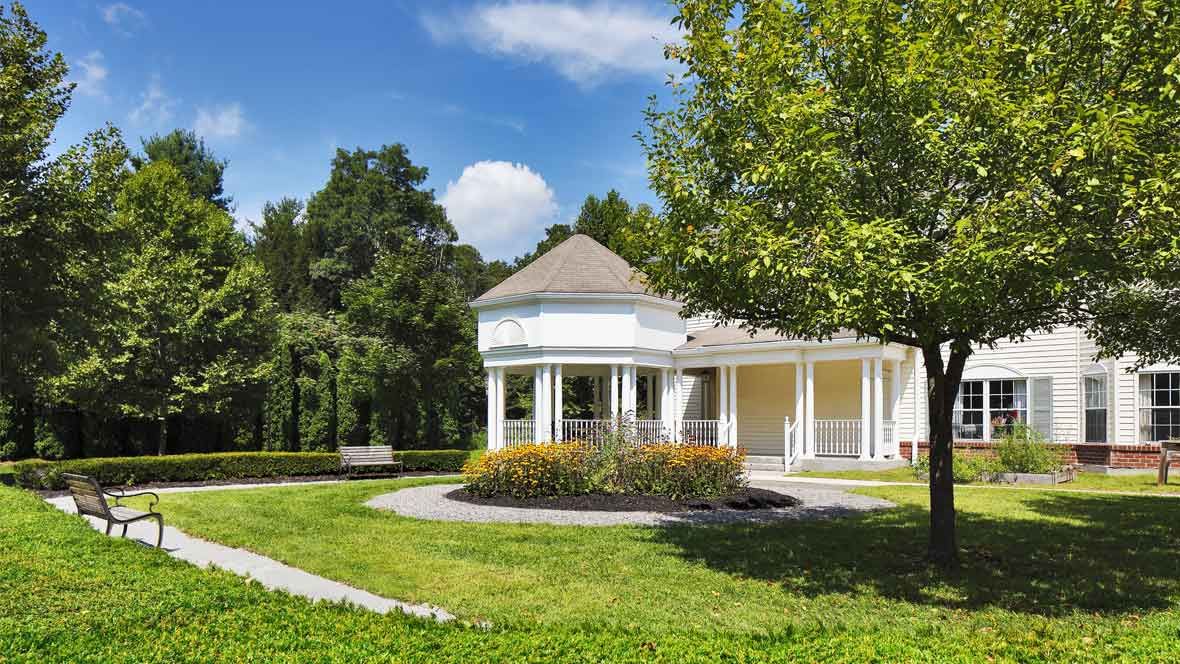
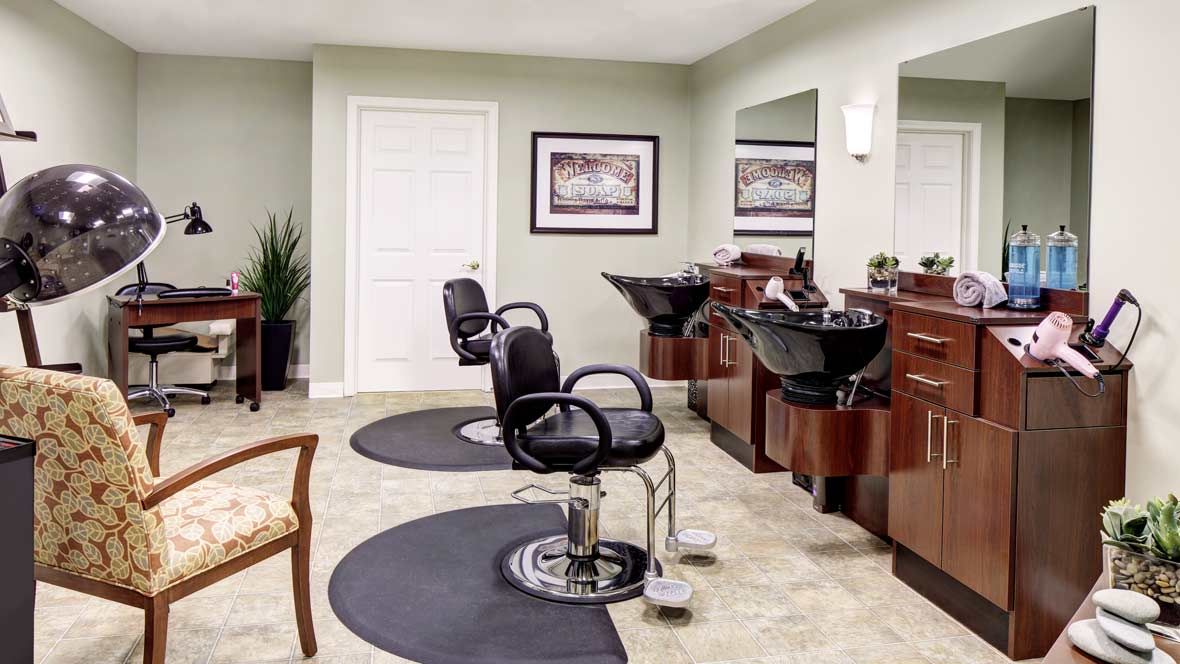
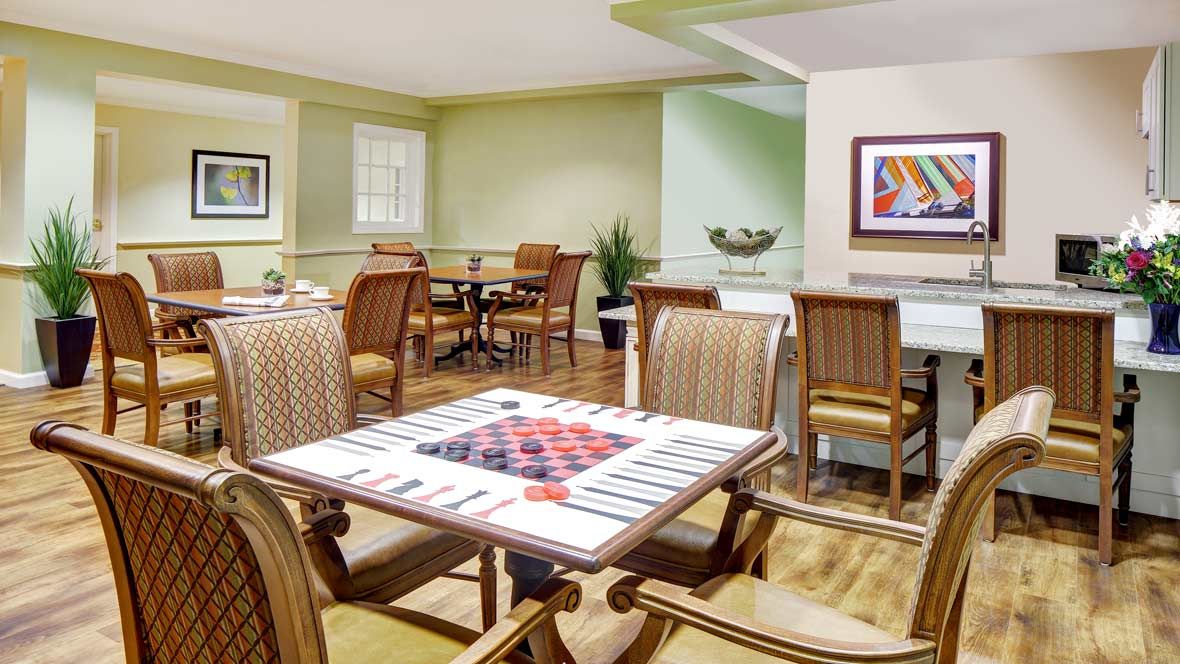
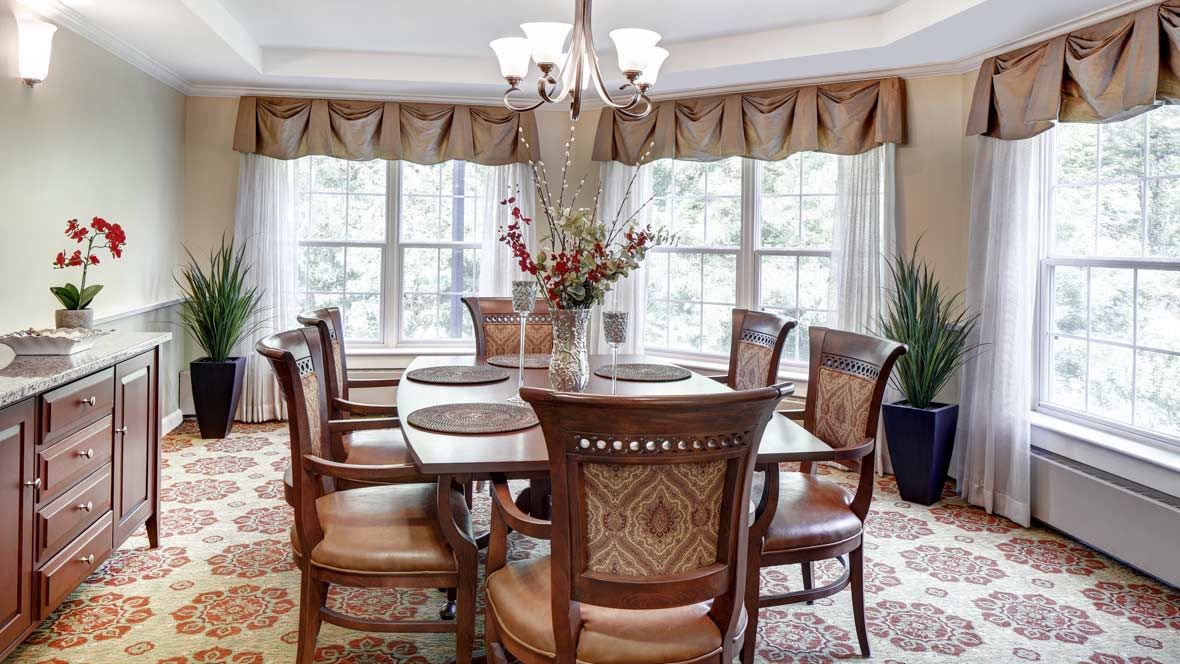
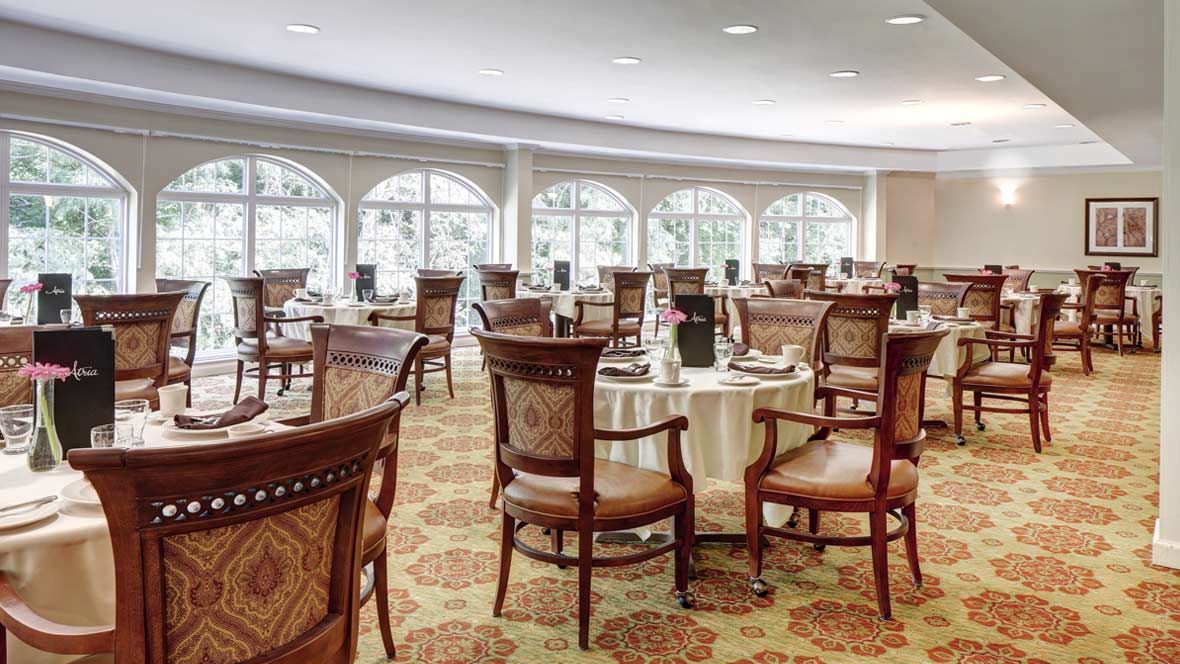
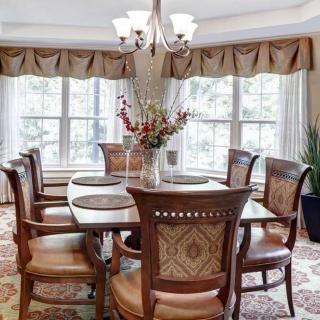
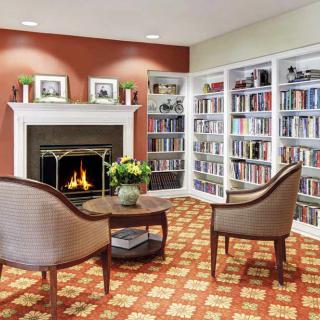
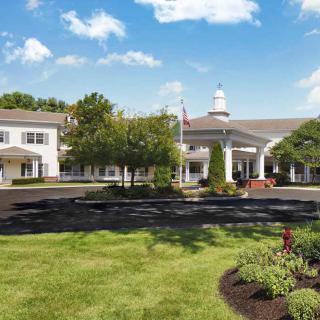
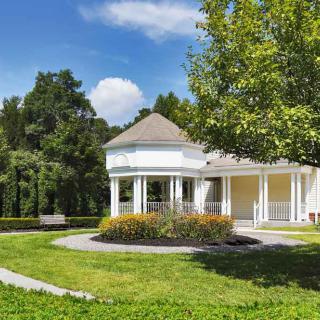
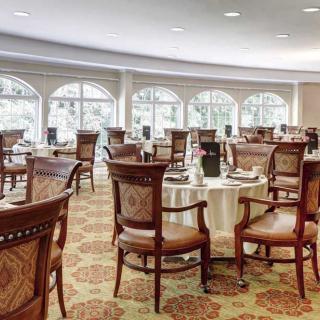
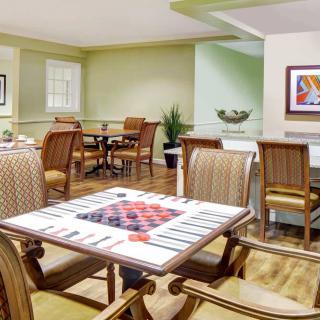
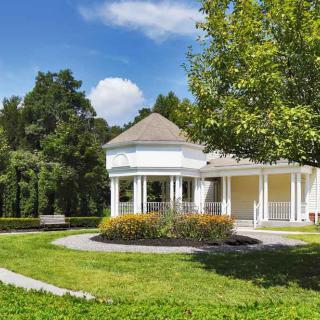
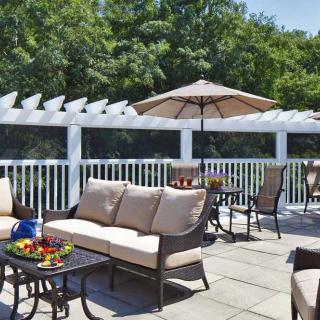
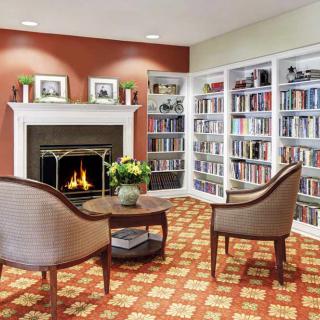
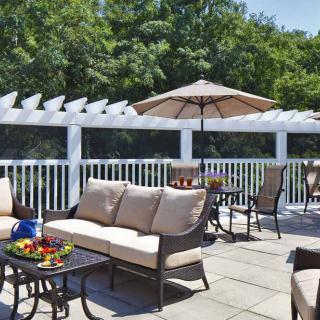
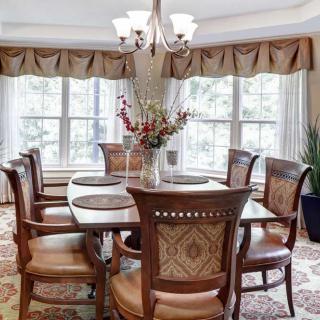
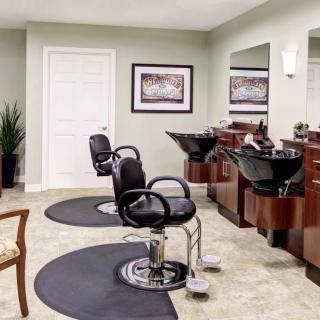
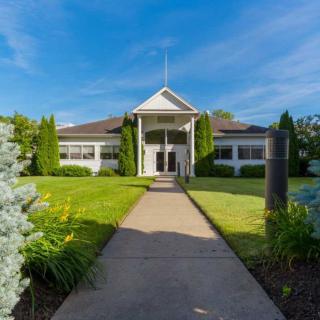
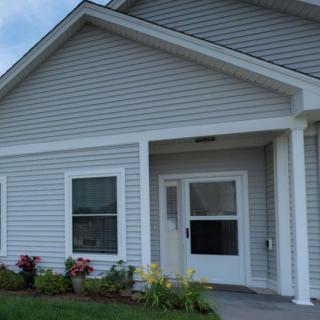
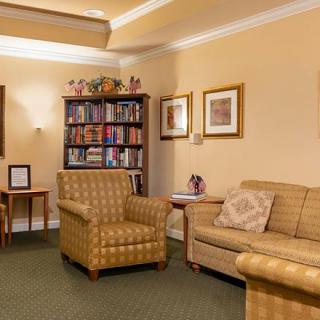
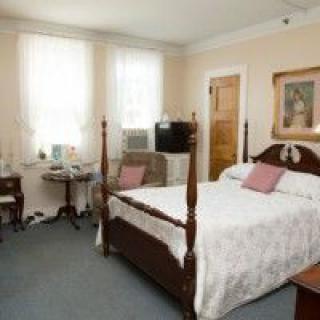
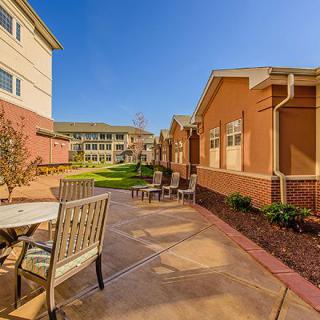
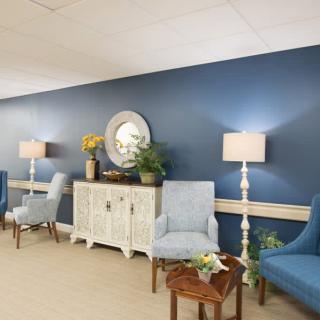
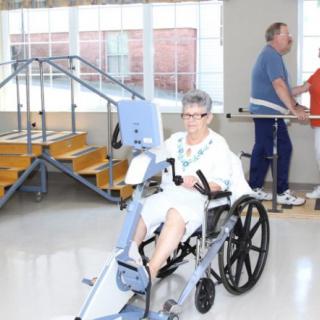
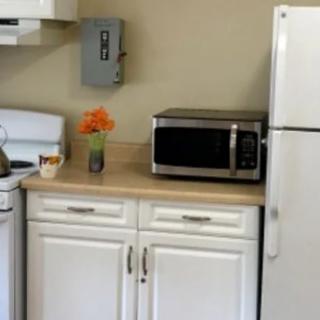
The Cottage at Litchfield Hills on seniors.fyi includes 16 photos including images showing interior, dining, windows, decor, outdoor, landscaping, artwork, nature, and more.
Nearby Communities
Litchfield Woods Health Care Center
Torrington, CT
3.8 from 66 reviews
Extensive amenities and comprehensive care services
Wolcott Hall Nursing Center
Torrington, CT
4.3 from 32 reviews
Dedicated CNAs and strong rehab staff, plus high-quality meals.
Dementia, influenced by aging and certain medications, may be exacerbated by drug classes such as anticholinergics, benzodiazepines, and antipsychotics, which are associated with cognitive impairment. Regular medication reviews by healthcare professionals are crucial for older adults to manage risks and optimize cognitive health.
Dementia often results in disrupted sleep patterns, leading to excessive daytime sleeping due to factors like brain damage affecting circadian rhythms, medication side effects, and lack of structure in daily activities. Caregivers must monitor these changes closely, as oversleeping can increase risks such as malnutrition or dehydration, and provide necessary support and routines to enhance patient engagement and well-being.
The transition from assisted living to skilled nursing care is often prompted by complex medical needs that assisted living cannot meet, with key indicators including frequent health declines, increased falls, severe memory issues, and caregiver burnout. Families should recognize these signs early to discuss options with healthcare providers and prepare for the emotional and logistical aspects of moving to a facility that offers comprehensive medical support.
Get PricingAsk A QuestionSchedule A TourContact Senior Advisor
By clicking submit, you agree to our Partner's Terms of Use. You
also consent to receive calls and texts, which may be autodialed, from our Partner. Your consent is not a condition to
using our Partner's service. Please visit our Partner's Privacy Policy for information about their privacy practices.


 22 resident community capacity
 1-bedroom apartments
 Assisted Living
 Memory Care
 Skilled Nursing Facility
 Cats allowed
 Dogs allowed
 Activities off-site
 Air-conditioning
 Beautician on-site
 Cable or satellite TV
 Computer center
 Devotional services off-site
 Dining room
 Financing advice
 Fireplaces
 Fully furnished
 Gaming room
 Garden
 General store
 Ground floor units
 Guest parking
 Handicap accessible
 Housekeeping services
 Indoor common areas
 Kitchenette
 Laundry
 Move-in coordination
 Outdoor common areas
 Outdoor patio
 Overnight guests
 Party space
 Private bathrooms
 Respite or short term stays offered
 Restaurant-style dining
 Small library
 Spa
Spa Telephone
 Wheelchair accessible showers
 Wi-Fi/high-speed internet available
 Transportation & parking
 24-hour call system
 Ambulatory care
 Assistance with bathing
 Assistance with dressing
 Assistance with transfers
 Care with behavioral issues
 Diabetes diet
 Diabetic care
 Hospice care
 Incontinence care
 Medication management
 Mental wellness program
 Physical therapy
 Special dietary restrictions
 Transportation arrangement (medical)
 Art classes
 Catholic services
 Concierge services
 Cooking classes
 Educational speakers / life long learning
 Fitness programs
 Games
Games Live musical performances
 Stories
 Visiting Rabbi
 Wii bowling
 English
 Extensive amenities and comprehensive care services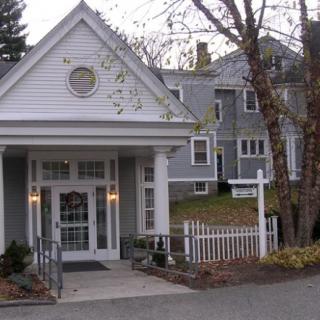

 A Thorough Discussion of Medications Potentially Linked to Dementia Risk
 Why Do Dementia Patients Sleep So Much? Understanding Oversleeping, Stages, and Care Approaches
 8 Key Indicators That Suggest It May Be Time to Transition from Assisted Living to Skilled Nursing Care