Shady Oaks Assisted Living in Bristol, CT

Save

  • Interior

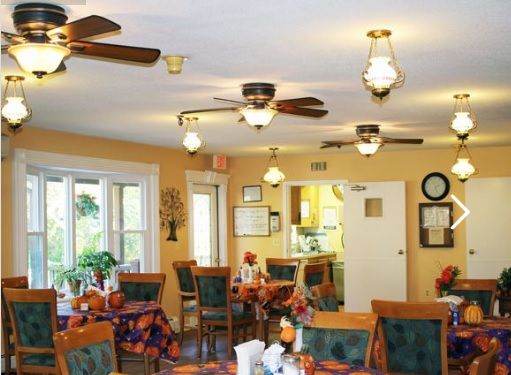
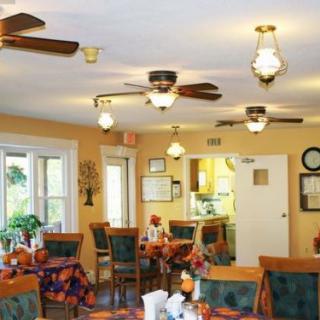
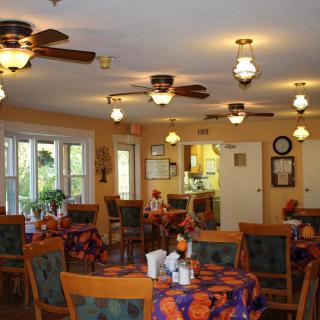
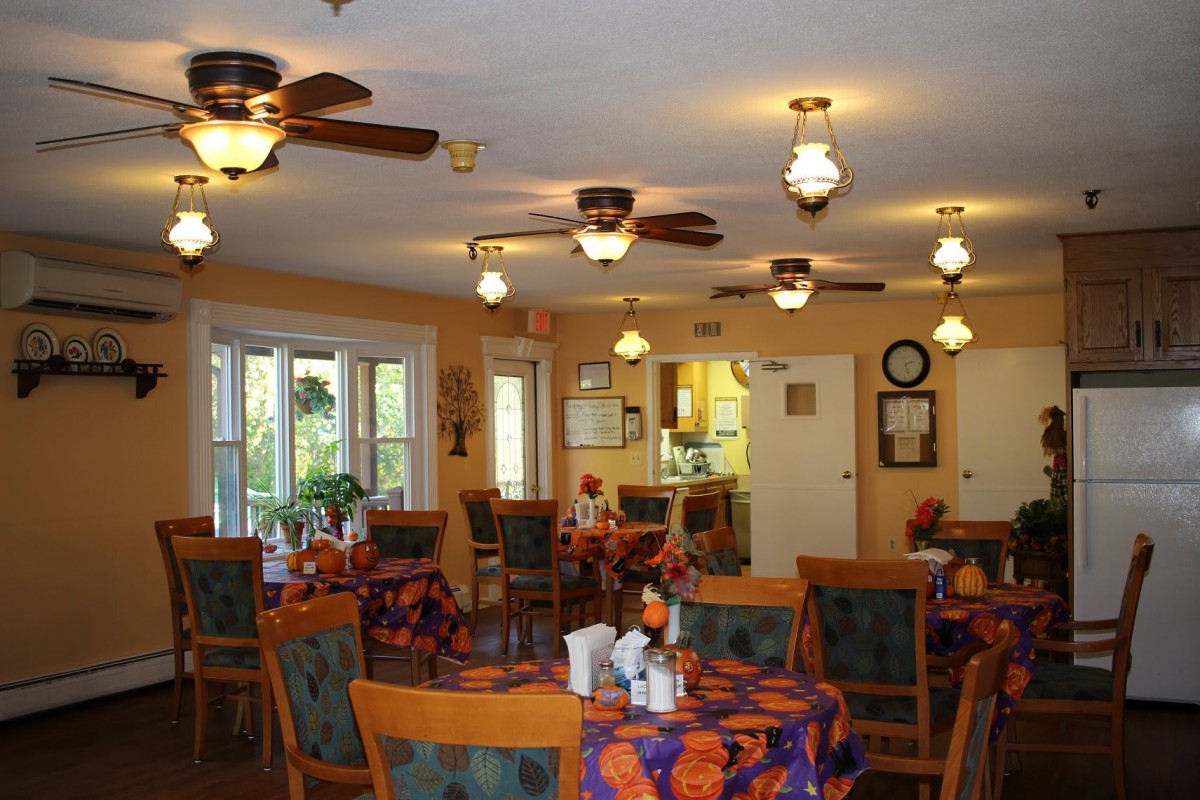
    A cozy dining room with multiple ceiling fans, tables set for meals, and warm lighting.
  • Outdoors

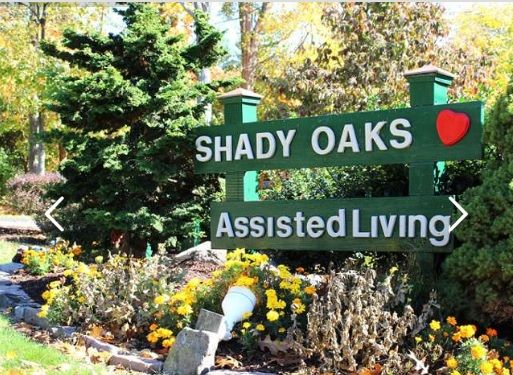
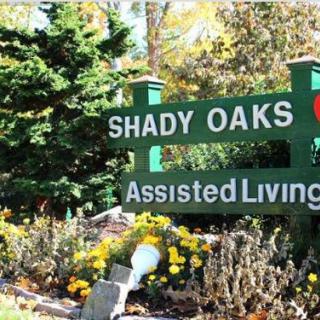
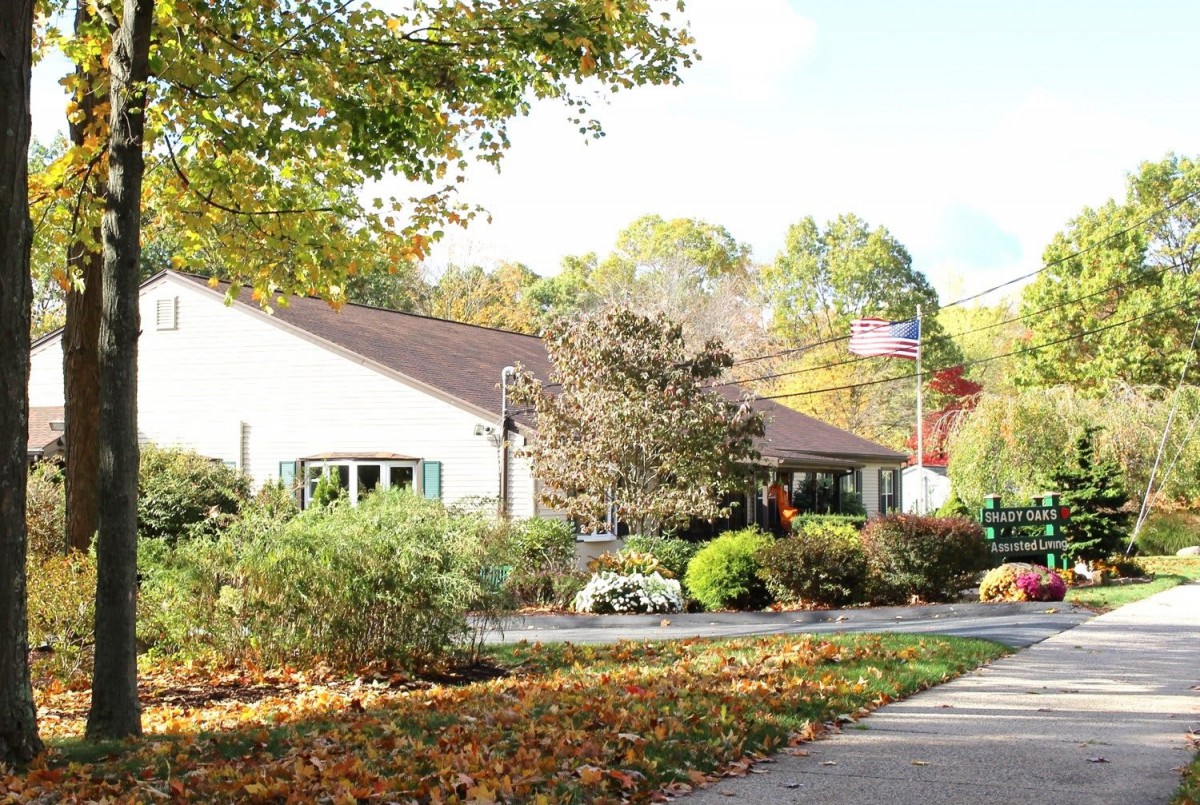
    A sign for Shady Oaks Assisted Living surrounded by plants and trees.
  • Decor

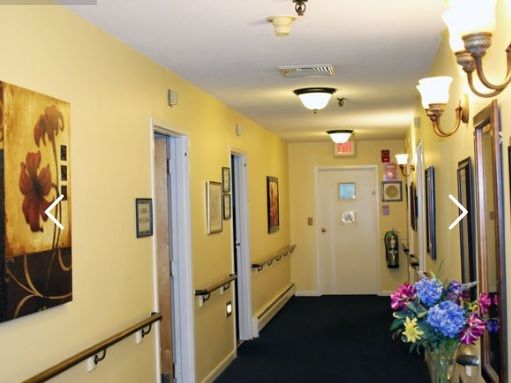
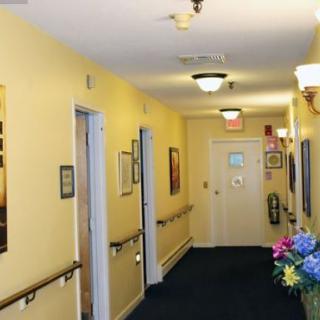
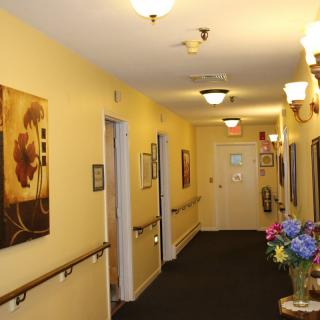
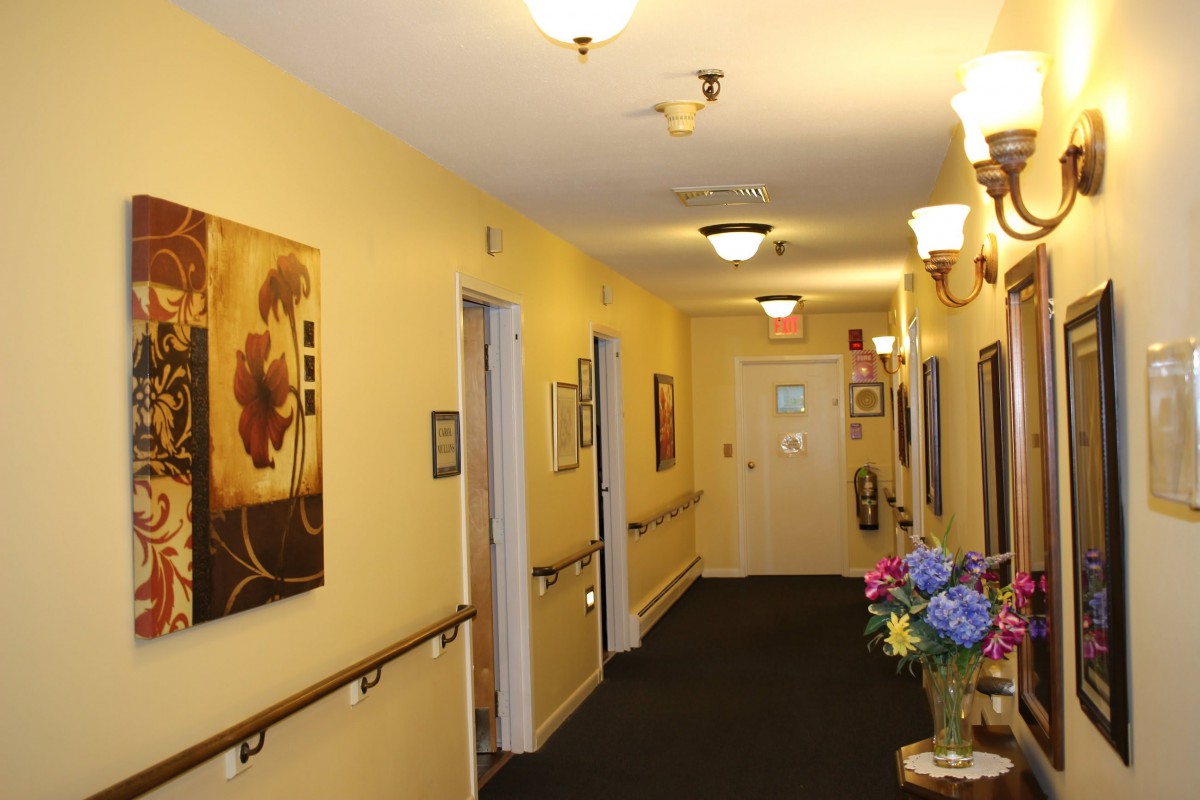
    A hallway with yellow walls, several doors, and overhead lighting.
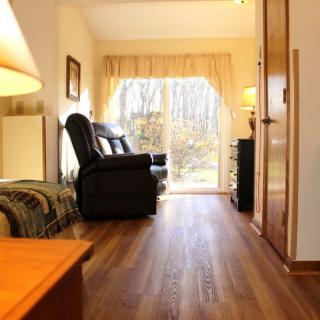
  • Living Room

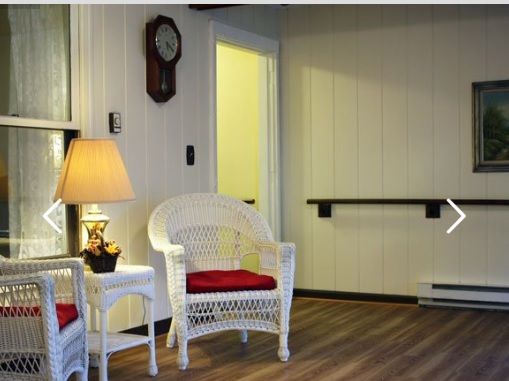
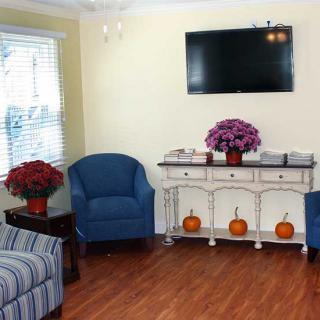
    Cozy living room with hardwood floors and a bright window view.
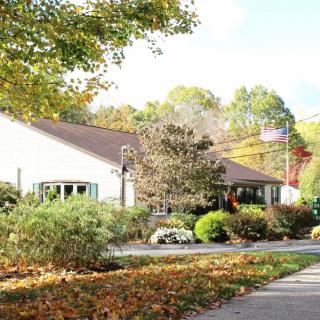
  • Building

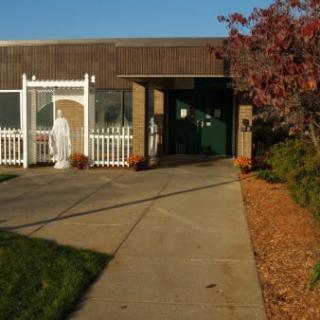
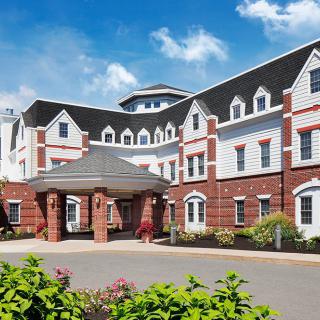
    A peaceful building surrounded by autumn trees and foliage, with a sidewalk in the foreground.
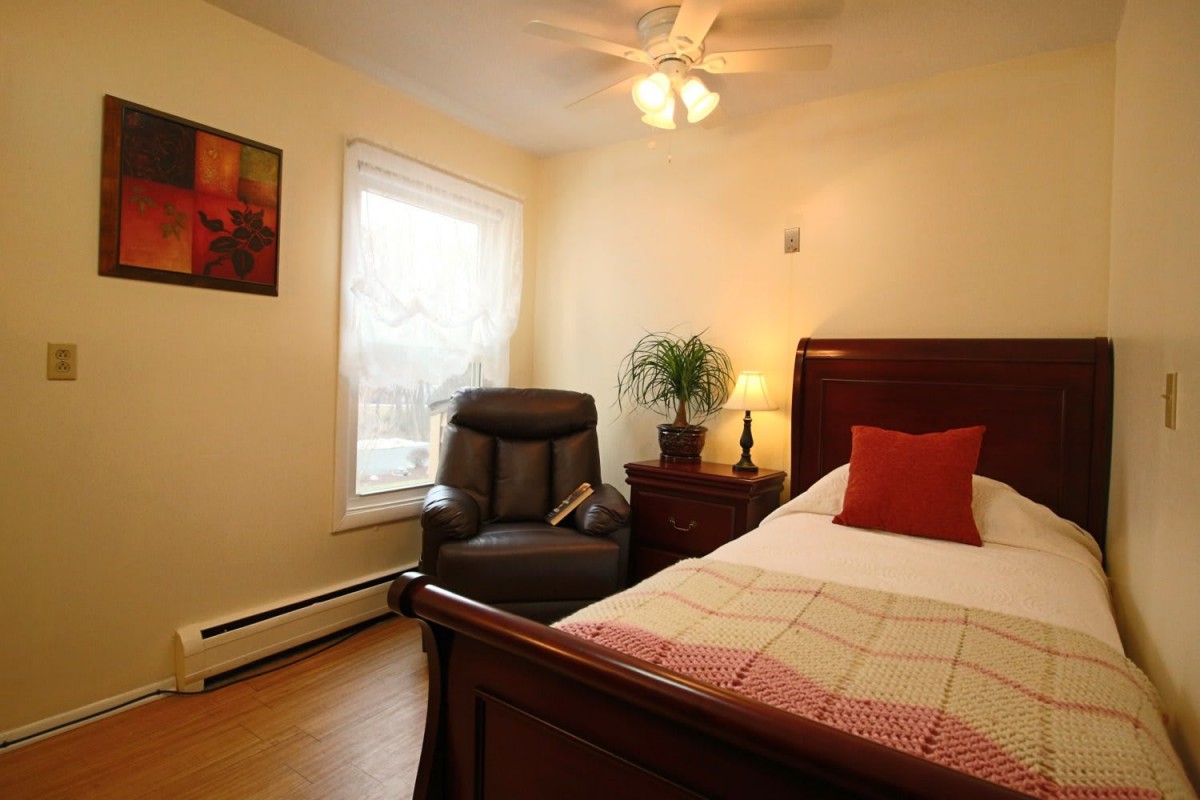
  • Bedroom

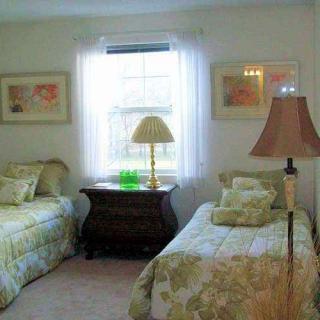
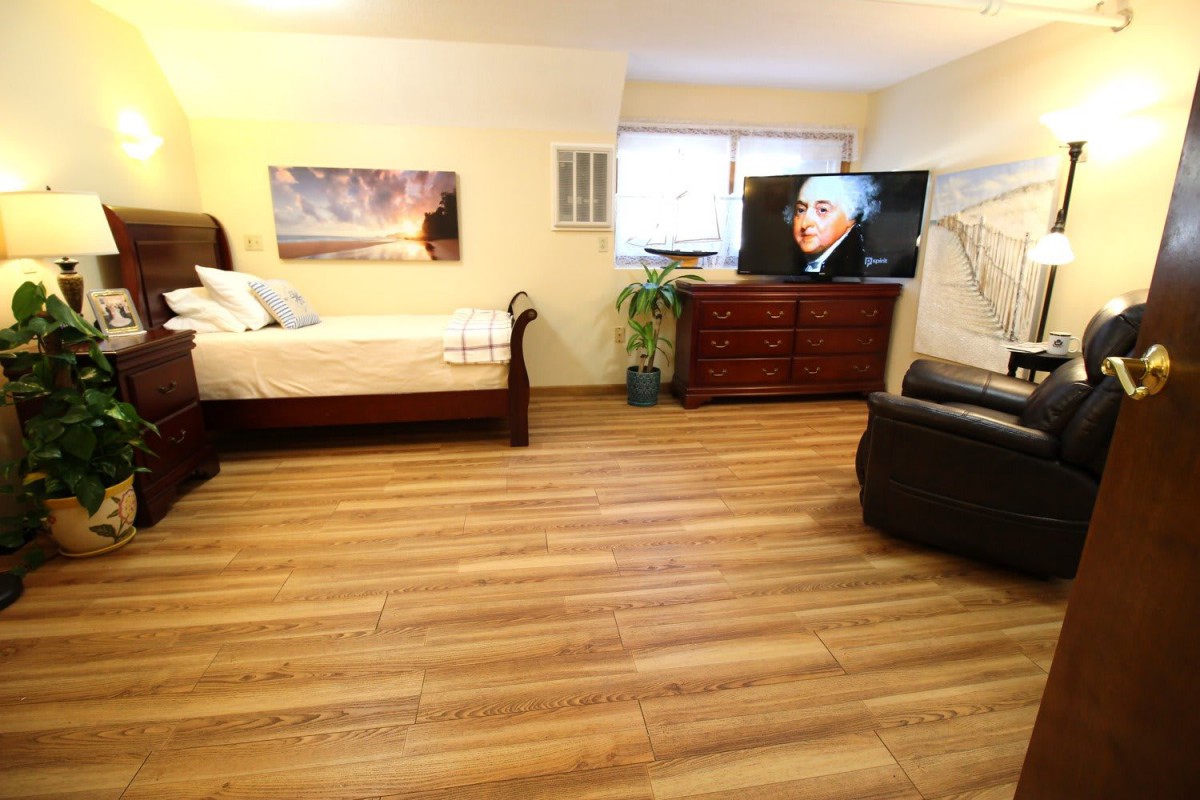
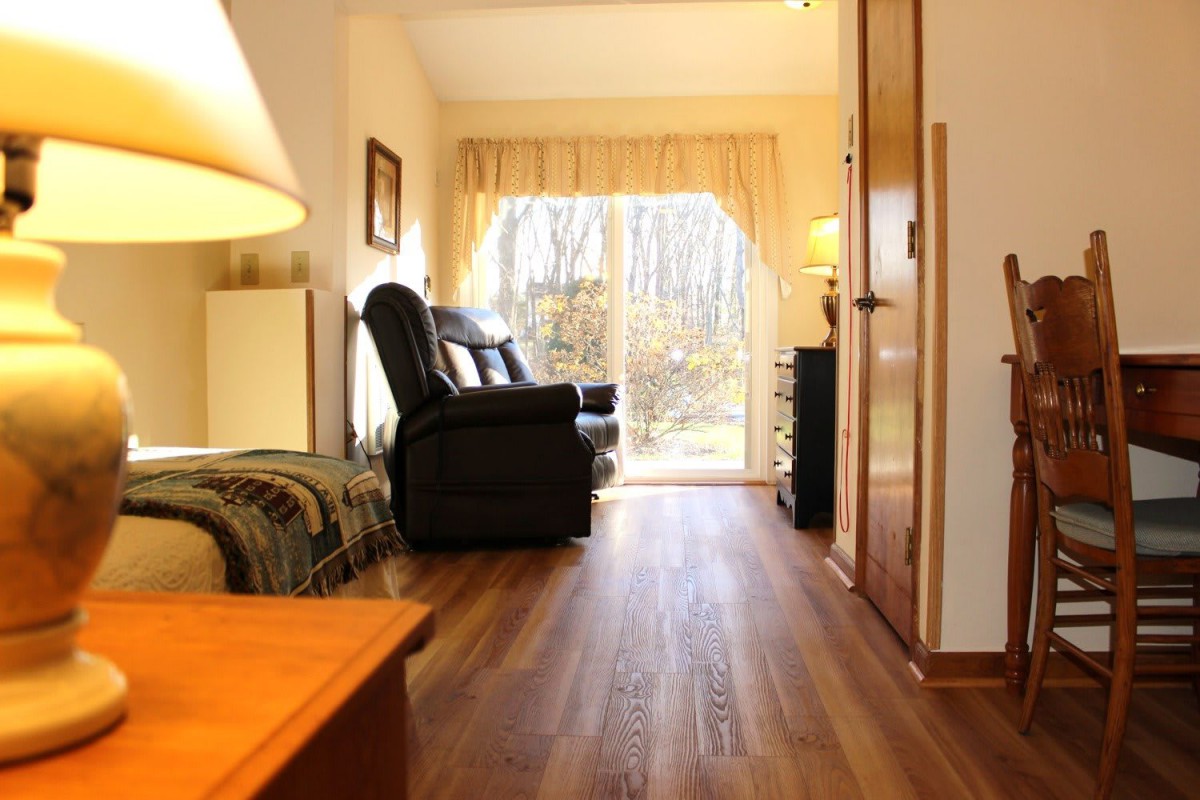
    A cozy bedroom with a wooden bed frame, comfortable chair, and a warm lamp illuminating the space.
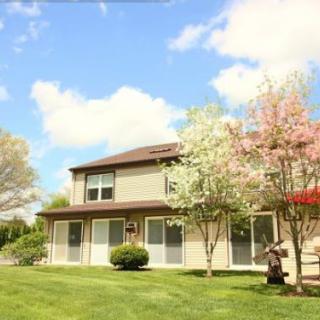
  • Trees

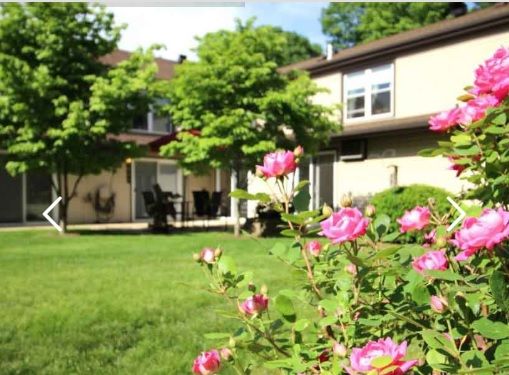
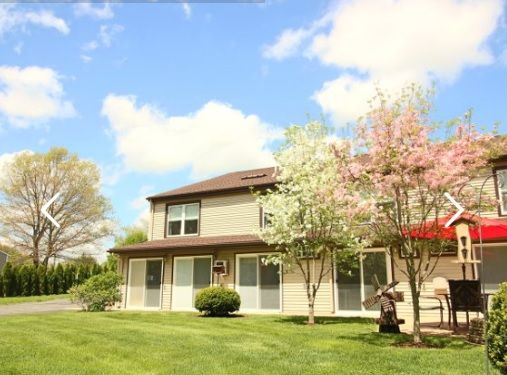
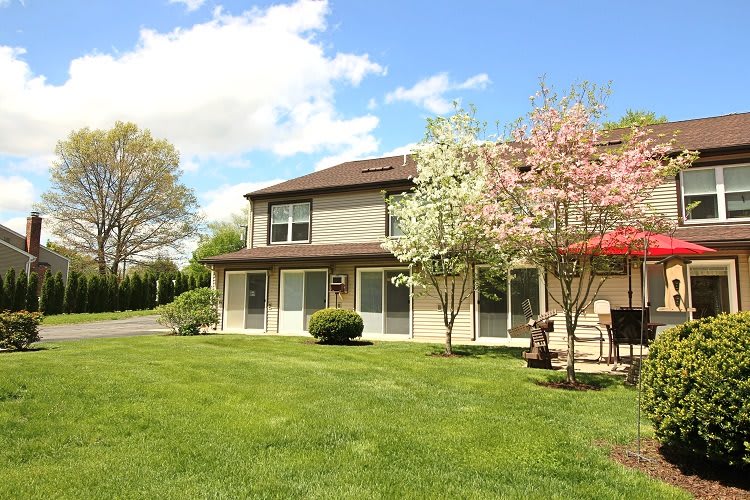
    A suburban house with blooming trees and a well-kept lawn under a blue sky.
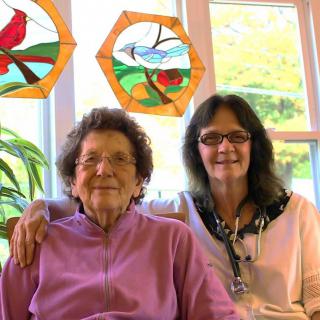
  • Windows

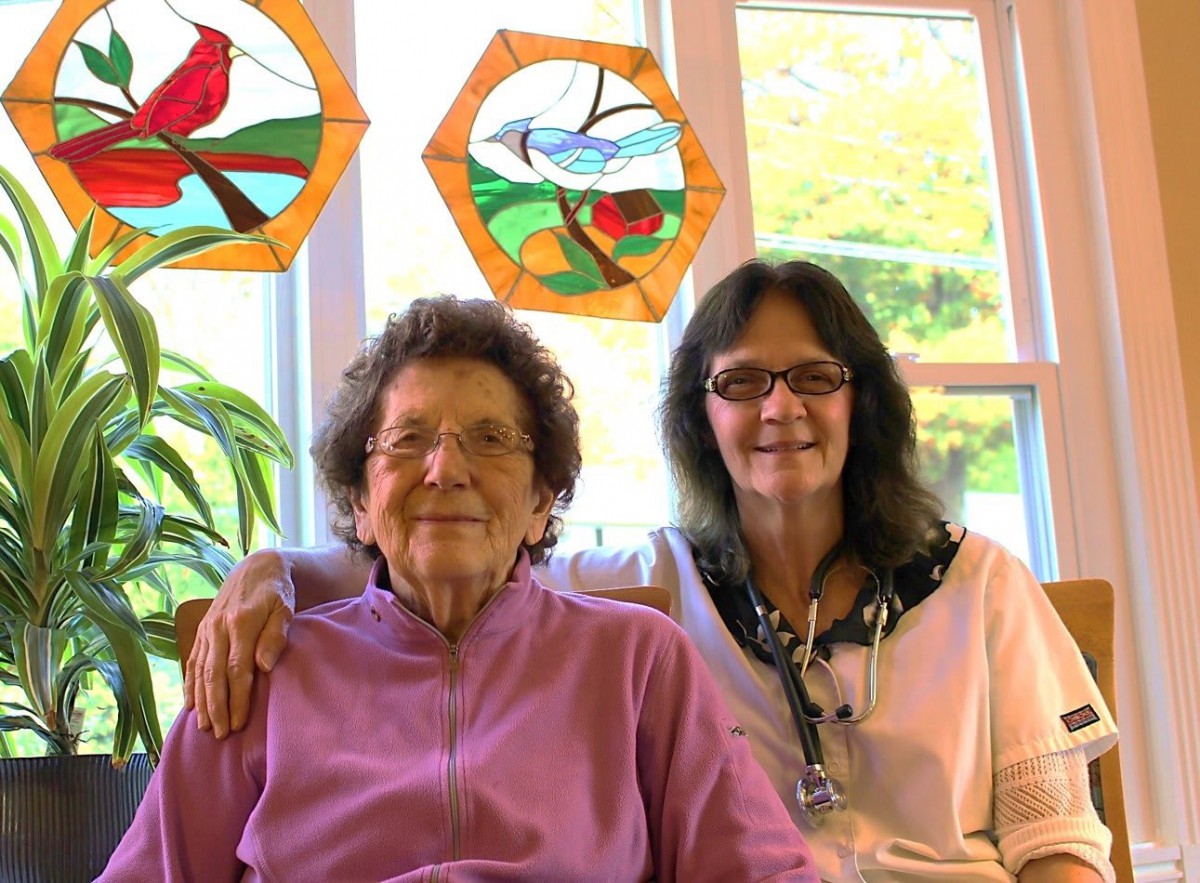
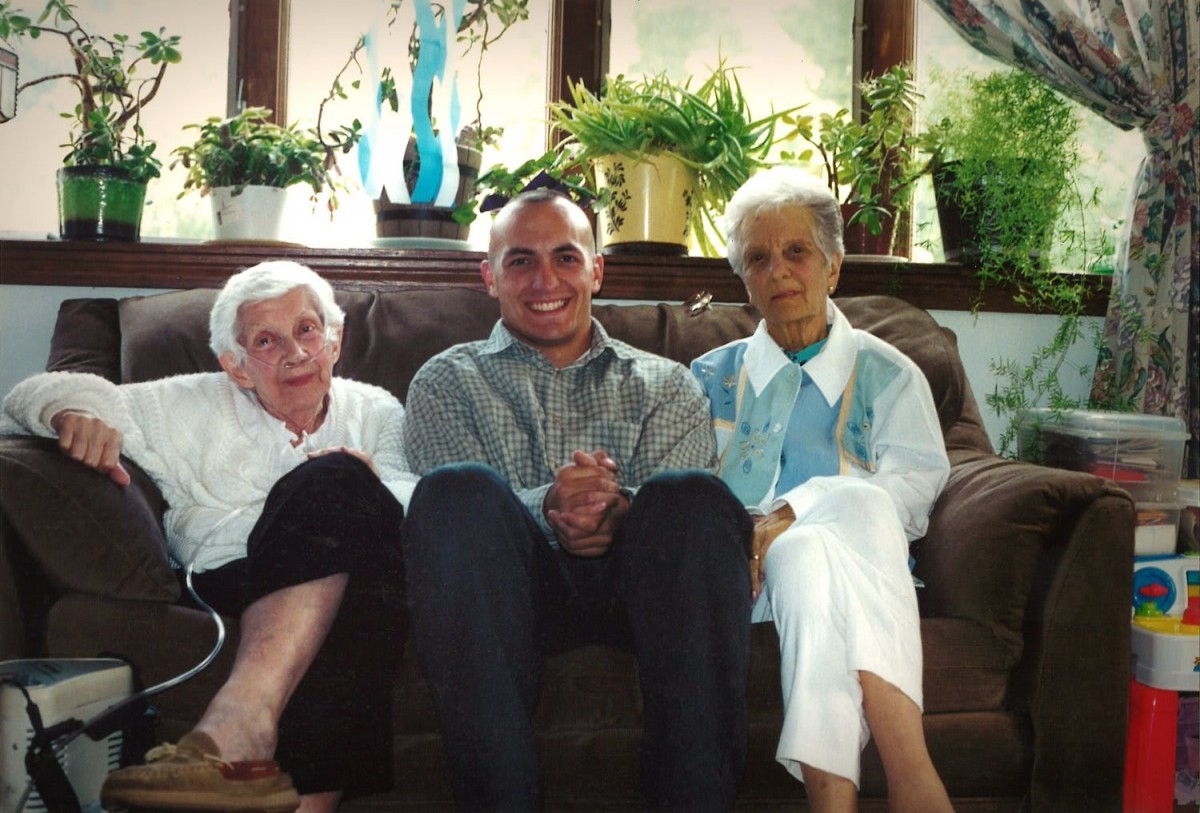
    An elderly woman and a younger woman sitting together in front of a window with stained glass art.
  • Dining

    A cozy dining room with tables and chairs, featuring ceiling fans and warm lighting.
  • Landscaping

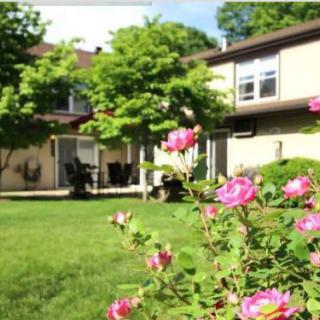
    A scenic backyard with blooming flowers and a view of the house.
  • Lighting

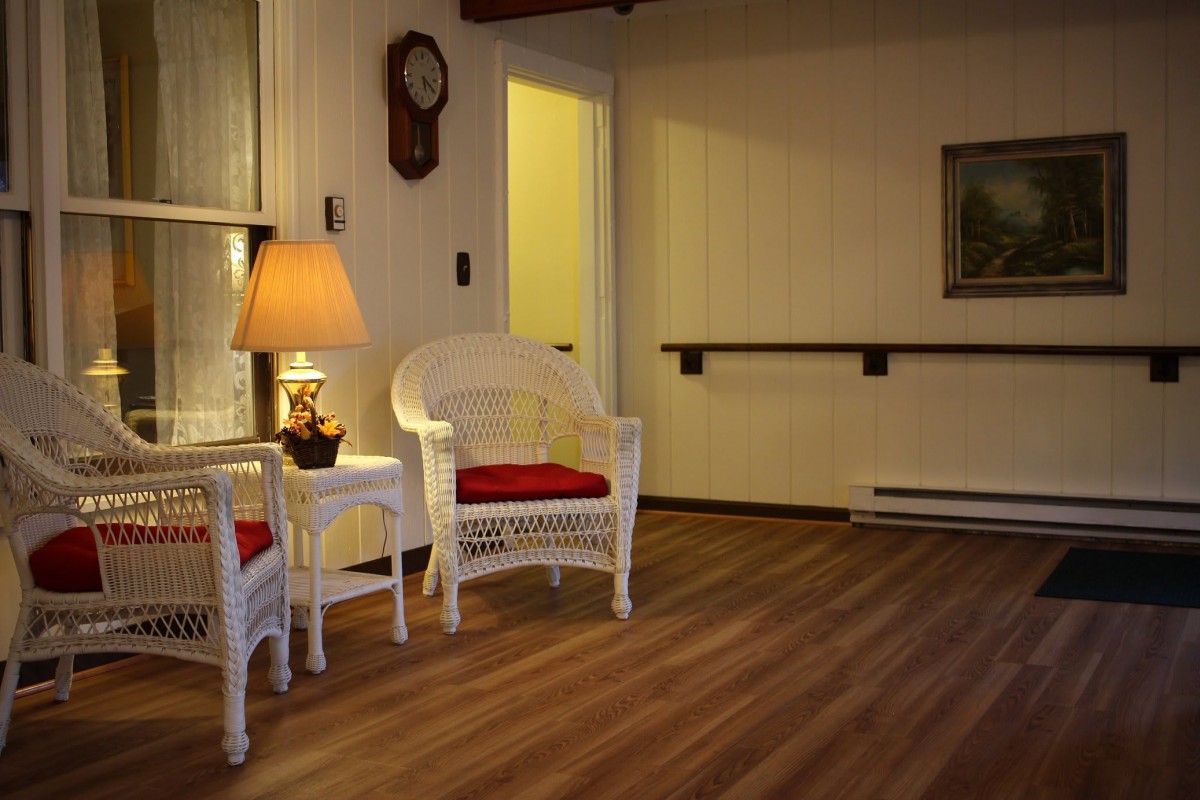
    A well-lit hallway featuring decor, artwork, and handrails, leading to multiple doors.
  • Garden

    A peaceful garden scene featuring a wooden gazebo surrounded by lush greenery.
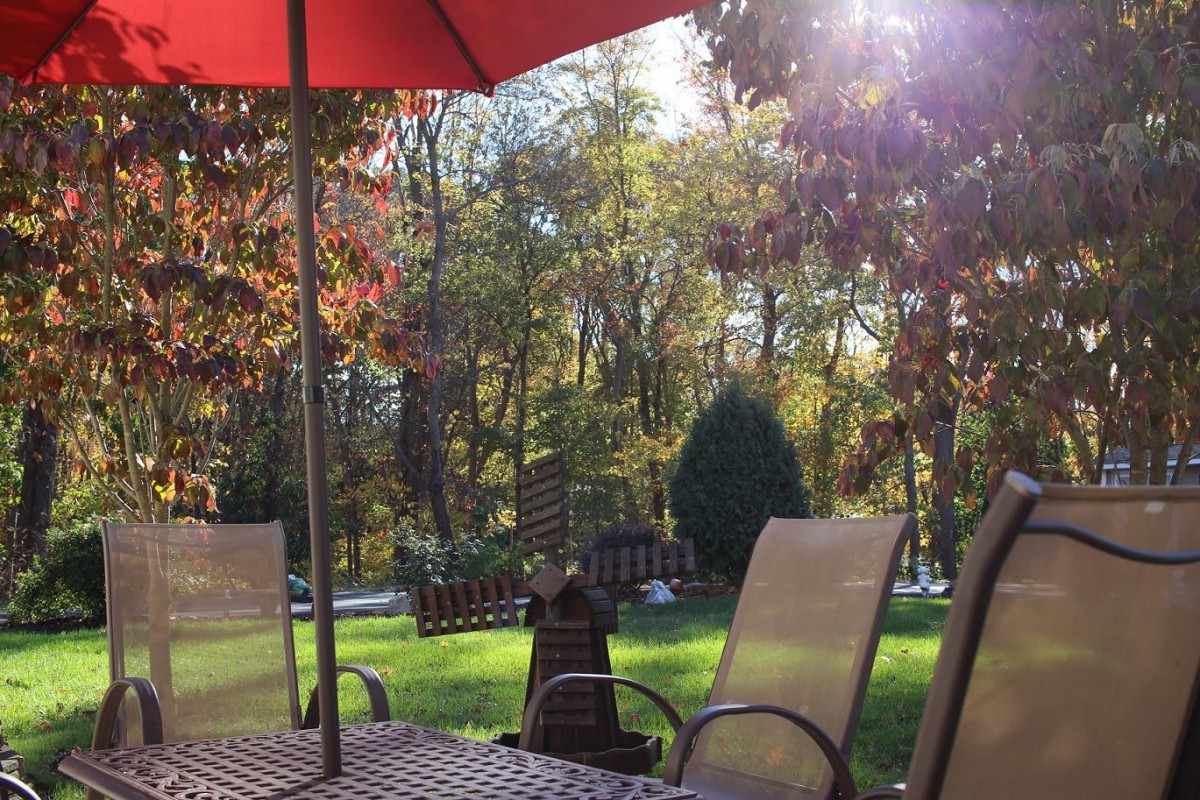
  • Outdoor

    A sunlit patio with chairs and a red umbrella overlooking a tree-filled autumn landscape.
  • Television

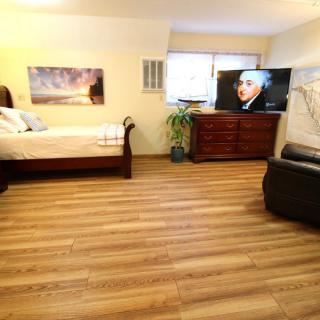
    A cozy bedroom with wooden flooring, featuring a bed, dresser, television, and seating area.

Shady Oaks Assisted Living in Bristol, CT

344 Stevens Street, Bristol, CT 06010

For more information about senior living options: (844) 490-3973

5 from 129 reviews
5 stars
127
4 stars
2
3 stars
0
2 stars
0
1 stars
0

Assisted Living Board and Care Home

Shady Oaks Assisted Living Costs & Pricing

Shady Oaks Assisted Living offers competitively priced accommodations that significantly undercut the average costs in both Litchfield County and the state of Connecticut. For a semi-private room, residents can expect to pay $3,000 per month, which is notably lower than the county average of $4,718 and even more so compared to the state average of $5,829. Similarly, the studio option at Shady Oaks is priced at $4,000 per month, again offering substantial savings compared to Litchfield County's average of $4,851 and Connecticut's overall average of $5,919. This pricing structure not only highlights Shady Oaks as a cost-effective choice for assisted living but also underscores its commitment to providing accessible care without compromising on quality.

Floor plansShady Oaks Assisted LivingLitchfield CountyConnecticut
Semi-Private$3,000$4,718$5,829
Studio$4,000$4,851$5,919

Overall Review of Shady Oaks Assisted Living

Pros

  • pro Shady Oaks provides care that goes beyond expectations.
  • pro Residents are treated with dignity, respect, and independence.
  • pro Tyson Belanger is described as genuine, caring, and devoted to the residents and their families.
  • pro The staff are warm, compassionate, and feel like family.
  • pro The setting is homey, small-scale, and personalized.
  • pro Open communication between nurses and families is a hallmark.
  • pro The staff consistently go above and beyond to meet residents' needs.
  • pro The community atmosphere at Shady Oaks fosters belonging and happiness.
  • pro COVID-19 safety measures at Shady Oaks are thorough and effective.
  • pro Families express peace of mind and gratitude for the care.

Cons

  • pro Sadly, interviewing a myriad of nursing homes and assisted livings across the state for countless hours at a time was not only depressing but overwhelming.
  • pro There are other assisted-living facilities that are corporate owned and care more about their bottom line.
  • pro This is NOT Big Corporate cookie-cutter care.
  • pro In contrast, she felt really frustrated by how the hospital had not listened to her.

Review

Shady Oaks Assisted Living in Bristol is best suited for families seeking a small, home-like setting where seniors receive deeply personalized care and are treated as part of an extended family. This community excels for residents who want to retain independence within a supportive framework, and for relatives who value hands-on leadership, transparent communication, and a staff that becomes intimately familiar with each person's history, preferences, and routines. It is particularly well-matched for aging adults who thrive on warmth, consistent daily rhythms, and meaningful social engagement in a setting that feels like a true home rather than a corporate campus.

For families weighing alternatives, the obvious caveat is the level of medical acuity and the scope of specialized units. Those needing around-the-clock skilled nursing, complex medical interventions, or dedicated memory-care security may find larger, purpose-built facilities better suited to their requirements. Shady Oaks does accommodate transition within its own continuum when memory needs intensify, but a facility with extensive, locked-memory care capabilities and broader rehab services could be a more suitable fit for residents who require heightened clinical oversight on a daily basis.

The strongest positives at Shady Oaks center on people and relationships. The owner's direct involvement creates a leadership tone that is hands-on, accessible, and consistently aligned with residents' dignity. A high ratio of nurses and CNAs to residents ensures frequent, attentive care, while long-tenured staff foster trust and continuity. Families repeatedly note open, ongoing communication and a team that genuinely asks about preferences, then acts on them. Meals are prepared in-house, and the daily life of residents is infused with a sense of purpose through individualized activities, arts programs, and celebrations that honor each resident's history and tastes.

Coupled with this personal approach is a palpable sense of community. Residents are spoken of as neighbors and friends, not numbers, and the staff's investment in knowing personal stories translates into tailored conversations, familiar routines, and timely responsiveness to requests. The environment remains intimate enough for quick adaptation to changing needs - whether a resident's mobility shifts or a new interest arises - while still offering structured schedules and reliable access to nursing oversight. This combination of warmth, competence, and family-focused communication creates a compelling balance that offsets the lack of sprawling amenities found in larger campuses.

In weighing potential downsides, the most frequently cited trade-off is the smaller footprint. Shady Oaks foregoes the breadth of services and activities that a bigger facility might offer, in favor of depth, individualized attention, and a consistently nurturing atmosphere. Yet the reviews repeatedly highlight how that depth translates into practical benefits: rapid care coordination, personalized care-planning, and ongoing engagement with families. For families prioritizing meaningful daily connections, predictable routines, and a sense of "home" over the aura of a large institution, these advantages far outweigh the limitations of size.

To make a well-informed decision, prospective families should prioritize a direct, in-person assessment. Ask about how care plans are created and updated, how frequently staff interact with family members, and the process for escalating care when changes occur. Inquire about memory-care options within the same organization, the availability of on-site therapies or specialized services, and how holidays, meals, and activities are customized to individual histories. Tour the living spaces, observe how staff interact with residents, and talk with current families about how responsive the team has been to concerns and evolving needs.

Ultimately, Shady Oaks represents a high-value option for a specific profile: seniors who want a genuine, small-community atmosphere where care is meticulously individualized and families are welcomed as partners. It stands out for its compassionate leadership, stable, experienced staff, and a culture that prioritizes dignity, independence, and belonging. For families seeking a larger, more clinical or memory-dedicated setting, alternatives exist; for those who want a true sense of home backed by a dedicated, capable team, Shady Oaks is a rare, compelling choice worth scheduling a visit to verify the fit.

Features

Housing

  • 22 resident community capacity 22 resident community capacity

Types of Care

  • Assisted Living Assisted LivingAssisted living facilities provide crucial support and care for seniors who may need help with daily tasks such as medication management, bathing, and meal preparation. These communities offer a safe and comfortable environment where seniors can maintain their independence while receiving the assistance they need to thrive in their golden years.
  • Board and Care Home Board and Care HomeBoard and care homes provide a smaller, more intimate setting for seniors who require assistance with daily tasks but do not need the level of care offered by a nursing home. They offer personalized care, meals, and social activities in a homelike environment, ensuring that seniors receive individualized attention and support in their golden years.

Amenities

  • Activities off-site Activities off-siteEngaging in off-site activities is crucial for seniors to maintain social connections, stay active, and stimulate their minds. It promotes overall well-being and helps combat feelings of isolation and loneliness.
  • Activities on-site Activities on-siteActivities on-site are important for seniors because they provide opportunities for socialization, mental stimulation, physical activity, and overall well-being. Engaging in activities can help seniors stay active, maintain their independence, and improve their quality of life.
  • Air-conditioning Air-conditioningAir conditioning is important for seniors as they are more vulnerable to heat-related illnesses and may have underlying health conditions that make it difficult for them to regulate their body temperature. It helps to keep them comfortable, safe, and healthy in hot weather.
  • Beautician on-site Beautician on-siteHaving a beautician on-site at a senior living community is important for seniors as it allows them to easily access grooming and personal care services, boosting their self-esteem and overall well-being. It also provides convenience and helps seniors maintain their sense of independence and personal style.
  • Beauty salon Beauty salonBeauty salons are important for seniors because they provide a space for them to feel pampered, socialize, and maintain their personal grooming and hygiene. Regular visits to a beauty salon can help boost seniors' self-esteem and overall well-being.
  • Cable or satellite TV Cable or satellite TVCable or satellite TV is important for seniors because it provides entertainment, news, and companionship, helping to combat loneliness and boredom. It also offers a wide range of programming options tailored to different interests and preferences.
  • Devotional services off-site Devotional services off-siteDevotional services off-site are important for seniors as they provide spiritual nourishment, social engagement, and a sense of community outside of the senior living facility. This can enhance overall well-being and help combat feelings of isolation and loneliness often experienced by older adults.
  • Devotional services on-site Devotional services on-siteDevotional services on-site provide seniors with spiritual support and a sense of community, as well as an opportunity for reflection and guidance during their senior living experience. This can promote emotional well-being and connection to others, leading to a more fulfilling and enriching lifestyle in their later years.
  • Dining room Dining roomDining rooms are important for seniors as they provide a space for socialization, connection, and nutritious meals. They offer opportunities for residents to bond over shared meals, foster a sense of community, and promote healthy eating habits. Dining rooms also ensure that seniors have access to well-balanced meals tailored to their dietary needs and preferences.
  • Fully furnished Fully furnishedFully furnished senior living communities are important for seniors because they provide convenience, comfort, and a hassle-free moving experience. Seniors can easily settle into their new living space without the stress of having to buy and move furniture. This allows them to focus on enjoying their new home and community.
  • Garden GardenGardens are important for seniors as they provide a peaceful and therapeutic environment for relaxation, physical activity, and socialization. Being in nature has been shown to reduce stress, improve mood, and promote overall well-being. Gardens also offer opportunities for seniors to engage in gardening activities, which can improve mobility, flexibility, and cognitive function. Additionally, gardens create a sense of community and connection with others who share a passion for plants and outdoor spaces.
  • Ground floor units Ground floor unitsGround floor units are important for seniors because they provide easy accessibility, reduced risk of falls and injuries, and convenience for those with mobility issues. Seniors can avoid climbing stairs or using elevators, making daily tasks and activities more manageable and enjoyable.
  • Housekeeping services Housekeeping servicesHousekeeping services are important for seniors because they help maintain a clean and safe living environment, promote independence, and reduce the risk of accidents or illnesses. Additionally, having assistance with household chores can alleviate physical strain and allow seniors to focus on other aspects of their well-being.
  • Indoor common areas Indoor common areasIndoor common areas are crucial for seniors as they provide a space for socialization, recreation, and community engagement, promoting overall well-being and reducing feelings of isolation and loneliness.
  • Kitchenette KitchenetteKitchenettes are important for seniors living in senior living communities because they provide the convenience and independence of being able to prepare simple meals and snacks in the comfort of their own living space. This can help promote a sense of autonomy and well-being for seniors, allowing them to maintain some level of control over their dietary choices and daily routines.
  • Move-in coordination Move-in coordinationMove-in coordination is important for seniors because it helps ease the transition into their new living environment. It ensures that all logistics, such as packing, organizing movers, and setting up utilities are taken care of, allowing seniors to focus on settling in and adjusting to their new home. Having a smooth move-in process can alleviate stress and anxiety, making the transition smoother and more enjoyable for seniors.
  • Outdoor common areas Outdoor common areasOutdoor common areas are important for seniors as they provide a space for socialization, physical activity, and relaxation. Being outside in nature can improve mood and overall well-being, while also encouraging movement and engagement with others. These spaces can help combat feelings of isolation and promote a sense of community among residents.
  • Outdoor space Outdoor spaceOutdoor spaces are important for seniors as they provide opportunities for physical activity, social interaction, exposure to natural light and fresh air, and a sense of connection to nature. Having access to outdoor spaces can improve overall well-being and quality of life for older adults living in senior communities.
  • Private bathrooms Private bathroomsPrivate bathrooms are important for seniors in senior living communities because they provide independence, dignity, and comfort. Having a private bathroom allows seniors to maintain their personal hygiene routines without the need for assistance, promoting a sense of autonomy and privacy. Additionally, private bathrooms help prevent the spread of infections and provide a safe and clean environment for seniors to navigate safely.
  • Respite or short term stays offered Respite or short term stays offeredRespite or short term stays provide seniors with a temporary solution when their regular caregiver is unavailable, offering them the opportunity to receive additional care and support during times of need, while also giving caregivers a chance to rest and recharge.
  • Telephone TelephoneTelephones are important for seniors as they provide a lifeline for communication with loved ones, emergency services, and healthcare providers. They offer a sense of security and independence, enabling seniors to stay connected and access assistance when needed.
  • Wheelchair accessible showers Wheelchair accessible showersWheelchair accessible showers are crucial for seniors as they provide a safe and independent bathing option for those with mobility challenges. These showers help prevent falls and allow seniors to maintain their dignity and autonomy while ensuring they can bathe comfortably.
  • Wi-Fi/high-speed internet available Wi-Fi/high-speed internet availableWi-Fi/high-speed internet is important for seniors to stay connected with loved ones, access online resources, and participate in virtual activities to combat feelings of loneliness and isolation. It also allows them to easily manage healthcare needs, access entertainment, and engage in lifelong learning opportunities.

Transportation

  • Bradley International (20 miles away) Bradley International (20 miles away)

Care Services

  • 24-hour call system 24-hour call system24-hour call systems are important for seniors because they provide peace of mind and immediate assistance in case of emergencies. This technology ensures that help is always available, promoting safety and security for elderly individuals living alone or in assisted living facilities.
  • 24-hour supervision 24-hour supervision24-hour supervision is important for seniors to ensure their safety, well-being, and access to immediate assistance in case of emergencies or health issues. This constant support provides peace of mind for both seniors and their loved ones, allowing them to age in place with dignity and security.
  • Activities of daily living assistance Activities of daily living assistanceActivities of daily living assistance are important for seniors because they provide essential support with tasks such as eating, bathing, dressing, and mobility. This assistance helps seniors maintain their independence, dignity, and overall quality of life as they age.
  • Assistance with bathing Assistance with bathingAssistance with bathing is crucial for seniors as it helps maintain personal hygiene, prevents infections, and ensures their overall well-being and comfort. It also provides a sense of dignity and independence for seniors who may struggle with this task on their own.
  • Assistance with dressing Assistance with dressingAssistance with dressing is important for seniors because it helps maintain their independence, promotes personal hygiene, prevents accidents and injuries, and improves overall quality of life. This service ensures that seniors can continue to dress comfortably and confidently, despite any physical limitations they may have.
  • Assistance with transfers Assistance with transfersAssistance with transfers is crucial for seniors as it helps prevent falls and injuries, maintains their independence, and ensures they can safely navigate their living environment. It also provides peace of mind for both seniors and their loved ones.
  • Coordination with health care providers Coordination with health care providersCoordination with health care providers is crucial for seniors to ensure proper medical care, medication management, and overall well-being. This collaboration helps prevent overlapping treatments, track progress more effectively, and provide comprehensive support tailored to individual needs.
  • Diabetes diet Diabetes dietA diabetes diet is crucial for seniors as it helps manage blood sugar levels, reduce risks of complications, and improve overall health and well-being. By following a balanced and nutritious diet tailored to their specific needs, seniors can better control their diabetes and enhance their quality of life.
  • Diabetic care Diabetic careDiabetic care is crucial for seniors as they are more susceptible to developing diabetes due to aging and other health conditions. Proper management of diabetes can help prevent complications such as heart disease, vision loss, and nerve damage, improving the overall quality of life for seniors in senior living communities.
  • High acuity care High acuity careHigh acuity care is important for seniors because it provides specialized medical attention and support for individuals with complex medical needs. This level of care ensures that seniors receive the appropriate treatment and assistance to maintain their health and quality of life as they age.
  • Incontinence care Incontinence careIncontinence care is essential for seniors to maintain their dignity, hygiene, and overall quality of life. By addressing incontinence issues promptly and effectively, seniors can enjoy a sense of independence and comfort in their daily activities.
  • Meal preparation and service Meal preparation and serviceMeal preparation and service are crucial for seniors as they may have limited mobility or energy to cook nutritious meals. Having access to healthy and convenient food options can ensure they are getting the proper nutrition needed to maintain their overall health and well-being.
  • Medication management Medication managementMedication management is crucial for seniors to ensure they are taking the right medications at the correct dosages and times. This helps prevent adverse drug interactions, reduces the risk of medication errors, and promotes overall health and well-being. Proactive management also allows for adjustments as needed based on changing health conditions or new prescriptions.
  • Mental wellness program Mental wellness programMental wellness programs are essential for seniors as they promote cognitive stimulation, emotional support, and social engagement. These programs help prevent isolation, depression, and cognitive decline, ultimately enhancing the overall quality of life for older adults.
  • Special dietary restrictions Special dietary restrictionsSpecial dietary restrictions are important for seniors because age-related changes in metabolism and health conditions can make it difficult for their bodies to process certain foods. By following a diet tailored to their specific needs, seniors can maintain their overall health and well-being, manage chronic conditions, and reduce the risk of complications such as malnutrition or food interactions with medications.
  • Transportation arrangement (medical) Transportation arrangement (medical)Transportation arrangements for medical purposes are essential for seniors as they may have difficulty driving themselves to appointments or accessing public transportation. Having reliable and safe transportation options ensures that seniors can receive timely medical care and maintain their health and well-being.
  • Transportation to doctors appointments Transportation to doctors appointmentsTransportation to doctors' appointments is crucial for seniors as it ensures they have access to necessary medical care and support for their health needs. Without reliable transportation, seniors may struggle to attend important appointments, leading to potential delays in treatment and health complications. Providing transportation services helps seniors maintain their overall well-being and quality of life.

Dining

  • Anytime dining Anytime diningAnytime dining is important for seniors because it allows them the flexibility to eat when they are hungry, rather than being restricted to set meal times. This can be especially beneficial for those with medical conditions or medications that affect their appetite, as well as those who may have difficulty adhering to a strict dining schedule. Overall, anytime dining promotes independence and overall well-being for seniors in senior living communities.
  • Diabetes diet Diabetes dietA diabetes diet is crucial for seniors as it helps manage blood sugar levels, reduce risks of complications, and improve overall health and well-being. By following a balanced and nutritious diet tailored to their specific needs, seniors can better control their diabetes and enhance their quality of life.
  • Gluten-free Gluten-freeGluten-free options are important for seniors as they are more prone to digestive issues and dietary sensitivities. Offering gluten-free meal choices in senior living communities can help improve their overall health and well-being.
  • Guest meals Guest mealsGuest meals are important for seniors living in senior living communities because they provide an opportunity for socialization and companionship. Sharing a meal with friends, family, or new acquaintances can help combat feelings of loneliness and isolation, promote a sense of community, and enhance overall well-being. Additionally, guest meals allow seniors to enjoy delicious food in a comfortable setting without the hassle of cooking or cleaning up, making dining a pleasurable and stress-free experience.
  • International cuisine International cuisineInternational cuisine is important for seniors because it offers a variety of flavors, ingredients, and cultural experiences that can help keep their meals interesting and enjoyable. Trying new dishes can also stimulate the senses and provide different nutrients that contribute to overall health and well-being. Additionally, exploring international cuisine can bring back fond memories of travels or childhood experiences, making mealtime more nostalgic and fulfilling for seniors.
  • Kosher KosherKosher options are important for seniors because they adhere to dietary laws that are significant to many Jewish individuals, providing them with peace of mind and an opportunity to maintain their cultural traditions and beliefs while living in a senior living community.
  • Low / no sodium Low / no sodiumLow/no sodium options are important for seniors because excessive sodium intake can lead to high blood pressure, heart disease, and other health issues commonly experienced by older adults. By choosing low/no sodium foods, seniors can better manage their health and reduce their risk of developing these conditions.
  • Meals provided Meals provided"Meals provided" are crucial for seniors in assisted living communities as it ensures they have access to nutritious, balanced meals without the stress of meal planning and preparation. This can help promote overall health and well-being for seniors who may have limited mobility or cognitive abilities.
  • No Sugar No SugarNo sugar diets are important for seniors because they can help prevent or manage chronic conditions such as diabetes, heart disease, and obesity. Sugar can also contribute to cognitive decline and inflammation in the body, so reducing sugar intake can lead to overall improved health and well-being in older adults.
  • Organic OrganicOrganic foods are important for seniors because they contain fewer chemicals and pesticides, which can be harmful to aging bodies. Additionally, organic foods often have higher nutrient levels, making them a healthier choice for maintaining overall well-being in older adults.
  • Professional chef Professional chefProfessional chefs are important for seniors living in senior living communities because they provide nutritious and delicious meals that cater to their dietary needs and preferences. A professional chef can ensure that seniors are receiving balanced, flavorful meals that support their overall health and well-being.
  • Room service Room serviceRoom service is important for seniors in a senior living community because it provides convenience and allows them to have their meals delivered directly to their room. This can be especially beneficial for seniors who may have mobility issues or difficulty accessing the dining area. Room service ensures that seniors are able to receive nutritious meals without having to navigate through the facility, allowing them to maintain their independence and overall well-being.
  • Special dietary restrictions Special dietary restrictionsSpecial dietary restrictions are important for seniors because age-related changes in metabolism and health conditions can make it difficult for their bodies to process certain foods. By following a diet tailored to their specific needs, seniors can maintain their overall health and well-being, manage chronic conditions, and reduce the risk of complications such as malnutrition or food interactions with medications.
  • Special dining programs Special dining programsSpecial dining programs are important for seniors because they provide nutritious meals tailored to their dietary needs and preferences. These programs also offer socialization opportunities, promote overall health and well-being, and can help prevent malnutrition.
  • Vegan VeganVegan diets can provide numerous health benefits for seniors, including lower risk of chronic diseases, improved digestion, and increased energy levels. Additionally, plant-based diets are often rich in essential nutrients that can support overall well-being and longevity in older adults.
  • Vegetarian VegetarianA vegetarian diet is important for seniors because it can help lower the risk of chronic diseases, maintain a healthy weight, and provide essential nutrients needed for aging bodies. Additionally, plant-based diets are often easier on digestive systems and can contribute to overall well-being in older adults.

Activities

  • Activities off-site Activities off-siteEngaging in off-site activities is crucial for seniors to maintain social connections, stay active, and stimulate their minds. It promotes overall well-being and helps combat feelings of isolation and loneliness.
  • Activities on-site Activities on-siteActivities on-site are important for seniors because they provide opportunities for socialization, mental stimulation, physical activity, and overall well-being. Engaging in activities can help seniors stay active, maintain their independence, and improve their quality of life.
  • Catholic services Catholic servicesCatholic services are important for seniors because they provide spiritual support, a sense of community, and opportunities for social interaction that can enhance overall well-being and quality of life in their later years.
  • Community-sponsored activities Community-sponsored activitiesCommunity-sponsored activities are important for seniors as they provide opportunities for social interaction, mental stimulation, and physical activity. These activities can help improve overall well-being, combat loneliness and isolation, and promote a sense of belonging and purpose among older adults.
  • Devotional activities offsite Devotional activities offsiteDevotional activities offsite are important for seniors because they provide social engagement, spiritual growth, and a sense of community outside of their living environment. This can improve overall well-being, mental health, and combat feelings of isolation or loneliness.
  • Devotional activities on-site Devotional activities on-siteDevotional activities on-site provide seniors with a sense of community, spiritual fulfillment, and emotional support, promoting overall well-being and a positive sense of purpose in their lives.
  • Happy hour Happy hourHappy hour is important for seniors as it provides a social activity that promotes camaraderie and reduces feelings of loneliness or isolation. It also offers an opportunity for older adults to relax, unwind, and enjoy some drinks or snacks in a fun and welcoming atmosphere.
  • Live dance or theater performances Live dance or theater performancesLive dance or theater performances are important for seniors because they provide opportunities for socialization, mental stimulation, and emotional engagement. These performances can help combat feelings of isolation and loneliness, while also offering a sense of connection to the arts and culture. Additionally, watching live performances can bring joy and create lasting memories for seniors in their later years.
  • Live musical performances Live musical performancesLive musical performances can provide seniors with a sense of joy, nostalgia, and connection. Music has the power to evoke emotions and memories, improve mood and cognitive function, and foster social interaction among seniors. It can also serve as a form of therapy and stress relief for older adults, making it an important activity to include in senior living communities.
  • Other religious services Other religious servicesOther religious services are important for seniors as they provide a sense of community, spiritual comfort, and opportunities for socializing. These services can help seniors feel connected to their faith and maintain a sense of purpose and belonging in their later years.
  • Protestant services Protestant servicesProtestant services are important for seniors because they provide spiritual nourishment, community support, and a sense of belonging. These services can help seniors connect with others who share their faith, find comfort and guidance in times of need, and maintain a sense of purpose and fulfillment in their later years.
  • Scheduled daily activities Scheduled daily activitiesScheduled daily activities are important for seniors because they provide structure, socialization, mental stimulation, and physical activity. Engaging in regular activities can improve overall well-being and quality of life for seniors living in a community setting.
  • Visiting chaplain or priest Visiting chaplain or priestHaving a visiting chaplain or priest at a senior living community is important for seniors because it provides spiritual support, comfort, and guidance during a time of life that can be challenging and uncertain. Their presence can help seniors feel connected to their faith, find peace of mind, and cope with the emotional and mental struggles they may face in their later years.

Description

Shady Oaks Assisted Living in Bristol, CT is a highly recommended board and care home that provides exceptional care for seniors needing assistance with their daily activities. The community offers a wide range of amenities to ensure the comfort and enjoyment of its residents.

Residents can participate in various on-site activities, such as devotional services and engaging social events. The facility also houses a beauty salon where residents can pamper themselves and a dining room that serves delicious meals prepared by a professional chef.

The living units at Shady Oaks are fully furnished, with air-conditioning to keep residents comfortable. Each unit has private bathrooms and kitchenettes for added convenience. There are also indoor common areas and beautifully maintained outdoor spaces where residents can relax or engage in leisurely activities.

The dedicated staff at Shady Oaks provides 24-hour supervision and assistance with activities of daily living, including bathing, dressing, and transfers. They also coordinate with healthcare providers to ensure proper care and medication management for each resident. Special attention is given to those requiring high acuity care, diabetic care, or incontinence care.

Transportation arrangements are available for medical appointments, allowing residents easy access to healthcare services. Additionally, the community is located near popular amenities such as cafes, parks, pharmacies, physicians' offices, restaurants, and places of worship.

With its focus on providing excellent care in a comfortable environment, Shady Oaks Assisted Living in Bristol is an ideal choice for seniors seeking a supportive community that meets their unique needs while promoting mental wellness and an active lifestyle through various activities offered on-site or within the surrounding area.

Nearby Places of Interest

This part of Bristol, Connecticut offers a variety of amenities and services that may be appealing to seniors looking for a comfortable and convenient living environment. The area features several cafes, pharmacies, restaurants, physicians' offices, places of worship, parks, and hospitals within a short distance. This provides easy access to essential services, medical care, dining options, and recreational activities. Additionally, the presence of transportation options such as Amtrak can make it easier for seniors to travel to nearby areas or visit loved ones. Overall, this neighborhood offers a well-rounded and accessible community that may suit the needs of older individuals looking for a peaceful and convenient place to call home.

Cafes

  • Aroma Joe's (1.3 miles)
  • Starbucks (1.6 miles)
  • Starbucks (6 miles)
  • Starbucks (7.6 miles)
  • The Coffee Trade (7.9 miles)
  • Dom's Coffee (7.9 miles)
  • Starbucks (9.4 miles)

Pharmacies

  • CVS Pharmacy (1.4 miles)
  • Walgreens (1.7 miles)
  • Med Stat Pharmacy (3.1 miles)
  • CVS Pharmacy (3.3 miles)
  • CVS Pharmacy (3.8 miles)
  • Walgreens (4 miles)
  • CVS Pharmacy (4 miles)

Restaurants

  • McDonald's (1.7 miles)
  • Bell City Diner (3.3 miles)
  • Olive Bar (3.4 miles)
  • Unionville Family Restaurant (3.4 miles)
  • McDonald's (4.1 miles)
  • J Timothy's Taverne (4.3 miles)
  • McDonald's (4.7 miles)

Physicians

  • Oculus (2.4 miles)
  • Dermatology Associates (3.2 miles)
  • Doctors of Central CT (3.3 miles)
  • Bristol Hospital Lab (4.7 miles)
  • Umashanker Devika MD - Tallwood Men's Health (5.8 miles)
  • Consulting Ophthalmologists (5.9 miles)
  • UConn Dowling North (6.3 miles)

Places of Worship

  • Church of Eternal Light (3.3 miles)
  • Universalist Church of West Hartford (9.8 miles)

Parks

  • Norton Park (4.1 miles)
  • Countryside Park (5 miles)
  • Plymouth Green (6.6 miles)
  • Stanley Quarter Park (7.3 miles)
  • Sperry Park (8.3 miles)
  • Roaring Brook Nature Center (9 miles)
  • Wolcott Park (9.2 miles)

Hospitals

  • The Hospital of Central Connecticut Cancer Center (5.5 miles)
  • Menla Holistic Health (8.2 miles)
  • Hospital Of Central Connecticut At Bradley Memorial (8.5 miles)
  • Saint Mary's Health System Affiliates (9.2 miles)
  • Newington Veterans Hospital (9.4 miles)

Transportation

  • Amtrak (9.5 miles)

Frequently Asked Questions

How much does it cost to live at Shady Oaks Assisted Living in Bristol, CT?
Where is Shady Oaks Assisted Living?
What photos are available for Shady Oaks Assisted Living in Bristol, Connecticut?

Nearby Communities

  • Countryside Manor Of Bristol

    Countryside Manor Of Bristol

    Bristol, CT


    pro Extensive amenities and care support (transportation, dining, wellness programs).

  • Morning Star Home Care

    Morning Star Home Care

    Bristol, CT

    5 from 10 reviews
     

    pro Compassionate caretaking with good family communication and positive impact on well-being.

  • Autumn Estates

    Autumn Estates

    Farmington, CT


    pro Intimate, personalized setting with essential care services and nearby healthcare resources.

  • M & R Home Care Inc

    M & R Home Care Inc

    Bristol, CT


    pro Personalized, compassionate care in a warm, homelike setting.

  • Patricia D'Amato Residences at Jennings North End

    Patricia D'Amato Residences at Jennings North End

    Bristol, CT

    4 from 1 review
    $900 to $1,850 / month

    pro Immaculate building with friendly residents and in-unit laundry.

  • Sheriden Woods

    Sheriden Woods

    Bristol, CT

    2.9 from 48 reviews
     

    pro Friendly, knowledgeable staff; clean dining area; engaging activities; ability to personalize rooms with own furniture.

  • The Pines At Bristol For Nursing & Rehabilitation

    The Pines At Bristol For Nursing & Rehabilitation

    Bristol, CT

    4.3 from 108 reviews
     

    pro Extensive amenities and comprehensive care services.

  • Blessed House LLC

    Blessed House LLC

    Plainville, CT

    4 from 2 reviews
    $4,500 / month

    pro Suitable for independent residents seeking freedom.

  • Brookdale Gables Farmington

    Brookdale Gables Farmington

    Farmington, CT

    4.3 from 75 reviews
    $3,375 to $5,360 / month

    pro Friendly staff with good communication; pleasant grounds and spacious, well-equipped apartments with on-site activities.

Related Resources

  • aid and attendance vaAn Extensive Exploration of the VA Aid and Attendance Benefit

    The VA Aid and Attendance benefit provides financial support to veterans needing assistance with daily living due to medical conditions or disabilities, augmenting standard VA pensions for services like in-home care. Eligibility is based on service duration, wartime status, income, and medical needs, with a detailed application process required to access funds for caregiving and home modifications.

  • senior move managementSenior Transition Services: Understanding Their Role, Cost, and Importance

    Senior move management services assist older adults in the relocation process by providing emotional support and organizational help, addressing unique challenges like downsizing and moving from long-term homes. These specialists collaborate with real estate agents and manage logistics, making the transition smoother for seniors and their families.

  • independent living vs assisted livingExploring the Path to Senior Living: A Comprehensive Look at Independent Living and Assisted Living
    The article examines senior housing options, detailing the distinctions between independent living and assisted living, along with the emerging "independent assisted living" model that blends both approaches. It highlights the importance of assessing individual needs, preferences, and financial factors in making informed decisions about suitable living arrangements for seniors.