
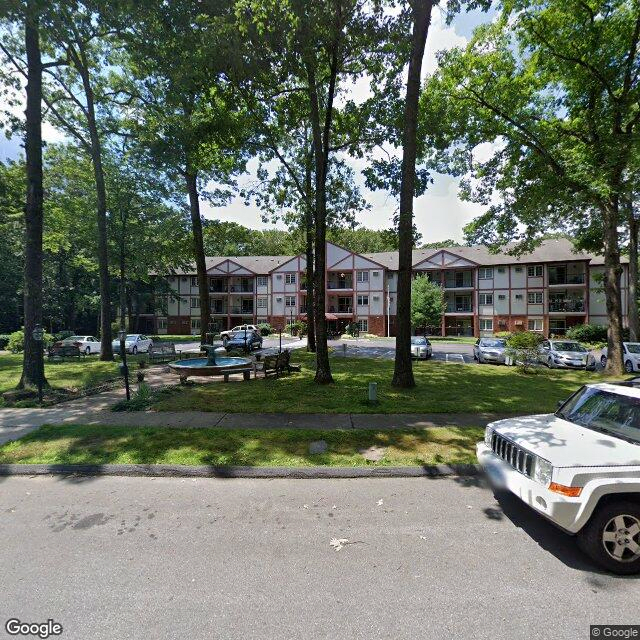
3 Myrtle Dr, Norwich, CT 06360
To contact a resident: (860) 889-2139
For more information about senior living options: (866) 208-4318
Overall Review of St. Jude Common
Pros
 They have been here for 19 years and are very pleased.
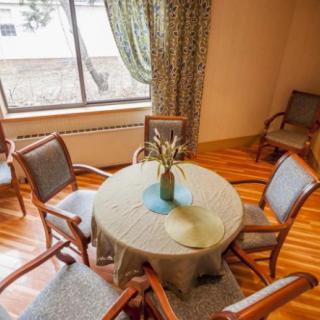
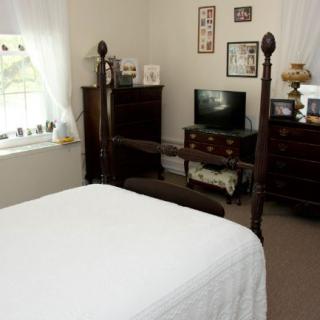
- The apartment is very nice and feels like a real home.
- Andrea Bronit would love to live there.
- They view the staff positively, considering it a decent place because of the people who work there.
Cons
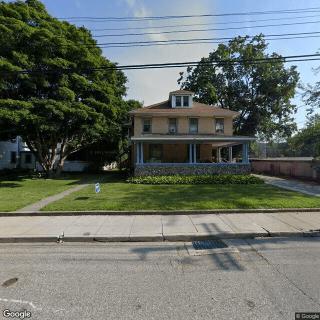
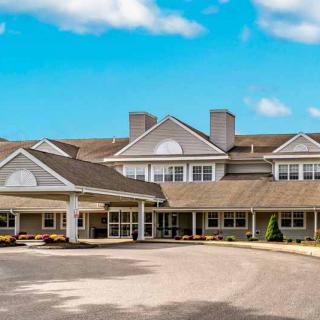
 The facility was rundown and needed updating.
- The reviewer wouldn’t feel comfortable around some residents.
- The building showed significant wear, including worn carpeting.
- There is a long waiting list.
- They only serve one meal a day.
- The facility is older and dated.
Review
St. Jude Common in Norwich, CT is best suited for seniors who want a genuine apartment-style living experience in a quiet, wooded setting and who prioritize affordability and independence over flashy, modern fittings. The community is a practical fit for families and residents who can live with an older campus while pursuing subsidy-based options that cover a portion of the cost. It works well for those who value a real home atmosphere, where neighbors and staff create a familiar, low-stress routine. In short, it serves budget-conscious seniors who don’t require a showroom, yet still want a sense of stability and personal space.
Alternatives deserve serious consideration for anyone who depends on three meals a day, robust daily programming, or a campus with more visible contemporary amenities. The experience can feel uneven to visitors, with talk of an aging building and the mix of residents influencing comfort and vibe. The long waitlist and the prevalence of lower-income residents can shape expectations about atmosphere and services. For households that need stronger dining options, tighter supervision, or a more modern, energetic environment, other options will typically be a better fit.
On the upside, the apartments themselves are described as very nice and genuinely homelike, a factor with meaningful practical value for daily living and dignity. A resident who has stayed 19 years signals serious stability and a meaningful sense of community, which can ease transitions for families. The ongoing modernization efforts, such as a new heating system and enhanced security, demonstrate a clear commitment to improving essential infrastructure. The quiet, wooded setting adds privacy and ritual calm, which appeals to seniors seeking a slower, more predictable routine.
The drawbacks are nontrivial and warrant careful weighing. The facility is clearly aging, with dated interiors and visible wear that can feel rundown to first-time visitors or new residents. Ongoing work to replace carpeting and other updates is progress but not a completed transformation, and common areas may still disappoint those accustomed to newer campuses. Dining is particularly lean, with one reviewer noting a single meal per day, a constraint that can be a major mismatch for residents with higher appetites, medical needs, or social expectations around meals. The overall social mix can be uneven, and concerns about supervision and safety among varied resident needs are a legitimate concern for families prioritizing consistent oversight.
For families actively evaluating options, practical questions should drive the decision: can the subsidized, income-based model be sustained long term, and how reliable is the monthly cost relative to expected care? How complete is the modernization, and what is the realistic timeline for finishing essential upgrades like heating and security? What is the actual dining plan, and does it align with the resident’s routines and nutritional requirements? How long is the current waitlist, and what are the chances of timely admission? Answering these questions will reveal whether St. Jude Common remains a viable match or if a more contemporary, full-service setting is preferable.
In the end, St. Jude Common offers a practical, budget-conscious pathway to assisted living for seniors who prize home-like apartments, quiet surroundings, and a measured pace of life. The core advantages, a tangible apartment feel, ongoing but incremental modernization, and a stable community, often offset the drawbacks for families seeking value and predictability. Yet for those who demand robust daily dining, consistent 24/7 supervision, or a newer, brighter campus, stronger alternatives will be more suitable. The best choice hinges on budget flexibility, the importance placed on meal options, and tolerance for ongoing renovations, weighed against the comfort and familiarity of a warm, homelike Norwich environment.
 Assisted Living
 Activities on-site
 Devotional services off-site
 Indoor common areas
 Ambulatory care
 Diabetic care
 Meals provided
 Securing Financial Support for Assisted Living: A Comprehensive Overview
 Social Security Benefits and Assisted Living: Navigating Options Across the U.S.
 An Extensive Exploration of the VA Aid and Attendance Benefit