
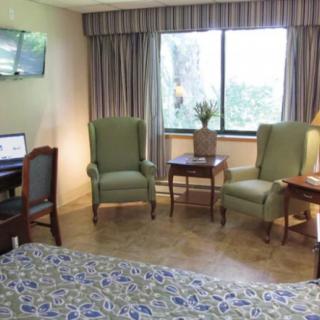
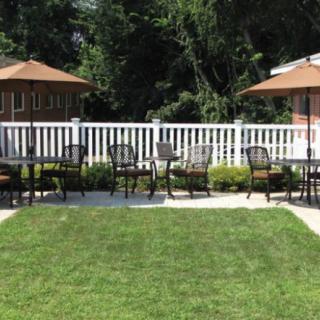
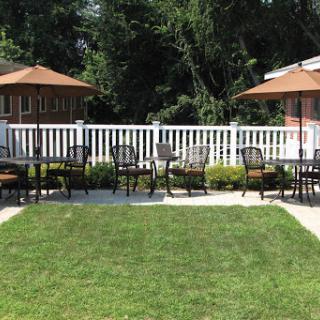
93 West Town Street, Norwich, CT 06360
For more information about senior living options: (866) 208-4318
Overall Review of Norwich Sub-Acute And Nursing
Pros
 The staff are attentive, polite, caring, and hard-working.
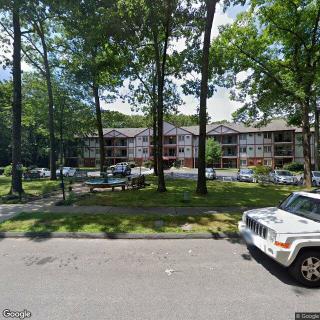
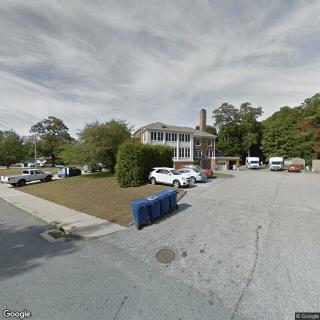
- The facility is well-maintained and close to home.
- The staff are very helpful and consistently available to answer questions.
- The rehab center's management, nursing, physical therapy, and recreation staff do a fantastic job delivering quality care.
- The nurses were nice and treated residents with respect, and their needs were always met.
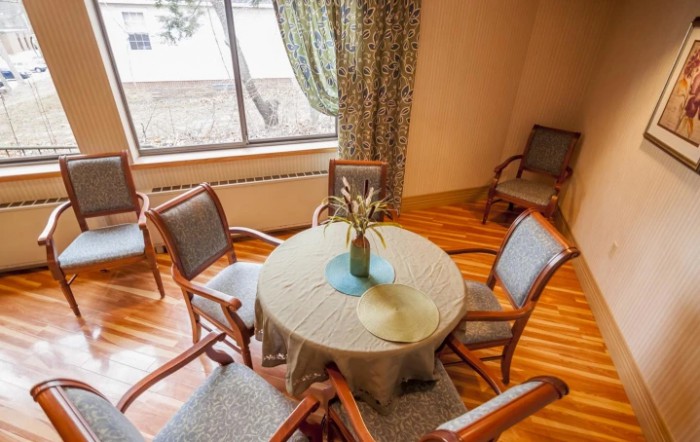
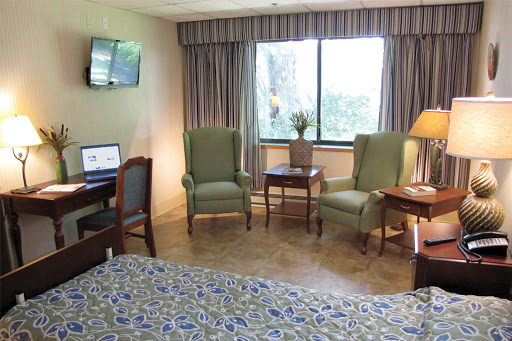
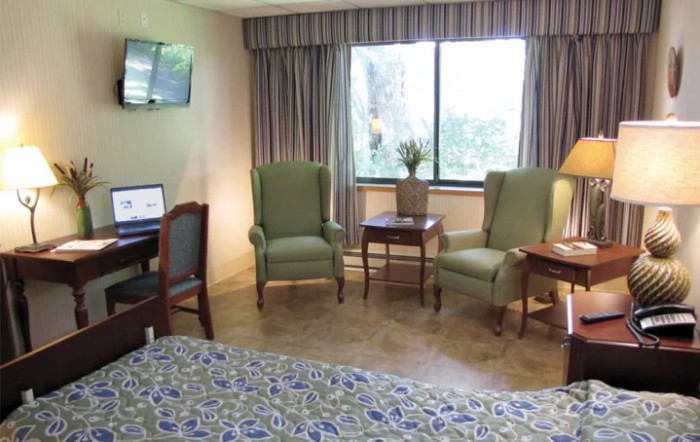
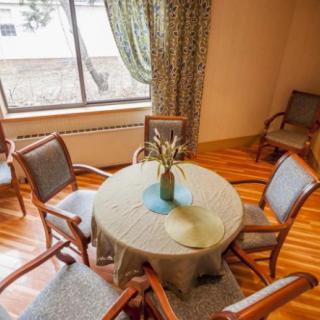
- The facility offers many services and opportunities to keep residents active, including family rooms and a salon.
- Renovations have been completed and the community is well-maintained.
Cons
 The staff are lazy, incompetent, unprofessional, and negligent toward their patients.
- The facility is dirty, smelly, and the food is not edible.
- The place should be shut down permanently.
- The call lights stay on for hours before staff respond to residents.
- The CNA named Sherry is rough with patients, rude, and talks badly about others in front of visitors.
- The nursing supervisor Jackie is nasty, condescending, and thoughtless.
- The kitchen has roach infestations, severe flooding in the basement, and a pervasive mold odor.
- Food service items are improperly stored in standing water in the basement.
Review
This community is best suited for families that want solid rehabilitation services and convenient access to loved ones, provided they are prepared to navigate uneven staff performance and mixed experiences across shifts. Several reviews highlight a capable rehab team, attentive nursing coverage, and an organized intake process, with the facility described as well-maintained and proximate to home. When rehabilitation is the priority, especially for short-term or post-acute needs, this setting can deliver results, and residents can benefit from on-site amenities like a salon, game room, and dedicated activity staff. The presence of multiple doctors visiting and ongoing renovations also signals a facility that is invested in maintaining a functional, child- and family-friendly environment.
Those who should consider alternatives are families prioritizing consistently pristine cleanliness, uniformly compassionate bedside manner, and seamless communication. Multiple accounts point to sanitation lapses in the kitchen and fixtures of broader maintenance concerns, including roach sightings, mold odors, and basement flooding. Interpersonal interactions also vary dramatically by staff member and shift, with several families reporting rude or inattentive behavior, delayed call-bell responses, and experiences that feel dismissive during critical moments. If dependable housekeeping, flawless food service, and consistently respectful, clear communication are non-negotiables, this is a facility to scrutinize closely or to replace with a location that demonstrates steadier performance.
The strongest positives here, robust rehab capability, approachable management, and a patient-centered rehab ethos, do carry meaningful weight against the downsides. When staff are engaged and responsive, the care trajectory for rehab patients tends to be smooth: therapy teams coordinate well with physicians, progress is traceable, and family members can get timely updates. The environment also offers practical advantages: multiple family rooms, active recreation programming, and an atmosphere that feels homey to some residents. The facility’s renovations, the presence of an on-site salon, and easy access to clinical staff can translate into meaningful daily improvements for residents who respond well to structured routines and frequent professional contact.
However, the confluence of kitchen and sanitation concerns with inconsistent bedside care creates a risk profile that cannot be ignored. Reports of roaches, standing water, mold odors, and improper food storage point to potential safety hazards that require immediate verification during a visit. Add to that the recurring critiques of delayed assistance with call lights, staff irritability, and a perception of dismissiveness when families seek information, and the overall reliability of day-to-day comfort becomes variable. For families where a loved one cannot tolerate extended gaps between the moment a call button rings and assistance arrives, these factors tilt decisively toward looking elsewhere or demanding explicit, measurable service guarantees before admission.
On balance, the decision hinges on risk tolerance and rehab priority. If the primary goal is a strong rehabilitation pathway with the option for an engaging social environment, and if staff culture in the particular unit can be verified as consistently compassionate and competent, this facility can justify a stay. Where cleanliness, predictable bedside care, and transparent communication are non-negotiable, this is a place to question unless specific wings or shifts demonstrate uniform excellence. Prospective residents are advised to request a detailed tour focusing on the kitchen, housekeeping, and the unit that would house their loved one; observe call-light responsiveness during peak hours; and speak with current residents and families about recent experiences.
In practical terms, plan a thorough on-site evaluation before deciding. Ask about infection control records for the kitchen, recent sanitation improvements, and any history of regulatory corrections. Request a meet-and-greet with the rehab and nursing leadership to clarify accountability and response times for family inquiries. Probe how discharge planning is managed, especially for post-acute patients who require coordinated home care. If these questions can be answered with confidence, and the unit demonstrates cohesive teamwork, the facility can stand as a strong choice. If not, alternatives offering more consistent cleanliness, service reliability, and compassionate bedside care should be pursued without hesitation.
 120 resident community capacity
 Skilled Nursing Facility
 Air-conditioning
 Beauty salon
 Cable or satellite TV
 Computer center
 Dining room
 Fitness room
 Fully furnished
 Gaming room
 Garden
 Housekeeping services
 Kitchenette
 Move-in coordination
 Outdoor space
 Private bathrooms
 Restaurant-style dining
 Small library
 Telephone
 Wellness center
 Wi-Fi/high-speed internet available
 Community operated transportation
 12-16 hour nursing
 24-hour call system
 Activities of daily living assistance
 Assistance with bathing
 Assistance with dressing
 Assistance with transfers
 Diabetes diet
 Medication management
 Mental wellness program
 Special dietary restrictions
 Concierge services
 Planned day trips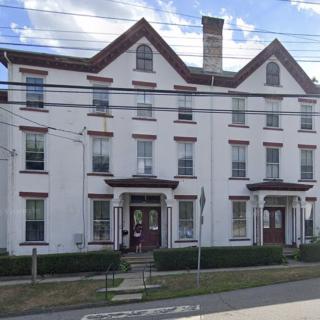




 Urinary Tract Infections in Older Adults: Comprehensive Insights on Symptoms, Treatment, and Prevention
 California's Form 602A: An In-Depth Examination of Senior Care Assessment
 Comprehensive Look at Senior Blood Pressure Charts: Normal and Elevated Levels by Age