
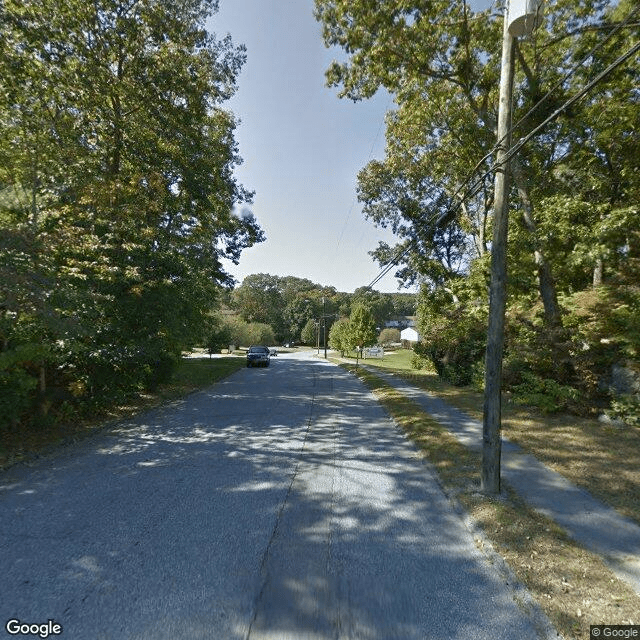
Sandy Lane, Norwich, CT 06360
To contact a resident: (203) 537-1130
For more information about senior living options: (866) 208-4318
Norwich Apartments Costs & Pricing
Norwich Apartments offer competitive monthly rental costs compared to the broader market in New London County and statewide across Connecticut. A one-bedroom unit at Norwich is priced at $775, significantly lower than the county's average of $11,336 and the state median of $6,383. Similarly, for a two-bedroom apartment, Norwich's rate of $800 remains attractive when juxtaposed with the county's average of $3,779 and Connecticut's general rate of $5,070. These pricing structures suggest that Norwich Apartments provide an appealing option for renters seeking affordability without sacrificing location or quality within the region.
| Floor plans | Norwich Apartments | New London County | Connecticut |
|---|---|---|---|
| 1 Bedroom | $775 | $11,336 | $6,383 |
| 2 Bedrooms | $800 | $3,779 | $5,070 |
Senior living communities with a similar price nearby
-
About the same
Hedgewood Apartments
$775 to $850 / month0.0 miles away -
from +$50 / mo
Kingswood Apartments
$825 to $960 / month14.8 miles away -
from +$57 / mo
Pride Point Apartments
$832 / month13.5 miles away -
from +$57 / mo
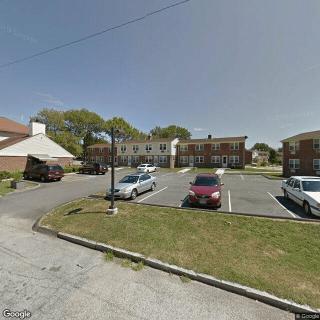
Progress Point Apartments
$832 / month13.5 miles away
Overall Review of Norwich Apartments
Pros
 The place is affordable.
Cons
 The management is absolutely horrible.
- Parking is insufficient and cars get towed with high fees to retrieve them.
- The maintenance staff are out of control and on a power trip.
- A maintenance worker wears a blue lives matter hat at work, which is inappropriate.
- Staff enter tenants' homes at will and are loud.
- Roach problems persist across most apartments.
- The office cares about paychecks, not residents' concerns.
- They argue with residents instead of listening and helping.
- Even when something is broken through no fault of the resident, they still charge them.
- Norwich Housing Authority are liars, and maintenance will enter apartments when residents are not home and steal things.
- The property is overpriced, poorly maintained, and not enough parking.
Review
Norwich Apartments is best suited for residents who must have the lowest possible housing cost and are prepared to accept a culture of management that is unresponsive, invasive, and prone to moving policies at will. This is not a community for those who expect respectful treatment, consistent service, or a sense of safety and privacy in daily life. In plain terms, affordability comes with a steep price in terms of management behavior, maintenance routines, and overall living conditions.
Those who should actively consider alternatives include seniors who rely on dependable help, families who need predictable upkeep, and anyone who values privacy and a quiet, orderly environment. Prospective residents with savings or a willingness to pay more for upgraded facilities, better parking options, and staff who actually listen will be disappointed here. If a benchmark is a stable routine, clear boundaries, and respectful communication, this option should be ruled out in favor of other local housing that prioritizes resident welfare and professional standards.
The few potential positives, primarily the sheer lowest cost, do not meaningfully offset the major drawbacks. Affordability is undermined by the willingness to extract fees even when problems originate outside a resident’s control, and by documentation of persistent nuisance issues like roaches that never seem to disappear. The facility’s value proposition dissolves when maintenance is described as a power trip, when staff fail to honor privacy, and when concerns are met with argumentative responses rather than practical resolution. In short, the cost savings evaporate under the strain of ongoing quality and service failures.
Parking policy compounds the problem. Not enough spaces, with a punitive towing regime that can drain resources quickly for those on fixed incomes. The consequence is a steady stream of unexpected fees and the constant fear of losing urgent mobility, a nonstarter for anyone who relies on a car for medical appointments, groceries, or emergencies. The situation is worsened by a general climate of indifference from management, which makes the parking squeeze feel personal and ongoing rather than a solvable infrastructure issue.
Privacy and daily life suffer alongside maintenance frustrations. Reports describe maintenance entering units at will, regardless of resident availability, accompanied by loud disruptions and a sense that personal space is not respected. The office atmosphere, framed by comments suggesting concerns are less important than cash flow, reinforces a perception that residents are customers to be billed rather than people to be served. Even when problems arise from factors beyond a resident’s control, the response is to press for payment, leaving residents with a sense of being trapped in a cycle of cost and conduct they cannot easily escape.
In the end, this community should be viewed as a last-resort option. For most seniors or families weighing their housing choices, stronger candidates with professional management, better maintenance discipline, and reliable parking are the smarter bet. If choosing Norwich Apartments anyway, enter with a concrete plan: insist on a written set of policies, document every issue and interaction, prepare a plan B for housing if conditions deteriorate, and actively explore alternatives in the market before making a long-term commitment. The prudent conclusion is clear, seek options where affordability does not come at the expense of dignity, safety, and daily stability.
 Active Adult Communities (55+)
 Bath tubs
 Devotional services off-site
 Outdoor common areas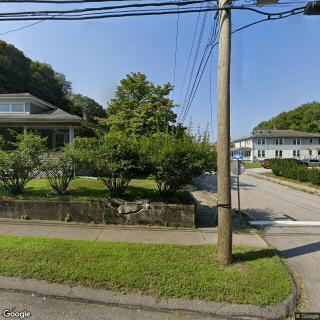
 Top Canine Companions for Older Adults
 Comprehensive Guide to Blood Pressure Charts for Older Adults: Understanding Normal and High Readings by Age
 Financing Long-Term Nursing Home Care Through Social Security: A Thorough Exploration