
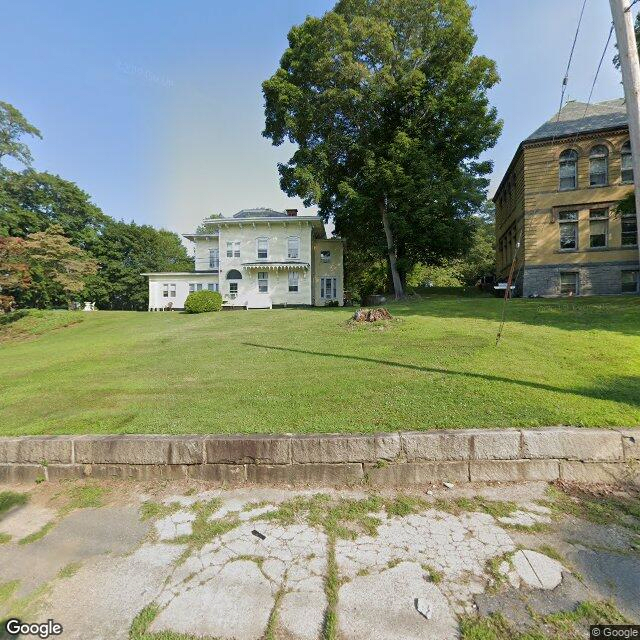
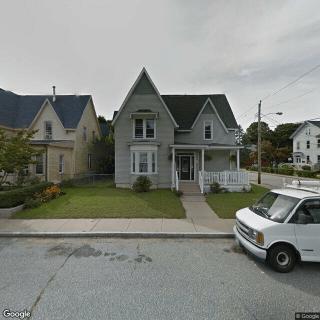
90 Broad Street, Norwich, CT 06360
To contact a resident: (860) 889-8800
For more information about senior living options: (866) 208-4318
Overall Review of Crestwood Manor
Cons
 The facility is owned by two men described as being in the business of warehousing people for a living.
- They fired half the staff when they took over almost nine months ago, and everything has gone downhill since.
- They own the Johnson Home for women, which is described as one step away from being condemned.
- They are accused of prioritizing profits by cutting corners.
- There is only one manager for both places, who allegedly spends time gossiping rather than enriching residents’ lives.
- There are no activities and the food served is processed, pre-packaged garbage harming residents with health issues.
- There is only one aide for all 18 residents per shift, who also does housework, leaving little time to address concerns.
- The owners are nowhere to be seen until rents are due, and there is no reliable way to contact them; the administrator could not care less.
- The place is described as a scam through and through.
Review
Crestwood Manor is best suited for families that must accept a very lean, minimal-care environment and are prepared to overlook systemic governance and staffing failures. In practical terms, this facility only makes sense for residents who require scant direct assistance and for families willing to trade care quality for the lowest possible price. For anyone with meaningful medical needs, cognitive challenges, or a desire for regular, engaging programming, alternatives are the prudent default. Those evaluating options should regard Crestwood Manor as a last resort rather than a viable primary choice.
Accounts from multiple sources describe ownership by two men whose operation has shifted from a previously loving environment to something unoriented around care. The narrative asserts that staffing was decimated, half the staff fired around nine months earlier, creating a ripple effect through daily life and safety. The Johnson Home for women is framed as a property in peril, one step away from condemnation, with the overarching claim that profits trump resident well-being. A single manager for both sites is said to be overwhelmed, more absorbed in gossip than in leading a team that must address health, safety, and social needs. The cumulative picture is of a facility where oversight is inconsistent and accountability is hard to find.
The quality of life for residents appears to deteriorate on several fronts. With only one aide covering 18 residents per shift, personal attention to health issues and daily concerns inevitably becomes sporadic, leaving gaps in care, communication, and problem resolution. The menu and mealtime experience are criticized as heavily processed, with a marked sentiment that meals contribute to chronic health problems rather than support well-being. The paucity of activities strips away routine engagement and purpose, which compounds the challenges of managing illnesses like diabetes or hypertension. The owners’ intermittent presence and the administrator’s perceived indifference erode trust and can amplify anxiety among residents and their families.
In weighing potential positives against the stark drawbacks, the pros here are effectively negligible. The facility exists, operates under a license, and provides basic housing, but none of these elements compensate for the core failures described: staffing shortages, disengaged leadership, absent daily programming, and questionable food quality. The main cons overpower any incidental conveniences, making the net value proposition unattractive for any resident who requires dependable care, predictable routines, or dignified daily life. Without meaningful reform or verifiable improvements in governance and staffing, the advantages fail to offset the risks and disappointments evident in the current operation.
Families evaluating Crestwood Manor should adopt a disciplined, evidence-based approach. First, verify current licensing status and inspect state inspection reports for recent citations, staffing levels, and complaint histories. Speak with multiple staff members and, if possible, current residents or family councils to gauge consistency of care, responsiveness, and safety. Demand a transparent owner/administrator contact plan, a clear escalation protocol, and a written commitment to programming, nutrition standards, and regular activity availability. Compare this community against nearby providers with stable ownership, documented staffing levels, and robust activity calendars. Have a clear exit strategy and budget for potential move costs should conditions not improve.
Bottom line: Crestwood Manor, as described, is not a sound choice for anyone who expects reliable care, proactive leadership, or a well-rounded daily life for a loved one. The combination of ownership concerns, staffing shortfalls, minimal programming, and questionable nutritional standards outweigh any potential financial savings. For families weighing options in Norwich and surrounding towns, the prudent course is to pursue alternatives that offer transparent governance, adequate staffing ratios, meaningful activities, and consistent, respectful care. If Crestwood Manor remains under consideration, approach it only with rigorous due diligence, a concrete monitoring plan, and a clear plan to transition at the first sign that quality of life or safety is at risk.
 22 resident community capacity
 Assisted Living
 Board and Care Home
 Skilled Nursing Facility
 Beauty salon
 Cable or satellite TV
 Dining room
 Fully furnished
 Garden
 Housekeeping services
 Kitchenette
 Move-in coordination
 Outdoor space
 Telephone
 Wi-Fi/high-speed internet available
 24-hour call system
 Activities of daily living assistance
 Assistance with bathing
 Assistance with dressing
 Assistance with transfers
 Diabetes diet
 Meal preparation and service
 Medication management
 Mental wellness program
 Special dietary restrictions
 Transportation arrangement (medical)
 Transportation to doctors appointments
 Budget-friendly 1-bedroom option with diabetes care and on-site activities.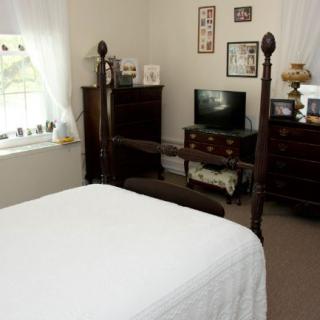

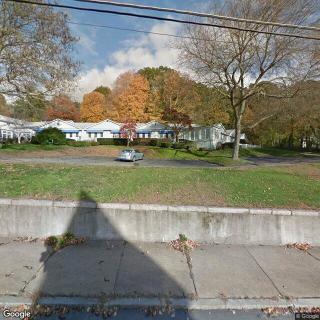



 Comprehensive Residential Support and Assisted Living Solutions for Individuals with Disabilities
 Comprehensive Supportive Living Arrangements for Adults with Disabilities
 Funding and Affording Assisted Living: A Thorough Overview