

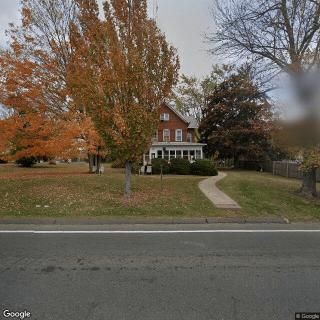
32 Miner Street, Middletown, CT 06457
To contact a resident: (860) 632-1119
For more information about senior living options: (866) 208-4318
Overall Review of The Day Club Adult Day Center
Pros
 It is a great place with many activities for the elderly.
Cons
 The driver of the van should be ashamed for tailgating on Miner Street.
- Tailgating on Miner Street has never made anyone faster.
Review
The Day Club Adult Day Center in Middletown is best suited for seniors who live at home but need structured daytime engagement, social interaction, and a reliable caregiver break. This program works best for families seeking meaningful daytime activity for an elderly loved one without the demands of overnight supervision or full-time medical care. It serves as a daytime support option, ideal for maintaining routine, reducing isolation, and providing planned activities that keep older adults mentally and socially engaged. It is not a substitute for ongoing medical supervision or 24/7 care, and families should align expectations with the reality of an adult day setting rather than a residential senior living arrangement.
Those considering alternatives should note that this option may not fit every need. For seniors who require constant monitoring, complex dementia care, or immediate medical interventions, an assisted living community or a memory-care setting will better address supervision and medications around the clock. If dependable transportation is a critical requirement, verify that ride safety and driver training meet the family’s standards, because daytime programs rely on transport as a key service. Families with highly variable schedules, medical needs, or who require a facility with on-site nursing might prefer a model that combines daytime programming with more extensive on-site health support.
A clear strength and differentiator is the breadth of activities designed for the elderly. The program appears to offer a robust slate of engagement options, which matters because consistent cognitive and social stimulation often translates into improved mood, motivation, and overall well-being. For caregivers, the ability to arrange a structured daytime program reduces the burden of supervision and provides predictable routines for their loved ones. When activities are well-structured and inclusive, participation tends to be high, which amplifies the social benefits and can help stave off feelings of isolation that commonly accompany aging. In short, the Day Club’s activity focus delivers tangible value where social connection and daily purpose are priorities.
On the other hand, the transportation component draws a notable caveat from feedback: at least one commenter highlighted aggressive driving behavior by a van driver on a residential street. While this represents a single vocal concern within a small sample, it points to a potential risk that families cannot overlook. Transportation safety should be a non-negotiable criterion; inquire about driver training, vehicle maintenance, route planning, and an incident response protocol. It is reasonable to request a ride-along or to review the center’s policy on transportation safety and staffing before enrollment. A program with excellent activities can still underperform if transport is perceived as unsafe.
Beyond transportation, the limited number of reviews and one lower rating signal caution. Prospective families should treat this as a starting point for due diligence rather than a verdict. Schedule a visit, observe a session, and meet with program staff to evaluate how activities are tailored to different ability levels, how independence is respected, and how staff respond to behavioral or medical needs during the day. Inquire about staff-to-participant ratios, how emergencies are handled, and what oversight exists for medications or health concerns during program hours. A well-run day program should provide transparent information, clear boundaries, and demonstrated responsiveness to family concerns.
Ultimately, this option represents a practical choice for daytime socialization, caregiver relief, and structured activity for seniors who are ambulatory and do not require continuous clinical oversight. It delivers real value through engagement and routine, which can meaningfully improve daily quality of life for many older adults. Yet it is not a universal remedy. Families should weigh the strong social and programmatic offerings against transportation safety considerations and the absence of around-the-clock care. If reliability, medical supervision, and full-time oversight are essential, broader or alternative arrangements deserve comparison. When evaluated with clear priorities, The Day Club Adult Day Center can be a compelling component of a balanced senior-care plan.
 Day Program
 Bradley International (25 miles away)





 Fecal Incontinence in Older Adults: A Comprehensive Guide
 Recognizing the Journey: Understanding and Navigating Anticipatory Grief
 Encouraging Participation in Adult Day Care: A Guide to Supporting a Hesitant Parent