
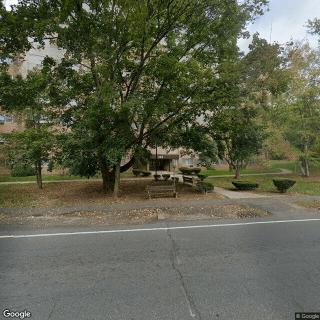
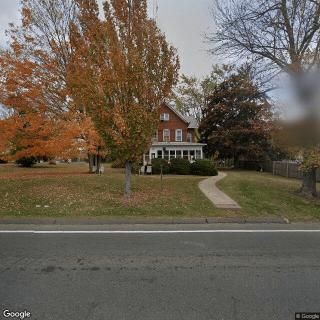
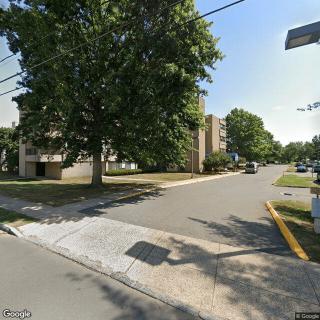
257 Ridgewood Court, Middletown, CT 06457
For more information about senior living options: (866) 208-4318
Overall Review of Founders Ridge
Pros
 The community is awesome because residents care about one another and watch out for each other.
- Neighbors are welcoming without being intrusive.
- Founders Ridge offers a wide range of home options and customization opportunities, not cookie-cutter designs.
- The model-home layout is impressive, and the workmanship is high quality.
- The neighborhood maintains the property well, contributing to a positive living environment.
- Ameritage is accommodating and easy to work with during the building process.
- Hiring a local contractor like Ameritage was a plus in their decision to choose this home.
- Choosing Founders Ridge is described as the best decision they could have made.
Cons
 Some homeowners were creeped out by the pest-control door-to-door outreach.
- One reviewer reported that the HOA insulted him, called him a racial slur, and spoke in the worst way.
- The HOA president threatened the reviewer and coworker, saying they didn’t belong in those parts and commenting on their tax bracket because of how they looked.
- Another reviewer stated the community is not welcoming at all, especially for those who are not white.
- A reviewer said they would have given zero stars due to racism and unwelcoming behavior.
Review
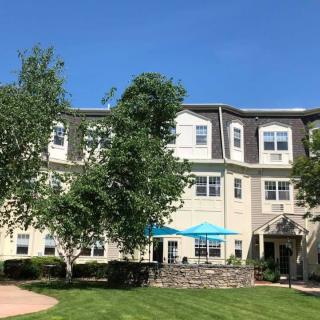
Founders Ridge in Middletown, CT is best suited for downsizers and families who want a brand-new, customizable single-family home in a thoughtfully planned community. The appeal lies in modern construction, the freedom to tailor layouts and finishes, and a non-cookie-cutter neighborhood feel that seems settled from the start. Buyers approach the purchase expecting low maintenance, solid workmanship, and the comforts of a contemporary home: mountain-facing views, sunrises, and a setting where neighbors are welcoming. The development leans on Ameritage as the builder, with a process many buyers described as accommodating and a sense of care among residents that adds to the appeal of a fresh start.
Those considering alternatives should weigh the social climate as a decisive factor. Reviewers recount serious concerns about racism and intimidation tied to HOA leadership, painting a picture of a community where not all residents feel welcome or safe. The risk isn’t theoretical; it reflects interactions that leave nonwhite buyers and even contractors feeling targeted or unwelcome. In a home environment where social harmony and predictable governance matter as much as physical surroundings, these reports carry substantive weight. For families prioritizing a genuinely inclusive, non-threatening neighborhood culture, the caveat is clear.
On the upside, the positives are tangible and meaningful. The homes themselves are newly built with an emphasis on quality workmanship and broad customization options that steer clear of cookie-cutter rigidity. Buyers can select lots with mountain views and tailor interiors through a coordinated network, with strong attention to layout, finishes, and overall livability. The model homes showcase thoughtful design, and the overall upkeep of the property is described as solid, translating into a lower ongoing maintenance burden. When social dynamics align, this combination of design flexibility and low-friction upkeep can deliver a compelling, comfortable living experience.
The chief drawbacks, however, are not minor. The most consequential concerns center on the social environment and governance within the community. Allegations of discriminatory behavior, intimidation, and exclusion cast a long shadow over what would otherwise be an appealing setting. Reports of confrontations and perceived hostility from HOA leadership toward nonwhite residents contribute to a sense that belonging may be conditional, dependent on who you are and how you engage with the HOA. For families evaluating this as a long-term home, these dynamics pose a real threat to the stability and serenity that define ideal downsizing or aging in place.
The practical takeaway is straightforward: the strong design, customization options, and low-maintenance lifestyle offer genuine value for buyers willing to accept some social risk. The decision hinges on whether the social climate can be trusted to remain welcoming and fair, and whether governance practices will improve rather than deteriorate over time. Prospective buyers should conduct rigorous due diligence: engage with a broad cross-section of residents, request documentation on HOA policies, enforcement history, and grievance procedures, and inquire about ongoing efforts to foster inclusivity and accountability. If inclusivity and transparent, respectful governance are nonnegotiable, several alternatives with clearer anti-discrimination commitments and more predictable social environments deserve serious consideration.
Finally, frame the choice against care needs and long-term goals. Founders Ridge is not a care facility and does not provide aging-in-place services, so families seeking assisted living or dedicated senior-focused support should look to alternatives designed around care delivery and clinical oversight. For buyers who prize a stylish, customizable new home and are comfortable navigating occasional social friction within a small HOA-driven enclave, Founders Ridge offers substantial merit. Yet for those who cannot tolerate a potentially exclusive social climate or who require more robust resident-support structures, the prudent move is to explore other neighborhoods that foreground inclusivity, governance transparency, and care-oriented options.
 6 resident community capacity
 Active Adult Communities (55+)
 Housekeeping services
 Telephone
 Wi-Fi/high-speed internet available
 Assistance with dressing
 Meal preparation and service
 Medication management
 Diabetes diet
 Special dietary restrictions


 Comprehensive Approaches for Arthritis: A Detailed Guide to Symptoms, Causes, and Care
 Comprehensive Insights and Practical Strategies to Help Older Adults Avoid Falls
 6 Crucial Ways an Elder Law Attorney Assists Families