
76 Butler Street, Meriden, CT 06450
To contact a resident: (203) 537-1130
For more information about senior living options: (866) 208-4318
Overall Review of Hanover Towers
Pros
 They love living there.
- It’s a great experience.
- They believe everyone with funds should come.
Cons
 It has a bad odor inside.
- Visiting is difficult due to a lack of visitor parking.
- There are some odd people living there.
Review
Hanover Towers in Meriden is best suited for financially comfortable seniors who want a dense, community-forward living environment and who can tolerate the built-in quirks that come with a high-occupancy, mid-rise setting. The strongest signal from residents is a positive, “this works for me” experience when funds are available to support a more independent, socially active lifestyle within a setting that houses a large senior population. It is not a stripped-down, budget option; rather, it delivers a lively atmosphere that can feel convenient and reassuring for those who prioritize companionship and the feeling of being part of a long-standing, turnkey community.
That said, not every retiree will feel comfortable here, and several caveats merit careful consideration before choosing Hanover Towers. Families on tighter budgets or those weighing a move against ongoing costs should explore alternatives, because the financial hurdle is real, and the sentiment of “you should come if you have the funds” suggests affordability plays a central role in overall satisfaction. For individuals who value quiet, predictable routines, or a quieter vibe without the variability that can accompany a large resident mix, other options may offer more consistent comfort. The decision hinges on whether the social appeal and convenience align with the pocketbook and personal tolerance for environmental quirks.
On the upside, the key pro is the built-in social ecosystem. With a substantial senior population under one roof, residents are likely to find peers for activities, conversations, and a sense of belonging that can be harder to cultivate in smaller communities. The one strongly positive review underscores a feeling of a rewarding living experience for those who can afford it, which signals that the core offer, community, opportunities to socialize, and a ready-made network, lands for many residents. The sheer density of seniors can translate into robust programming, shared experiences, and a sense that daily life is less孤独 than in more isolating settings. For families prioritizing companionship and a feeling of being well-supported by peers, this is a meaningful advantage.
The drawbacks are concrete and must be weighed against the positives. A persistent odor issue inside the building, cited by reviewers, can erode daily comfort and make even appealing spaces feel less inviting. This is not a minor nuisance; it impacts the overall sense of freshness, cleanliness, and mood. Additionally, visitor access is a logistical headache due to limited parking for guests, which complicates regular family visits, appointments, and care coordination. Finally, one reviewer’s note that “there’s some odd people living in here” raises concerns about the resident mix and how it translates to safety, comfort, and day-to-day interactions. These are not just cosmetic flaws; they shape the experience in ways that matter to families evaluating a move.
When weighing the pros against the cons, the math favors the Hanover Towers model for certain buyers. The social vitality and ready-made community can offset some environmental drawbacks for residents who prize connection and are financially prepared to absorb higher living costs. In practical terms, families who want a vibrant, neighborly setting with frequent opportunities to engage in social activities and who do not require a pristine, odor-free environment may find the trade-off acceptable. For these households, the daily benefits of proximity to peers and the sense of belonging often outweigh the inconveniences of odor and occasional visitor parking friction. The decision hinges on whether the value of community density and social life justifies the outlined drawbacks.
The bottom line is clear: Hanover Towers is not a universal fit. It serves best those who are financially positioned to enjoy a lively, resident-rich environment and who can tolerate a few environmental shortcomings in exchange for social engagement and convenience of location. It will not satisfy families seeking a quiet, consistently odor-free setting or an atmosphere with hassle-free guest access. Alternative options are worth considering for those who prioritize predictable ambience, straightforward visitor logistics, or strong assurances about resident behavior and safety. In making a choice, prioritize priorities, community energy and social opportunities on one side, environmental comfort and accessibility of guests on the other, and align the decision with the financial plan and tolerance for building quirks.
 Active Adult Communities (55+)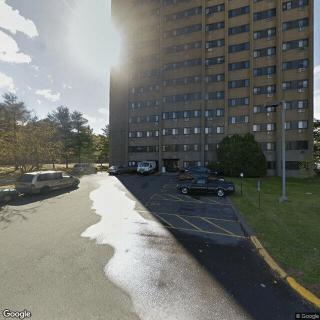

 Comprehensive Insights and Practical Strategies to Help Older Adults Avoid Falls
 6 Crucial Ways an Elder Law Attorney Assists Families
 Navigating the Tax Landscape of Caregiving: Credits, Deductions, and Beyond