Holiday Manor

Save
Holiday Manor

Holiday Manor

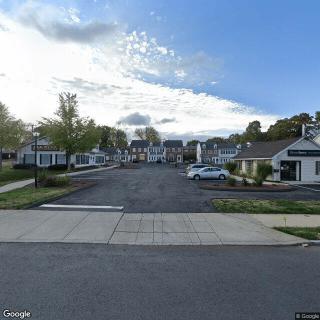
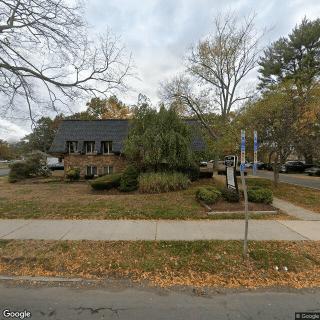
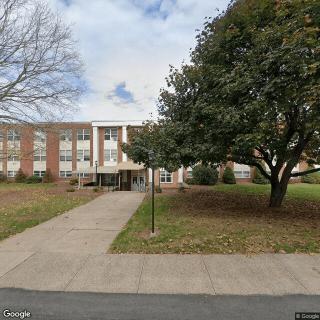
29 Cottage Street, Manchester, CT 06040

For more information about senior living options: (844) 490-3973

4 from 45 reviews
5 stars
24
4 stars
10
3 stars
5
2 stars
0
1 stars
6

Assisted Living Board and Care Home

What level of care are you interested in?

Assisted Living

Memory Care

Independent Living

Skilled Nursing Facility

Continuing Care Retirement Community (CCRC)CCRC

Other


Request a tour at Holiday Manor

    Overall Review of Holiday Manor

    Pros

    • pro The staff goes above and beyond for residents and their families.
    • pro The community and staff feel like family.
    • pro The meals are delicious, and the restaurant-style dining makes residents feel like they are living their best life.
    • pro The transition for new residents from a larger home is described as great.
    • pro The staff was awesome, informative, warm, and thorough.
    • pro The facility is gorgeous with many amenities.
    • pro It is a warm and wonderful independent living facility.
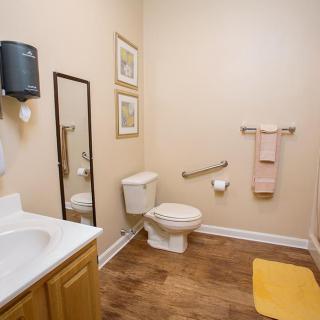
    • pro The executive director fixed the shower door himself, showing exceptional responsiveness.
    • pro Residents speak highly of the attentive staff and how well they are treated.
    • pro The facility is beautifully maintained and offers an elegant independent living environment.
    • pro The facility is clean and has a good staff.
    • pro The place is very beautiful.

    Cons

    • pro The facility has gone downhill to the point that the board of health should be called to shut it down.
    • pro There are no cleaners and the laundry room is full of poop-filled dirty diapers overflowing from a trash can.
    • pro Management is awful, with Torres singled out as particularly problematic.
    • pro A strong odor is present in the building due to unsanitary conditions, noticeable from rooms down the hall.
    • pro Residents are yelled at and treated as burdens by workers, with relocations made without notice.
    • pro Food offerings are often inadequate, with meals running out and overall poor quality.
    • pro The sidewalk outside is cracked and damaged, posing a danger to walkers.
    • pro The WiFi is weak and spotty, making it frustrating for residents to watch TV or use the internet.

    Review

    The collection of experiences at White Oaks is a study in strong contrasts. On one hand, many families describe the community as life-affirming and welcoming, where staff and residents feel like family and where the transition to a new chapter in life is eased by genuine warmth. Several reviewers emphasize how the staff go above and beyond for both those moving into independent living and for their loved ones who are watching over them. The sense of belonging is palpable in these accounts, with phrases like "you immediately feel the community" and "the heart and soul of the place" recurring in different voices. For some families, the atmosphere is so positive that they feel confident leaving their relatives in a setting that feels safe, friendly, and supportive, especially when the dining experience is described as almost restaurant-like and the daily life is framed as an elevated, enjoyable living arrangement.

    Yet alongside these hopeful narratives, there are equally strong reports of serious concerns that have left some families disillusioned or even alarmed. A number of reviewers portray a facility that has declined in ways that impact health, hygiene, and safety. One reviewer explicitly suggests that a Board of Health intervention might be warranted, citing a laundry room filled with excrement-filled diapers, a pervasive odor, a lack of cleaners, and what is described as management problems under a particular administrator. The language is stark - describing a "death trap" and a situation that would prompt families who love their relatives to consider moving them out. These are powerful warnings that signal to prospective residents the importance of ongoing oversight and careful inspection.

    There is also a recurring thread about operations and staffing. Some reviewers speak to insufficient attention to basic needs, such as housekeeping and maintenance, and reports of under-staffing or inconsistent service. For example, concerns about the WiFi being weak and unreliable - especially for older residents who want to watch television or use the internet - are paired with remarks about delayed care for basic tasks, including a bed that hadn't been changed in weeks. In several instances, complaints about unresolved issues were met with frustration, with some noting that complaints "bring zero results." Taken together, these anecdotes emphasize that while the facility can be beautiful and well-run at times, real gaps in routine availability and responsiveness have a tangible impact on residents' daily lives.

    The independent living narrative is nuanced. A number of reviewers who are looking at independent living specifically praise the aesthetics and the atmosphere: a gorgeous facility, elegant surroundings, and a sense that the environment is conducive to a comfortable, dignified lifestyle. Some even describe short-term joy in the moment - delight in the food, the apartments, and the social fabric. At the same time, one reviewer who is evaluating care needs explains that their sister's early-onset Alzheimer's would eventually require a more assisted living arrangement, which tempers their enthusiasm with caution about suitability for long-term care needs. This tension - between a warm, vibrant independent living scene and the realities of escalating care needs - appears repeatedly in the feedback.

    Personal experiences with staff vary as well, highlighting another layer of complexity. There are stories of exceptional moments - an executive director repairing a shower door himself on the first day of a client's visit, or staff who are attentive and kind in conversations with residents and families. Conversely, there are accounts of confrontational interactions, relocations without notice, and a sense that some residents are treated more like burdens than valued members of the community. One reviewer frames this as a cultural issue tied to change in ownership, describing a lack of respect and a sense that residents' needs were not being prioritized during a challenging period. The contrast between these perspectives suggests that outcomes may depend heavily on individual staff members and the timing of experiences within the facility.

    Renovations and ongoing improvements are another facet that comes through in the reviews. Some readers acknowledge that the community is undergoing work, and emphasize that the "heart and soul" of the place remains intact despite disruptions. Others see renovations as a distraction or a source of inconvenience that should not come at the expense of residents' well-being. In one voice, the sentiment is that the physical improvements are worth it, particularly when paired with a belief in the facility's underlying dedication to caring for residents. Yet for another reviewer, the renovations feel like an example of longer-standing issues - something to overlook only if the core values of care hold steady.

    Across all this, the sentiment about food and dining is deeply mixed. Some residents praise the meals as delicious and a high point of daily life, contributing to a sense of living well in a community that feels like a family home. Others describe the food as not up to par, with complaints about limited options, disappointing quality, or the perception that food might not be consistently available when meals run late or dining expectations aren't met. This divergence mirrors the broader pattern in the reviews: what works beautifully for one person can be a point of dissatisfaction for another, underscoring the variability of experiences within the same facility.

    In sum, White Oaks presents a complex portrait of a community that can be life-changing in the best possible way for many families, while also provoking serious concerns for others. The positive stories emphasize genuine care, attractive surroundings, and an atmosphere that supports independence and social connection. The negative accounts call attention to gaps in cleanliness, safety, responsiveness, and care that cannot be ignored, especially for families navigating the complexities of aging and care needs. Prospective residents and families would do well to engage directly with current residents, observe the environment during a visit, ask pointed questions about staffing, maintenance, and care options, and listen closely to both the praise and the warnings in these narratives. The facility's future experience likely hinges on balancing the strengths in community and amenities with a steadfast commitment to safety, cleanliness, and reliable, compassionate care.

    Features

    Housing

    • 22 resident community capacity 22 resident community capacity

    Types of Care

    • Assisted Living Assisted LivingAssisted living facilities provide crucial support and care for seniors who may need help with daily tasks such as medication management, bathing, and meal preparation. These communities offer a safe and comfortable environment where seniors can maintain their independence while receiving the assistance they need to thrive in their golden years.
    • Board and Care Home Board and Care HomeBoard and care homes provide a smaller, more intimate setting for seniors who require assistance with daily tasks but do not need the level of care offered by a nursing home. They offer personalized care, meals, and social activities in a homelike environment, ensuring that seniors receive individualized attention and support in their golden years.

    Amenities

    • Beauty salon Beauty salonBeauty salons are important for seniors because they provide a space for them to feel pampered, socialize, and maintain their personal grooming and hygiene. Regular visits to a beauty salon can help boost seniors' self-esteem and overall well-being.
    • Cable or satellite TV Cable or satellite TVCable or satellite TV is important for seniors because it provides entertainment, news, and companionship, helping to combat loneliness and boredom. It also offers a wide range of programming options tailored to different interests and preferences.
    • Dining room Dining roomDining rooms are important for seniors as they provide a space for socialization, connection, and nutritious meals. They offer opportunities for residents to bond over shared meals, foster a sense of community, and promote healthy eating habits. Dining rooms also ensure that seniors have access to well-balanced meals tailored to their dietary needs and preferences.
    • Fully furnished Fully furnishedFully furnished senior living communities are important for seniors because they provide convenience, comfort, and a hassle-free moving experience. Seniors can easily settle into their new living space without the stress of having to buy and move furniture. This allows them to focus on enjoying their new home and community.
    • Garden GardenGardens are important for seniors as they provide a peaceful and therapeutic environment for relaxation, physical activity, and socialization. Being in nature has been shown to reduce stress, improve mood, and promote overall well-being. Gardens also offer opportunities for seniors to engage in gardening activities, which can improve mobility, flexibility, and cognitive function. Additionally, gardens create a sense of community and connection with others who share a passion for plants and outdoor spaces.
    • Housekeeping services Housekeeping servicesHousekeeping services are important for seniors because they help maintain a clean and safe living environment, promote independence, and reduce the risk of accidents or illnesses. Additionally, having assistance with household chores can alleviate physical strain and allow seniors to focus on other aspects of their well-being.
    • Kitchenette KitchenetteKitchenettes are important for seniors living in senior living communities because they provide the convenience and independence of being able to prepare simple meals and snacks in the comfort of their own living space. This can help promote a sense of autonomy and well-being for seniors, allowing them to maintain some level of control over their dietary choices and daily routines.
    • Move-in coordination Move-in coordinationMove-in coordination is important for seniors because it helps ease the transition into their new living environment. It ensures that all logistics, such as packing, organizing movers, and setting up utilities are taken care of, allowing seniors to focus on settling in and adjusting to their new home. Having a smooth move-in process can alleviate stress and anxiety, making the transition smoother and more enjoyable for seniors.
    • Outdoor space Outdoor spaceOutdoor spaces are important for seniors as they provide opportunities for physical activity, social interaction, exposure to natural light and fresh air, and a sense of connection to nature. Having access to outdoor spaces can improve overall well-being and quality of life for older adults living in senior communities.
    • Telephone TelephoneTelephones are important for seniors as they provide a lifeline for communication with loved ones, emergency services, and healthcare providers. They offer a sense of security and independence, enabling seniors to stay connected and access assistance when needed.
    • Wi-Fi/high-speed internet available Wi-Fi/high-speed internet availableWi-Fi/high-speed internet is important for seniors to stay connected with loved ones, access online resources, and participate in virtual activities to combat feelings of loneliness and isolation. It also allows them to easily manage healthcare needs, access entertainment, and engage in lifelong learning opportunities.

    Transportation

    • Bradley International (14 miles away) Bradley International (14 miles away)

    Care Services

    • 24-hour call system 24-hour call system24-hour call systems are important for seniors because they provide peace of mind and immediate assistance in case of emergencies. This technology ensures that help is always available, promoting safety and security for elderly individuals living alone or in assisted living facilities.
    • 24-hour supervision 24-hour supervision24-hour supervision is important for seniors to ensure their safety, well-being, and access to immediate assistance in case of emergencies or health issues. This constant support provides peace of mind for both seniors and their loved ones, allowing them to age in place with dignity and security.
    • Activities of daily living assistance Activities of daily living assistanceActivities of daily living assistance are important for seniors because they provide essential support with tasks such as eating, bathing, dressing, and mobility. This assistance helps seniors maintain their independence, dignity, and overall quality of life as they age.
    • Assistance with bathing Assistance with bathingAssistance with bathing is crucial for seniors as it helps maintain personal hygiene, prevents infections, and ensures their overall well-being and comfort. It also provides a sense of dignity and independence for seniors who may struggle with this task on their own.
    • Assistance with dressing Assistance with dressingAssistance with dressing is important for seniors because it helps maintain their independence, promotes personal hygiene, prevents accidents and injuries, and improves overall quality of life. This service ensures that seniors can continue to dress comfortably and confidently, despite any physical limitations they may have.
    • Assistance with transfers Assistance with transfersAssistance with transfers is crucial for seniors as it helps prevent falls and injuries, maintains their independence, and ensures they can safely navigate their living environment. It also provides peace of mind for both seniors and their loved ones.
    • Coordination with health care providers Coordination with health care providersCoordination with health care providers is crucial for seniors to ensure proper medical care, medication management, and overall well-being. This collaboration helps prevent overlapping treatments, track progress more effectively, and provide comprehensive support tailored to individual needs.
    • Diabetes diet Diabetes dietA diabetes diet is crucial for seniors as it helps manage blood sugar levels, reduce risks of complications, and improve overall health and well-being. By following a balanced and nutritious diet tailored to their specific needs, seniors can better control their diabetes and enhance their quality of life.
    • Meal preparation and service Meal preparation and serviceMeal preparation and service are crucial for seniors as they may have limited mobility or energy to cook nutritious meals. Having access to healthy and convenient food options can ensure they are getting the proper nutrition needed to maintain their overall health and well-being.
    • Medication management Medication managementMedication management is crucial for seniors to ensure they are taking the right medications at the correct dosages and times. This helps prevent adverse drug interactions, reduces the risk of medication errors, and promotes overall health and well-being. Proactive management also allows for adjustments as needed based on changing health conditions or new prescriptions.
    • Mental wellness program Mental wellness programMental wellness programs are essential for seniors as they promote cognitive stimulation, emotional support, and social engagement. These programs help prevent isolation, depression, and cognitive decline, ultimately enhancing the overall quality of life for older adults.
    • Special dietary restrictions Special dietary restrictionsSpecial dietary restrictions are important for seniors because age-related changes in metabolism and health conditions can make it difficult for their bodies to process certain foods. By following a diet tailored to their specific needs, seniors can maintain their overall health and well-being, manage chronic conditions, and reduce the risk of complications such as malnutrition or food interactions with medications.
    • Transportation arrangement (medical) Transportation arrangement (medical)Transportation arrangements for medical purposes are essential for seniors as they may have difficulty driving themselves to appointments or accessing public transportation. Having reliable and safe transportation options ensures that seniors can receive timely medical care and maintain their health and well-being.
    • Transportation to doctors appointments Transportation to doctors appointmentsTransportation to doctors' appointments is crucial for seniors as it ensures they have access to necessary medical care and support for their health needs. Without reliable transportation, seniors may struggle to attend important appointments, leading to potential delays in treatment and health complications. Providing transportation services helps seniors maintain their overall well-being and quality of life.
    Dining

    • Diabetes diet Diabetes dietA diabetes diet is crucial for seniors as it helps manage blood sugar levels, reduce risks of complications, and improve overall health and well-being. By following a balanced and nutritious diet tailored to their specific needs, seniors can better control their diabetes and enhance their quality of life.
    • Special dietary restrictions Special dietary restrictionsSpecial dietary restrictions are important for seniors because age-related changes in metabolism and health conditions can make it difficult for their bodies to process certain foods. By following a diet tailored to their specific needs, seniors can maintain their overall health and well-being, manage chronic conditions, and reduce the risk of complications such as malnutrition or food interactions with medications.

    Activities

    • Community-sponsored activities Community-sponsored activitiesCommunity-sponsored activities are important for seniors as they provide opportunities for social interaction, mental stimulation, and physical activity. These activities can help improve overall well-being, combat loneliness and isolation, and promote a sense of belonging and purpose among older adults.
    • Scheduled daily activities Scheduled daily activitiesScheduled daily activities are important for seniors because they provide structure, socialization, mental stimulation, and physical activity. Engaging in regular activities can improve overall well-being and quality of life for seniors living in a community setting.

    Description

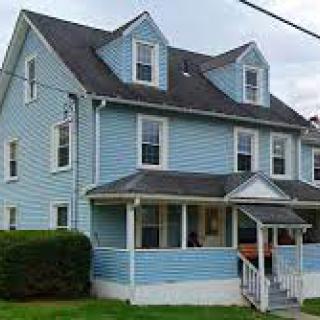
    Holiday Manor is an exceptional board and care home located in Manchester, CT. Our community provides a warm and welcoming environment for seniors who require assistance with their daily living activities.

    Our fully furnished accommodations are designed to offer comfort and convenience to our residents. Each room is equipped with cable or satellite TV, Wi-Fi/high-speed internet access, and a telephone for easy communication. Residents can enjoy the beautiful outdoor space and garden area, perfect for relaxation or socializing.

    At Holiday Manor, our dedicated staff is available around the clock to provide 24-hour supervision and assistance with activities of daily living such as bathing, dressing, and transfers. We also offer medication management services to ensure that all medications are taken at the appropriate times. Our team coordinates closely with health care providers to ensure that each resident's unique medical needs are met.

    We understand the importance of proper nutrition in maintaining overall well-being, which is why we provide delicious meals prepared according to special dietary restrictions like diabetes diets. Our dining room offers a comfortable setting where residents can enjoy their meals.

    We believe that staying mentally and physically active is crucial for optimal senior health. That's why we offer a wide range of scheduled daily activities to keep our residents engaged and entertained. Additionally, we have a mental wellness program designed to support the cognitive well-being of our residents.

    Convenience is key at Holiday Manor. Not only do we assist with transportation arrangements for medical appointments but we are also conveniently located near cafes, parks, pharmacies, physicians' offices, restaurants, and theaters.

    Overall, Holiday Manor provides a caring and supportive environment where seniors can receive personalized care while enjoying all the amenities and conveniences they desire in an assisted living community.

    Nearby Places of Interest

    This particular area of Manchester, Connecticut offers a variety of amenities that may be of interest to seniors looking for a convenient and vibrant community. With several physicians specializing in pediatrics, ophthalmology, orthopedic surgery, and cardiology located within close proximity, residents have access to quality healthcare services. Additionally, there are multiple restaurants and cafes nearby for dining options, as well as pharmacies for medication needs. For leisure activities, there is a Cinemark theater just 2.6 miles away and several parks for outdoor recreation within a short drive. The area also has transportation options available with Pratt & Whitney and Union Station within reasonable distance. Places of worship are also present in the area such as the Second Congregational Church and Jehovah's Witnesses. Overall, this part of Manchester provides a convenient and diverse environment for senior living.

    Physicians

    • ABC Pediatrics (0.1 miles)
    • Surgical & Medical Opthlmlgy (0.7 miles)
    • Very Healthy Water (0.8 miles)
    • Manchester Orthopedic Surgery & Sports Medicine (0.8 miles)
    • Suede Surgical Care (1 miles)
    • Connecticut Cardiology Center, PC (1.1 miles)
    • Advanced Orthopaedics and Sports Medicine PC (1.3 miles)

    Restaurants

    • Center Perk (0.3 miles)
    • McDonald's (1 miles)
    • Pepe's Restaurant & Lounge (1.2 miles)
    • Grady Tavern (1.6 miles)
    • Shady Glen Dairy Stores (2 miles)
    • Elicit Brewing (2.2 miles)
    • Buckland Billiards & Bar (2.6 miles)

    Pharmacies

    • Walgreens (0.9 miles)
    • CVS Pharmacy (1.2 miles)
    • Walgreens (3 miles)
    • Walgreens (4 miles)
    • CVS Pharmacy (4.2 miles)
    • CVS Pharmacy (4.3 miles)
    • CVS Pharmacy (4.4 miles)

    Cafes

    • Starbucks (2.6 miles)
    • Starbucks (3 miles)
    • Starbucks (3.2 miles)
    • Panera Bread (3.6 miles)
    • Starbucks (4.3 miles)
    • Birdhouse Coffee (6 miles)
    • Starbucks (6.1 miles)

    Theaters

    • Cinemark Buckland Hills 18 + Imax (2.6 miles)

    Parks

    • Gay City State Park (4.9 miles)
    • Satan's Kingdom State Recreation Area (8.2 miles)
    • Bushnell Park (8.3 miles)

    Transportation

    • Pratt & Whitney (6.4 miles)
    • Union Station (8.4 miles)

    Places of Worship

    • Second Congregational Church (7.6 miles)
    • Jehovah's Witnesses (8.2 miles)

    Frequently Asked Questions

    Where is Holiday Manor?

    Nearby Communities

    Related Resources

    • when to move from assisted living to memory careWhen to Transition from Assisted Living to Memory Care: Key Indicators, Steps, and Finding the Right Community

      Transitioning from assisted living to memory care is driven by an individual's cognitive decline and specific needs, requiring careful evaluation of indicators like increased confusion and wandering. The process involves consulting medical professionals, researching suitable communities, considering financial and legal aspects, and ensuring effective communication for personalized care plans.

    • assisted living vs memory careAssisted Living and Memory Care: Understanding Their Core Differences

      Assisted living provides moderate support for seniors seeking independence, while memory care offers specialized support for individuals with dementia or cognitive impairments through structured routines and trained staff. Key differences include care approaches, environment security measures, staff training levels, activity types, and cost considerations.

    • assisted living activitiesBeyond the Bingo Hall: 50+ Enriching Activities for Seniors in Assisted Living

      Assisted living communities offer diverse activities beyond traditional games to enhance seniors' physical health, cognitive well-being, emotional enrichment, and social connections, including fitness classes, creative expression, and intergenerational interactions. These enriching programs foster community bonds and support residents' independence and happiness.


    Get Pricing Ask A Question Schedule A Tour Contact Senior Advisor