
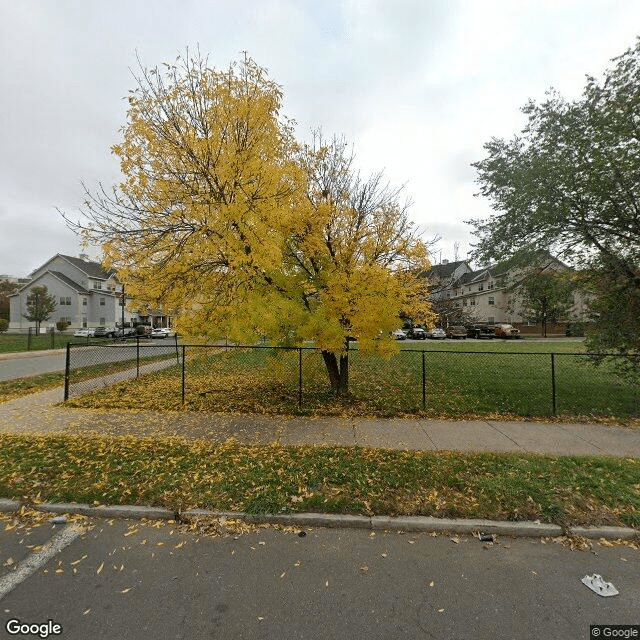
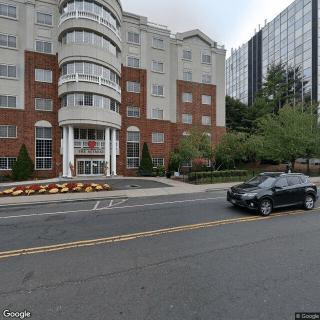
1450 Main Street, Hartford, CT 06120
To contact a resident: (203) 537-1130
For more information about senior living options: (866) 208-4318
Northend Gateway Apartments Costs & Pricing
Northend Gateway Apartments offers an attractive rental option, with the cost for a two-bedroom unit set at just $850 per month. This price stands in stark contrast to the average monthly rental rates in Hartford County, which are approximately $3,985, and even more so against the statewide average of $5,070 in Connecticut. Such a significant difference highlights Northend Gateway's appeal as a budget-friendly choice within a region known for its higher living costs. By providing such competitive pricing, Northend Gateway Apartments not only enhances accessibility for potential renters but also positions itself as an appealing housing solution in a challenging market.
| Floor plans | Northend Gateway Apartments | Hartford County | Connecticut |
|---|---|---|---|
| 2 Bedrooms | $850 | $3,985 | $5,070 |
Senior living communities with a similar price nearby
-
About the same

Orchard Ridge
$837 to $947 / month8.9 miles away -
from -$75 / mo
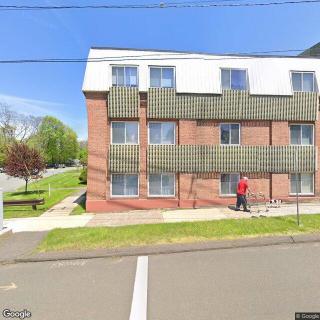
Silverpond Apartments
$775 to $900 / month23.4 miles away -
from -$85 / mo

Sage Pond Place
$765 / month12.3 miles away -
from +$139 / mo

Boulder Ridge
$989 to $1,146 / month12.1 miles away -
from -$90 / mo
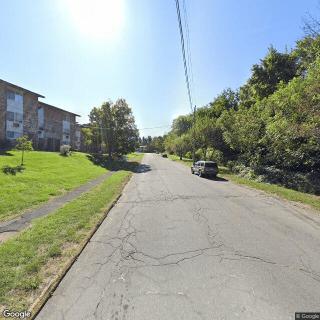
Meadoway Apartments
$760 to $920 / month14.4 miles away
Overall Review of Northend Gateway Apartments
Pros
 The reviewer hopes that others will have a better experience.
- The reviewer believes that sharing feedback through a review can be beneficial.
- The reviewer wishes for a fairer, smoother process for future tenants.
Cons
 They banned the reviewer from the property under false accusations and did not let them explain, and they never checked the cameras for proof.
- They flood applicants with paperwork because they think everyone is trying to fraud the system.
- After all the paperwork, the apartment was given away, wasting months of waiting.
- The reviewer wasted months waiting and felt a complaint would have been better than leaving a review.
Review
Northend Gateway Apartments in Hartford is best suited for applicants who can tolerate a stressful, paperwork-heavy leasing process and who are not relying on a transparent, timely move-in. The experiences described consistently point to a path where approvals can become an ordeal, with stacked forms and limited clarity about whether a unit remains available after intake. Families confronting the decision should prepare for potential delays, unclear reasons for decisions, and the possibility that the unit promised during the application is assigned to someone else before occupancy. In practical terms, this property rewards patience and resilience more than efficiency or predictability.
For households that need prompt, clear housing decisions or rely on straightforward move-in timelines, seniors, caregivers, or anyone with fixed scheduling needs, alternatives are worth considering. Seek communities with transparent, documented leasing policies, timely responses, and dependable availability. Look for on-site management that can be reached directly, an established appeals or grievance process, and well-communicated safety and access policies. If early unit assignment and heavy paper trails feel like a gating mechanism rather than a fair, streamlined process, steer toward operators with reputations for fairness and efficiency.
On balance, there are virtually no clearly documented positives that can offset the core drawbacks. A rare five-star rating exists, but it comes without substantive detail to illuminate concrete benefits. The absence of tangible advantages, such as proactive resident services, consistent communication, or reliable move-in timelines, means the few potential upsides do not offset the risk of denial without explanation or the costly, months-long delays that can follow a flawed leasing process. In short, the positive signal is too weak to counterbalance the mounting concerns.
Two dominant issues define the risk here. First is the sense of punitive handling, claims of false accusations that lead to bans, with little opportunity to explain or to review camera footage. This undermines trust and raises serious questions about due process. Second is the leasing workflow itself, which feels heavy-handed and opaque: excessive paperwork, the unsettling prospect that a unit is no longer available after the intake steps, and a perception that a decision can be finalized before any meaningful resolution. Together, these dynamics point to management practices that are not reliably fair or predictable.
With these patterns in mind, families should demand a transparent, verifiable process elsewhere. During site visits or conversations, ask for exact timelines on unit availability, the decision-making hierarchy, and the mechanism for appeals or grievances. Insist on written explanations for adverse decisions and a defined response window. If cameras are used for incident review, seek a clear policy and written assurances about how footage informs actions. Prioritize communities that offer clear lease terms, predictable move-in dates, and staff who provide timely written communications. In short, pursue environments where fairness, clarity, and reliability are the baseline, not the exception.
This community warrants cautious consideration and is not recommended for seniors or families seeking stable housing. For those who choose to explore further, approach with a structured vetting checklist and insist on written policies, timelines, and remedies. If any element, timelines, explanations, or equitable treatment, cannot be confirmed in writing, move on to safer options. The safer path is to select communities with demonstrated consistency in leasing, clear accountability, and a track record of keeping promises to prospective residents.
 Active Adult Communities (55+)
 Bradley International (11 miles away)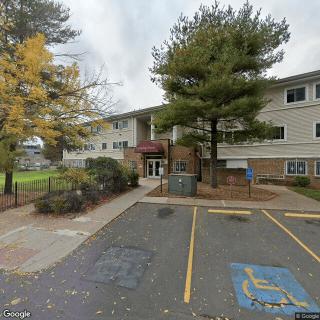




 Exploring Palliative Care in the Home: A Comprehensive Overview
 Comprehensive Insights into Palliative Home Care: What It Is and What to Expect
 Skilled Nursing Facilities vs. Nursing Homes: Making Sense of the Differences