For more information about senior living options: (866) 208-4318
4.1 from 86 reviews
5 stars
52
4 stars
11
3 stars
9
2 stars
4
1 stars
10
Anthology Of Farmington Costs & Pricing
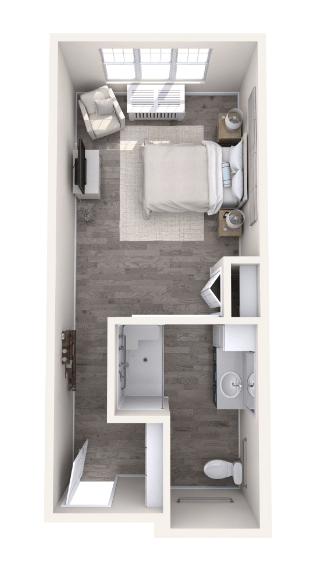
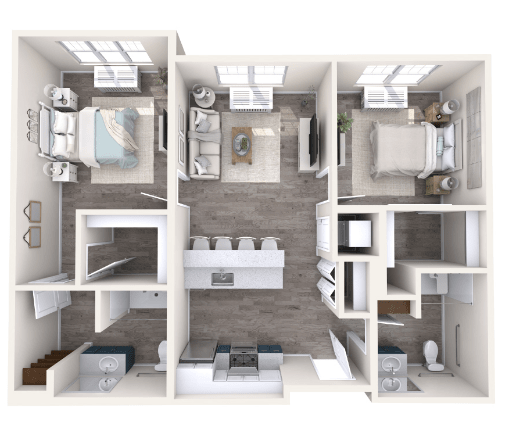
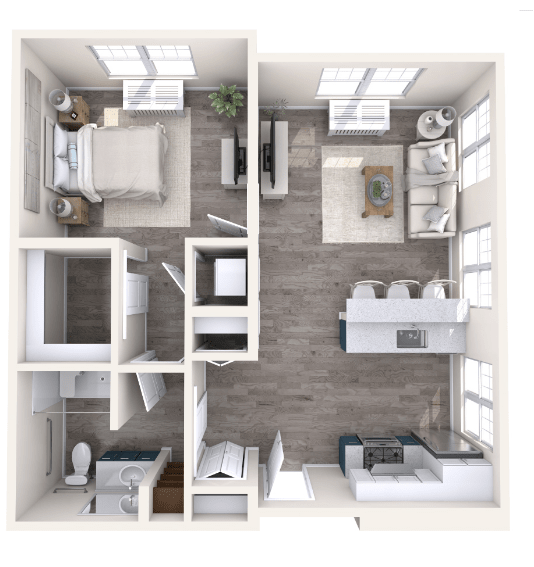
Anthology of Farmington offers competitive pricing for its room types when compared to both Hartford County and the broader Connecticut region. The monthly cost for a studio apartment at Anthology is $4,400, which is noticeably higher than the county average of $3,713 but significantly lower than the state average of $5,919. For those considering a one-bedroom unit, Anthology's rate of $5,560 also surpasses Hartford County's average of $4,397 while remaining below the state's average cost of $6,383. Interestingly, for two-bedroom accommodations, Anthology stands out with a price of $7,960 - well above Hartford County's average of $3,985 and even exceeding Connecticut's state-wide average of $5,070. This pricing structure reflects Anthology's commitment to providing premium living options that may offer enhanced amenities or services relative to other local offerings.
Floor plans
Anthology Of Farmington
Hartford County
Connecticut
Studio
$4,400
$3,713
$5,919
1 Bedroom
$5,560
$4,397
$6,383
2 Bedrooms
$7,960
$3,985
$5,070
Assisted Living communities with a similar price nearby
Residents and families repeatedly describe staff as caring and attentive.
Across many reviews, residents and families describe professional, kind care from the front desk through the dining room and nursing teams. Multiple people mention staff sitting with residents, engaging personally, and being welcoming to families. Even some critical reviews acknowledge the friendliness of staff while taking issue with how care is managed. Several reviews also call out help with ADLs like bathing and dressing, plus responsiveness during transitions and appointments.
common16 reviews mention this
Clean, modern environment stands out
Residents and visitors consistently praise the facility’s cleanliness and upkeep.
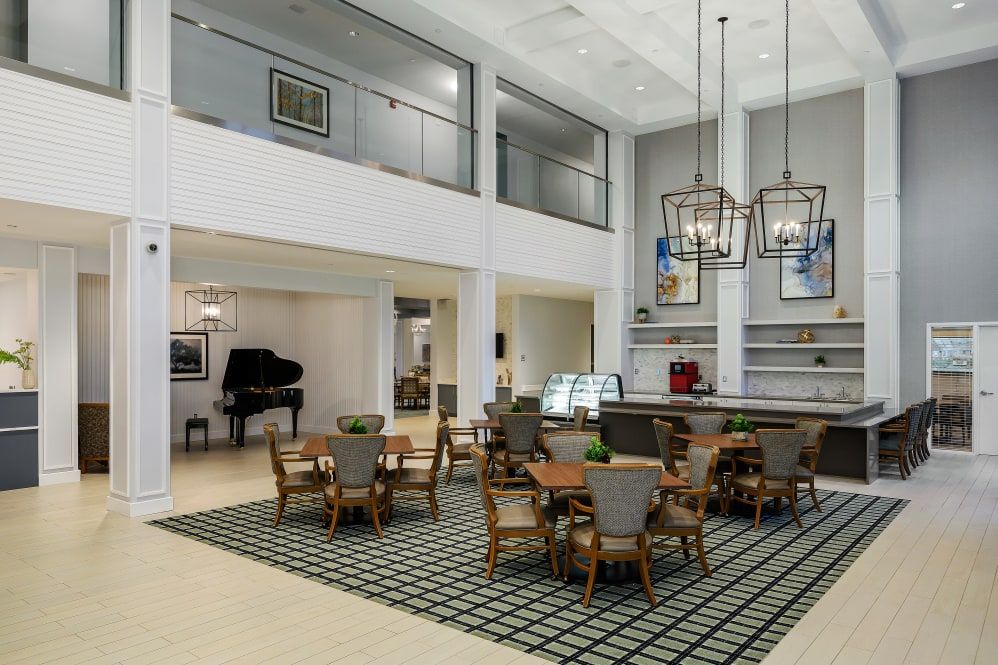
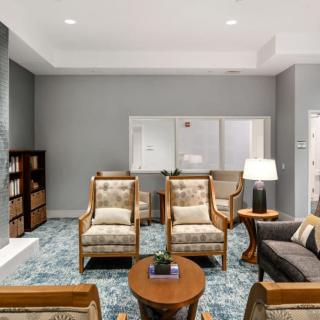
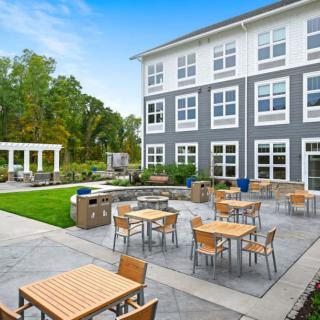
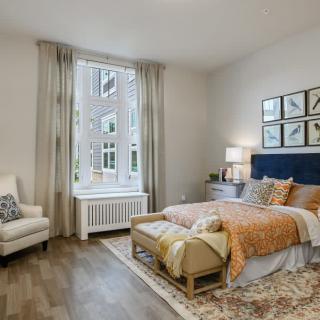
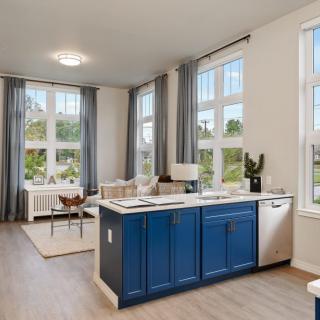
Many reviews highlight the building as clean, bright, and well maintained, including comments about it feeling new and comfortable. Visitors and families also describe the apartments and common areas as attractive and cared for, with regular upkeep mentioned in several places. A few reviews contrast the physical environment with concerns about care operations, but cleanliness itself remains a recurring positive theme. Some families also note specific features like modern spaces and on-site conveniences.
differentiator18 reviews mention this
Dining feels restaurant-style, but varies
Dining is a frequent talking point, with restaurant-style service in both praise and complaints.
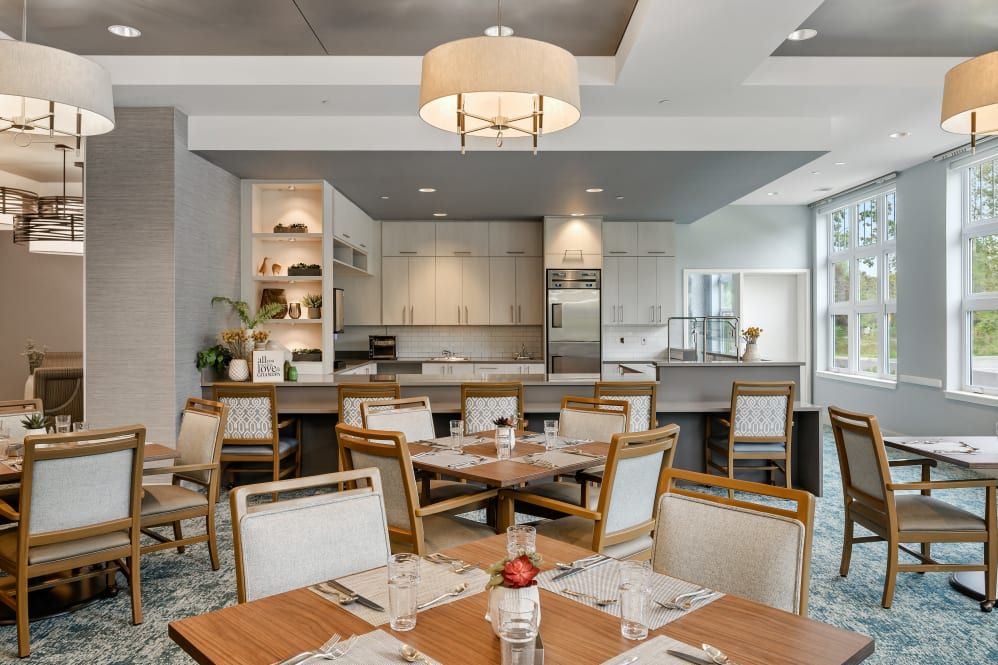
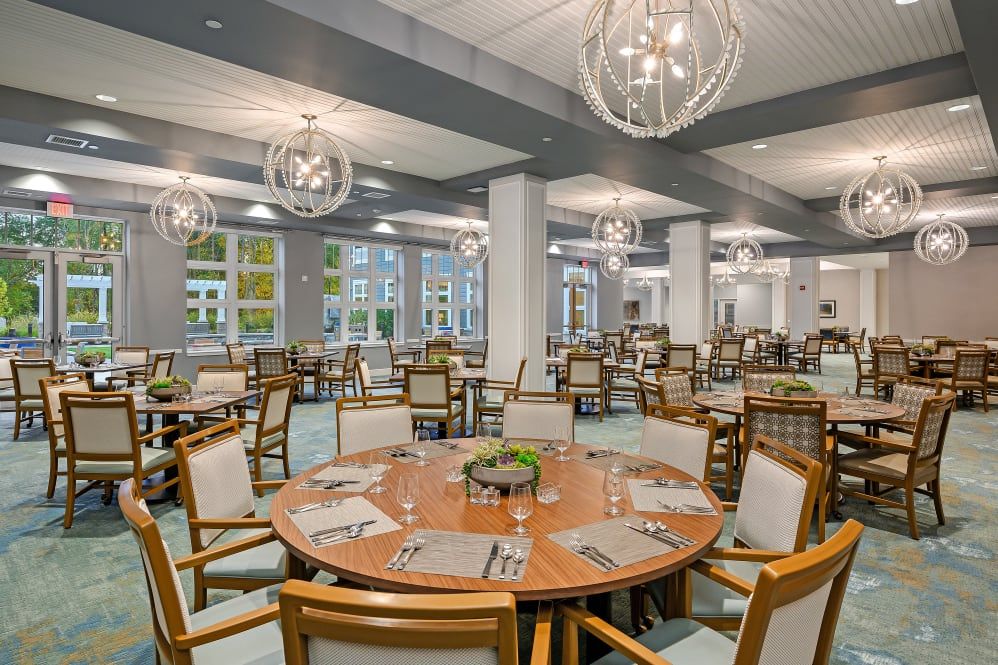
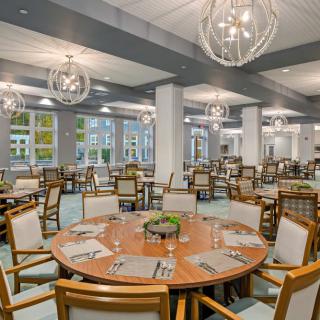
Several reviews say meals and dining are a highlight, describing good or delicious food and enjoying dining in the dining room, including restaurant-style experiences. Reviews also mention variety through menus, specials, and practical options like room dining. Other residents and families express dissatisfaction, describing limited menus, small portions, or meals that did not meet expectations. Overall, reviews suggest dining can be a strength, but experiences are not uniform across residents and units.
caveat20 reviews mention this
Communication and staffing are major issues
Several reviews describe delays, missed updates, and inconsistent staffing.
A recurring concern is getting answers and updates—multiple reviews mention unanswered calls, voicemails, or long response times when help is needed. Several reviews also describe medication and care coordination problems, including changes not being communicated and difficulty with timing and labeling. Staffing continuity shows up in both negative and cautionary feedback, with mentions of turnover, shortages, and care that depends on who is working. While some families report good communication and 24/7 support, the volume of communication-related complaints makes this a clear watch-out area.
caveat9 reviews mention this
Pricing feels high for the value
Multiple families call out pricing as expensive compared with what they received.
Some reviews frame cost as a major drawback, including comments that it is overpriced or costly for the level of service delivered. Others say the overall value is better than some alternatives, but still note that the community is expensive. There are also specific concerns about what is included versus what families may need to provide, which adds to the perception of cost pressure. Overall, the pricing theme shows up strongly when care or responsiveness does not match expectations.
How we summarize
Counts show how many written reviews mention each theme; a review can touch several themes, and only frequently mentioned themes are displayed.
Features
Housing
120 resident community capacity
1-bedroom apartments
2-bedroom apartments
Studio apartments
Types of Care
Assisted Living
Independent Living
Memory Care
Skilled Nursing Facility
Pets
Cats allowed
Dogs allowed
Amenities
Activities on-site
Air-conditioning
Bath tubs
Beautician on-site
Beauty salon
Cable or satellite TV
Computer center
Devotional services off-site
Dining room
Fitness room
Full kitchen
Fully furnished
Gaming room
Garden
Ground floor units
Handicap accessible
Housekeeping services
Indoor common areas
Kitchenette
Move-in coordination
Outdoor common areas
Outdoor space
Private bathrooms
Respite or short term stays offered
Restaurant-style dining
Small library
Telephone
Wellness center
Wheelchair accessible showers
Wi-Fi/high-speed internet available
Transportation
Bradley International (16 miles away)
Community operated transportation
Transportation arrangement
Transportation arrangement (non-medical)
Transportation to doctors appointments
Care Services
12-16 hour nursing
24-hour call system
24-hour supervision
Activities of daily living assistance
Assistance with bathing
Assistance with dressing
Assistance with transfers
Coordination with health care providers
Dementia waiver
Diabetes diet
Diabetic care
High acuity care
Hospice care
Hospice waiver
Incontinence care
Meal preparation and service
Medication management
Mental wellness program
Mild cognitive impairment
Special dietary restrictions
Specialized memory care programming
Transportation arrangement (medical)
Transportation to doctors appointments
Dining
Anytime dining
Diabetes diet
Gluten-free
Guest meals
Low / no sodium
Meals provided
No Sugar
Professional chef
Restaurant style dining
Room service
Special dietary restrictions
Special dining programs
Vegan
Vegetarian
Activities
Art classes
Catholic services
Community-sponsored activities
Concierge services
Cooking classes
Day trips and outings
Devotional activities offsite
Educational speakers / life long learning
Fitness programs
Happy hour
Jewish services
Karaoke
Live dance or theater performances
Live musical performances
Live well programs
Planned day trips
Resident-run activities
Scheduled daily activities
Wine tasting
Nearby Places of Interest
Located in Farmington, Connecticut, this area offers a variety of amenities that cater to seniors looking for convenience and comfort. With several restaurants nearby like Naples Pizza and Unionville Family Restaurant, you can enjoy delicious meals without having to travel far. In terms of healthcare, there are multiple physicians' offices such as Doctors of Central CT and Pinnacle Men's Health of Hartford, as well as pharmacies like CVS and Walgreens for easy access to medication. For leisure activities, there are cafes like Aroma Joe's and The Coffee Trade where you can relax and socialize with friends. Additionally, there are several parks nearby such as Countryside Park and Stanley Quarter Park for outdoor enjoyment. For medical emergencies, The Hospital of Central Connecticut Cancer Center is just a short distance away. Finally, if you are looking for places of worship, there are various options like the Universalist Church of West Hartford and Emanuel Synagogue within close proximity. Overall, this area provides a convenient and comfortable living environment for seniors in Farmington.
Restaurants
Naples Pizza (1.5 miles)
Unionville Family Restaurant (2.1 miles)
Olive Bar (2.2 miles)
J Timothy's Taverne (4.3 miles)
McDonald's (4.5 miles)
P.F. Chang's China Bistro (4.8 miles)
McDonald's (4.8 miles)
Physicians
Doctors of Central CT (2.1 miles)
Umashanker Devika MD - Tallwood Men's Health (2.6 miles)
Consulting Ophthalmologists (2.7 miles)
UConn Dowling North (2.9 miles)
Jonathan Schreiber (2.9 miles)
Uconn Health System-Radiology (2.9 miles)
Pinnacle Men's Health of Hartford (3.5 miles)
Pharmacies
CVS Pharmacy (2.5 miles)
Med Stat Pharmacy (3.1 miles)
CVS Pharmacy (4.5 miles)
Walgreens (4.5 miles)
CVS Pharmacy (4.5 miles)
CVS Pharmacy (4.6 miles)
Walgreens (5.2 miles)
Cafes
Aroma Joe's (3.9 miles)
The Coffee Trade (4.9 miles)
Dom's Coffee (5 miles)
Starbucks (5 miles)
Starbucks (5.3 miles)
Starbucks (5.7 miles)
Starbucks (6.3 miles)
Parks
Countryside Park (4.3 miles)
Stanley Quarter Park (4.9 miles)
Sperry Park (5.3 miles)
Fernridge Park (5.4 miles)
Norton Park (5.5 miles)
Wolcott Park (5.8 miles)
Mill Pond Park (7 miles)
Hospitals
The Hospital of Central Connecticut Cancer Center (4.7 miles)
Anthology of Farmington offers competitive pricing for its room types when compared to both Hartford County and the broader Connecticut region. The monthly cost for a studio apartment at Anthology is $4,400, which is noticeably higher than the county average of $3,713 but significantly lower than the state average of $5,919. For those considering a one-bedroom unit, Anthology's rate of $5,560 also surpasses Hartford County's average of $4,397 while remaining below the state's average cost of $6,383. Interestingly, for two-bedroom accommodations, Anthology stands out with a price of $7,960 - well above Hartford County's average of $3,985 and even exceeding Connecticut's state-wide average of $5,070. This pricing structure reflects Anthology's commitment to providing premium living options that may offer enhanced amenities or services relative to other local offerings.
The features of Anthology Of Farmington are designed to create a supportive and nurturing environment for residents with dementia or Alzheimer's disease, allowing them to maintain dignity and independence while receiving needed care. The 24-hour supervision ensures safety and immediate assistance when required, while help with activities of daily living, such as bathing and dressing, addresses personal hygiene and comfort. Coordination with healthcare providers guarantees that residents' medical needs are consistently met, complemented by medication management to ensure adherence to prescribed regimens. The specialized memory care programming focuses on cognitive engagement, enhancing mental wellness through tailored activities that stimulate the mind. Incontinence care and meal preparation further promote comfort and nutrition, while transportation arrangements facilitate access to necessary medical appointments. Overall, these features collectively foster an environment where residents can thrive despite their cognitive challenges.
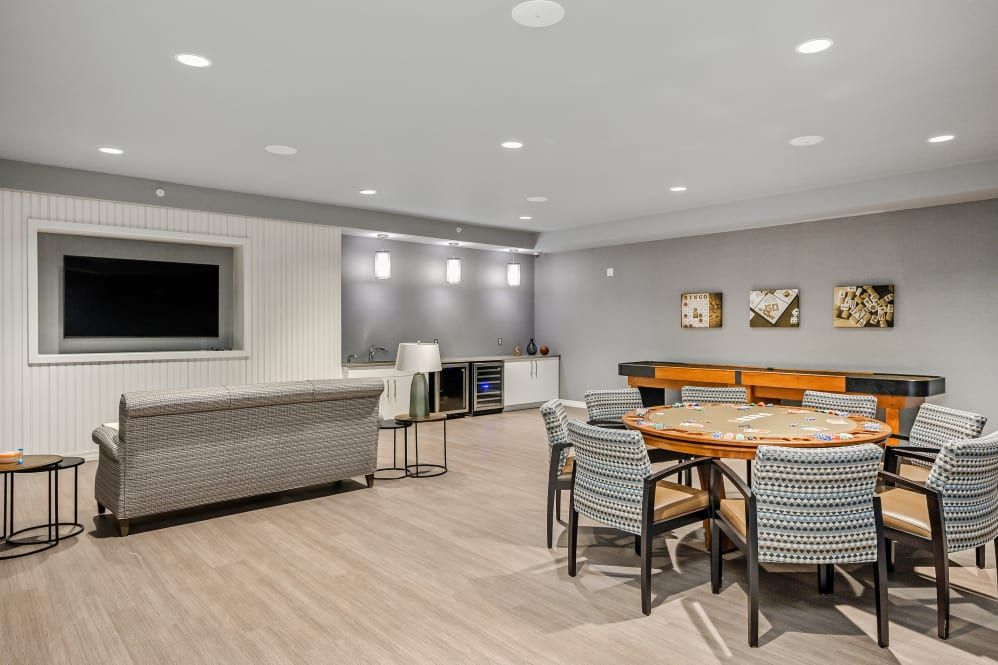
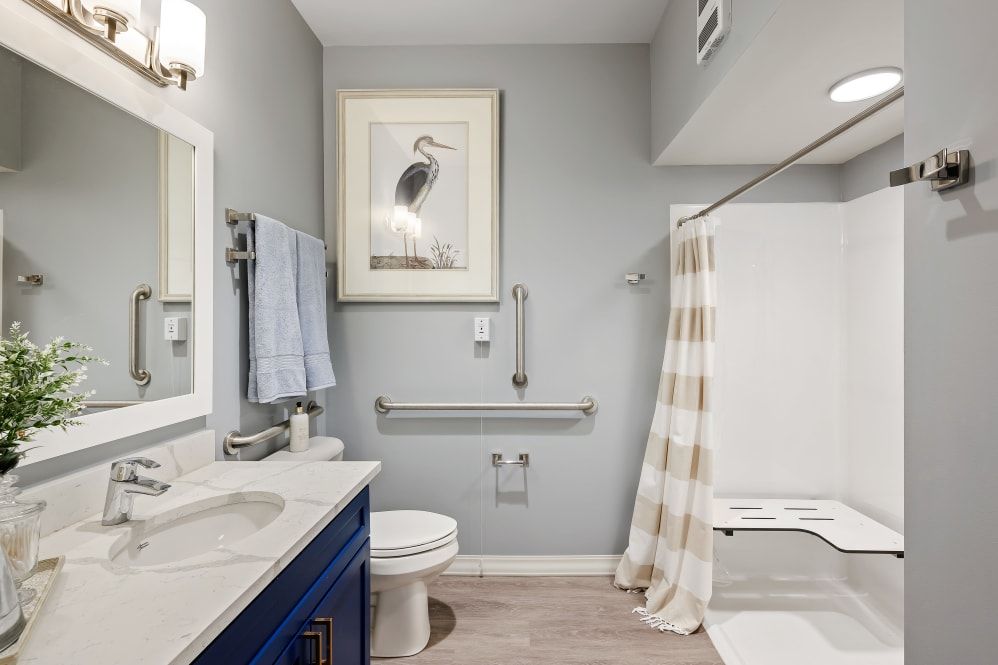
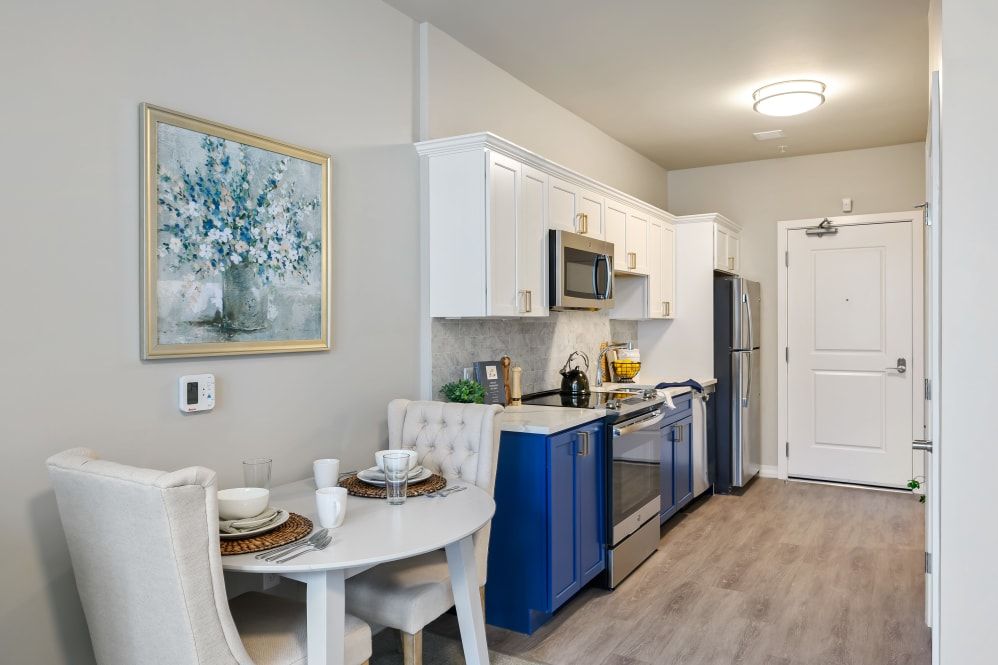
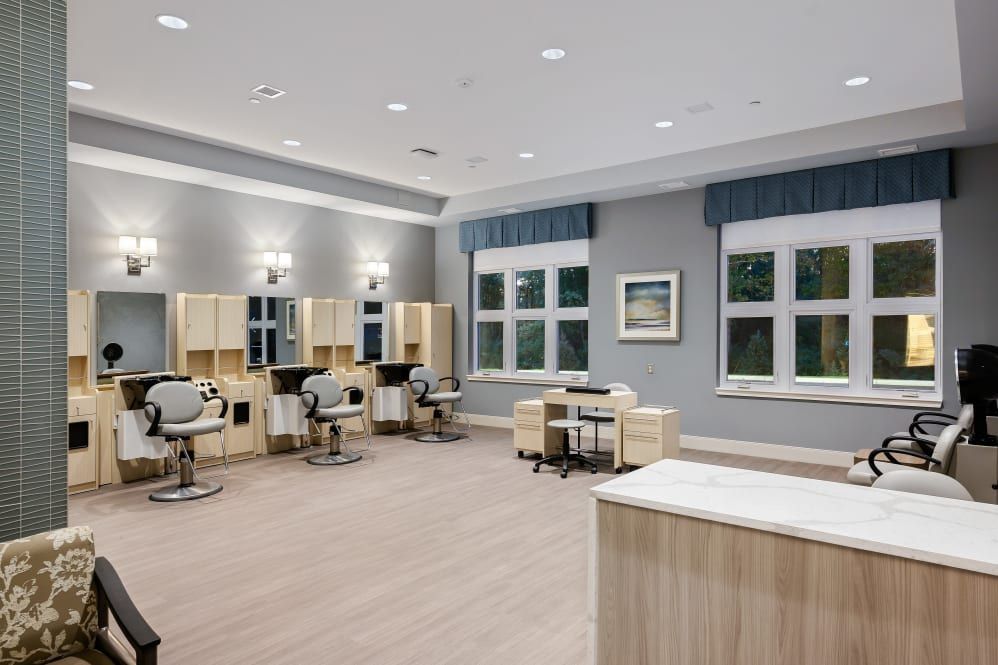
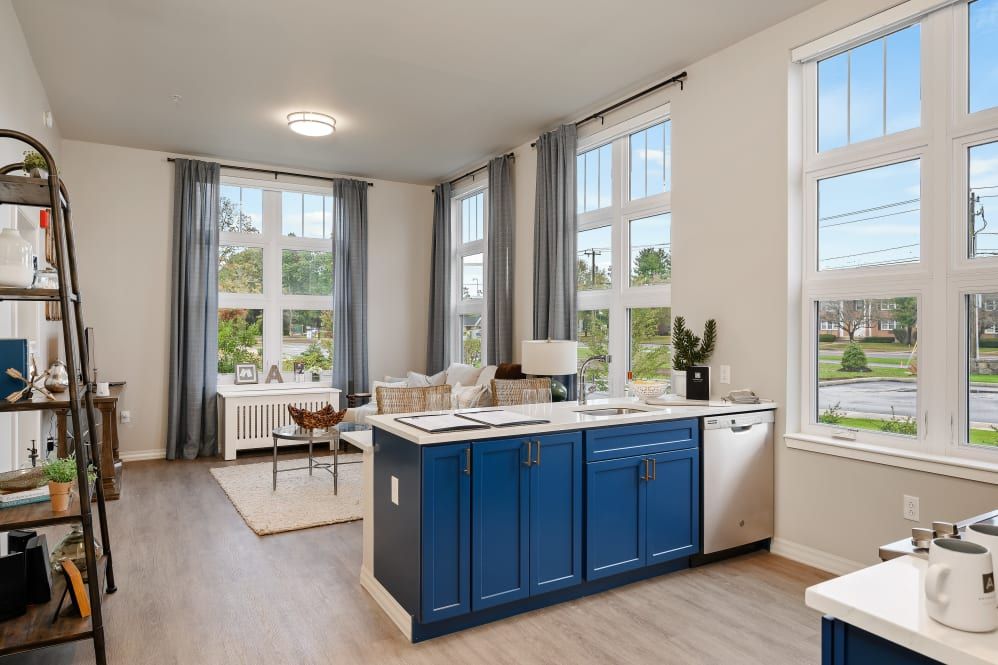
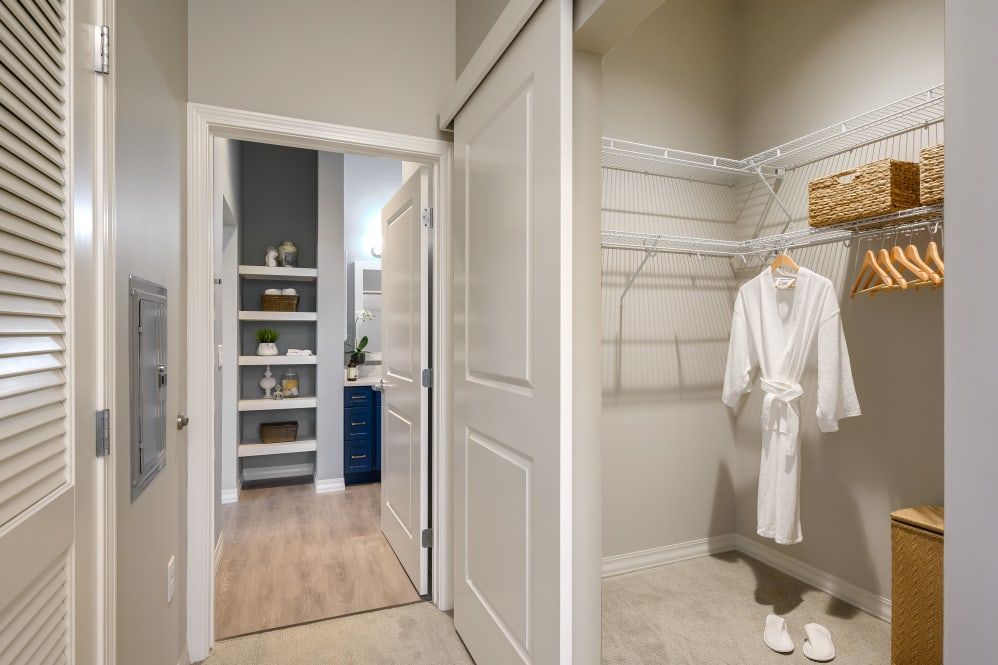
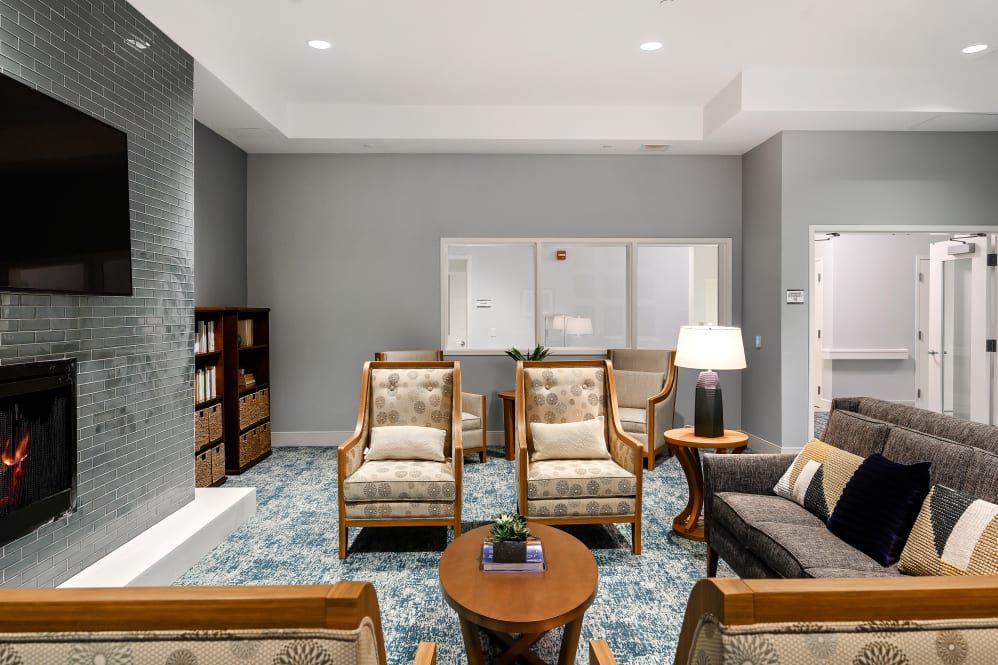
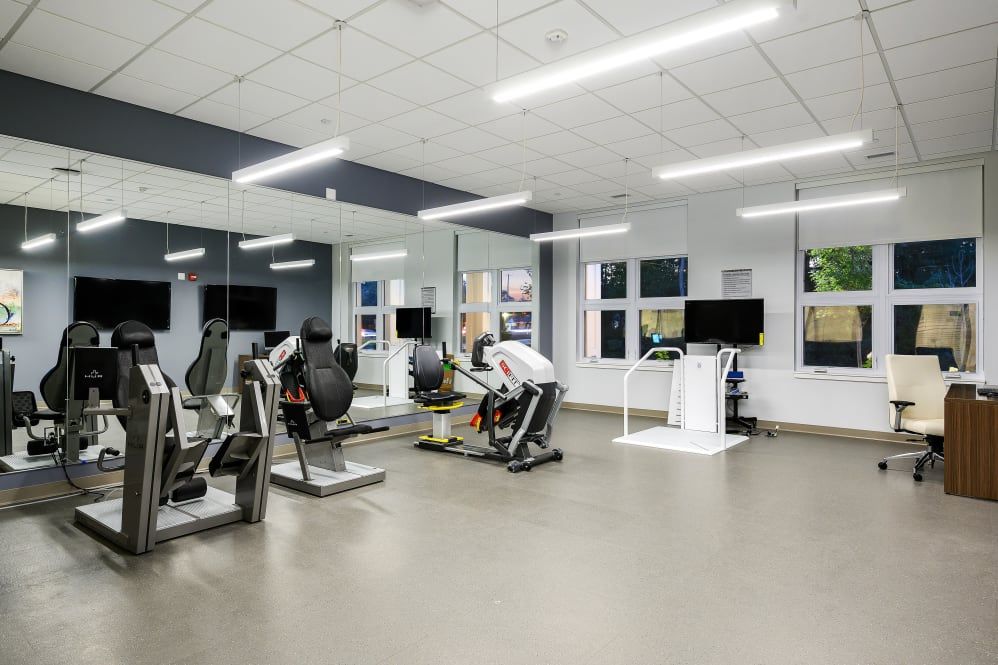
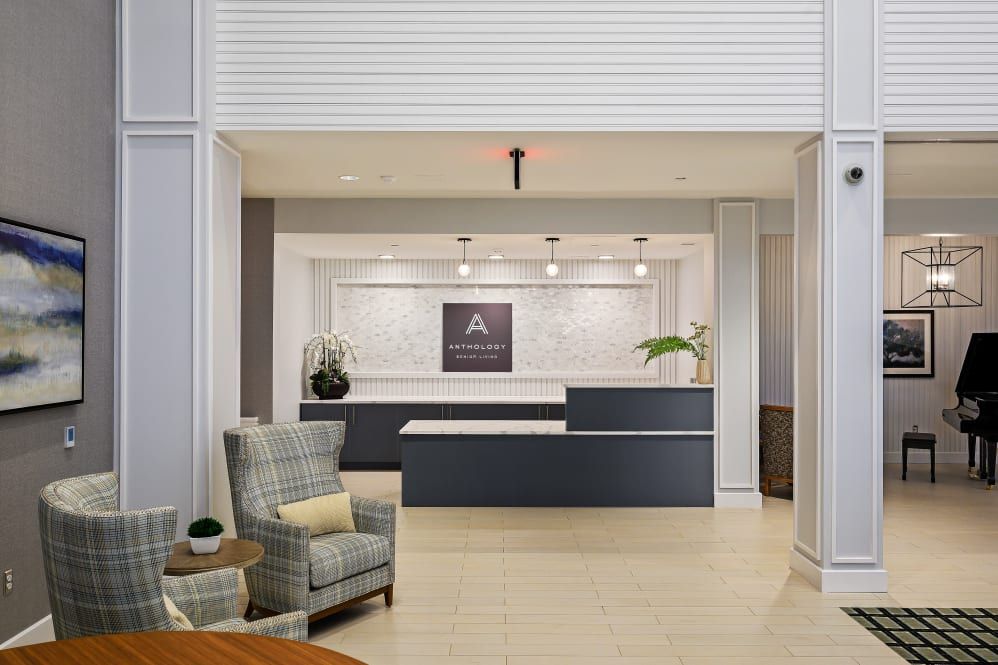
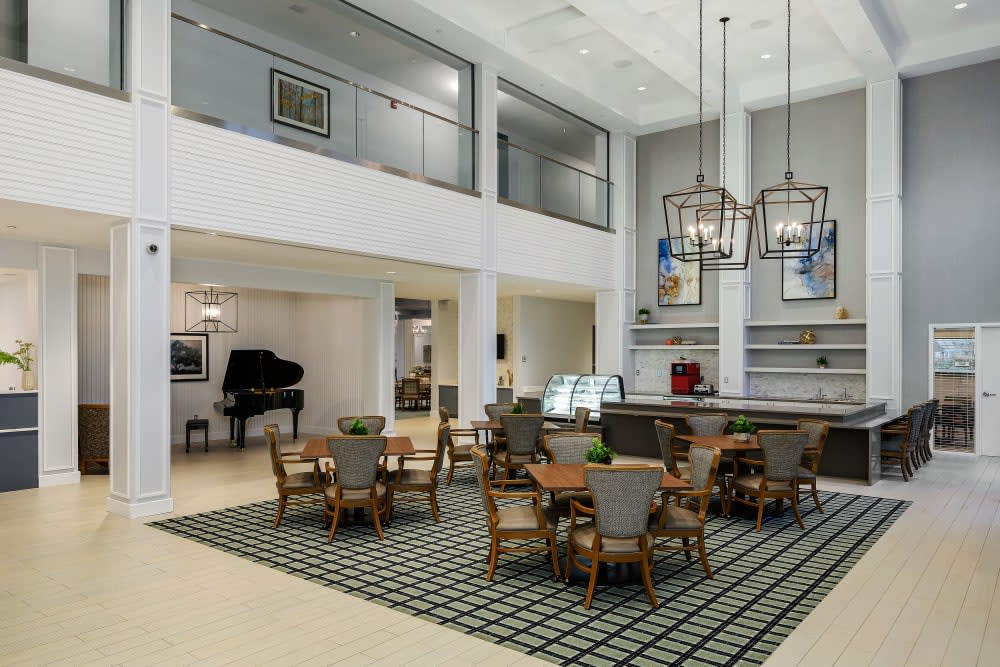
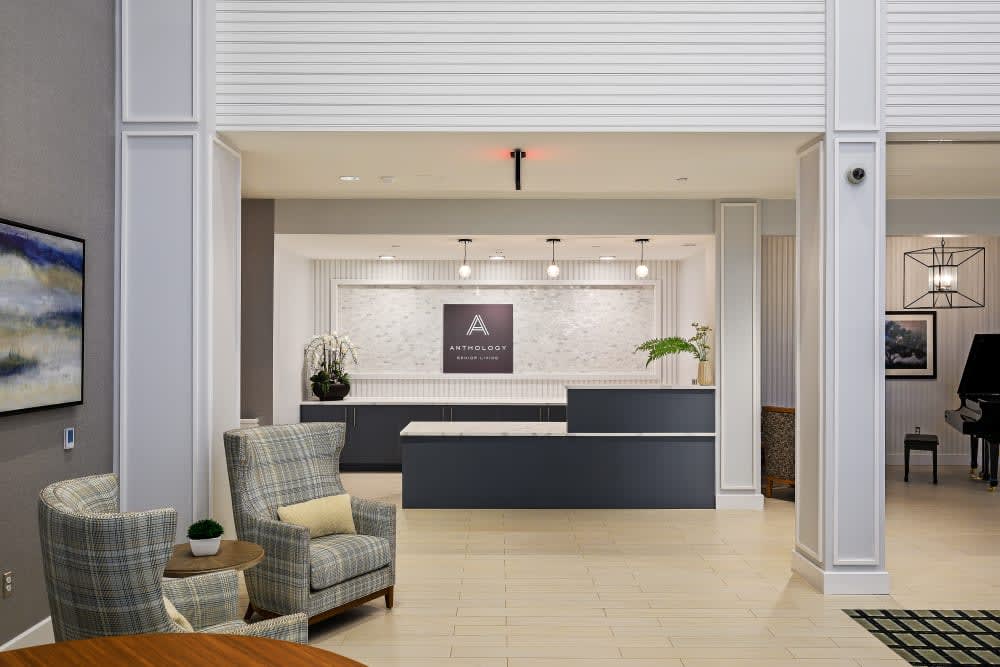
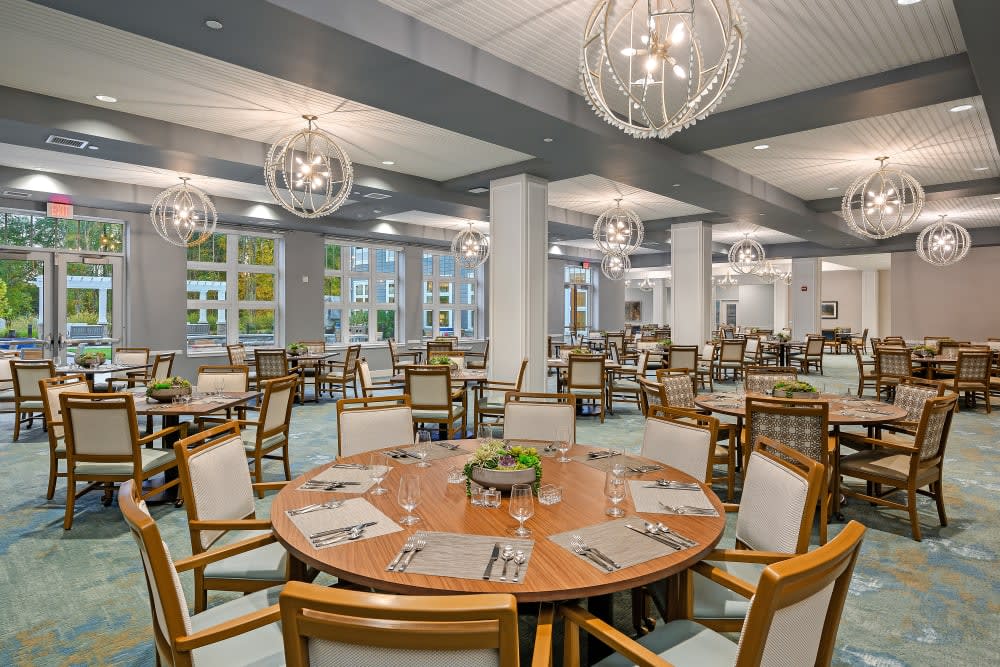
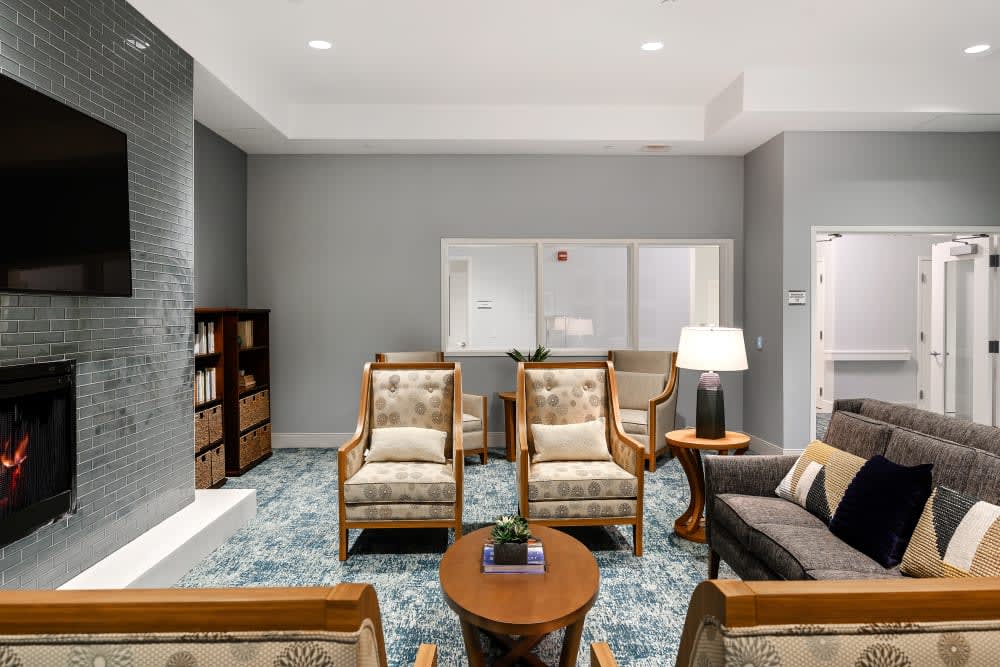
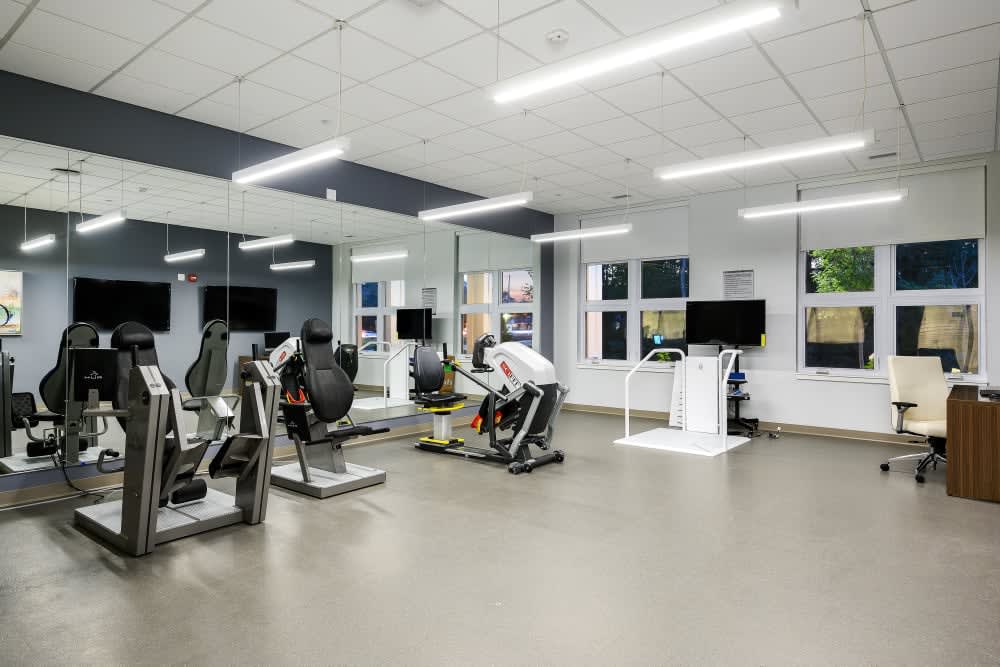
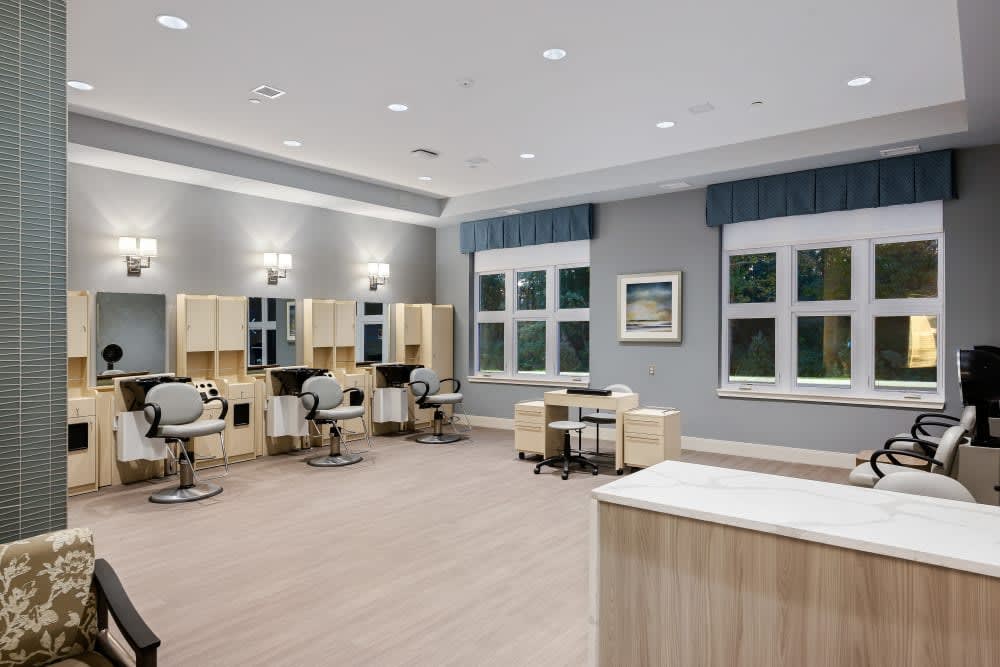
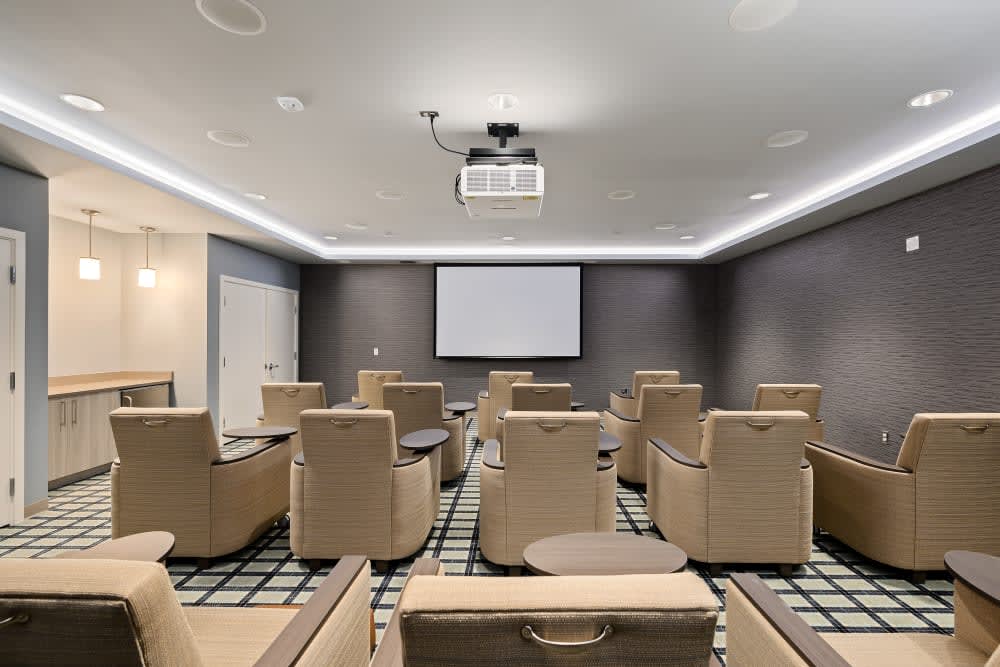
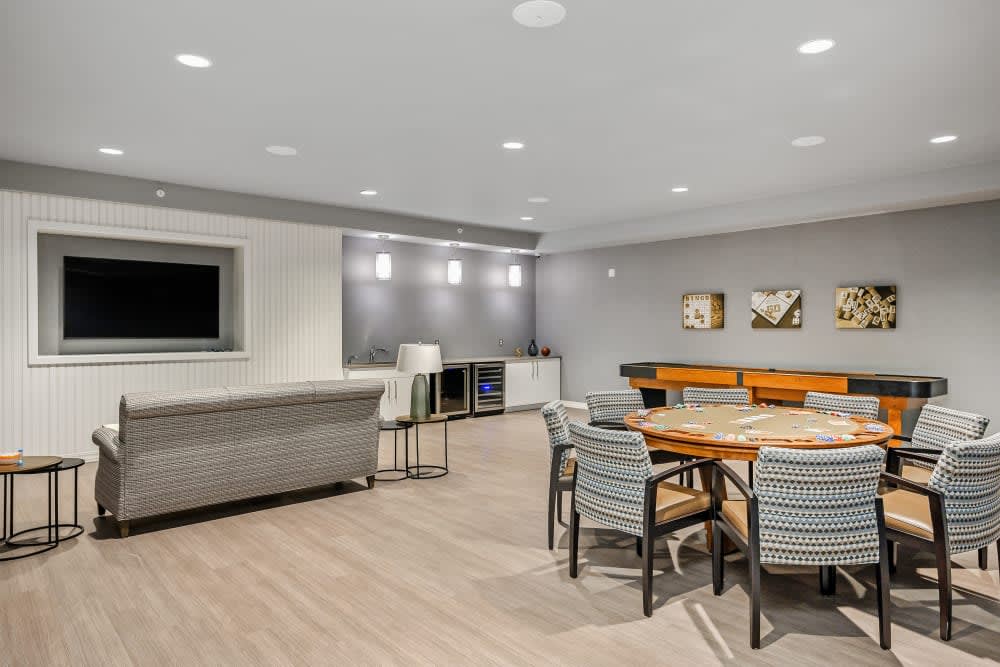
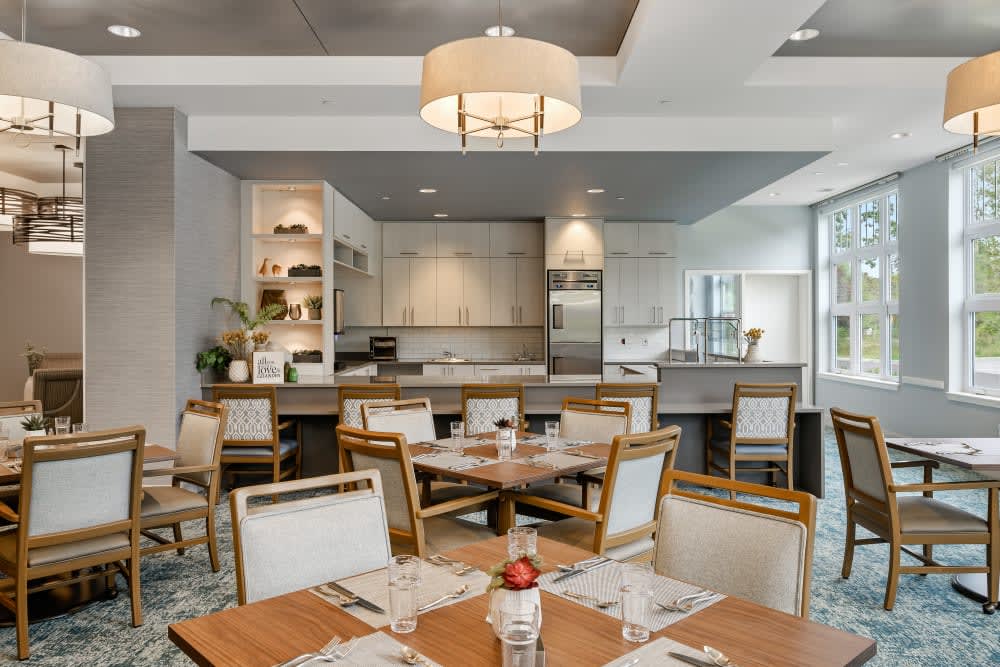
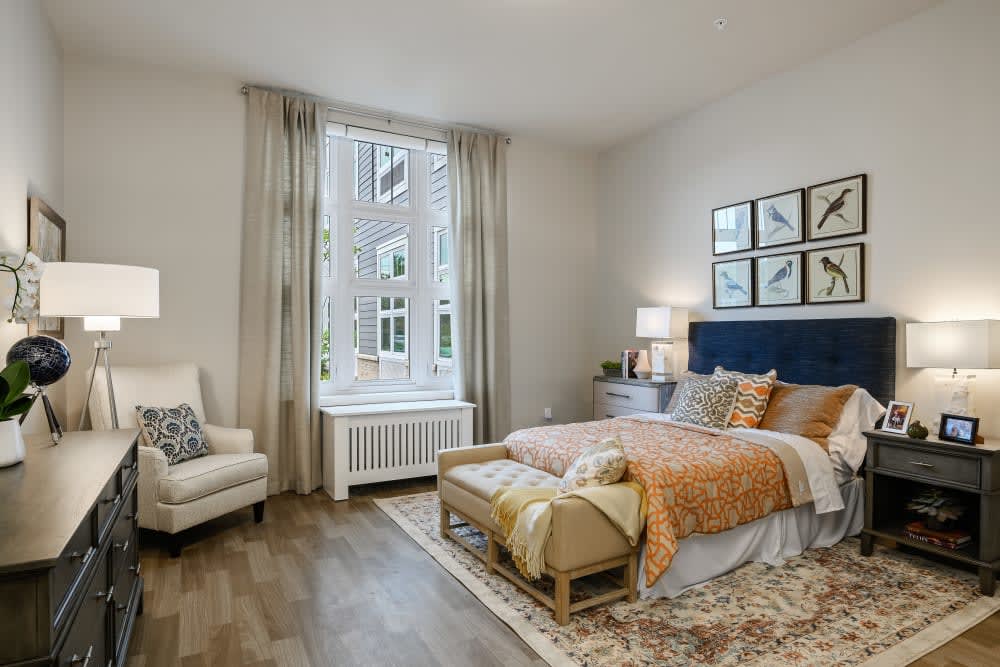
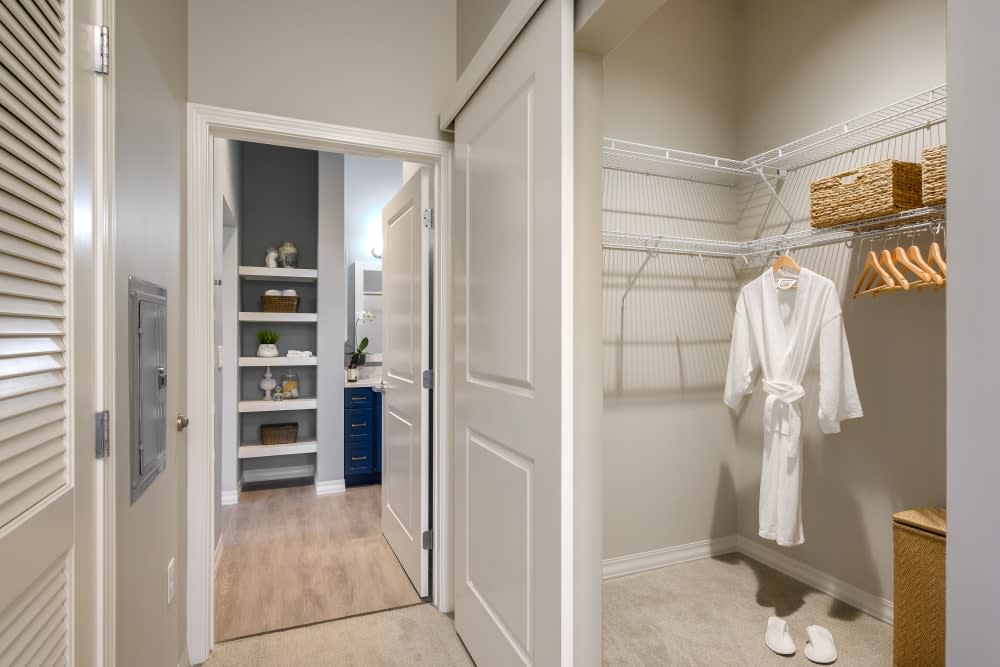
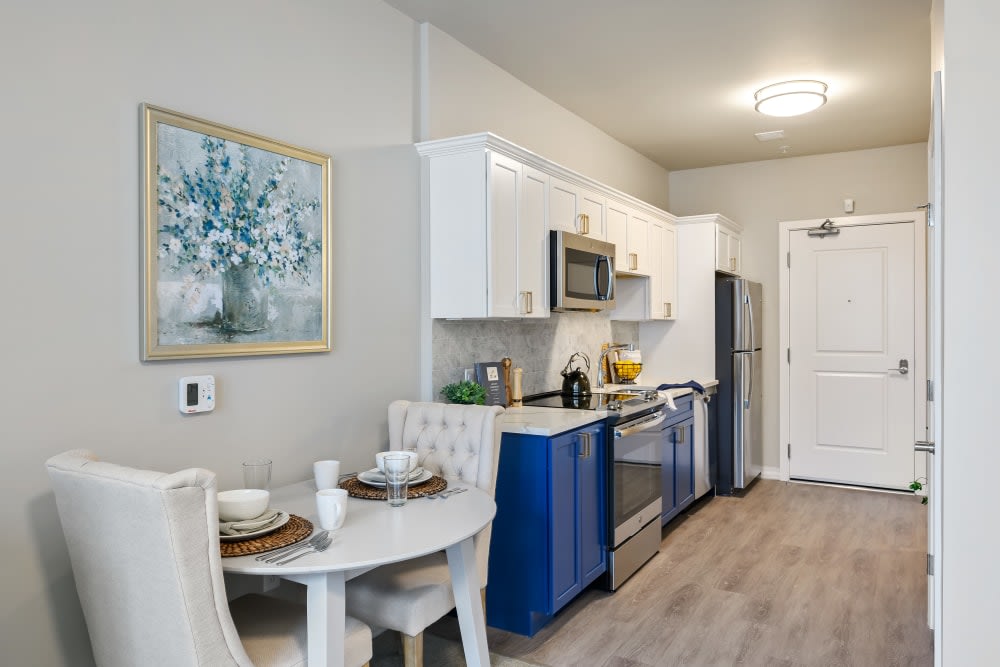
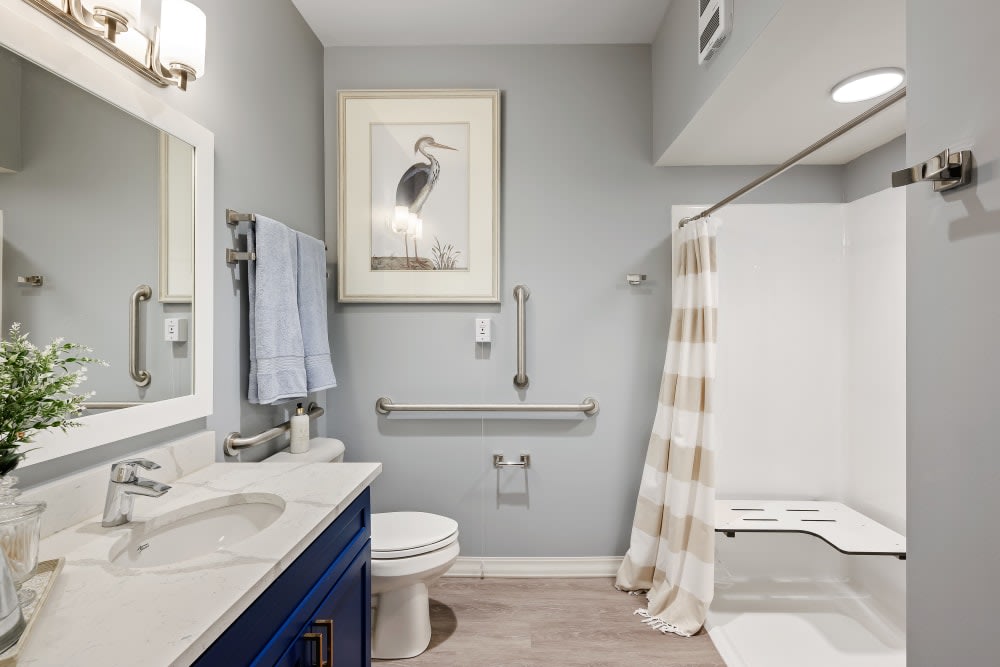
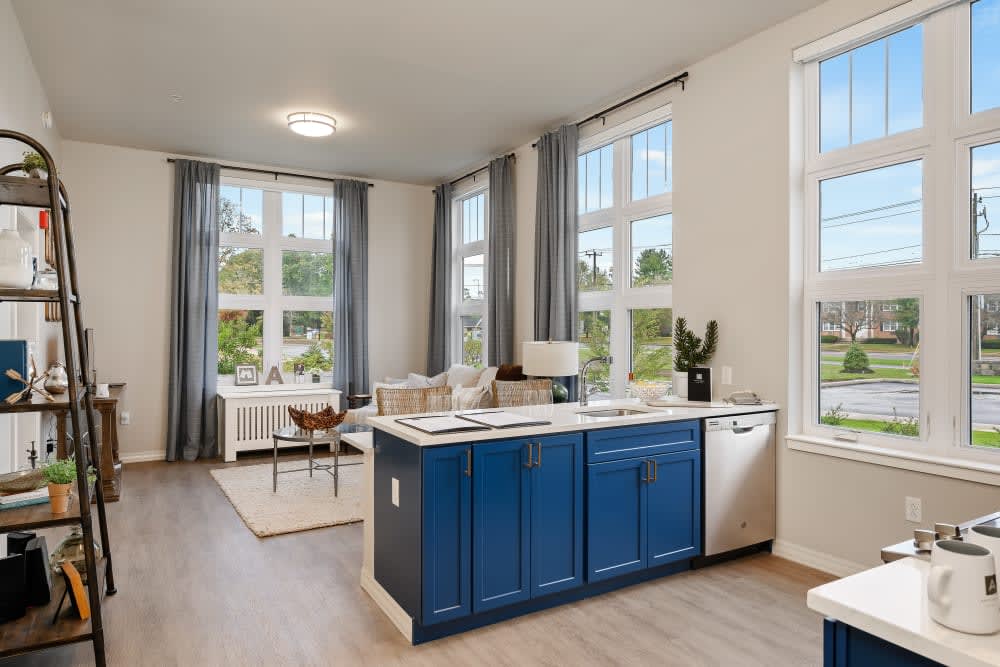
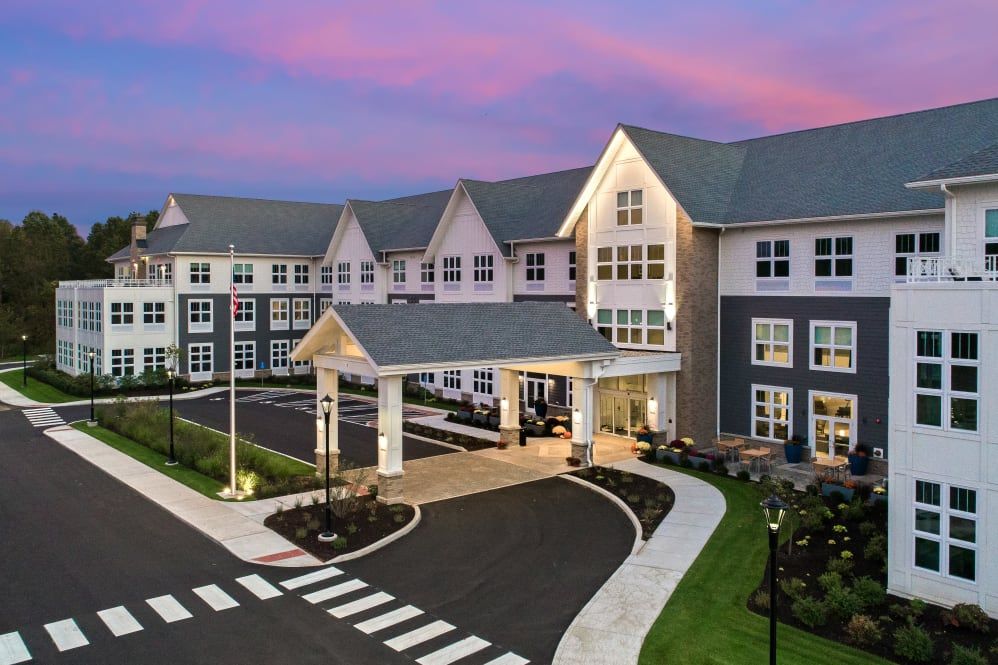
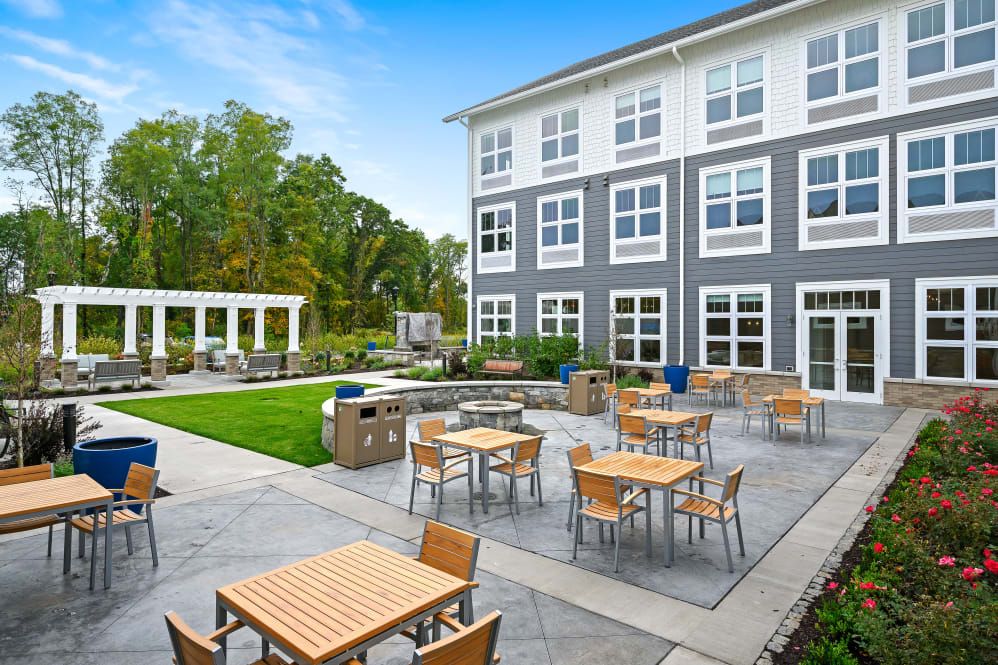
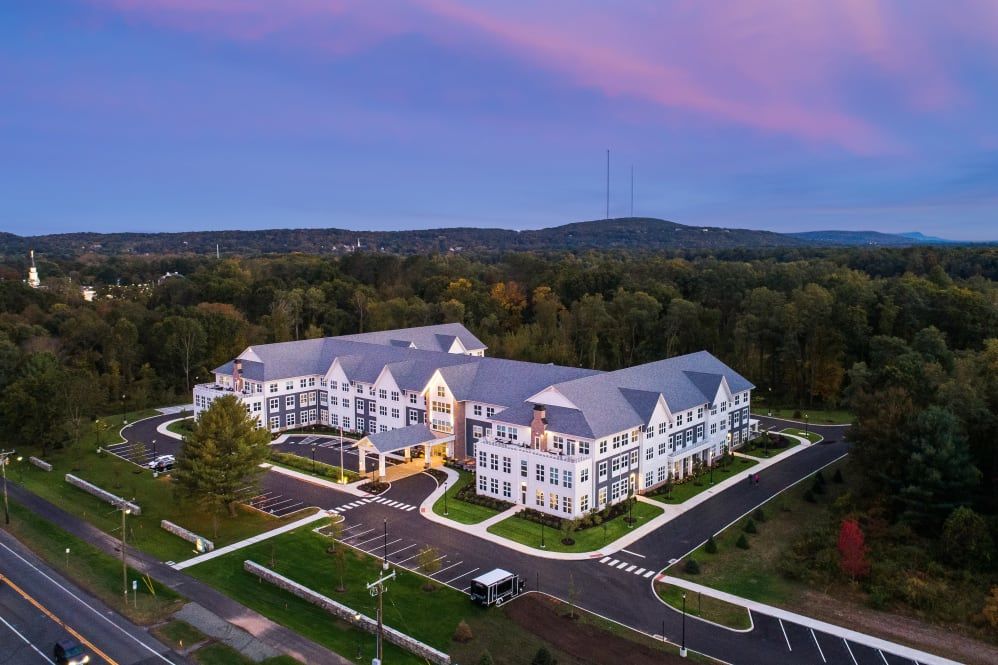
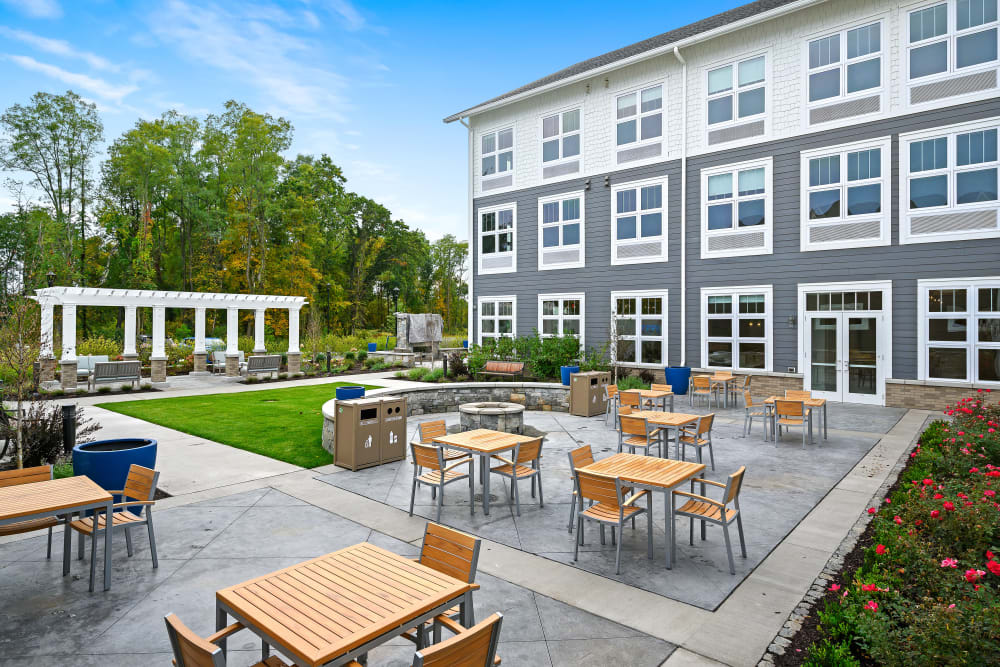
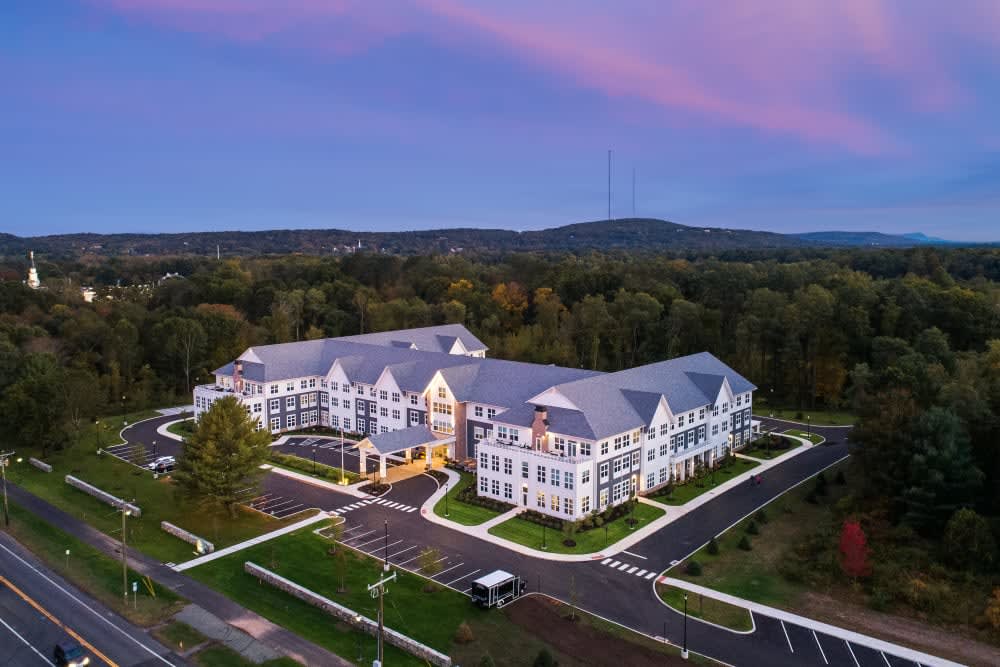
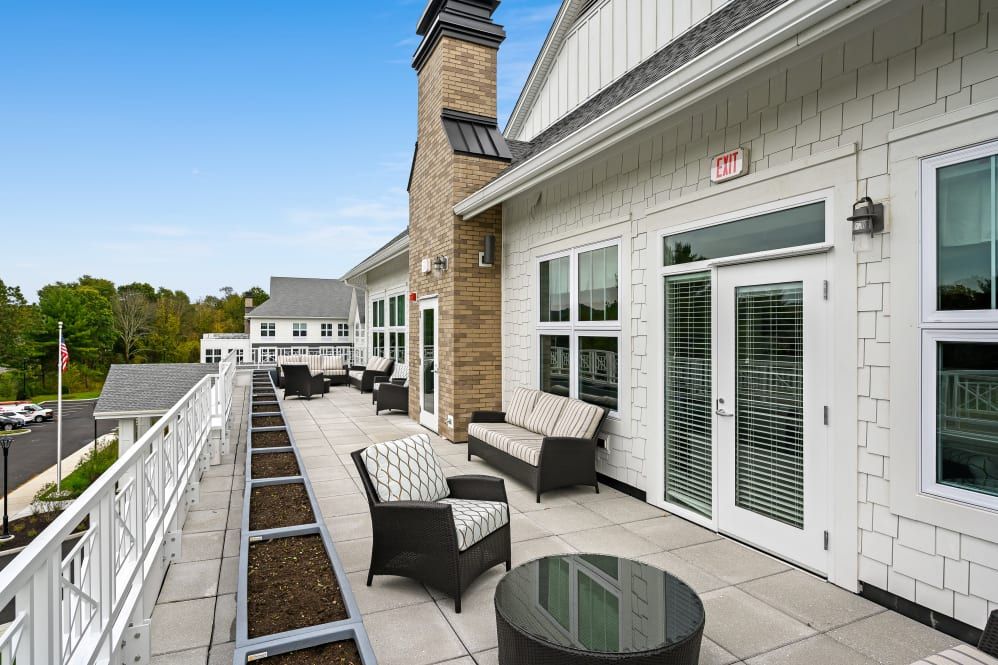
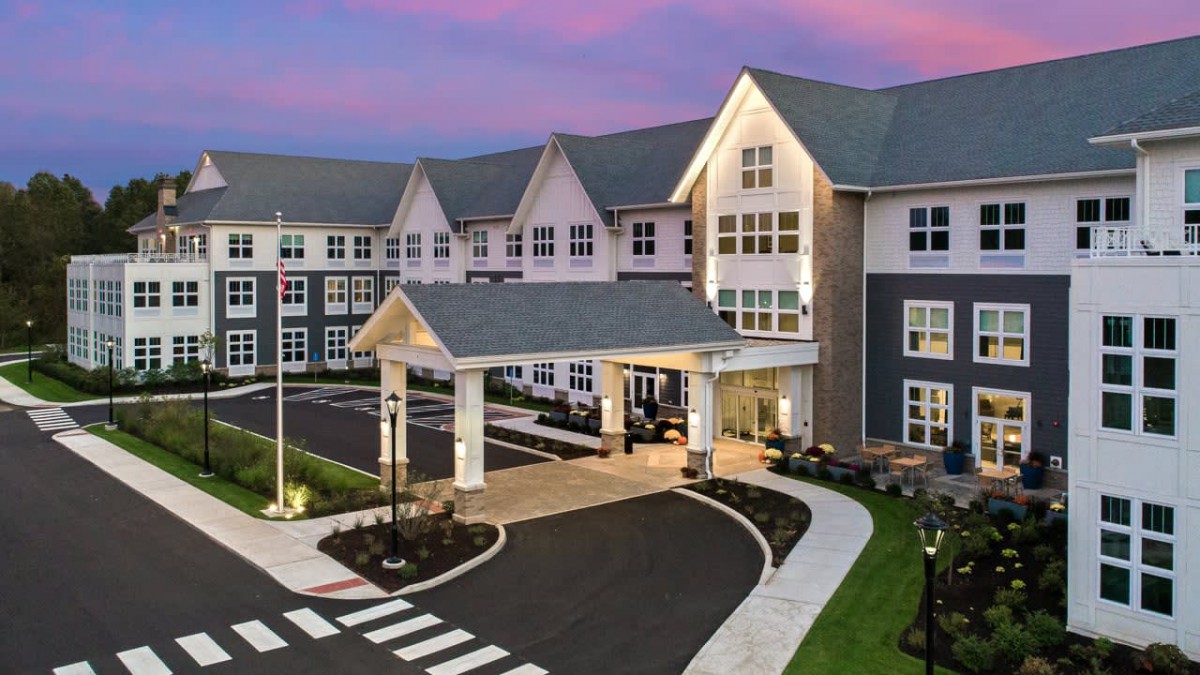
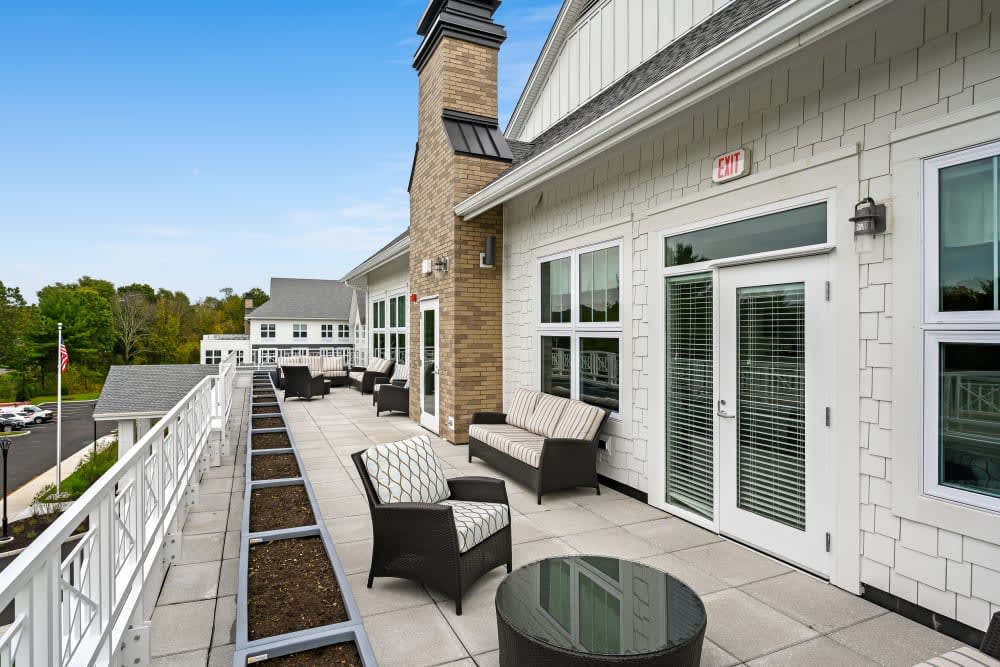
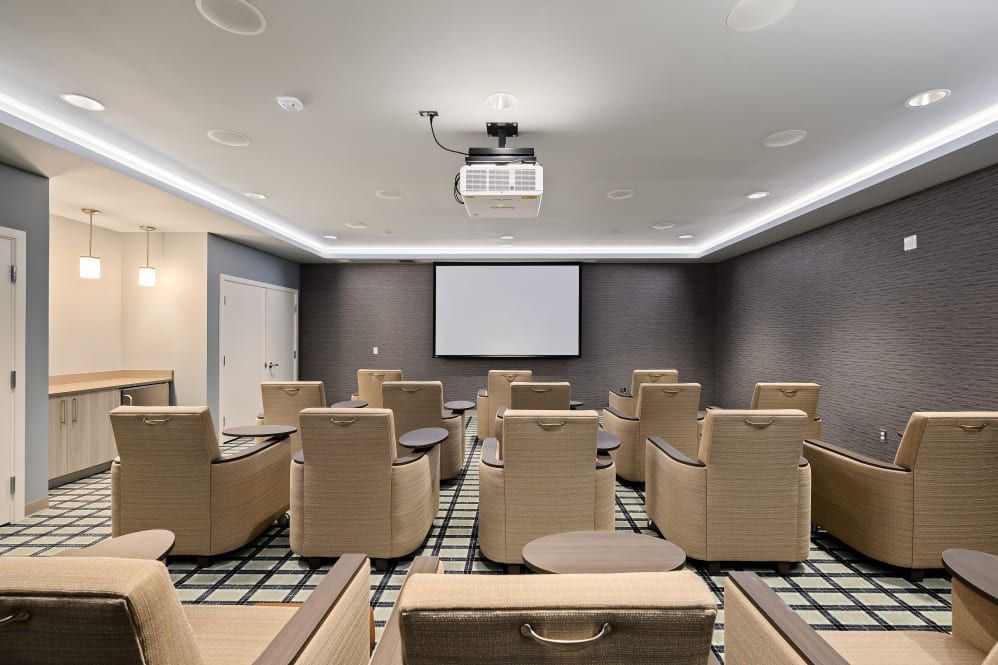
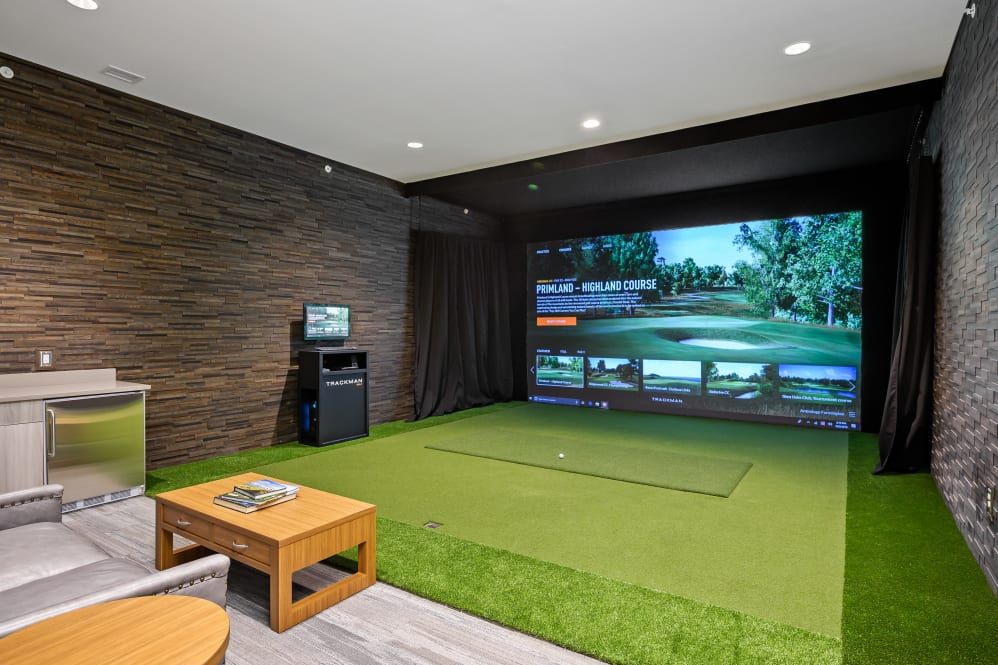
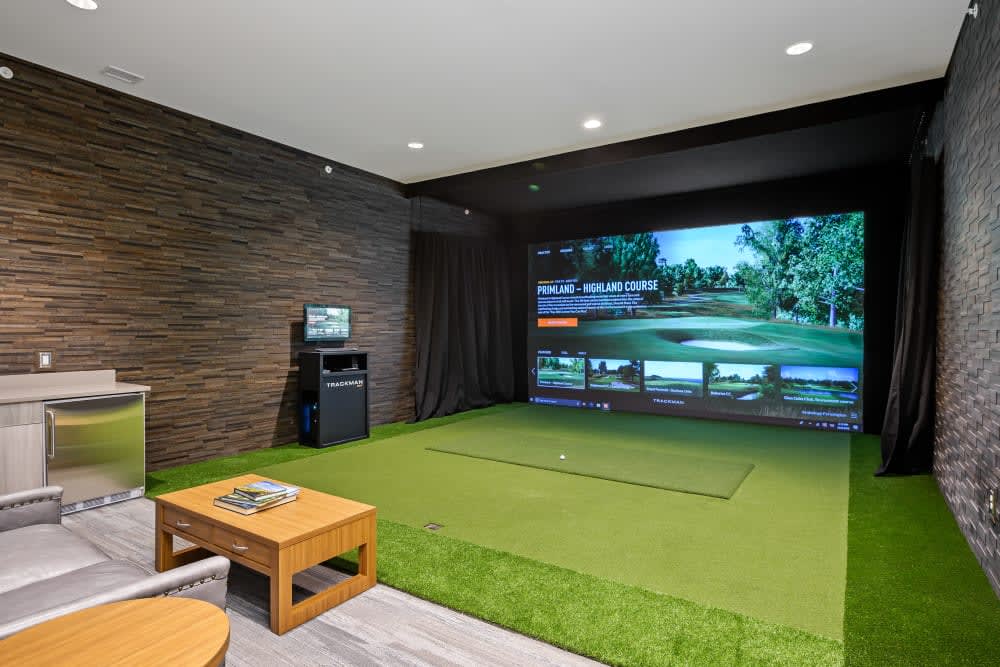
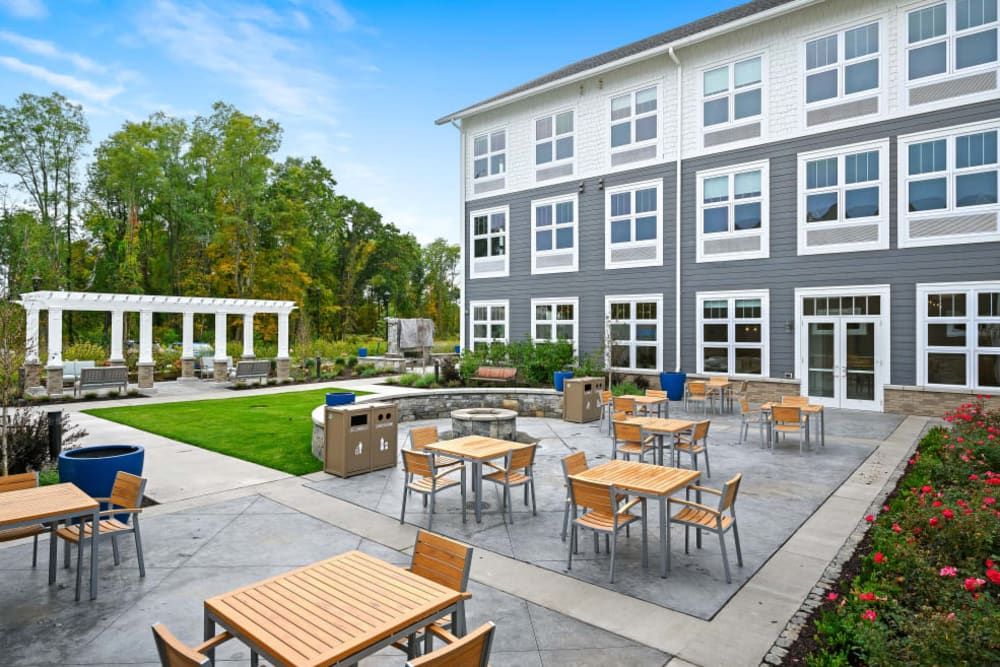
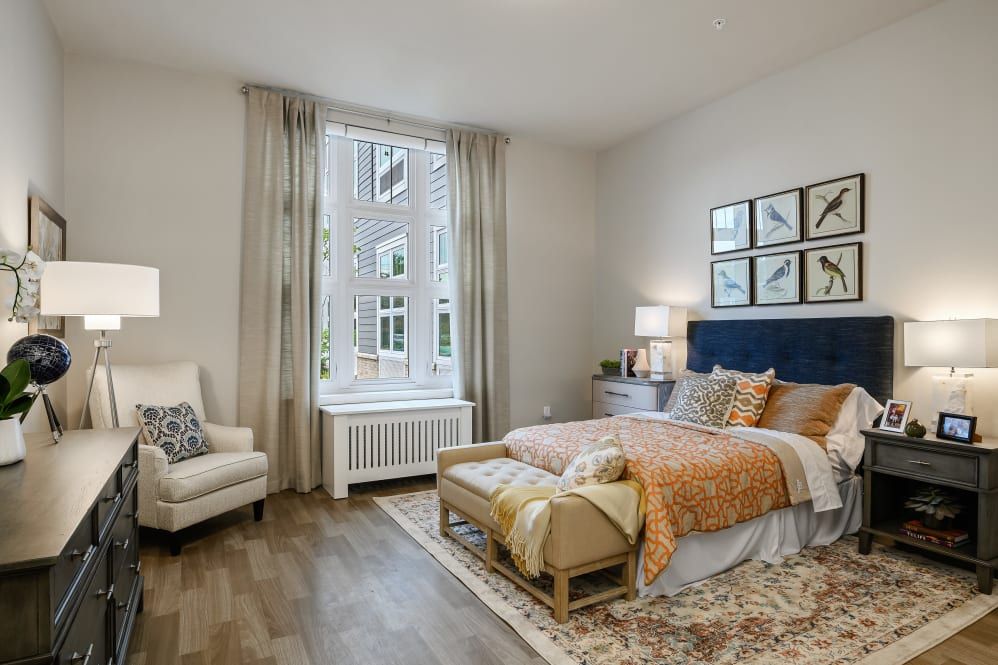
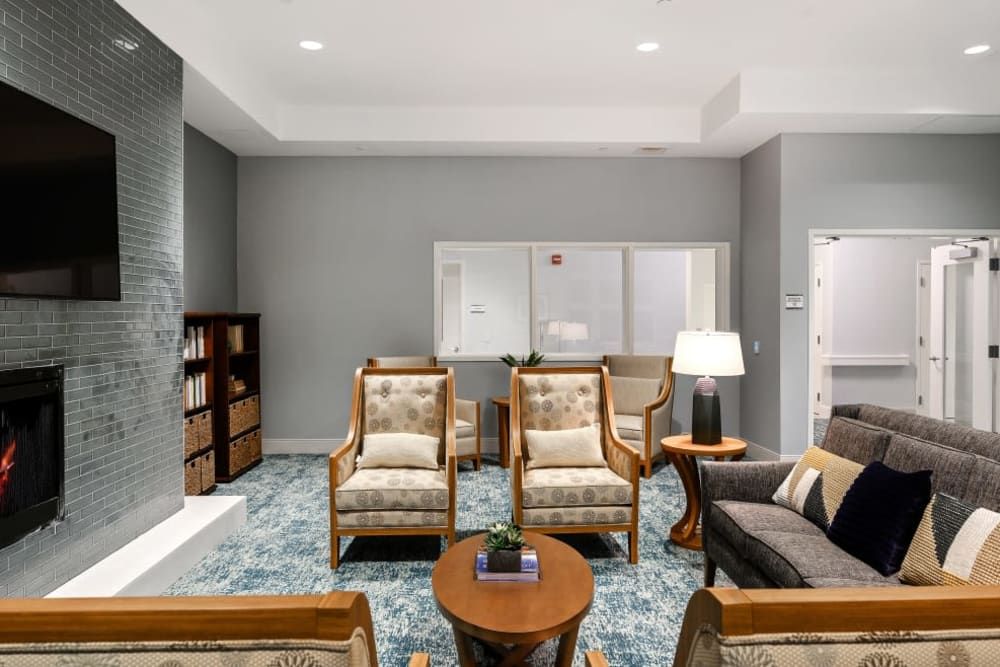
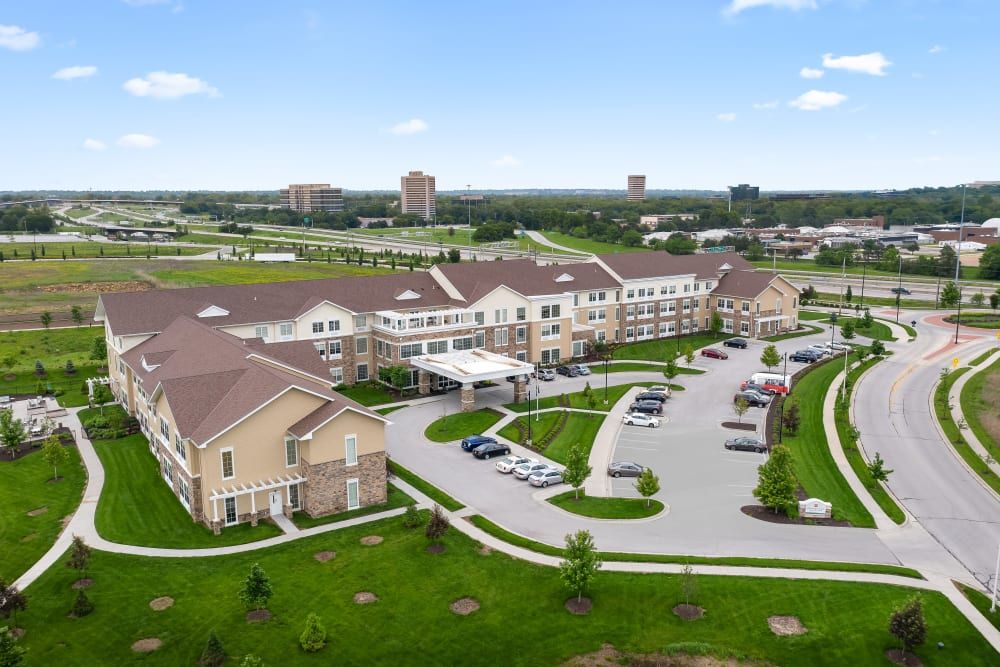
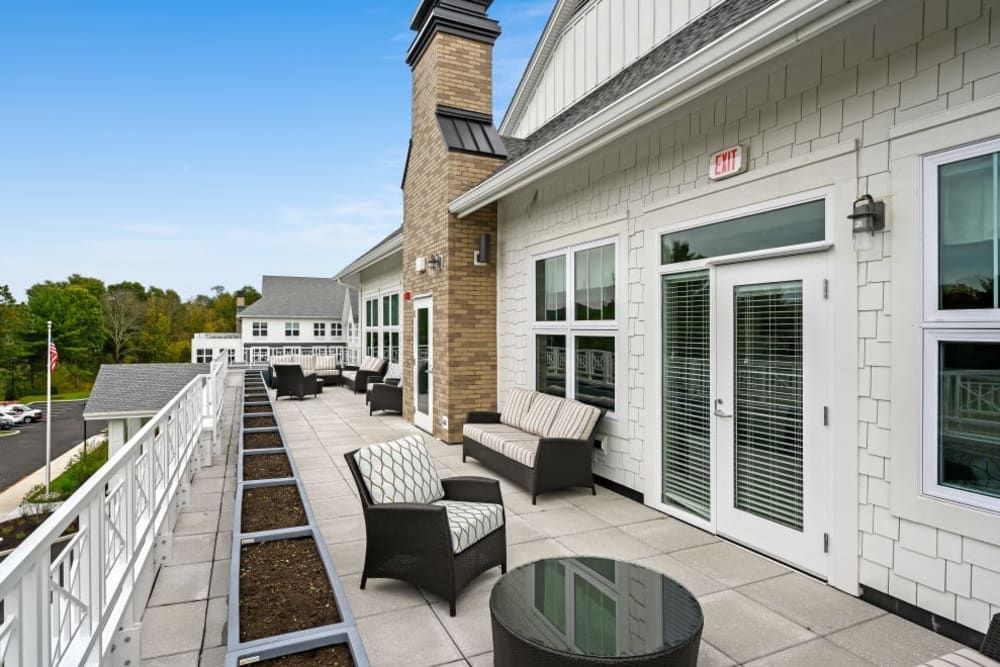
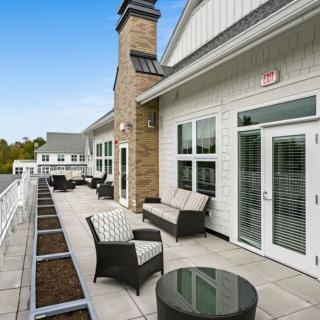
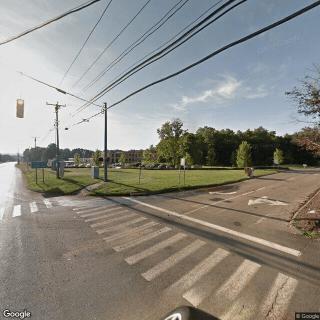
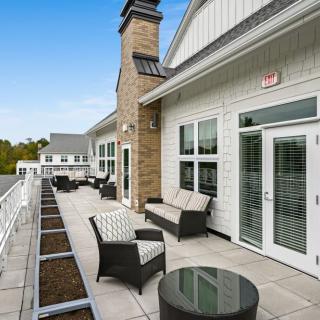
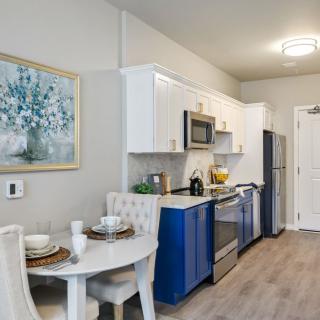
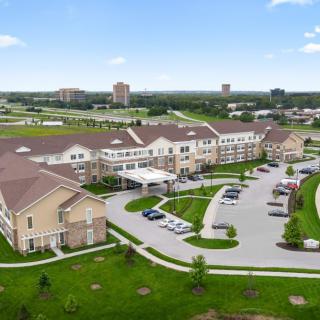
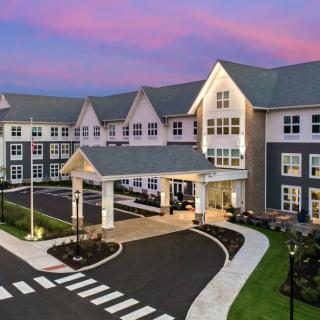
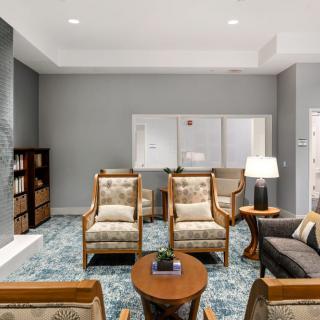
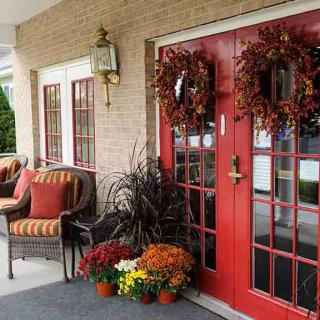
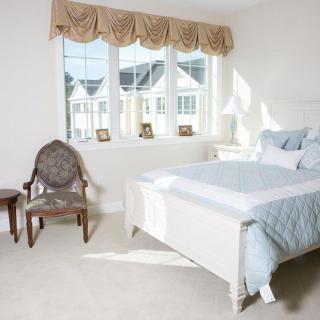
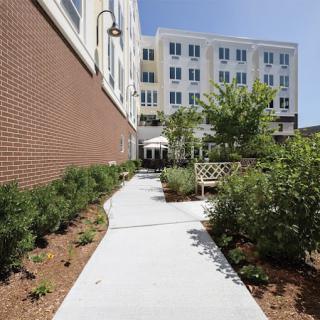
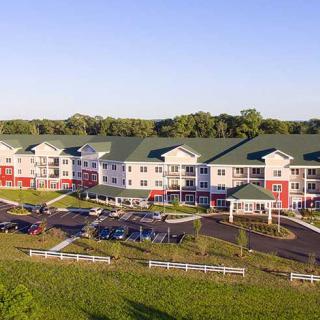
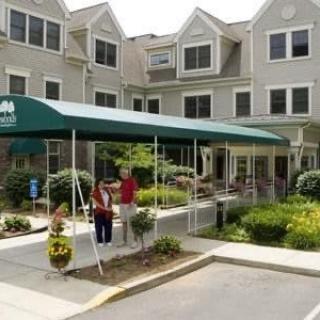
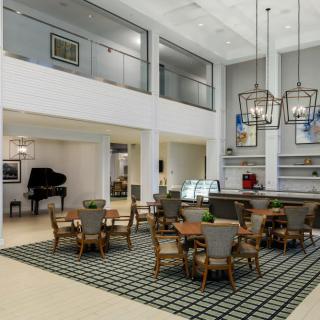
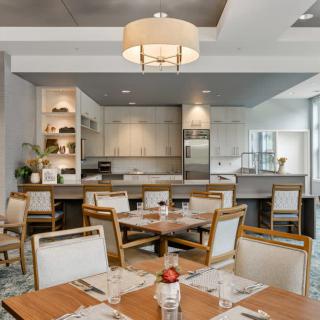
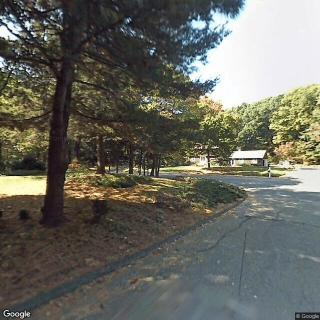
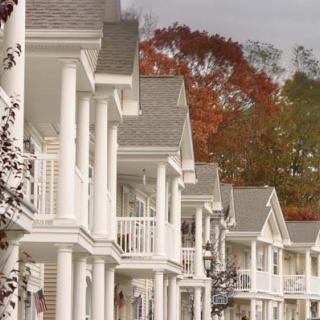
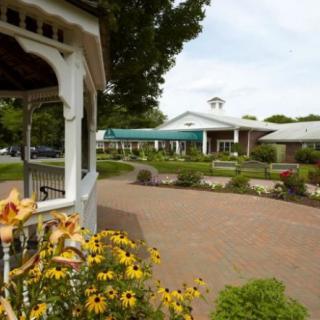
Anthology Of Farmington on seniors.fyi includes 46 photos including images showing interior, dining, decor, living room, bathroom, kitchen, landscaping, building, and more.
Nearby Communities
Brookdale Gables Farmington
Farmington, CT
4.2 from 77 reviews
$3,375 to $5,360 / month
Friendly staff with good communication; pleasant grounds and spacious, well-equipped apartments with on-site activities.
Unity Home Care
Farmington, CT
4.3 from 19 reviews
Compassionate, professional aides with responsive, dedicated support.
Bright Care Services
Farmington, CT
4.4 from 41 reviews
Strong convenience with nearby amenities (cafes, parks, pharmacies, restaurants, physicians, and a hospital) supporting independent living.
Autumn Estates
Farmington, CT
Intimate, personalized setting with essential care services and nearby healthcare resources.
Hunter's Ridge
Unionville, CT
4 from 1 review
$806 to $906 / month
Friendly, welcoming community with responsive on-site maintenance and a convenient location.
Avon Health Center
Avon, CT
4.8 from 122 reviews
Caring staff, clean environment, and healthy meals.
Shady Oaks Assisted Living
Bristol, CT
5 from 129 reviews
$3,000 to $4,000 / month
Compassionate, personalized care by a hands-on, family-like staff.
Blessed House LLC
Plainville, CT
4 from 2 reviews
$4,500 / month
Suitable for independent residents seeking freedom.
Brookdale Chatfield
West Hartford, CT
4.3 from 82 reviews
$3,455 to $6,350 / month
Friendly, caring staff in a clean, home-like environment.
The content outlines five key early indicators of dementia, including significant memory loss and confusion about time and place, while emphasizing the need for professional evaluation and emotional support for both individuals showing symptoms and their caregivers. It encourages family members to monitor these signs closely and use online quizzes for initial awareness.
The article highlights eight indicators that a loved one with dementia may require specialized memory care, emphasizing the emotional and logistical challenges families encounter in this decision. It discusses signs such as difficulties with daily tasks, safety concerns, and caregiver burnout, suggesting that memory care facilities can provide the necessary support and structured environments for those experiencing cognitive decline.
Dementia, primarily caused by Alzheimer's disease but also linked to other conditions, leads to cognitive decline impacting memory and daily functioning, with individuals experiencing varied awareness of their impairments. Despite memory loss, emotional connections persist, enabling responses to familiar stimuli, highlighting the need for caregivers to provide compassionate support that recognizes both limitations and retained emotional depth.
Get PricingAsk A QuestionSchedule A TourContact Senior Advisor
By clicking submit, you agree to our Partner's Terms of Use. You
also consent to receive calls and texts, which may be autodialed, from our Partner. Your consent is not a condition to
using our Partner's service. Please visit our Partner's Privacy Policy for information about their privacy practices.

 120 resident community capacity
 1-bedroom apartments
 Assisted Living
 Independent Living
 Memory Care
 Skilled Nursing Facility
 Cats allowed
 Dogs allowed
 Activities on-site
 Air-conditioning
 Bath tubs
 Beautician on-site
 Cable or satellite TV
 Computer center
 Devotional services off-site
 Dining room
 Fitness room
 Full kitchen
 Fully furnished
 Gaming room
 Garden
 Ground floor units
 Handicap accessible
 Housekeeping services
 Indoor common areas
 Move-in coordination
 Outdoor common areas
 Private bathrooms
 Respite or short term stays offered
 Restaurant-style dining
 Small library
 Telephone
 Wellness center
 Wheelchair accessible showers
 Wi-Fi/high-speed internet available
 Bradley International (16 miles away)
 Community operated transportation
 12-16 hour nursing
 24-hour call system
 Assistance with bathing
 Assistance with dressing
 Assistance with transfers
 Diabetes diet
 Diabetic care
 High acuity care
 Hospice care
 Incontinence care
 Medication management
 Mental wellness program
 Special dietary restrictions
 Transportation arrangement (medical)
 Art classes
 Catholic services
 Concierge services
 Cooking classes
 Day trips and outings
 Educational speakers / life long learning
 Happy hour
 Jewish services
 Karaoke
 Live dance or theater performances
 Live musical performances
 Wine tasting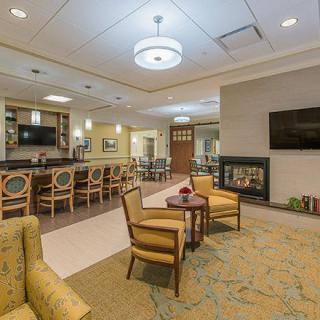
 Friendly staff with good communication; pleasant grounds and spacious, well-equipped apartments with on-site activities.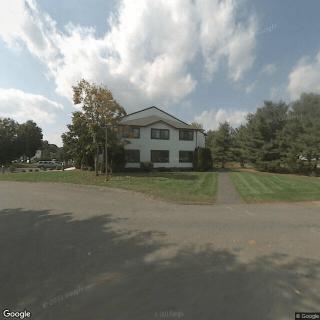

 5 Early Indicators of Dementia and What You Can Do
 8 Important Indicators That Memory Care May Be Necessary
 Delving into the Inner World of Dementia: Insights into Thoughts and Awareness