

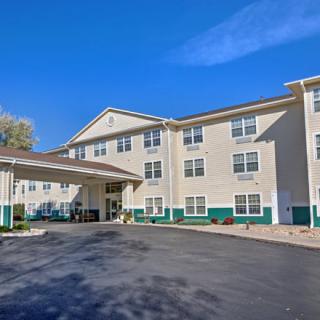
2430 Oakshire Lane, Pueblo, CO 81001
For more information about senior living options: (866) 208-4318
Overall Review of Trinity Life Gardens
Pros
 Great people work there.
- The residents are really taken care of.
Cons
 They do not treat patients right.
- They didn’t care for a diabetic family member.
- They gave a diabetic patient a regular diet with sugar.
- They only care about money; patients never see a cent.
- They should look for a better place for a loved one.
Review
Trinity Life Gardens in Pueblo, Colorado is best suited for seniors who value a warm, approachable care team and a small-community feel over high-powered medical oversight. This is a place where residents are likely to encounter genuine kindness, easy access to staff, and daily opportunities for social engagement. It serves individuals who can manage most activities with routine support and who don’t require around-the-clock professional medical monitoring. Families seeking a bright, friendly environment with a focus on companionship and personal attention will find traction here. Those whose loved ones live with complex medical conditions, strict dietary requirements, or a need for meticulous financial transparency should seriously consider alternatives.
On the positive side, the staff quotient stands out. The comments describe “great people” and residents who feel truly cared for, which translates into a palpable sense of inclusion and daily reassurance for families and residents alike. For seniors who fear isolation, the environment promises conversation, friendly assistance, and structured activities that keep people connected. This emotional and social capital can make a meaningful difference in quality of life, even when clinical oversight isn’t cutting-edge. In short, Trinity Life Gardens delivers a compassionate, resident-centered experience that can be the difference between feeling forgotten and feeling valued.
Yet the most consequential caveat lies in medical responsiveness and oversight. One reviewer reports serious failures in treating a diabetic relative, citing inappropriate diet and a lack of prioritization for medical needs. The underlying concern is not merely a dietary misstep but a systemic tilt toward revenue considerations, with the complaint that residents’ funds are not handled with transparency or direct benefit to the patient. In practice, warmth and attentiveness on the floor do not compensate for gaps in medical judgment, timely intervention, or clear financial accountability. For families managing chronic conditions, these gaps are more than theoretical red flags.
How the positives balance the negatives depends on priorities. If the primary objective is companionship, respectful daily care, and a home-like routine, Trinity Life Gardens can deliver consistently. The problem arises when medical needs outstrip what the facility can reliably provide or when dietary plans and medication management are treated as afterthoughts. The contrast between compassionate staffing and clinical shortfalls creates a tension that families must weigh: emotional well-being versus medical safety. The absence of strong medical oversight isn’t a minor flaw here, it's the defining fault that can undermine long-term well-being for residents who require dietary control, glucose monitoring, or more nuanced clinical support.
People who should consider alternatives include those with diabetes, cardiovascular concerns, or cognitive needs that require regular nursing judgment. Look for facilities with on-site licensed nurses, 24/7 monitoring, and clearly documented policies about meal planning, insulin administration, and diabetic management. Also probe financial transparency: how residents’ funds are handled, who has access to accounts, and what guarantees exist that money is used for care. Visit, ask for recent menu cycles, request to speak with a director of nursing and the administrator, and review state licensure and inspection histories. Those steps are essential to avoid discovering years later that care was misaligned with medical and financial expectations.
Bottom line: Trinity Life Gardens offers a warm, people-focused atmosphere that can be a perfect fit for seniors prioritizing companionship and everyday kindness. For families where those qualities align with the loved one’s needs and there is confidence in ongoing medical supports elsewhere, this community can work. For others, with diabetes, complex diets, or the need for acute clinical oversight, the prudent move is to shop for alternatives that pair a friendly staff with robust medical protocols and transparent financial practices. A careful, structured visit will reveal whether the balance here tilts toward homey care or riskier gaps that demand a different setting.
 51 resident community capacity
 Assisted Living
 Activities on-site
 Air-conditioning
 Beauty salon
 Cable or satellite TV
 Computer center
 Devotional services off-site
 Dining room
 Fitness room
 Fully furnished
 Gaming room
 Garden
 Housekeeping services
 Indoor common areas
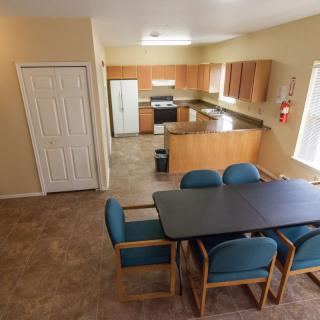
 Kitchenette
 Move-in coordination
 Outdoor space
 Private bathrooms
 Restaurant-style dining
 Small library
 Telephone
 Wellness center
 Wi-Fi/high-speed internet available
 Pueblo Memorial (4 miles away)
 Community operated transportation
 24-hour call system
 Ambulatory care
 Assistance with bathing
 Assistance with dressing
 Assistance with transfers
 Diabetes diet
 Diabetic care
 Medication management
 Mental wellness program
 Special dietary restrictions
 Concierge services
 Planned day trips





 Assisted Living Expenses and Long-Term Care Insurance: A Comprehensive Exploration
 Securing Financial Support for Assisted Living: A Comprehensive Overview
 Social Security Benefits and Assisted Living: Navigating Options Across the U.S.