1716 North Reading Avenue, Pueblo, CO 81001
For more information about senior living options: (866) 208-4318
Overall Review of Heatherwood Village Assisted Living
Pros
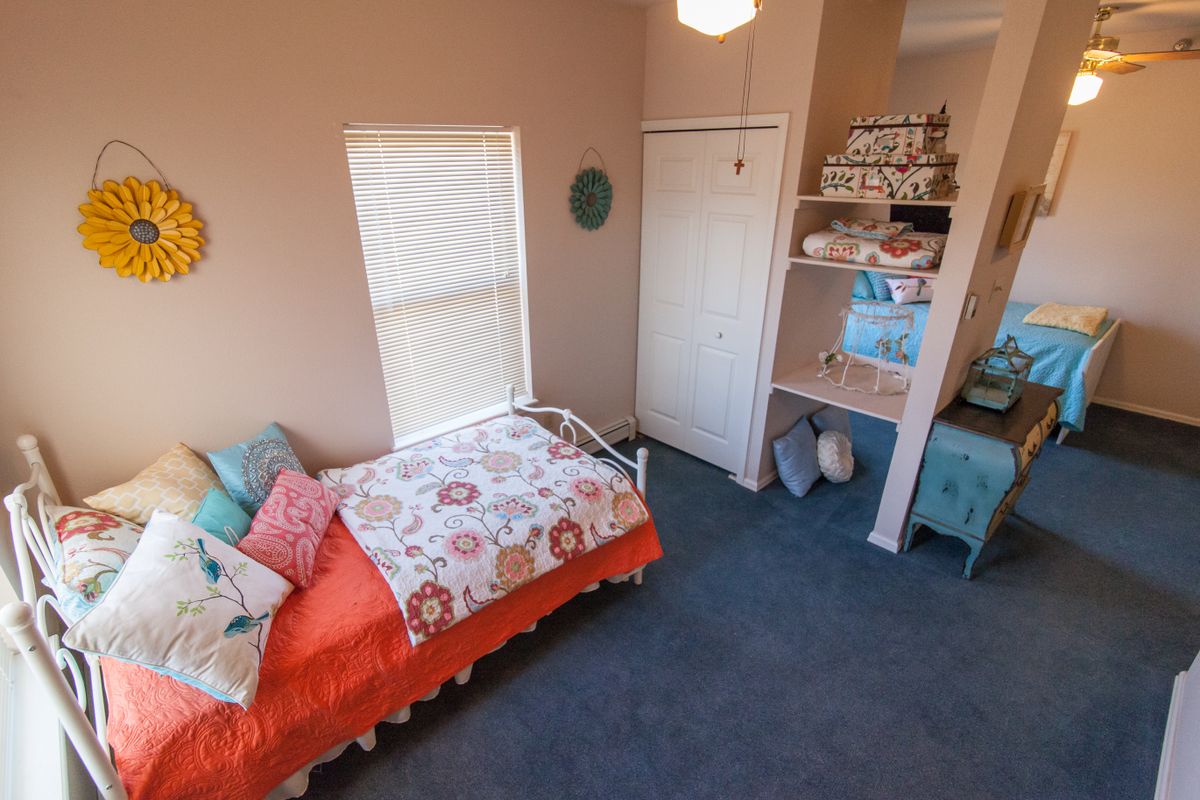
 The rooms are nice.
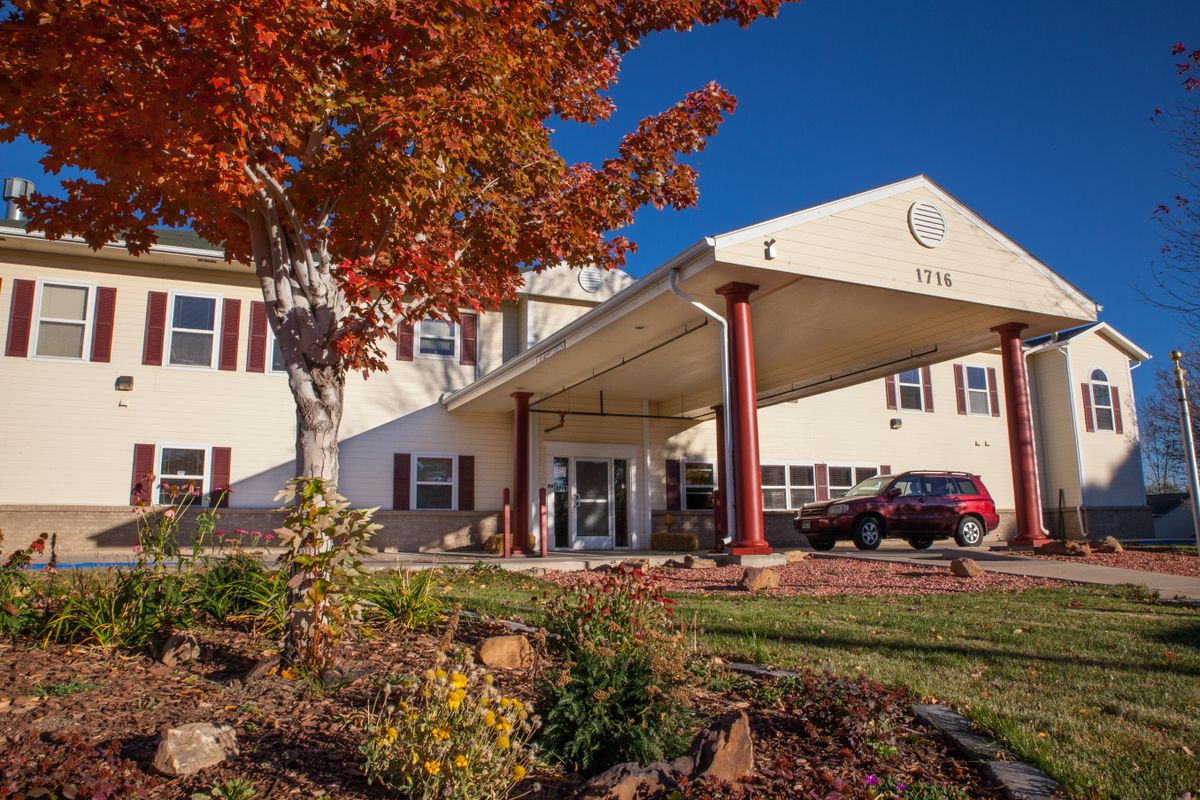
- The building is nice.
Cons
 Some residents give you trouble.
- The family will not move them out.
- The food is bad.
Review
Heatherwood Village Assisted Living in Pueblo is best suited for seniors who value a clean, well-maintained environment with comfortable private rooms and a straightforward assisted-living routine. It serves families that want a pleasant, easy-to-navigate facility where daily life centers on predictable services and the ambience of a well-kept building. For residents who prize ambiance and privacy over culinary excellence or meticulously managed social dynamics, Heatherwood offers a practical, no-fruss environment that minimizes superficial barriers to a smooth transition into assisted living.
Those weighing alternatives should consider whether dining quality, resident behavior management, and predictable social harmony are non-negotiables. If gourmet meals, varied, engaging dining experiences, or robust programming around resident interactions are essential, this community may fall short. Likewise, if safety and predictable handling of disruptive behavior among residents are priorities, new questions should be asked about how staff monitor and de-escalate conflicts, and what outcomes families can expect when some residents pose ongoing challenges. For seniors who require more specialized care, memory care, more intensive medical oversight, or highly responsive crisis management, the current fit may be limited.
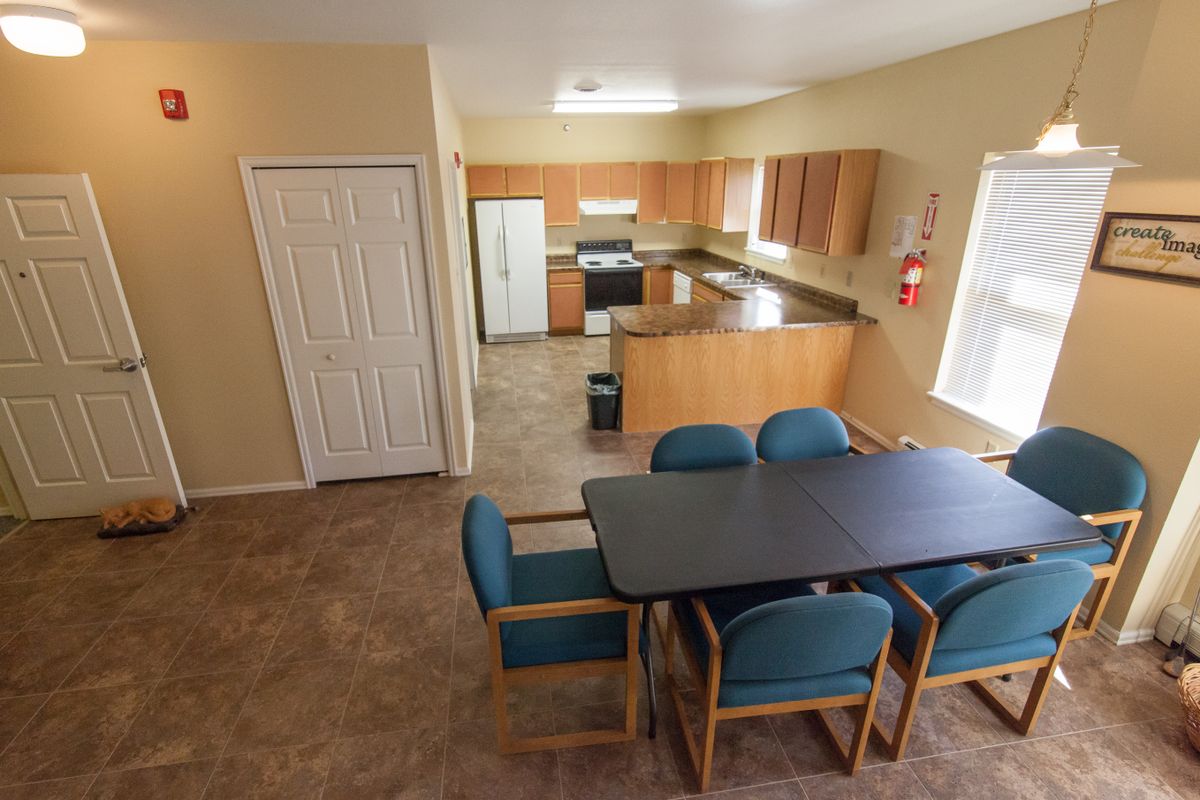
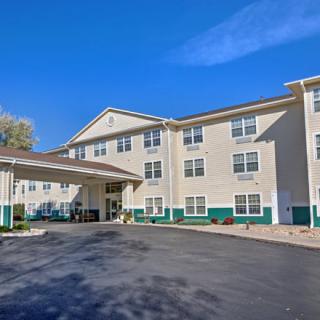
The most concrete positives here are the tangible, home-like aspects: nicely appointed rooms and a pleasant building contribute strongly to a first impression and ease the emotional transition into care. A well-presented environment often reduces the emotional burden on families and can support residents’ sense of dignity and autonomy. When space feels welcoming, it can offset some worries about daily routines, making routines easier to accept for residents who crave familiar surroundings. In practical terms, a solid physical footprint, ample common spaces, orderly corridors, and tasteful finishes, gives caregivers a workable backdrop for delivering everyday assistance without feeling compromised by the setting.
Yet the experience is sharply tempered by significant drawbacks that demand careful weighing. The characterization that “some residents give you trouble” signals ongoing behavioral challenges within the community that can escalate stress for both staff and neighbors. If friction or incident-prone dynamics occur, the burden falls on staff to intervene quickly and safely, and families should probe how such situations are managed, how often they occur, and what the escalation pathways look like. In a setting where the family’s ability or willingness to “move them out” is limited, the risk profile shifts toward relying on internal policy and staff discipline rather than external assurance. This is not a neutral footnote; it directly touches day-to-day peace of mind, safety, and the predictability of living in close quarters with others who may need more intensive behavioral support.
Food quality emerges as a clear, tangible dissatisfaction. When meals are described as bad, it is not a cosmetic complaint but a foundational element of daily life and overall satisfaction. In assisted living, cuisine often anchors routines, connects residents to independence, and strengthens social times around dining. A subpar dining experience can undermine mood, appetite, and social engagement, and it is difficult to overlook as a minor concession. Families should assess whether menu options, the opportunity to tailor meals, and the consistency of kitchen/service staff meet acceptable standards, or if alternative communities with stronger culinary offerings are warranted.
In making a decision, the practical path is to prioritize what truly matters for individual circumstances and to test the theory against real-world behavior. Prospective residents or their families should insist on detailed, current information about how behavioral issues are addressed, what safety protocols are in place, and the frequency of any incidents. They should request menus, sample meals, and opportunities to observe dining and resident interactions at different times of day. A candid conversation with the administrator about resident mix, the process for managing disruptive behavior, and any respite or trial-stay options can illuminate whether the positives outweigh the cautions. Finally, tours should extend beyond glossy brochures to include conversations with current residents and family members about day-to-day life, the consistency of service, and how responsive the team is during meals and peak activity periods.
The bottom line is practical and decisive: Heatherwood Village delivers a clean, comfortable physical setting and private living spaces that are easy to envision as home. However, significant concerns about resident behavior management and notably disappointing dining quality temper that advantage. For families where ambiance and basic convenience can carry the day, and where tolerance for dining variability and potential behavioral disruption is acceptable, Heatherwood offers a sensible, no-frills option. For those who cannot compromise on excellent meals, predictable social harmony, and proactive, transparent handling of resident challenges, exploring alternatives is not only reasonable but prudent. The choice should hinge on non-negotiables: is dining excellence and a consistently calm, well-managed environment worth prioritizing over the comfort of a strong building and nicely appointed rooms? If the answer leans toward the latter, Heatherwood Village becomes a strong candidate; if not, other communities deserve consideration before committing.
 48 resident community capacity
 Assisted Living
 Beauty salon
 Cable or satellite TV
 Dining room
 Fully furnished
 Garden
 Housekeeping services
 Kitchenette
 Move-in coordination
 Outdoor space
 Restaurant-style dining
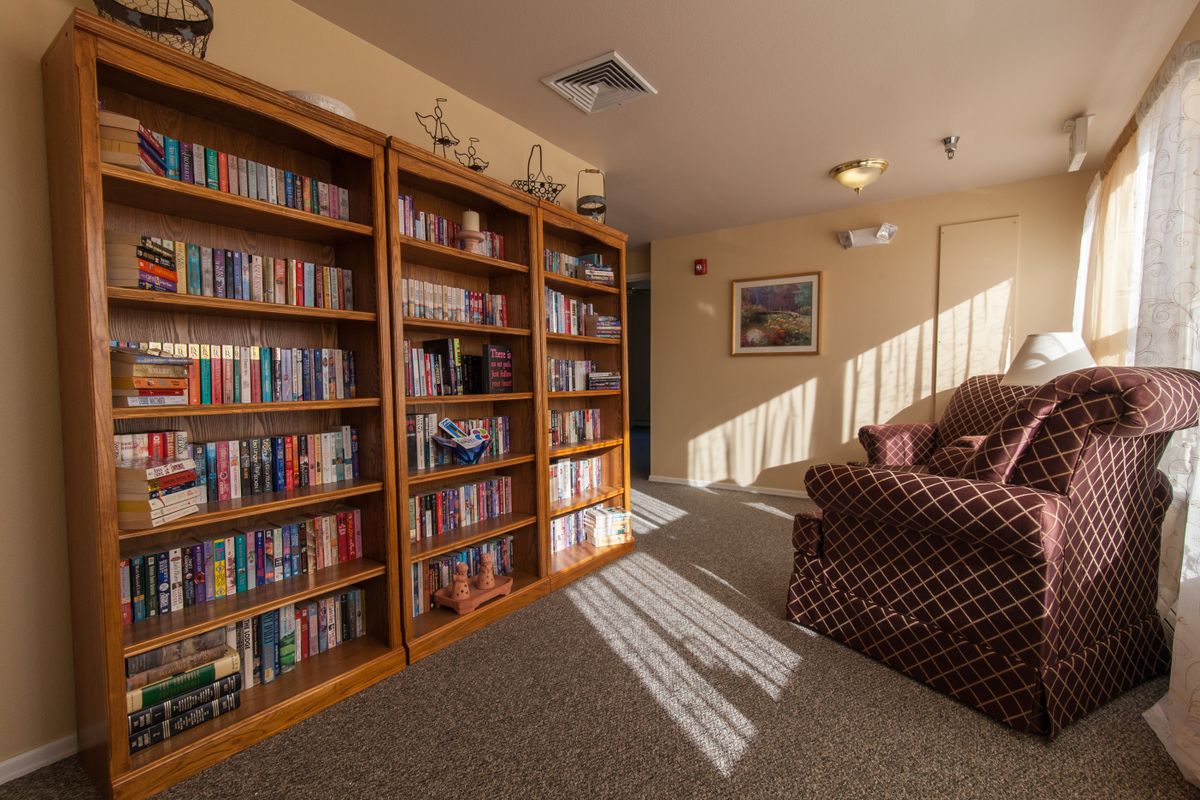
 Small library
 Telephone
 Wi-Fi/high-speed internet available
 Pueblo Memorial (4 miles away)
 24-hour call system
 Activities of daily living assistance
 Assistance with bathing
 Assistance with dressing
 Assistance with transfers
 Diabetes diet
 Medication management
 Mental wellness program
 Special dietary restrictions



 How and When Medicaid May Cover Assisted Living Costs
 A Detailed Exploration of Assisted Living Medicaid Waivers Across the United States
 Comprehensive Residential Support and Assisted Living Solutions for Individuals with Disabilities