
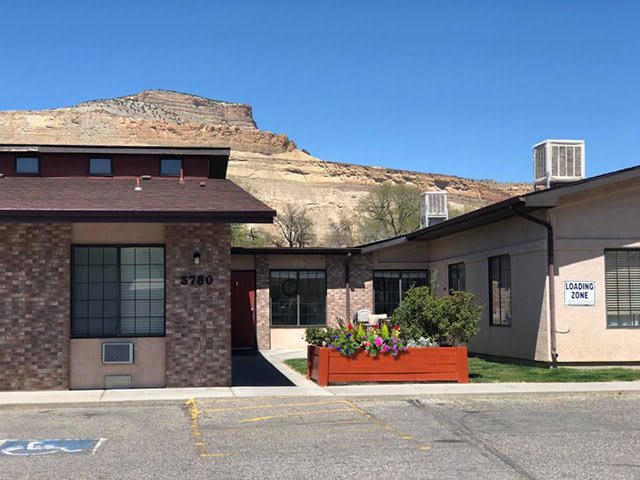
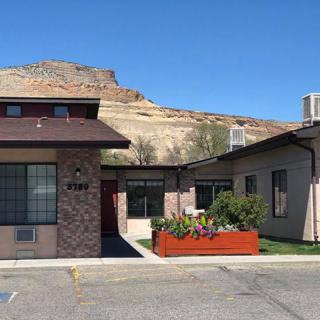
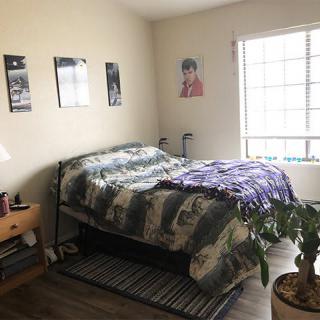

3781 Heritage Lane, Palisade, CO 81526
For more information about senior living options: (866) 208-4318
Retreat At Palisade Costs & Pricing
Retreat At Palisade offers competitive pricing for its residents, especially when compared to the broader market rates in Mesa County and the state of Colorado. For a semi-private room, the cost is $2,750 per month, which is significantly lower than the county average of $3,513 and the state average of $4,009. Similarly, the studio option at Retreat At Palisade is priced at $2,900, again providing a more affordable alternative to the Mesa County rate of $3,915 and the state's average of $4,090. These rates highlight Retreat At Palisade's commitment to offering quality accommodations while ensuring accessibility for potential residents in comparison to local and state options.
| Floor plans | Retreat At Palisade | Mesa County | Colorado |
|---|---|---|---|
| Semi-Private | $2,750 | $3,513 | $4,008 |
| Studio | $2,900 | $3,915 | $4,088 |
Assisted Living communities with a similar price nearby
-
from +$500 / mo
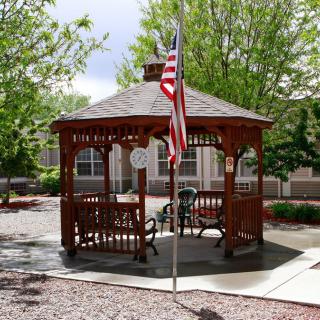
Residence At Grand Mesa
$3,250 to $3,650 / month9.6 miles away -
from -$525 / mo
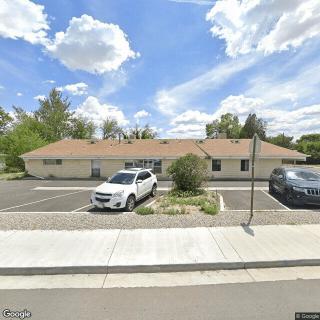
Bookcliff Manor Assisted Living
$2,225 / month8.9 miles away
Overall Review of Retreat At Palisade
Pros
 The staff seemed very kind, accommodating, and knowledgeable.
- The staff is great and very caring.
- The new administrator is amazing.
Cons
 The reviewer states that no one answered the phone after multiple calls while trying to set up placement for a parent.
- The reviewer notes there was no one at the desk or around to talk to when they visited.
- The reviewer considers the facility’s service unprofessional.
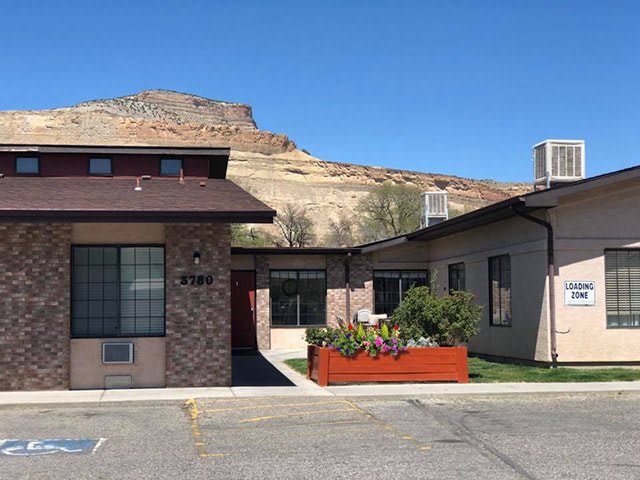
- The reviewer observes that the facility is in need of minor repairs and painting, and that some common areas are tight for two-directional traffic with walkers and wheelchairs.
- The reviewer reports that multiple messages were not returned, leading them to question the facility’s communication and look elsewhere.
- The reviewer describes the company as the worst to take your family to, alleging they don’t know how to take care of residents or employees and expressing hope they get shut down.
Review
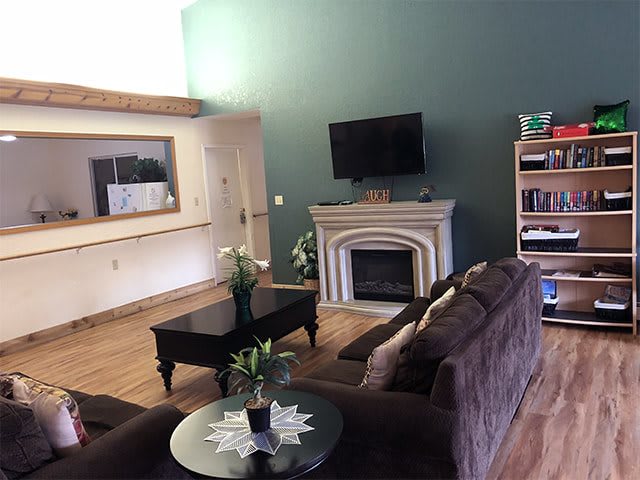
Retreat At Palisade in Palisade, Colorado is best suited for seniors who want a small, homey community where residents feel like family and staff demonstrate steady warmth and attentiveness. It works well for families that value personal, hands-on care and a friendly, community-oriented culture over sleek, modern aesthetics or maximal programming. For a senior who doesn’t demand luxury amenities but does prioritize approachable staff and a sense of belonging, this facility can be a reliable match. The strength lies in interpersonal connection and daily kindness, not in high-end facility polish.
On the flip side, anyone who must have consistently fast, reliable communication or who relies on a perfectly maintained environment may be better served elsewhere. Several reviews flag persistent difficulty getting calls returned, trouble scheduling tours, and a desk that isn’t consistently staffed. That pattern signals potential gaps in coordination and administrative responsiveness, which can complicate care transitions, care planning, and daily routines once a loved one is a resident. If communication reliability is non-negotiable, alternatives should be weighed more heavily.
Yet the upside is meaningful. Reviewers repeatedly describe staff as kind, accommodating, and genuinely caring, with residents feeling like family. A new administrator is cited as amazing and capable of changing the tone to something more personal and supportive. These relational strengths can translate into calmer days, stronger resident morale, and more consistent one-on-one attention, elements that often determine quality of life as much as clinical care. The facility’s willingness to foster a family-like culture stands as a credible counterweight to some logistical shortcomings.
To assess fit, prospective families should probe directly about the operational gaps observed in reviews: what are current wait times for return calls, how is the enrollment process handled, and who is the day-to-day point of contact for families and residents? It is essential to tour the building at different times to gauge staffing presence, hall traffic, and maintenance needs, including the condition of common areas. Request straightforward information about staffing ratios, caregiver continuity, and how care plans are communicated. Ask for references from families with similar needs and request to speak with the administrator about recent improvements and ongoing initiatives.
Given the mixed signal, alternatives should be compared with clear criteria: consistency of communication, building upkeep, and leadership stability. If a family requires a streamlined intake, transparent updates, and proven, stable management, other options in the area may offer more predictable operations. On the other hand, if the priority is a warm, family-like environment and staff who remember residents’ preferences, Retreat At Palisade can still be a strong fit, provided there is a plan to verify and guard against the noted communication and maintenance gaps.
Bottom line: Retreat At Palisade can deliver genuine warmth and personal attention that improves daily life for residents who value that culture. The main caveat is operational reliability, specifically, responsiveness and upkeep, that could undermine care coordination if left unaddressed. Families should enter conversations with a concrete set of expectations, insist on current, accountable leadership engagement, and compare against other communities with stronger communication tracks. With due diligence and clear lines of accountability, a confident decision can be made: this community may be ideal for those who welcome a familial atmosphere, while alternatives are prudent for families prioritizing seamless logistics and pristine upkeep.
 81 resident community capacity
 Assisted Living
 Cats allowed
 Dogs allowed
 Activities off-site
 Air-conditioning
 Bath tubs
 Beautician on-site
 Cable or satellite TV
 Computer center
 Devotional services off-site
 Dining room
 Fitness room
 Fully furnished
 Gaming room
 Garden
 Housekeeping services
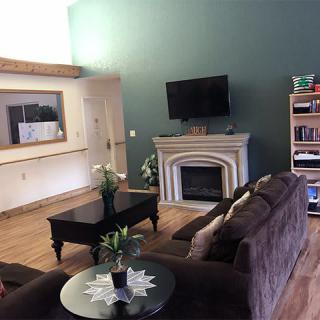
 Indoor common areas
 Kitchenette
 Move-in coordination
 Outdoor common areas
 Private bathrooms
 Respite or short term stays offered
 Restaurant-style dining
 Small library
 Telephone
 Wellness center
 Wheelchair accessible showers
 Wi-Fi/high-speed internet available
 Walker (9 miles away)
 Community operated transportation
 12-16 hour nursing
 24-hour call system
 Ambulatory care
 Assistance with bathing
 Assistance with dressing
 Assistance with transfers
 Diabetes diet
 Diabetic care
 High acuity care
 Medication management
 Mental wellness program
 Special dietary restrictions
 Christian services
 Concierge services
 Planned day trips

 Is Assisted Living Deductible on Your Taxes? Understanding the Complexities of Assisted Living Expenses and Deductions
 Assisted Living Support for Veterans: A Complete and Detailed Overview
 Exploring the Contrasts Between Assisted Living and Skilled Nursing