
3452 F Road, Clifton, CO 81520
For more information about senior living options: (866) 208-4318
Overall Review of Peachtree Assisted Living 2
Pros
 Some staff care and let residents have more freedoms than most assisted living facilities.
- The owner is nice.
- It is a fairly safe place to go for someone in a bad spot in life.
- There is usually something to eat in the middle of the night.
- There is no curfew.
Cons
 The staff did not know his history and did not care to find out.
- The director was clueless about a treatment plan for him.
- That situation was disheartening.
- They threaten residents with discharge as their only option.
- They were only concerned about income and what happened to his money after he was thrown out.
- Ron was forced by government agencies to return the brother's money that he had tried to steal.
- The bathrooms were not kept clean.
- The facility is full of restrictions.
- There was chronic tobacco encouragement.
Review
Peachtree Assisted Living 2 in Clifton, CO is best suited for seniors who want a safe, home-like environment with a light-touch approach to medical oversight and a degree of personal freedom. Reported advantages include a no-curfew atmosphere and more liberties than many assisted-living homes, paired with regular meals and late-night snacks. For the actively independent or those who simply want a less restrictive daily rhythm, this setting can feel comfortable and predictable, with at least some staff members demonstrating genuine care. Families facing significant medical complexity or needing intensive, hands-on supervision should recognize that this home’s strength is not in clinical intensity; the profile suggests more moderate oversight and a variable care footprint.
Where this community may fall short, and thus where alternatives deserve consideration, is in the reliability and expertise of the caregiving team and the governance surrounding care and finances. One review describes staff who could not recall a resident’s history and a director who appeared clueless about a treatment plan, followed by pressure to discharge. Another account implies contested finances, with money apparently returned after intervention by government authorities. Cleanliness issues emerge too, especially with bathrooms, alongside feedback that tobacco use is encouraged among residents. Taken together, these signals erode confidence in consistent care and financial accountability, critical factors for anyone assessing long-term placement.
Those who prioritize the facility’s positives may still find ample value in the right circumstances. The combination of caring staff on some shifts, genuine ownerly kindness, and a freer daily style can create a dignified living experience for residents who do not require constant medical management. The absence of a strict curfew and the presence of around-the-clock meals offer real practical benefits for families juggling schedules. Yet the upside is tempered by clear operational gaps: inconsistent staff knowledge, uneven housekeeping, and an overall sense that administration may not be fully aligned with resident welfare. When the balance tips toward medical or financial risk, the positives cannot compensate fully.
Practical due-diligence steps can mitigate risk. Prospective families should request candid conversations with frontline caregivers to understand how resident histories are tracked, how care plans are crafted, and who oversees changes. A detailed tour of living spaces should assess cleanliness and maintenance, particularly bathrooms, and menus should be reviewed for variety, nutrition, and any dietary constraints. Demand a clear discharge policy, transparent billing practices, and documentation of staffing levels, especially during evenings and weekends. If possible, arrange a trial visit or a few shifts to observe real-world interactions and response times. The aim is to verify that the claimed freedoms do not come at the expense of safety or accountability.
Alternatives merit serious comparison for anyone with higher care needs or tighter governance expectations. Communities with longstanding staff tenure, strong caregiver training, and verifiable governance records typically deliver steadier clinical oversight and more predictable routines. If memory care, medication management, or wound care is anticipated, or if financial transparency is a priority, exploring other Clifton options with documented performance metrics will yield more confidence.
Bottom line: Peachtree Assisted Living 2 occupies a niche that blends a permissive atmosphere with serious questions about consistency, cleanliness, and administrative focus. It can satisfy residents who value flexibility, social engagement, and straightforward meals, provided medical needs are modest and oversight remains stable. For anyone with significant clinical requirements, persistent cleanliness concerns, or concerns about governance and finances, alternatives should be prioritized. The prudent decision is to compare several options, verify care plans, meet the caregiving team repeatedly, and weigh staffing stability against the comfort of a welcoming environment. The final choice should align safety, care quality, and personal dignity with the facility’s demonstrated capability.
 15 resident community capacity
 Assisted Living
 Board and Care Home
 Cable or satellite TV
 Dining room
 Fully furnished
 Garden
 Housekeeping services
 Move-in coordination
 Outdoor space
 Telephone
 Wi-Fi/high-speed internet available
 Walker (6 miles away)
 24-hour supervision
 Activities of daily living assistance
 Assistance with bathing
 Assistance with dressing
 Assistance with transfers
 Diabetes diet
 Meal preparation and service
 Medication management
 Special dietary restrictions
 Transportation arrangement (medical)
 Transportation to doctors appointments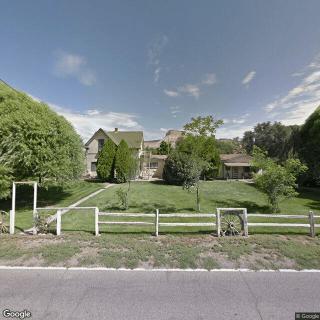


 Understanding Medicaid Coverage for Assisted Living: A Comprehensive Guide
 How and When Medicaid May Cover Assisted Living Costs
 A Detailed Exploration of Assisted Living Medicaid Waivers Across the United States