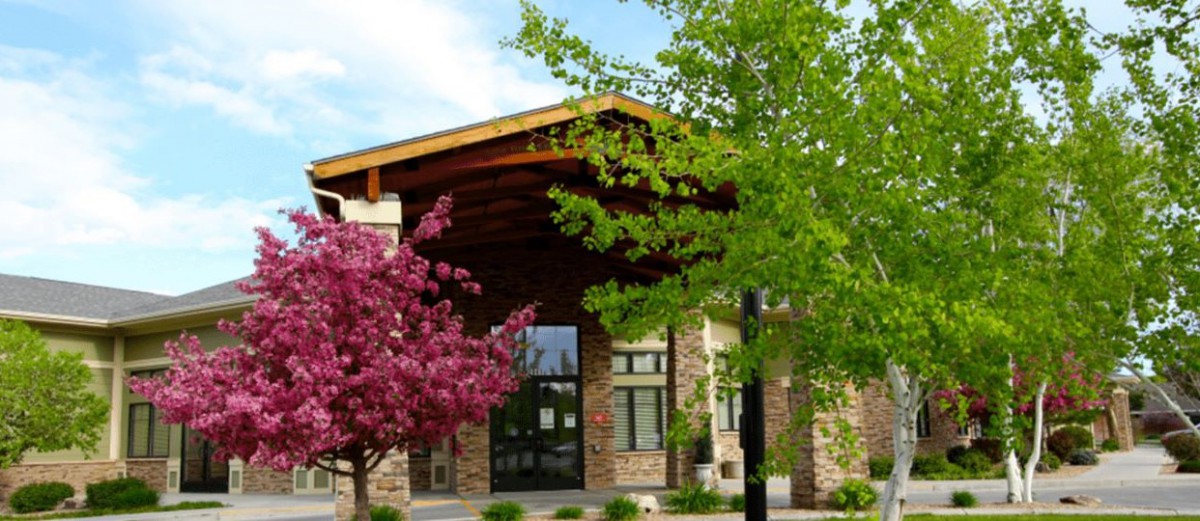
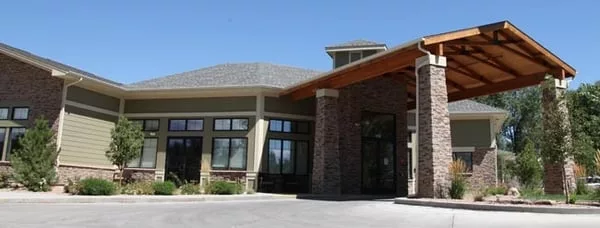
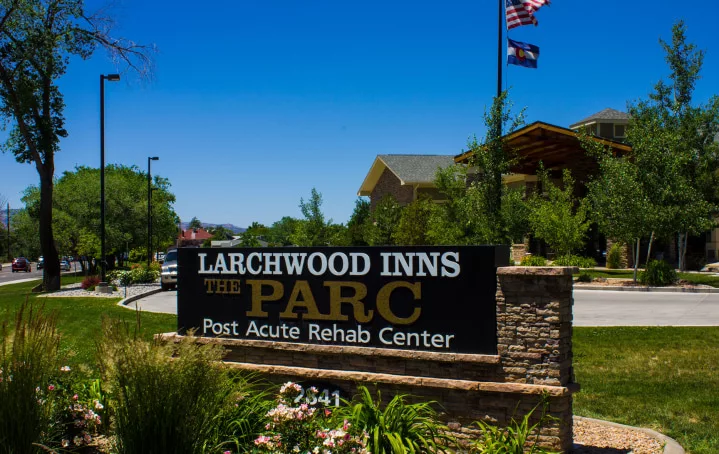
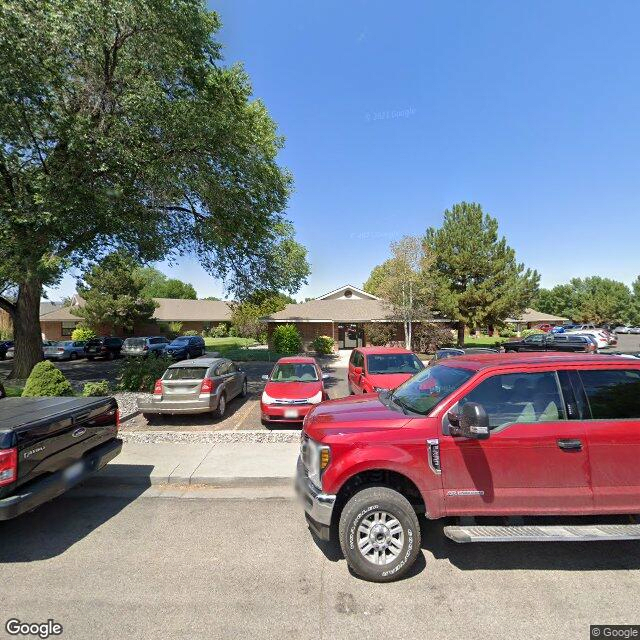
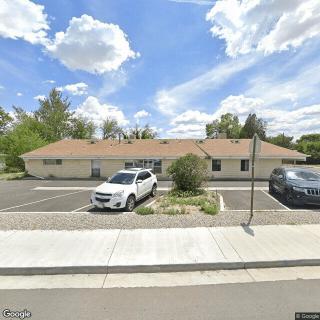
2845 North 15Th Street, Grand Junction, CO 81506
For more information about senior living options: (866) 208-4318
Overall Review of Larchwood Inns
Pros
 The staff are helpful and care about the residents.
- People are kind and take good care of the residents.
- The staff treated the grandmother like family and showed big-hearted care.
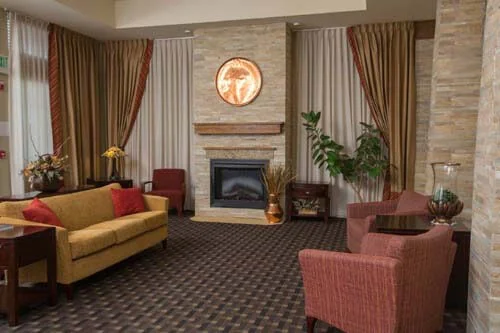
- The rehab facility had very good staff and nicely appointed, upscale rooms.
- The care was wonderful, the service was great, and the physical therapy staff was top notch.
- Larchwood Inns is very clean and well run, with a great, efficient staff.
- Nurses looked after my sister and she was very well cared for.
- There were frequent activities and musical groups performing for residents.
Cons
 The facility sucks.
- The staff constantly speaks badly about residents and their families.
- Call lights are left on for 20-30 minutes at a time.
- This neglect often results in falls.
- The food is horrible.
- Food arrives cold, undercooked, or overcooked.
- The place is a mess.
- The reviewer regrets putting their mom there.
- The reviewer warns others to steer clear of this place.
- The CEO is accused of cutting bath aide hours to boost pay bonuses while rents rise.
- Lift equipment is substandard and brakes do not work.
- There are 23 residents with only 2 CNAs and a nurse bouncing between halls, with no one to clean them.
Review
Larchwood Inns in Grand Junction is best suited for seniors who need rehabilitative care with the aim of returning home, and for families who can tolerate uneven day-to-day staffing while valuing a therapy-forward approach. The strongest selling point is a track record, in some cases, of skilled physical therapy, attentive nursing, and meaningful activity programs that keep a loved one engaged. It is not a fit for those who demand consistently flawless daily staffing, rock-solid safety response, and home-like predictability from morning to night. When recovery is the priority and family members can visit regularly to supplement care, Larchwood Inns can work. For residents whose needs skew toward long-term custodial support with unwavering staffing reliability, other communities deserve serious comparison.
Those who should consider alternatives include families who require immediate, dependable call-light response and 24/7 nursing coverage. Several accounts describe lights left on for extended periods and nights when staff coverage feels thin. Prospective residents who prize quiet, privacy, and consistently high meal quality should weigh the risk of inconsistent dining service, including shared rooms that feel more institutional. If maintenance of safety, routine cleanliness, and a respectful, steady staff culture are non-negotiables, this is a place to scrutinize closely. For anyone seeking a facility that feels uniformly well-run on day one, it’s prudent to look at other options first.
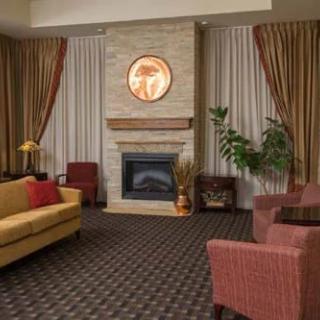
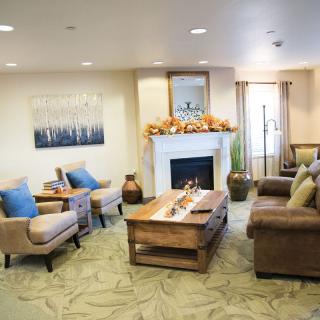
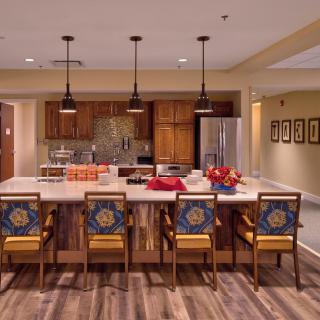
On the upside, the rehab-centric strength of the community is real when staffing aligns. Multiple families praise skilled physical therapy and supportive nursing that really treat residents with care, along with an active calendar of happenings and ongoing performances that bring life to the halls. Rooms can feel nicely appointed, especially during rehab stays when residents enjoy individual climate control and a sense of privacy. These moments demonstrate what Larchwood Inns can deliver when the care team is cohesive and the leadership supports a high standard of service. Yet these positives do not erase the core concerns. The most persistent friction points, understaffing leading to delayed assistance and perceptions of disrespectful or disengaged staff, undercut safety and dignity. Food quality ranges from acceptable to poor, with reports of meals arriving cold or mishandled, and maintenance or housekeeping issues that disrupt daily life. The tension between cost, room configuration, and perceived value compounds the overall experience, particularly where shared accommodations are involved.
The practical decision hinges on whether the rehab advantage can truly compensate for the operational volatility. The strongest justification for choosing Larchwood Inns rests with a resident whose primary objective is measurable mobility improvement and a pathway back toward independence, provided that therapy remains the focal point and staffing supports timely help. The counterweight is significant: a long-term stay becomes riskier when call-system reliability wanes, when professional warmth is uneven, and when basic daily routines, meals, room upkeep, and safe movement, are inconsistent. For families planning a longer horizon, the inconsistencies can magnify, turning a hopeful rehab story into ongoing frustration rather than sustained peace of mind. In short, the pros can offset the cons only if the resident’s goals align tightly with rehab outcomes and if there is a deliberate strategy to mitigate daily service gaps.
When evaluating, approach with a clear checklist and tough questions. Verify typical CNA-to-resident ratios and who covers night shifts; observe call-light handling and the cadence of assistance during a visit. Assess whether meals meet expectations by requesting a sample menu and, if possible, dining-room observation to gauge warmth and consistency. Inspect room configurations, private rooms are preferable when possible, with attention to noise, privacy, and accessibility if a shared room is unavoidable. Examine the rehab program’s structure: schedules, equipment availability, and the integration with overall care. Check current state inspection results and any corrective actions, and talk frankly with current residents and families about responsiveness, respect, and transparency around bills and repairs. This practical due diligence will separate hopeful impressions from durable quality.
Bottom line: Larchwood Inns can be a viable choice for rehab-focused care with a compassionate touch, but it requires careful vetting and clearly set expectations. Families should prioritize the rehab pathway and a genuine sense of warmth while remaining mindful of red flags around staffing consistency, meal reliability, and daily flow. If this community remains on the shortlist, pursue direct conversations with leadership about staffing models, reimbursement practices, and concrete commitments to safety, nutrition, and timely assistance. Pair tours with candid conversations with current residents, observe a shift change, request a view of the kitchen and maintenance areas, and compare with nearby options that may offer steadier staffing and more predictable quality. A well-informed decision will hinge on aligning the resident’s primary goals with the facility’s ability to deliver reliable, respectful care every day.
 130 resident community capacity
 Skilled Nursing Facility
 Air-conditioning
 Beauty salon
 Cable or satellite TV
 Computer center
 Dining room
 Fitness room
 Fully furnished
 Gaming room
 Garden
 Housekeeping services
 Kitchenette
 Move-in coordination
 Outdoor space
 Private bathrooms
 Restaurant-style dining
 Small library
 Telephone
 Wellness center
 Wi-Fi/high-speed internet available
 Walker (2 miles away)
 Community operated transportation
 12-16 hour nursing
 24-hour call system
 Activities of daily living assistance
 Assistance with bathing
 Assistance with dressing
 Assistance with transfers
 Diabetes diet
 High acuity care
 Medication management
 Mental wellness program
 Special dietary restrictions
 Concierge services
 Planned day trips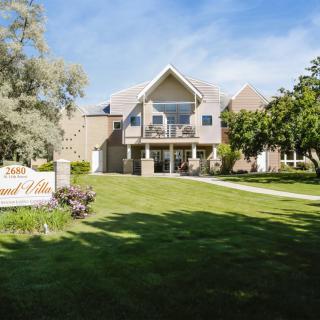



 Comprehensive Guide to Qualifying for Home Health Care Services
 Powerful Realities of Elder Abuse and the Most Effective Ways to Report It
 Ten Vital Duties of a Senior Caregiver: A Comprehensive Guide