
3032 N 15th Street, Grand Junction, CO 81506
To contact a resident: (970) 245-1712
For more information about senior living options: (866) 208-4318
Overall Review of Nellie Bechtel Gardens
Cons
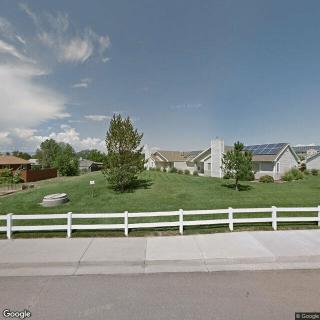
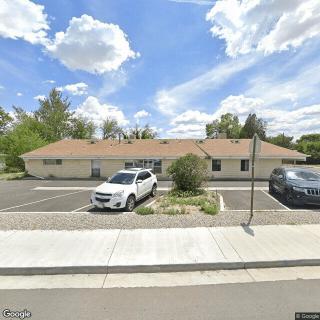
 The yards are going down, with few shrubs around the buildings.
- There is an ongoing ant problem that has persisted for years.
- Pest control efforts do not eliminate the ants; they return days after each visit.
- Management says there is a large colony they cannot get rid of and that the only option is to keep calling pest control.
- Neighbors share the same issue, and the problem has lasted for years.
Review
Nellie Bechtel Gardens in Grand Junction, CO is best suited for seniors who prioritize stability, straightforward day-to-day living, and a budget-conscious option over luxury amenities. The pattern that emerges from residents who have stayed for years is a floorplan of continuity: familiar routines, consistent staff presence, and a place that feels steady enough to count on day after day. For families seeking a predictable, low-frills environment where a loved one can settle into a comfortable, long-term residence without chasing big-time renovations or premium services, this community can be a reasonable match. The overall sense is one of “keep it simple and steady,” with enough routine to support residents who value consistency above all else.
Those most likely to want alternatives are families and seniors who cannot tolerate persistent nuisance problems or a lack of outdoor appeal. The top red flag in the available feedback is an ongoing ant problem that resurfaces despite multiple pest-control visits. The pest-management effort appears reactive rather than curative, with management explaining there is a large colony that cannot be eradicated and that the best next step is ongoing spraying. Outdoor spaces reflect a similar constraint: yards that are described as deteriorating and shrubs that are sparse. If outdoor enjoyment, predictable pest-free living, and well-maintained grounds are non-negotiable, other communities will likely deliver more consistently on those fronts.
On the plus side, the consistent resident tenure and a demonstrated willingness by management to address concerns, at least by coordinating pest-control visits, represent real, if imperfect, operational strengths. A property that retains residents over years suggests a certain level of familiarity, accessibility, and routine care that can be reassuring for families tracking a loved one’s daily life. In conversations with staff or long-term residents, these elements tend to surface as tangible benefits: dependable maintenance routines, predictable meal or activity schedules, and a community where neighbors know one another. While not flashy, these factors matter when real-world needs require steady, dependable support rather than high-touch luxuries.
Yet the main cons carry real weight. The ant problem is not a one-off inconvenience; it is described as a year-after-year pattern that persists even after repeated pest-control interventions. The management response, “there is a big colony we cannot eradicate”, reads as a structural limitation rather than a solvable nuisance. When exterior spaces are also described as declining, with little greenery or shrubs around the buildings, outdoor time and outdoor enjoyment quickly lose appeal. For seniors who value easy outdoor access for fresh air, light activity, or socializing outdoors, these conditions can erode daily quality of life and shift the balance away from what the community promises.
Weighing the pros against the cons, Nellie Bechtel Gardens can still fulfill a specific niche: a stable, affordable home with a predictable routine for residents who can tolerate ongoing issues with pests and landscaping. The key offset is the sense of continuity and the reasonable expectation of routine service. The key shortcoming is clear: without effective, lasting pest control and with diminishing outdoor spaces, the overall satisfaction ceiling drops. Families must decide whether a long-term residence with steady management beats the lure of more manicured grounds and more aggressive pest prevention elsewhere, recognizing that the latter may deliver a noticeably better outdoor environment and fewer ongoing nuisances.
The practical bottom line is this: Nellie Bechtel Gardens is worth a close look for budget-conscious seniors who place a premium on stability and steady staff availability, and who are willing to accept ongoing outdoor and pest-control challenges as part of daily life. For those who require a consistently pest-free living environment and well-kept landscaping to fully enjoy outdoor time, alternatives likely offer a more reliable match. Prospective residents should ask pointed questions about the current pest-control plan, the frequency of treatments, any anticipated landscaping improvements, and how management measures success. Visit during varied times of day to assess outdoor spaces and talk directly with current residents about how often issues are resolved to their satisfaction.
 Active Adult Communities (55+)
 Walker (2 miles away)
 Strong access to nearby healthcare and local amenities.

 In-Home Care Costs in 2025: A Detailed State-by-State Exploration
 Understanding Home Health Care: A Comprehensive Guide
 Home Health Care Demystified: A Comprehensive Guide for Families and Caregivers