
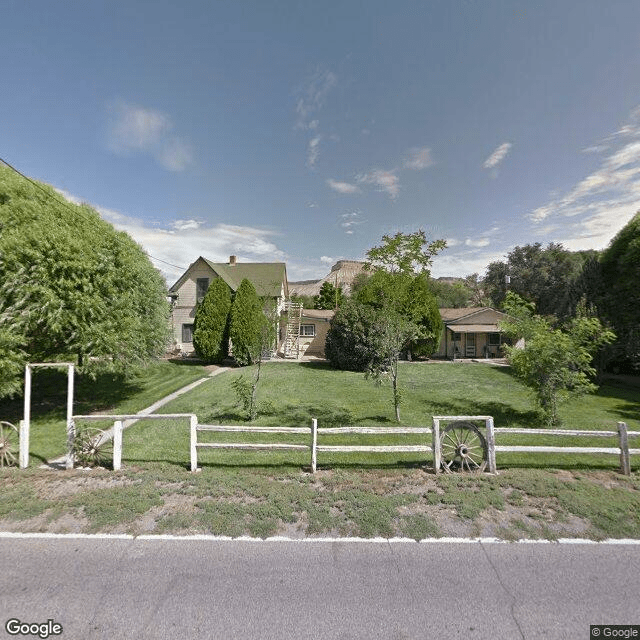
3450 F Rd 3452 F Rd, Clifton, CO 81520
To contact a resident: (970) 434-7062
For more information about senior living options: (866) 208-4318
Peach Tree Assisted Living #1 & 2 Costs & Pricing
Peach Tree Assisted Living #1 & 2 offers competitive pricing for assisted living accommodations, with both studio and semi-private rooms priced at $2,100 per month. This cost is significantly lower than the average monthly expenses in Mesa County, which are approximately $3,915 for studio rooms and $3,513 for semi-private options. Comparatively, the broader Colorado state averages reflect even higher rates of around $4,090 for studios and $4,009 for semi-private facilities. By choosing Peach Tree Assisted Living, residents can enjoy quality care in a welcoming environment while benefiting from substantial savings compared to other local and statewide options.
| Floor plans | Peach Tree Assisted Living #1 & 2 | Mesa County | Colorado |
|---|---|---|---|
| Studio | $2,100 | $3,915 | $4,088 |
| Semi-Private | $2,100 | $3,513 | $4,008 |
Assisted Living communities with a similar price nearby
-
from +$125 / mo
Bookcliff Manor Assisted Living
$2,225 / month5.6 miles away
Overall Review of Peach Tree Assisted Living #1 & 2
Pros
 Some staff care and allow more freedoms than most assisted living facilities.
- The owner is nice.
- The facility is a fairly safe place to go.
- There is usually something to eat in the middle of the night.
- There is no curfew, giving residents more freedom.
Cons
 The staff had no knowledge of his history and did not care to learn it.
- The director was clueless about a treatment plan.
- Instead of addressing problems, the facility threatened residents with discharge as the only option.
- They appeared to care more about income than what happened to his money after he was thrown out.
- Ron was forced by government agencies to return the brother's money that he was trying to steal.
- The staff struggled to keep the bathrooms clean.
- There was chronic encouragement of tobacco use.
Review
Peach Tree Assisted Living #1 & 2 in Clifton, Colorado is best suited for seniors who want a modest, semi-independent living environment with basic supervision and a predictable routine, and for families willing to trade high-touch clinical oversight for a lower-stress setting that still offers safety and readily available meals. It suits residents who are reasonably self-sufficient but appreciate occasional assistance and a sense of security within a small, contained community. The setup works best when expectations focus on personal safety, accessible meals, and a degree of daily-life flexibility, rather than on aggressive medical management or highly structured programming.
Those who may want to consider alternatives include families seeking rigorous clinical oversight, meticulous care planning, transparent financial handling, and consistently clean facilities. If a resident requires frequent monitoring, detailed treatment coordination, or a strictly professional staff environment, other communities with stronger clinical teams and verifiable accountability are likely to serve better. Also, if pristine housekeeping and a culture of proactive cleanliness are nonnegotiables, the facility’s reported gaps may push families toward peers with stronger reputations for reliability and oversight.
On the upside, there are glimmers of value. Some staff members demonstrate genuine care and allow greater freedoms than is common in many assisted living settings, contributing to a sense of autonomy rather than rigidity. The absence of a curfew, combined with a perception of safety in a small-town environment, can be meaningful for residents who want a calmer daily rhythm. Meals are described as plentiful, and the availability of late-night snacks reduces hunger and fosters a comfortable, homey atmosphere. The owner’s apparent warmth can translate into smoother day-to-day interactions when operations run well. These positives create a practical baseline for residents who prioritize livability and routine stability over premium clinical amenities.
Yet the downsides are material and recurring. Critiques center on staff awareness of residents’ histories and medical needs, with concerns that frontline caregivers do not have crucial context or sufficient training to respond effectively. The director’s handling of treatment plans is described as clueless, which signals inconsistent clinical coordination and problem-solving. A discharge threat approach to accountability, rather than ongoing oversight and support, raises red flags about the facility’s governance and resident protections. Financial concerns, including allegations of mismanagement, underscore the need for strict transparency and third-party oversight. Cleanliness issues, especially in bathrooms, directly affect comfort and dignity, while persistent tobacco encouragement undermines a health-focused environment. Taken together, these factors weight heavily against the sense of reliability.
The balance between pros and cons hinges on risk tolerance and the resident’s care needs. If independence, basic safety, and flexible dining arrangements matter most, Peach Tree can deliver a livable, low-stress home where residents feel relatively secure and less constrained. However, the gravity of care gaps, potential management challenges, and cleanliness deficiencies cannot be fully offset by warmth or a few added freedoms. In practical terms, the decision rests on whether the resident’s needs align with the facility’s current strengths and whether the family can actively monitor governance and quality of care.
For families evaluating Peach Tree, take decisive, concrete steps before committing. Schedule extended visits to observe direct staff–resident interactions, not just administrative tours. Inquire openly about how treatment plans are developed, who reviews them, and how changes are tracked. Request the most recent housekeeping schedules and room-cleaning standards, and verify how often bathrooms are serviced and by whom. Probe discharge policies and insist on transparent financial practices, including avenues for accountability and third-party oversight. Seek corroboration from current residents or families, and compare with nearby options in Clifton and the surrounding region to gauge whether a higher level of clinical rigor and cleanliness is available for a similar price. The bottom line is clear: Peach Tree can function as a snug, workable home under the right conditions, but alternatives deserve serious consideration when care continuity, governance, and hygiene are paramount.
 Assisted Living
 Activities off-site
 Indoor common areas
 Outdoor common areas
 Respite or short term stays offered
 Walker (6 miles away)
 Ambulatory care
 Diabetic care
 Meals provided
 Comprehensive Insights into Activities of Daily Living (ADLs) and Their Assessment
 Medicare Coverage for Assisted Living: An In-Depth Exploration
 Choosing the Right Senior Care: A Detailed Exploration of Assisted Living and Nursing Homes