Overall Review of Winslow Court Assisted & Senior Living
common9 reviews mention this
Activities keep residents engaged
Residents and families repeatedly describe lots of scheduled activities and social time.
Many reviews describe a steady flow of activities, from daily events to more structured options like music and resident-led opportunities. Families also mention seeing residents out in shared spaces and participating regularly rather than staying in their rooms. Some reviews also reference community gatherings happening during visits, which suggests activities are part of the day-to-day experience.
common10 reviews mention this
Dining is a frequent highlight
Residents and guests often praise the quality of meals and the dining experience.
Across multiple reviews, people describe the food as good or better than expected, with specific positive comments about meals served in the dining area. Several reviewers also mention enjoying dining with residents during visits, including special meals and desserts. The community also offers restaurant-style dining and includes meal preparation and service along with special diets in care services.
caveat5 reviews mention this
Pricing feels like a tradeoff
Pricing draws mixed feedback, with both value praise and concerns about fees.
Some families say the pricing is competitive or that they chose the community because it cost less while still providing the care they wanted. At the same time, other reviewers complain about being charged too much, including specific references to monthly charges and additional medication administration costs. Reviews also mention concerns about apartment condition relative to cost in at least one case, suggesting value depends heavily on individual experiences.
caveat7 reviews mention this
Care and response concerns surface
A subset of reviews raise serious concerns about medical care and incident handling.
Several lower-star reviews describe issues that relate to health support, including medication problems, delayed clinical attention, and treatment complaints. Others mention falls and injuries alongside concerns about reporting, response, or follow-through after incidents. While many reviews are positive about care, these negative accounts show that families and residents have had very different experiences when it comes to medical needs and safety follow-up.
How we summarize
Counts show how many written reviews mention each theme; a review can touch several themes, and only frequently mentioned themes are displayed.
Features
Housing
128 resident community capacity
Types of Care
Assisted Living
Independent Living
Memory Care
Amenities
Air-conditioning
Beauty salon
Cable or satellite TV
Cafe
Computer center
Dining room
Family overnight stay rooms
Fitness room
Fully furnished
Gaming room
Garden
Housekeeping services
Kitchenette
Move-in coordination
Outdoor patio
Outdoor space
Pet friendly
Private bathrooms
Restaurant-style dining
Small library
Spa
Swimming pool
Telephone
Wellness center
Wi-Fi/high-speed internet available
Transportation
City of Colorado Springs Muni (4 miles away)
Community operated transportation
Transportation arrangement
Transportation arrangement (non-medical)
Transportation to doctors appointments
Care Services
12-16 hour nursing
24-hour call system
24-hour supervision
Activities of daily living assistance
Assistance with bathing
Assistance with dressing
Assistance with transfers
Diabetes diet
Meal preparation and service
Medication management
Mental wellness program
Mild cognitive impairment
Special dietary restrictions
Specialized memory care programming
Dining
Diabetes diet
Special dietary restrictions
Activities
Community-sponsored activities
Concierge services
Fitness programs
Planned day trips
Resident-run activities
Scheduled daily activities
Nearby Places of Interest
Pharmacies
Native Roots Dispensary (0.4 miles)
Walgreens (1 miles)
Canna Meds Wellness Center (1 miles)
Walgreens (1.2 miles)
Indispensary (1.3 miles)
CVS Pharmacy (1.4 miles)
Walmart Pharmacy (1.7 miles)
Parks
Eastridge Dog Park (0.6 miles)
Palmer Park (1.1 miles)
Memorial Park (2.6 miles)
John "Prairie Dog" O'Byrne Park (3.4 miles)
Remington Park (3.6 miles)
Physicians
Expresscare Plus (0.7 miles)
U Pikes Peak Eye Care (1.3 miles)
Affiliates In Oral & Maxillofacial Surgery PC (1.7 miles)
Colorado Institute For Pain Management (1.8 miles)
Winslow Court Assisted & Senior Living offers a comprehensive range of features designed to support residents with dementia or Alzheimer's disease, ensuring their dignity and well-being. Assistance with dressing and bathing provides personalized care that respects individual preferences while promoting self-esteem. Medication management is crucial for maintaining health, preventing confusion, and adhering to prescribed treatments. Tailored meal preparation and service cater to dietary needs and preferences, which are often impacted by cognitive decline. Activities of daily living assistance helps maintain independence in routine tasks while identifying areas where additional support may be needed. With 24-hour supervision, residents receive constant monitoring in a safe environment, which is vital for those at risk of wandering or experiencing distress. The mental wellness program and specialized memory care programming focus on cognitive engagement through structured activities that stimulate memory function and social interaction, tailored specifically for individuals with mild cognitive impairment or advanced stages of dementia. Together, these features create a supportive community that addresses the unique challenges faced by residents while enhancing their quality of life.
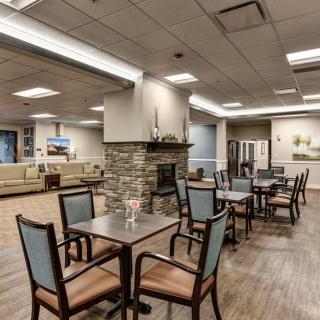
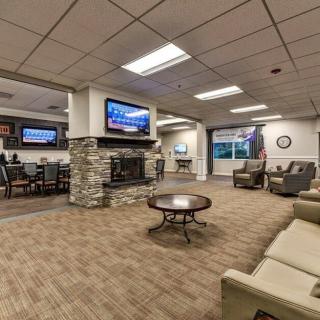
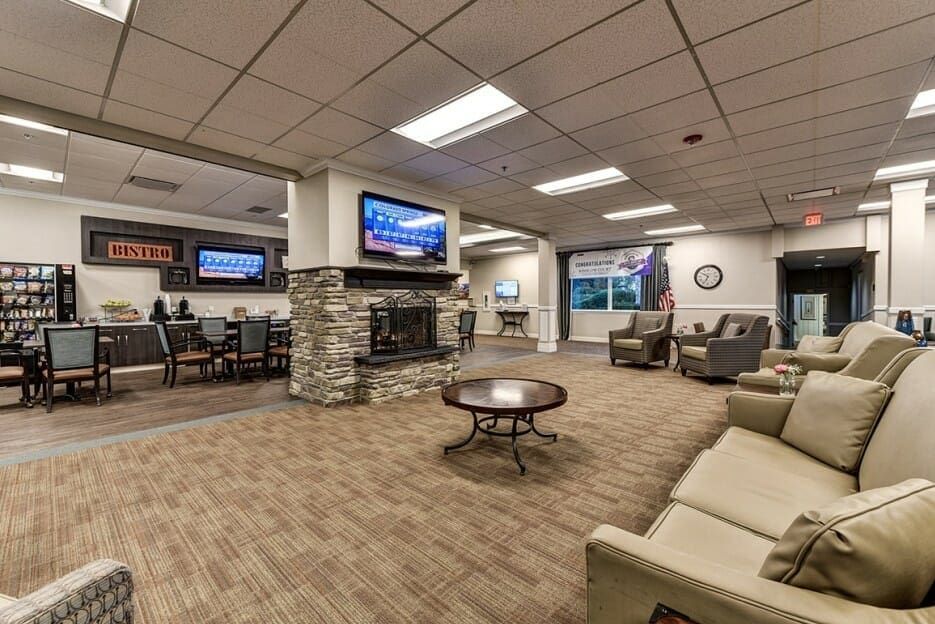
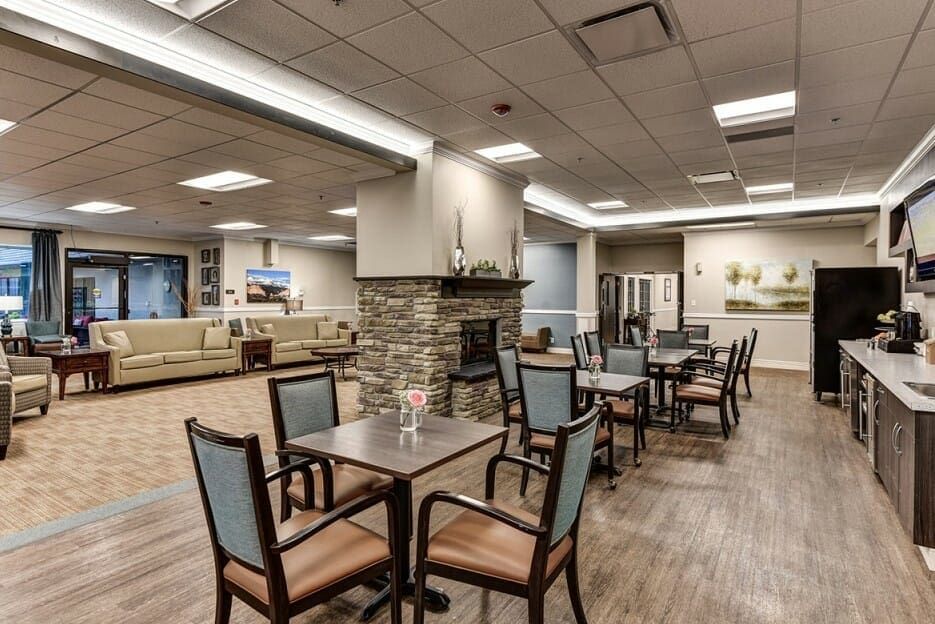
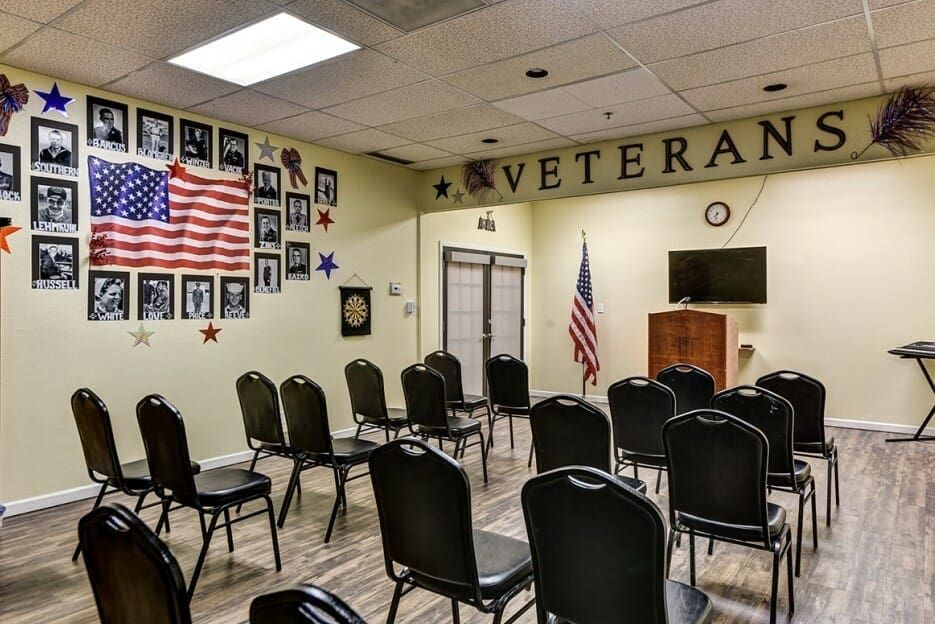
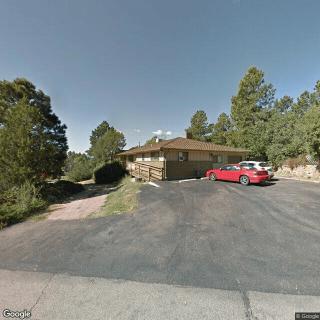
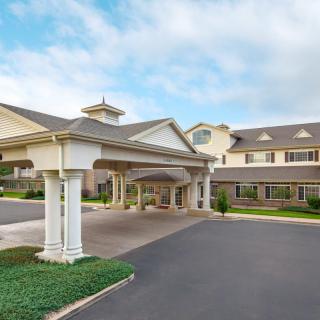
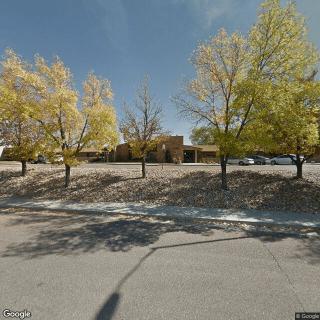
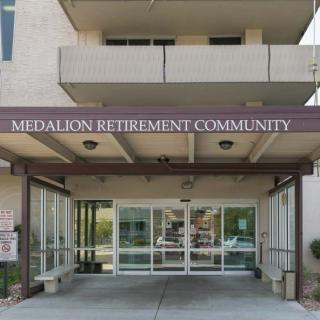
Winslow Court Assisted & Senior Living on seniors.fyi includes 4 photos including images showing fireplace, interior, lighting, lobby, waiting area, television, meeting room, flag, and more.
Nearby Communities
Winslow Court
Colorado Springs, CO
4.4 from 177 reviews
$2,575 to $4,075 / month
Clean facility with friendly staff, good meals, and engaging activities.
Colorado Springs Elderhaven
Colorado Springs, CO
2.5 from 100 reviews
Excellent location with nearby cafes, parks, pharmacies, restaurants, transportation, and hospitals.
Good Day Residential Home
Colorado Springs, CO
$2,200 / month
Affordable private-room memory care at $2,200/mo with close access to nearby amenities and medical services.
Kettle's Home
Colorado Springs, CO
2.8 from 6 reviews
$3,200 / month
Homey atmosphere with personalized care and affordable pricing.
Home Care At Kettles Assisted Living
Colorado Springs, CO
Intimate setting with 24/7 supervision and memory care options.
Life Quality Homes I Oakridge House
Colorado Springs, CO
3.4 from 13 reviews
$4,700 to $5,000 / month
Well-maintained, clean facility with attentive staff and engaging activities.
Inn at Garden Plaza
Colorado Springs, CO
4.8 from 117 reviews
$2,260 to $5,045 / month
Caring, professional staff; clean, well-lit facility; wide range of activities; high-quality meals; supportive move-in process.
Pikes Peak Care Center
Colorado Springs, CO
3.8 from 31 reviews
$6,009 to $6,339 / month
Active memory-care engagement and attentive staff in a welcoming environment.
Medallion Post Acute Rehabilitation
Colorado Springs, CO
3.7 from 95 reviews
Caring staff and engaging activities in a well-equipped, amenity-rich setting.
Sundown syndrome, or sundowning, is a phenomenon in dementia patients characterized by increased confusion and agitation during late afternoon and evening, influenced by factors like disrupted circadian rhythms and fatigue. Effective caregiver strategies include establishing routines and managing environmental light while addressing caregiver stress through support services.
Delirium is a rapidly onset, reversible cognitive disturbance often caused by acute medical issues, while dementia is a gradual and irreversible decline due to chronic neurodegenerative diseases. Accurate differentiation between the two is essential for appropriate treatment and management in older adults.
Dementia, including Alzheimer’s disease, is often mischaracterized in terms of lethality as it leads to complications that can be fatal rather than being a direct cause of death; it causes a progressive decline in cognitive and physical health, making patients vulnerable to infections and other health crises. Effective management of nutrition, hydration, and communication is crucial in patient care, with palliative care becoming vital in advanced stages to enhance comfort and quality of life while caregivers play a key role amidst the challenges posed by the disease.
Get PricingAsk A QuestionSchedule A TourContact Senior Advisor
By clicking submit, you agree to our Partner's Terms of Use. You
also consent to receive calls and texts, which may be autodialed, from our Partner. Your consent is not a condition to
using our Partner's service. Please visit our Partner's Privacy Policy for information about their privacy practices.


 128 resident community capacity
 Assisted Living
 Independent Living
 Memory Care
 Air-conditioning
 Beauty salon
 Cable or satellite TV
 Cafe
Cafe Computer center
 Dining room
 Family overnight stay rooms
 Fitness room
 Fully furnished
 Gaming room
 Garden
 Housekeeping services
 Kitchenette
 Move-in coordination
 Outdoor patio
 Outdoor space
 Pet friendly
 Private bathrooms
 Restaurant-style dining
 Small library
 Spa
Spa Swimming pool
 Telephone
 Wi-Fi/high-speed internet available
 City of Colorado Springs Muni (4 miles away)
 Community operated transportation
 12-16 hour nursing
 24-hour call system
 Activities of daily living assistance
 Assistance with bathing
 Assistance with dressing
 Assistance with transfers
 Diabetes diet
 Medication management
 Mental wellness program
 Special dietary restrictions
 Concierge services
 Planned day trips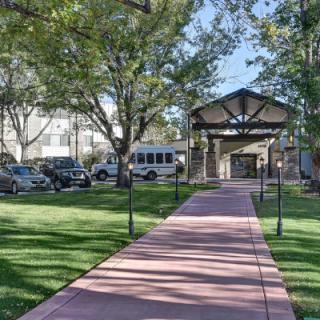
 Clean facility with friendly staff, good meals, and engaging activities.

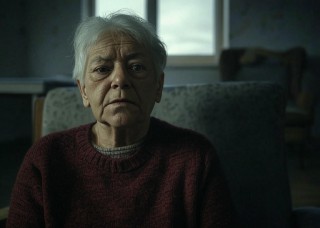 Comprehending Evening Confusion in Dementia: Causes, Manifestations, and Support
 Delirium and Dementia: Unraveling the Key Differences
 Are Dementia and Alzheimer's Disease Lethal? A Comprehensive Exploration