
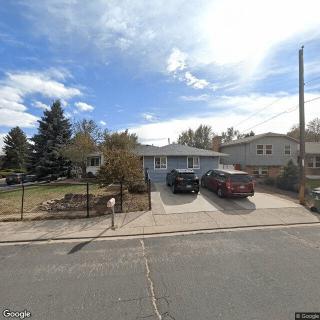
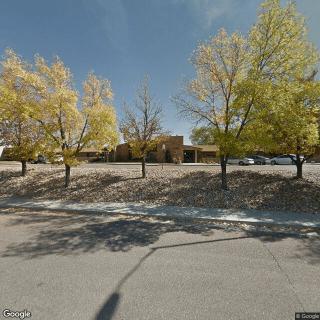
1929 Meyers Ave, Colorado Springs, CO 80918
To contact a resident: (719) 535-0476
For more information about senior living options: (866) 208-4318
Kettle's Home Costs & Pricing
Kettle's Home offers competitive pricing for its private rooms at $3,200 per month, positioning itself as an attractive option compared to both El Paso County, where the average cost is $3,946, and the broader state of Colorado, with rates reaching as high as $4,142. This thoughtful pricing strategy not only underscores Kettle's commitment to affordability but also ensures that residents receive quality care in a comfortable environment without straining their finances. By choosing Kettle's Home, individuals can enjoy substantial savings while still benefiting from the supportive services and community atmosphere that enhance their living experience.
| Floor plans | Kettle's Home | El Paso County | Colorado |
|---|---|---|---|
| Private | $3,200 | $3,946 | $4,142 |
Senior living communities with a similar price nearby
-
from -$500 / mo

St. Padre Pio Assisted Living
$2,700 to $5,000 / month0.6 miles away -
from +$225 / mo

Revel Province
$3,425 to $4,400 / month3.1 miles away -
from +$200 / mo

Jackson Creek Senior Living
$3,400 to $4,175 / month15.3 miles away -
from -$105 / mo

Melody Living of Colorado Springs Independent Living
$3,095 to $4,645 / month11.1 miles away -
from +$415 / mo

Brookdale Monument Valley Park
$3,615 to $5,553 / month3.3 miles away
Overall Review of Kettle's Home
Pros
 She is thriving in a GREAT facility.
- The Kettles nurse is very thorough, knowledgeable, and caring.
- The care at Kettles is very reasonably priced.
- The owner of Kettles took care of the family, ensuring a smooth move for her dad with no hassles.
- The personalized service caters to what the resident needs and wants.
- The staff assess residents’ likes and incorporate them, such as bringing in the newspaper or encouraging sharing DVDs.
- The overall experience brings peace to the resident and to her family.
Cons
 They do not recommend the facility.
- They let a resident escape in the dark and did not know she was gone until the police brought her home.
- They mismanaged her medications, causing increasing agitation.
- They had poor communication with the family about her care.
- The bruises looked suspicious, and staff claimed they were from running into a door jam.
- The staff asked to borrow money and acted as references for vehicle loans, which was completely inappropriate.
- A staff member did not realize she had left the facility.
- She arrived with a thumbprint bruise and a skin tear, attributed to running into a door frame.
- An employee screamed and swore at a resident.
- They charged a $3000 admitting fee that was not disclosed prior to signing.
Review
Kettle’s Home in Colorado Springs is best suited for families seeking a truly intimate, home-like setting where ownership and a nurse stay tightly engaged with residents. It works well for seniors who want to be treated as individuals and who value highly personalized routines, activities, and day-to-day care over corporate efficiency. The model also appeals to families watching costs closely and who appreciate the possibility of Medicaid participation. Those who need a high-security environment, highly standardized memory-care protocols, or rigid medication-management systems should look elsewhere. Prospective residents should enter with clear expectations about safety oversight and the level of structure available beyond a single-house operation.
On the positive side, the atmosphere at Kettle’s is described as very homey and resident-centered. Families praise a care approach that feels personalized rather than routinized, with staff who know each resident’s preferences and adapt activities accordingly. A nurse is noted as thorough, knowledgeable, and attentive to individual interests, which can translate into calmer days and better mood for residents. The owner’s direct involvement in guiding moves and maintaining open communication with families stands out as a distinctive strength, making transitions smoother and reassuring for newcomers. Cost is repeatedly cited as reasonable given the level of attention and the Medicaid-participation option, which matters for families balancing care quality and affordability.
The flip side centers on safety lapses and governance concerns. Several reviews recount episodes where a resident eloped or wandered, followed by delays in recognizing the departure and involvement of law enforcement. Bruises or injuries have been attributed to door-related accidents, with questions raised about how they are investigated or explained. Reports of mismanaged medications, inconsistent communication with families, and inappropriate requests for money from staff cast doubt on day-to-day oversight. The admission of a substantial $3,000 fee with little prior disclosure adds a financial risk and a transparency issue that many families will find off-putting. Taken together, the safety and governance gaps significantly temper the otherwise warm, personalized portrait.
Do the positives offset the negatives? For some families, the answer is yes, particularly those who prioritize a warm, small-community vibe where staff genuinely invests in each resident’s happiness and routines. The combination of a caring nurse, hands-on owner, and a explicitly resident-focused culture can reduce stress for families and make a loved one feel understood and valued. However, the severity of safety concerns and ongoing communication gaps cannot be easily overlooked, and they can erode trust quickly. The intimate size that enables personal attention also constrains rapid response in emergencies, which matters when memory care needs or wandering risk escalate. In short, the good parts can be substantial, but they require careful verification and solid safeguards.
Who should seriously consider alternatives? Families prioritizing predictable safety, robust incident reporting, and formalized memory-care protocols should look elsewhere. If a resident requires consistent, high-level medication management or 24/7 supervision, a larger, more regulated community with dedicated memory-care units may be a better fit. Transparent pricing with upfront disclosures and fewer ambiguous charges would guide decision-making, as would options with clearer governance structures and stronger oversight. For residents with complex needs, frequent wandering risk, or a history of injuries, it is prudent to pursue communities that offer more structured oversight and documented policies.
If choosing to explore Kettle’s, approach the process with a plan and questions that test the most critical risks. Schedule an in-person tour and request current incident logs, a clear med-pass process, and exact staff-to-resident ratios. Inquire about wandering safeguards, emergency procedures, and what is included in the monthly rate versus add-on services. Seek current family references, and verify licensure and any prior regulatory notes. Demand a written contract that spells out the admission fee and what it covers. Most importantly, assess whether the owner and nursing staff can sustain hands-on involvement without sacrificing consistent, reliable operations. For families attracted to warmth, personalization, and cost-conscious care, Kettle’s Home can be a meaningful fit, so long as safety and governance are addressed with scrutiny and clarity.
 Board and Care Home
 Activities on-site
 Beautician on-site
 Indoor common areas
 Outdoor common areas
 Private
 Respite or short term stays offered
 City of Colorado Springs Muni (5 miles away)
 Ambulatory care
 Diabetic care
 High acuity care
 Incontinence care
 Medication management
 Meals provided



 Comprehensive Approaches for Arthritis: A Detailed Guide to Symptoms, Causes, and Care
 Comprehensive Insights and Practical Strategies to Help Older Adults Avoid Falls
 6 Crucial Ways an Elder Law Attorney Assists Families