
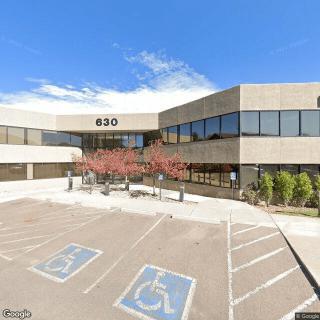
2525 S State Highway 115, Colorado Springs, CO 80906
To contact a resident: (719) 540-3100
For more information about senior living options: (866) 208-4318
Myron Stratton Home-Res Care Costs & Pricing
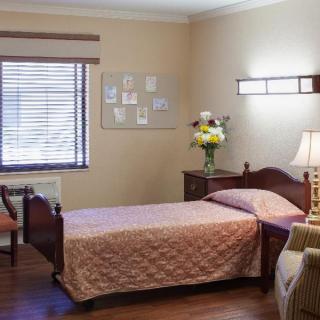
Myron Stratton Home-Res Care offers competitive pricing for its private room accommodations, charging $2,000 per month. This cost is significantly lower than the average monthly rates in Teller County, which stand at $4,465, and even more so when compared to the statewide average of $4,142 across Colorado. This makes Myron Stratton Home-Res Care an attractive option for individuals seeking quality residential care without the financial burden typically associated with such services in the region. The facility provides essential care while maintaining affordability, ensuring residents receive both comfort and value.
| Floor plans | Myron Stratton Home-Res Care | Teller County | Colorado |
|---|---|---|---|
| Private | $2,000 | $4,465 | $4,142 |
Assisted Living communities with a similar price nearby
-
from +$200 / mo

Appletree Assisted Living
$2,200 / month6.2 miles away
Overall Review of Myron Stratton Home-Res Care
Pros
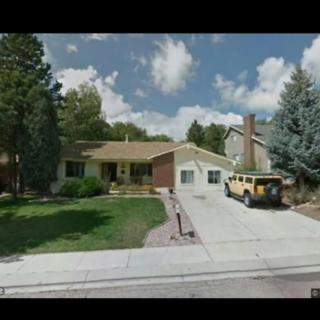
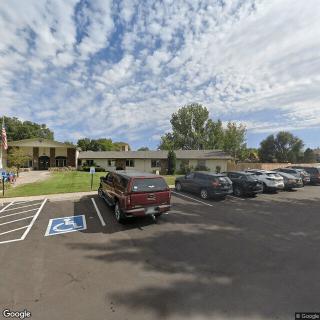
 The grounds are beautiful, with old trees, wildlife, and privacy.
- The staff provide A+ five-star service and take pride in their work.
- The area is beautiful and offers quality senior living.
- The place is amazing.
- The staff at Winfield House take great care of residents.
Cons
 The reviewer claims the waiting list ranking was manipulated by the manager, who planned to advance others who had been on the list longer.
- They question how they could reach number 5 on the list while others had waited six years.
- The reviewer says the manager lied about the person they are with and is trying to blacklist them.
- Margaret wouldn’t explain and cut them off.
- There is a warning to beware of Margaret if applying at Straton Myron.
- The reviewer describes discrimination against non-traditional couples as illegal.
- They claim the staff only wanted their money and would not serve them otherwise.
Review
This community is best suited for seniors who prize a serene, park-like setting, privacy, and a mission-driven environment where staff are expected to deliver attentive care over time. It appeals to residents who can endure a patient admission process and who want to be part of a nonprofit backdrop that emphasizes stability and service. The grounds alone set a high bar: mature trees, quiet spaces, and a sense of secluded living within a peaceful Colorado Springs context. For couples or individuals who place a premium on atmosphere, safety, and a conscientious caregiving culture, this option stands out as a compelling choice.
On the positive side, the landscape and campus feel are repeatedly praised, with reviewers noting beautiful grounds, wildlife, and a strong sense of privacy. The setting contributes to a tranquil daily rhythm, reinforcing well-being and a dignified pace of life. Several impressions point to a staff culture that takes pride in the work and strives for quality service, with mentions of attentive caregiving and a calm, orderly ambiance. The nonprofit framework also tends to align with expectations of long-term stewardship and steady, person-centered care, which can translate into consistent routines and familiarity for residents.
Yet the most consequential drawbacks center on admissions and administrative traction. The waiting list process, described as opaque and frustrating, creates real uncertainty for families planning transitions. Specific complaints focus on a manager named Margaret, with claims of misrepresenting wait times, shifting positions on the list, and limited willingness to explain decisions. A separate note highlights a discriminatory barrier regarding nontraditional partnerships, suggesting policy ambiguity or inconsistent enforcement. Collectively, these factors erode trust in the management layer and raise questions about transparency, fairness, and the reliability of follow-through.
These pros and cons interact in a practical, risk-aware way. For those who can align with the campus’s serene rhythms and are prepared to navigate a less predictable admissions path, the advantages, quality staff, attentive care when located, and a tranquil living environment, can deliver a high quality of life that offsets the friction of the process. The footprint of care, when it lands, may be meaningful enough to justify the time spent on the waitlist and the occasional administrative friction. In other words, the environment can compensate for some headaches if long-term value and stable, respectful caregiving are the primary objectives.
Alternatives warrant consideration for specific needs. If prompt admission, predictable timelines, and consistently inclusive policies are paramount, exploring other communities with clearer enrollment practices and equitable treatment of couples may be prudent. Prospective residents should compare not only monthly costs but also the responsiveness of management, the transparency of the admission process, and the visible track record of resident satisfaction. A visit with current residents and a candid discussion with staff about waitlists, policy enforcement, and dispute resolution will reveal which path best serves practical priorities and peace of mind.
The bottom line is decisive. The Myron Stratton Home-Res Care campus offers a compelling blend of beauty, privacy, and a dedicated caregiving culture that can yield a high-quality senior living experience for the right person or couple, someone who accepts a patient admission timeline and values nonprofit stewardship. However, the notable administration concerns and discrimination worries demand careful due diligence. Prospective residents should verify current leadership, seek recent resident experiences, and demand clear answers about waitlist dynamics and fair treatment. If transparency and speed of entry are non-negotiables, it may be wise to weigh alternatives; if the heart pursues a dignified, serene setting with solid caregiving, this community remains a strong contender, but only with eyes wide open to the administrative realities underway.
 Assisted Living
 Independent Living
 Activities on-site
 Devotional services off-site
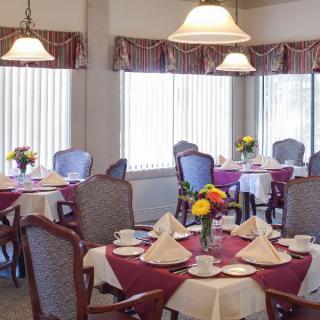
 Indoor common areas
 City of Colorado Springs Muni (6 miles away)
 Ambulatory care
 Diabetic care
 Meals provided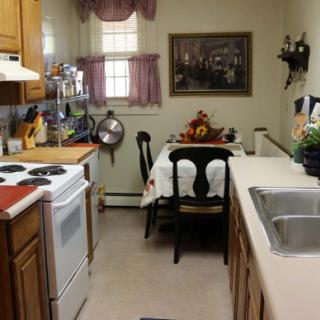



 When to Transition from Assisted Living to Memory Care: Key Indicators, Steps, and Finding the Right Community
 Assisted Living and Memory Care: Understanding Their Core Differences
 Beyond the Bingo Hall: 50+ Enriching Activities for Seniors in Assisted Living