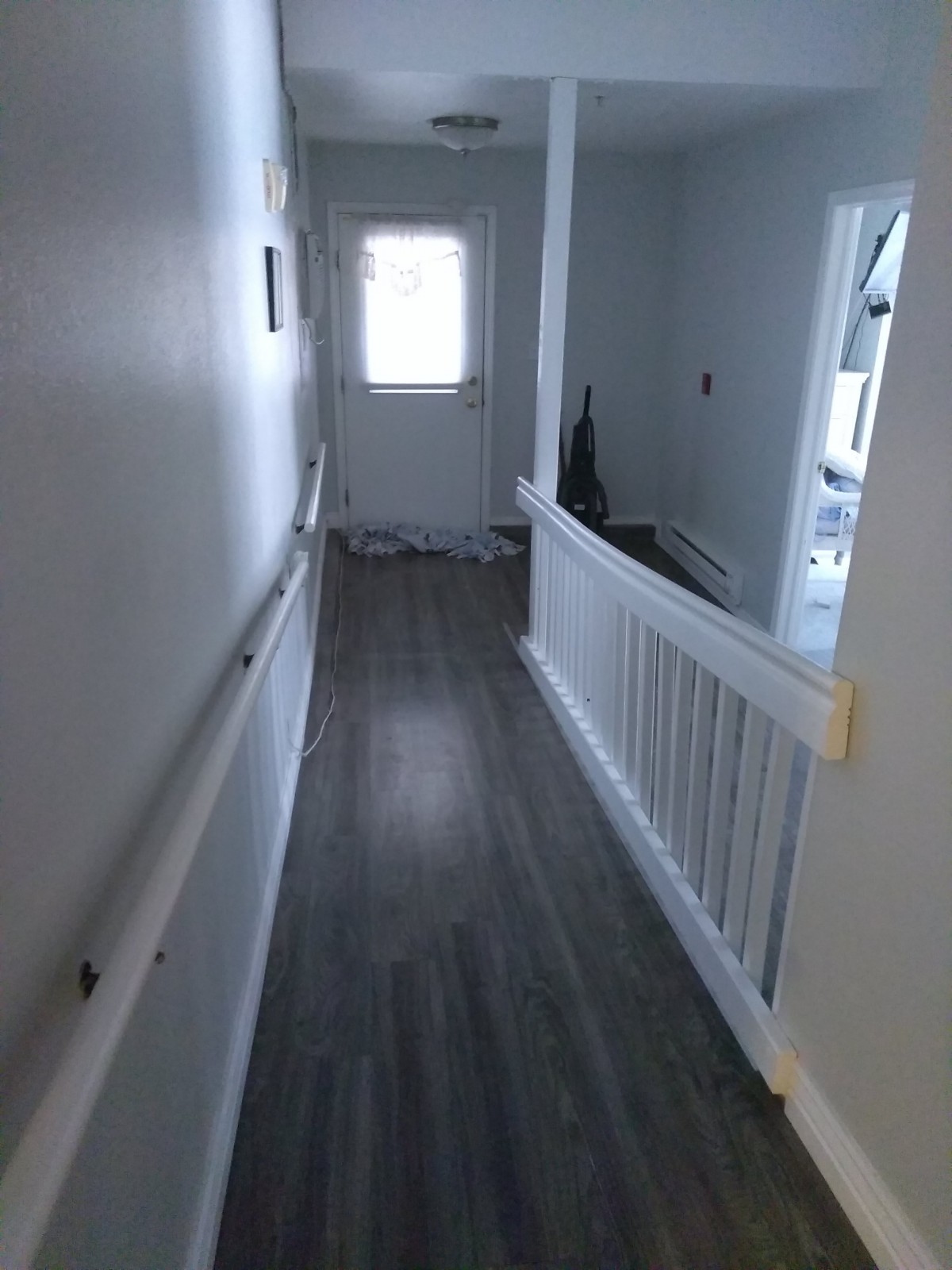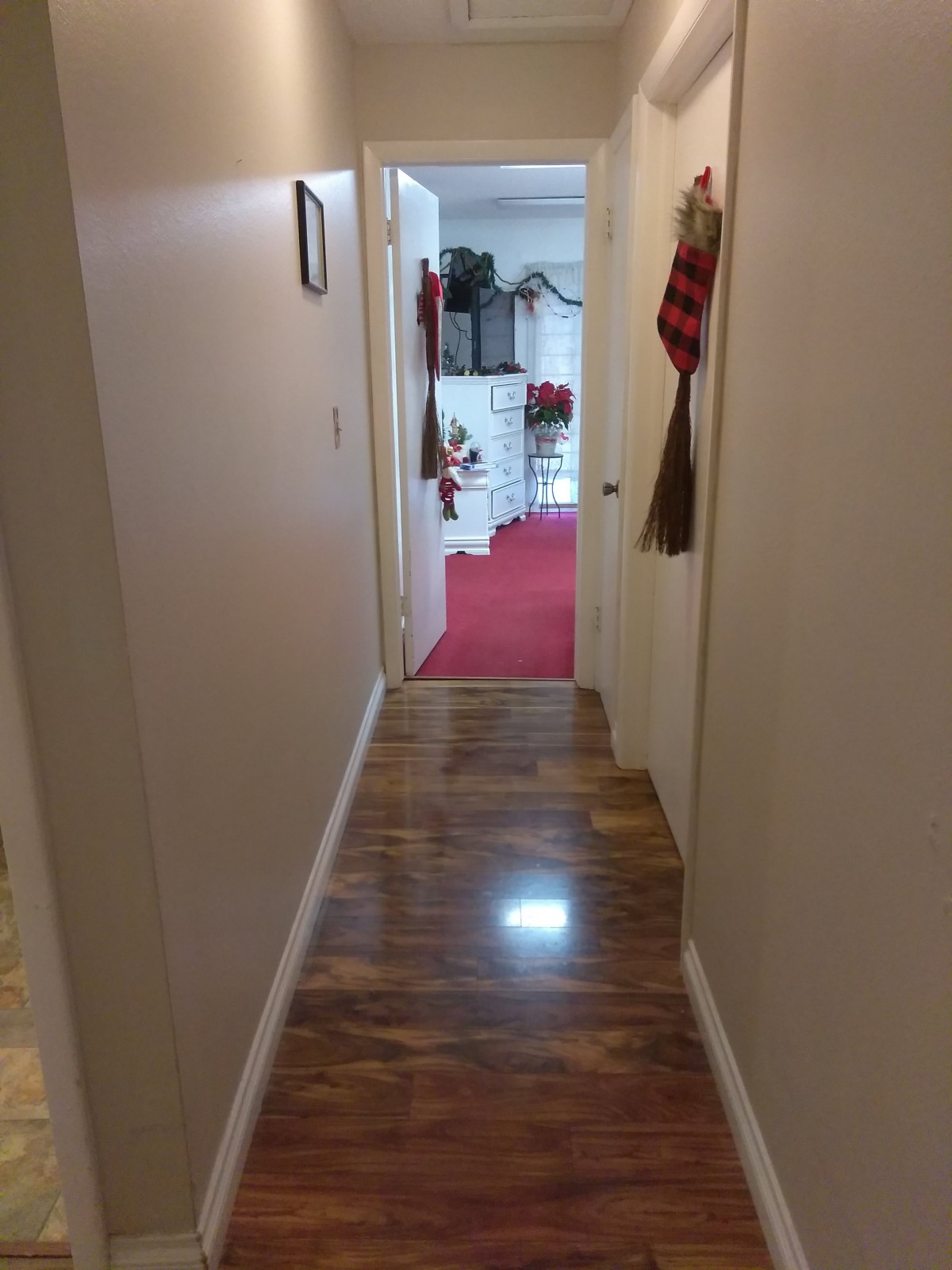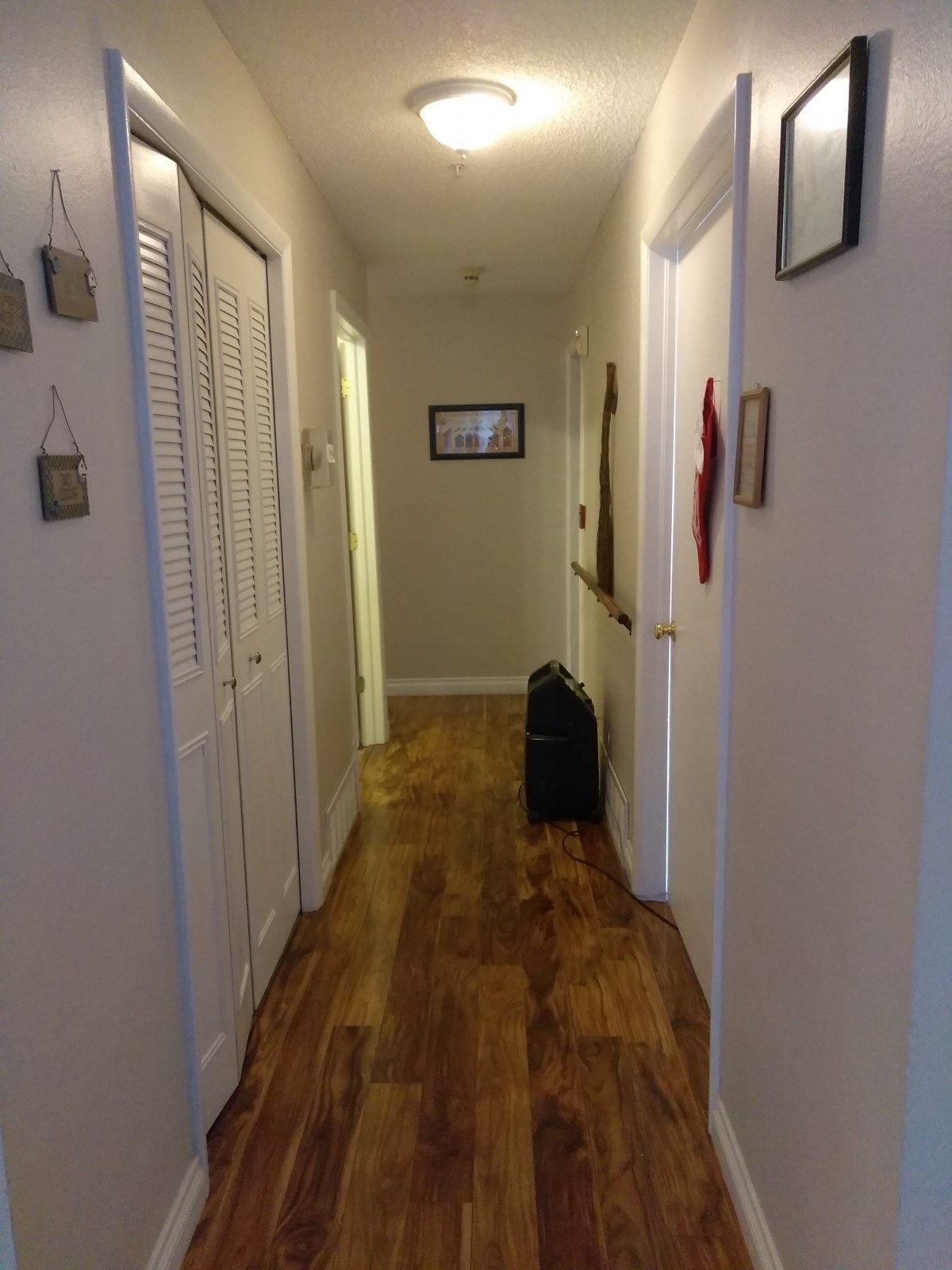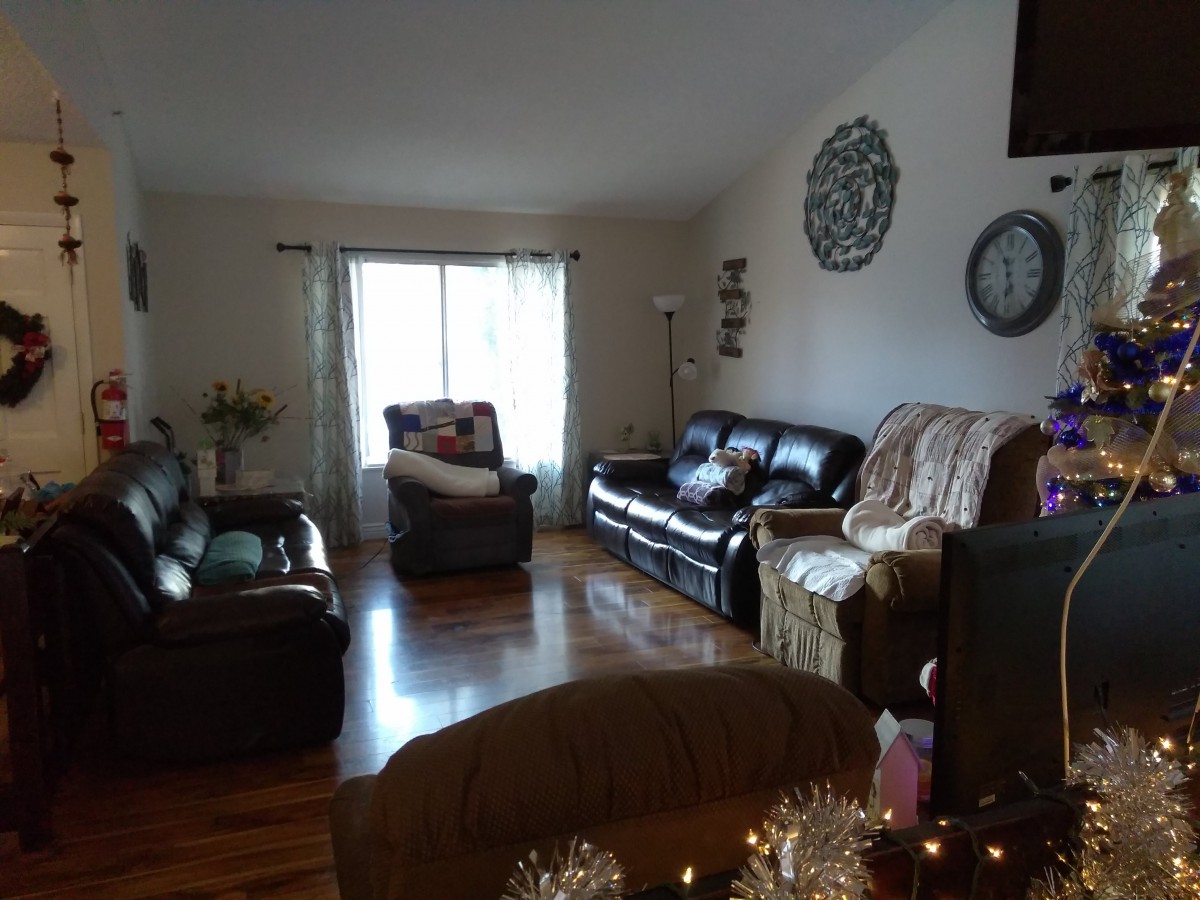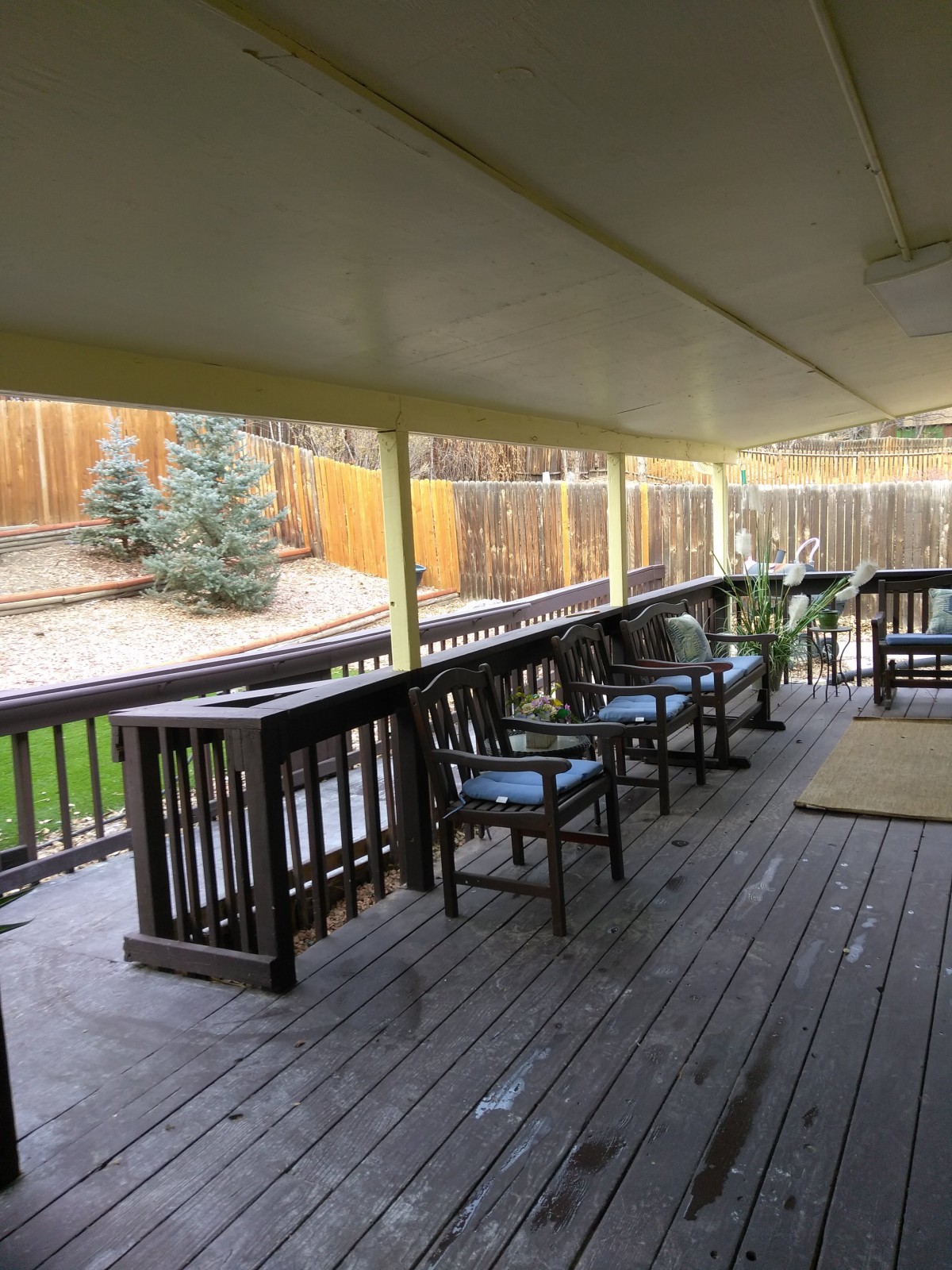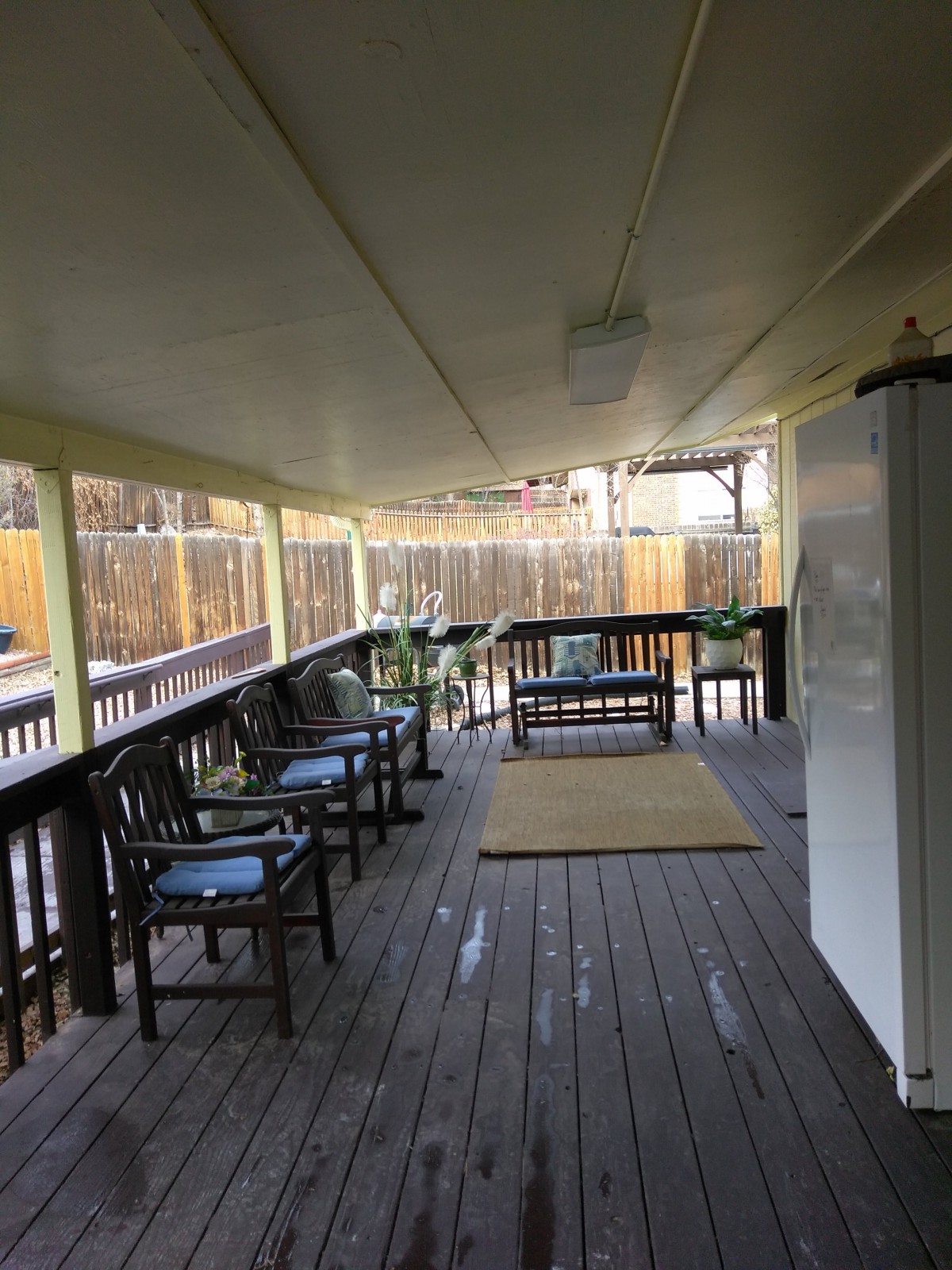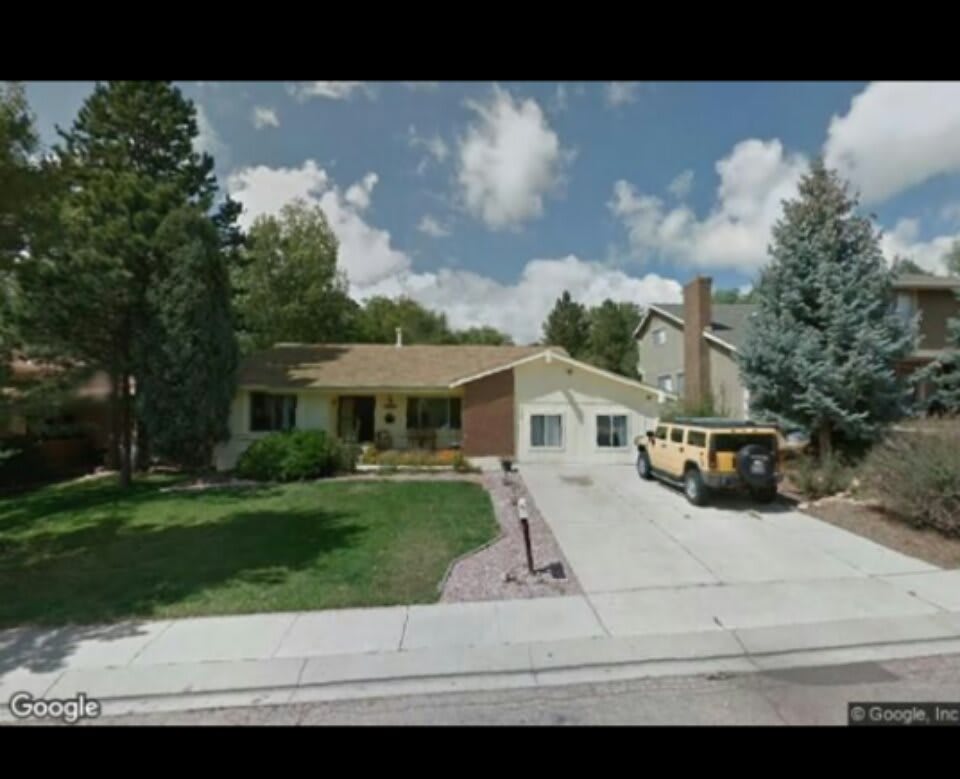
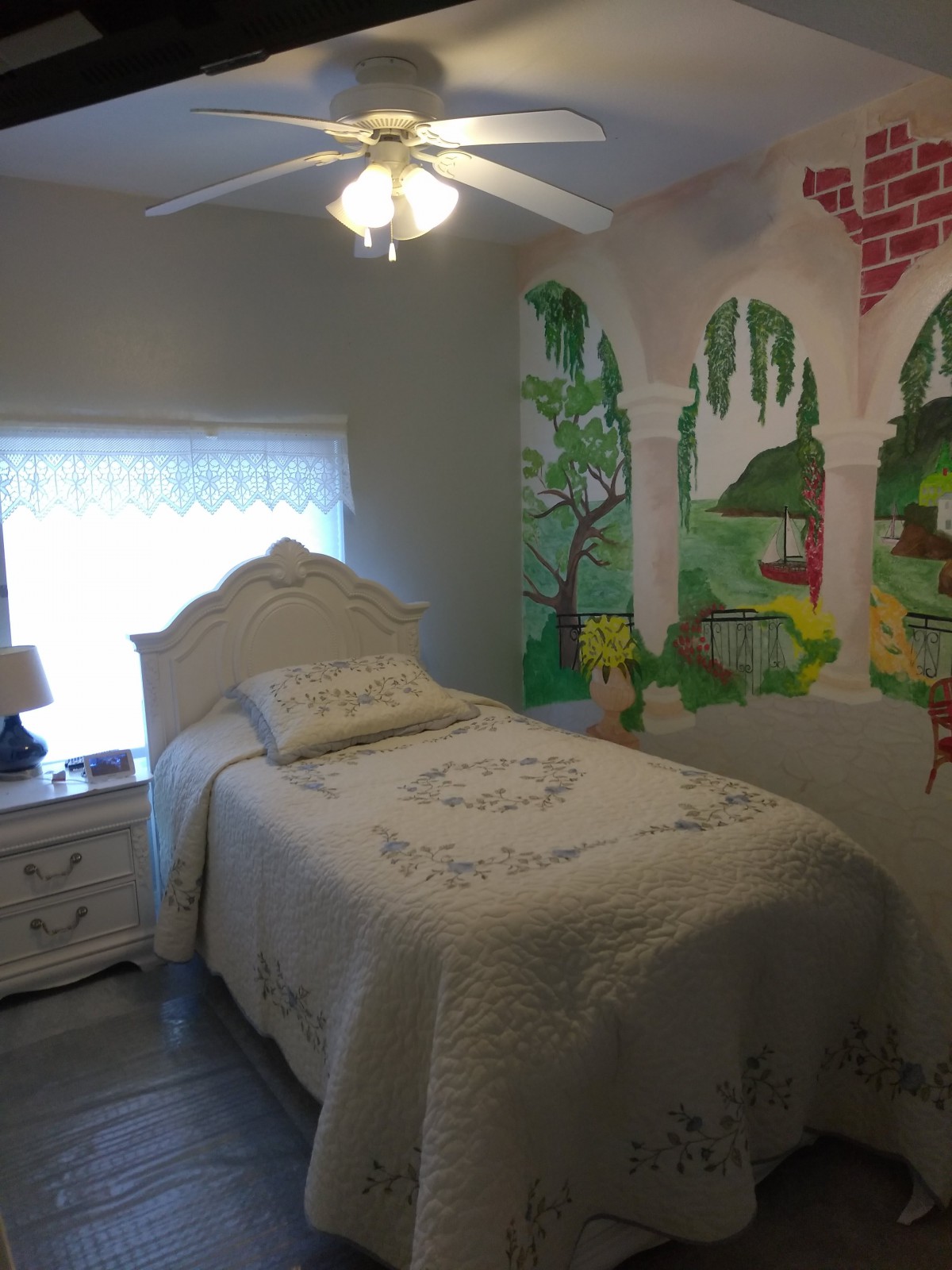
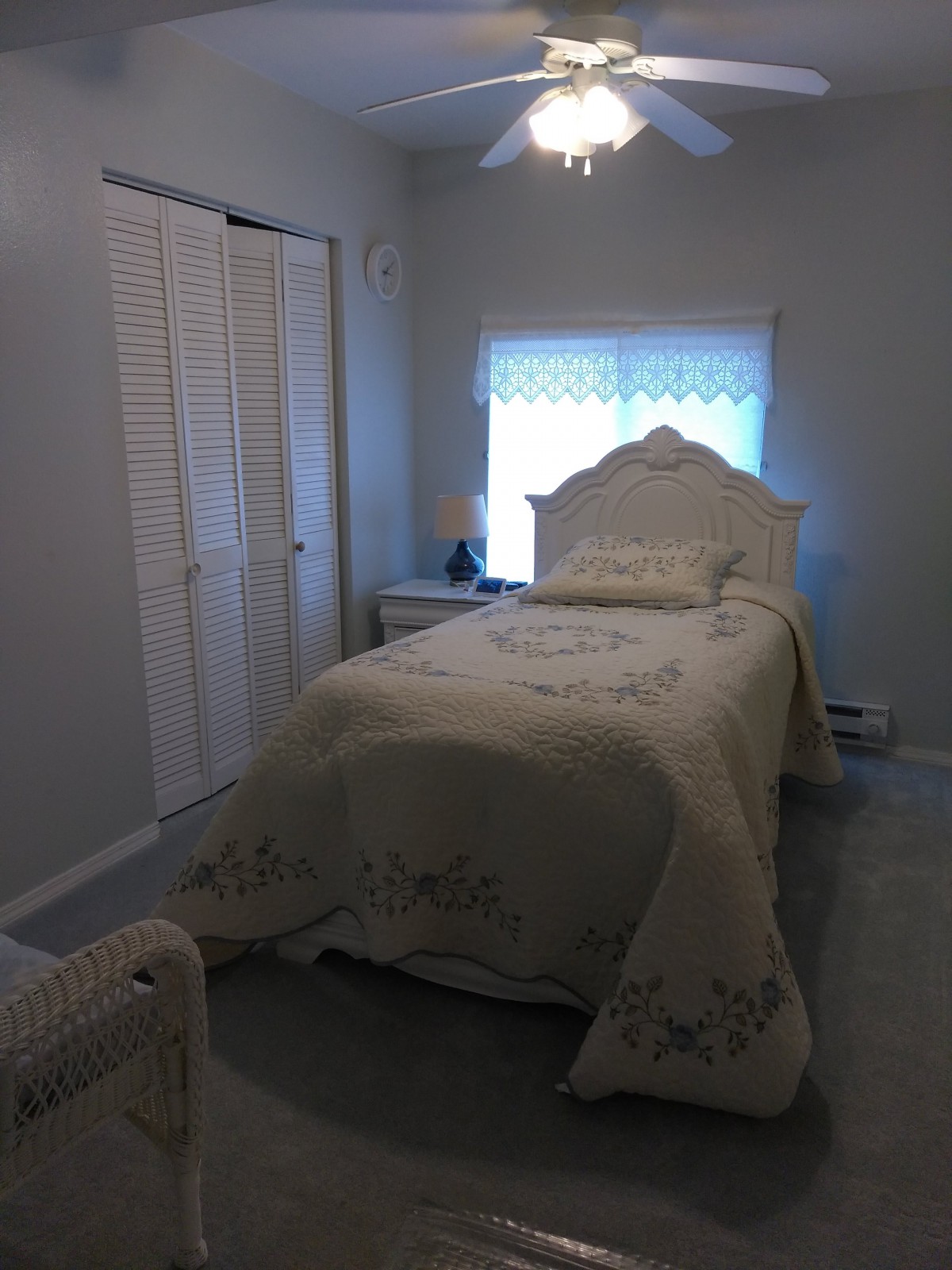
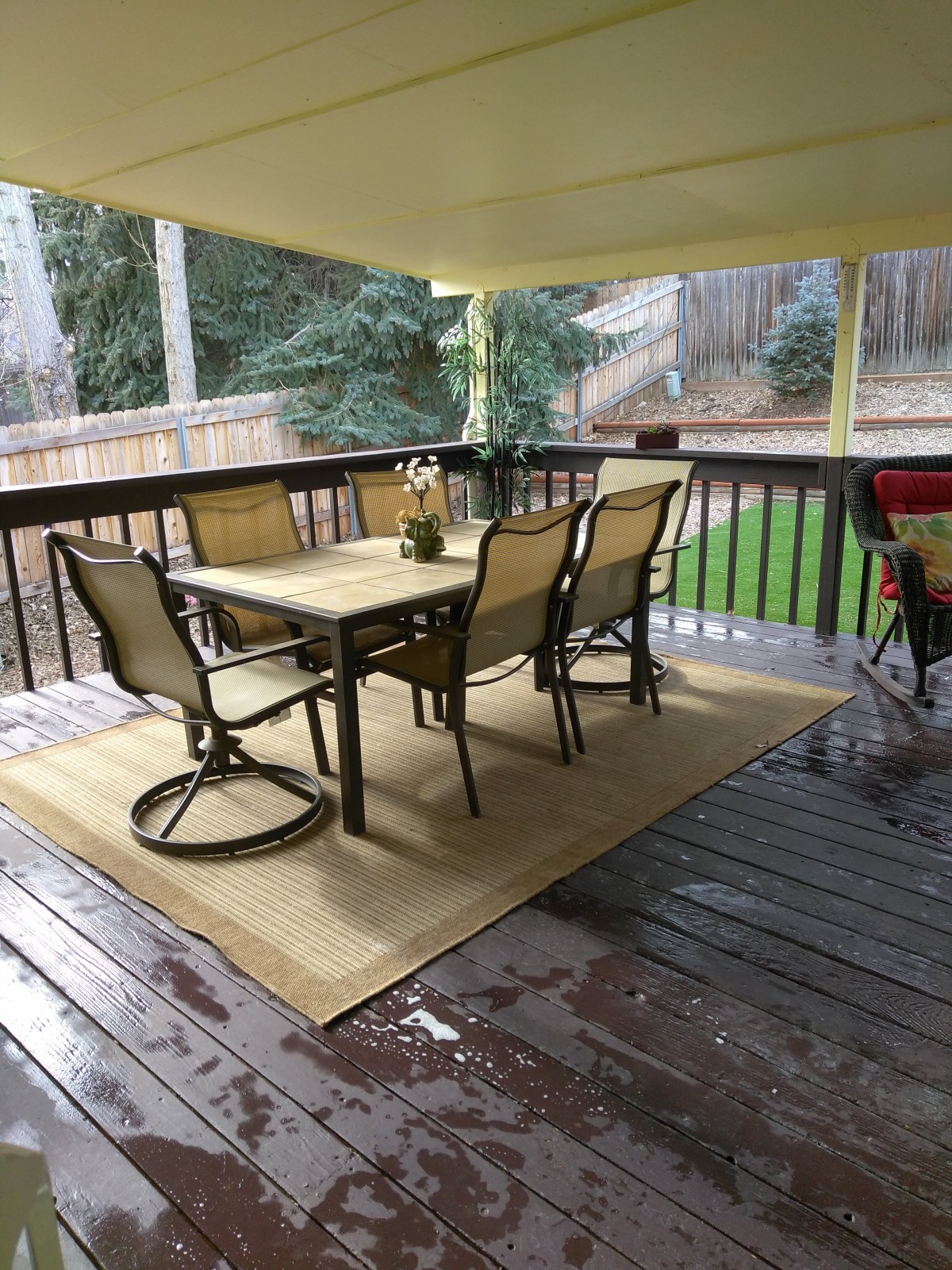
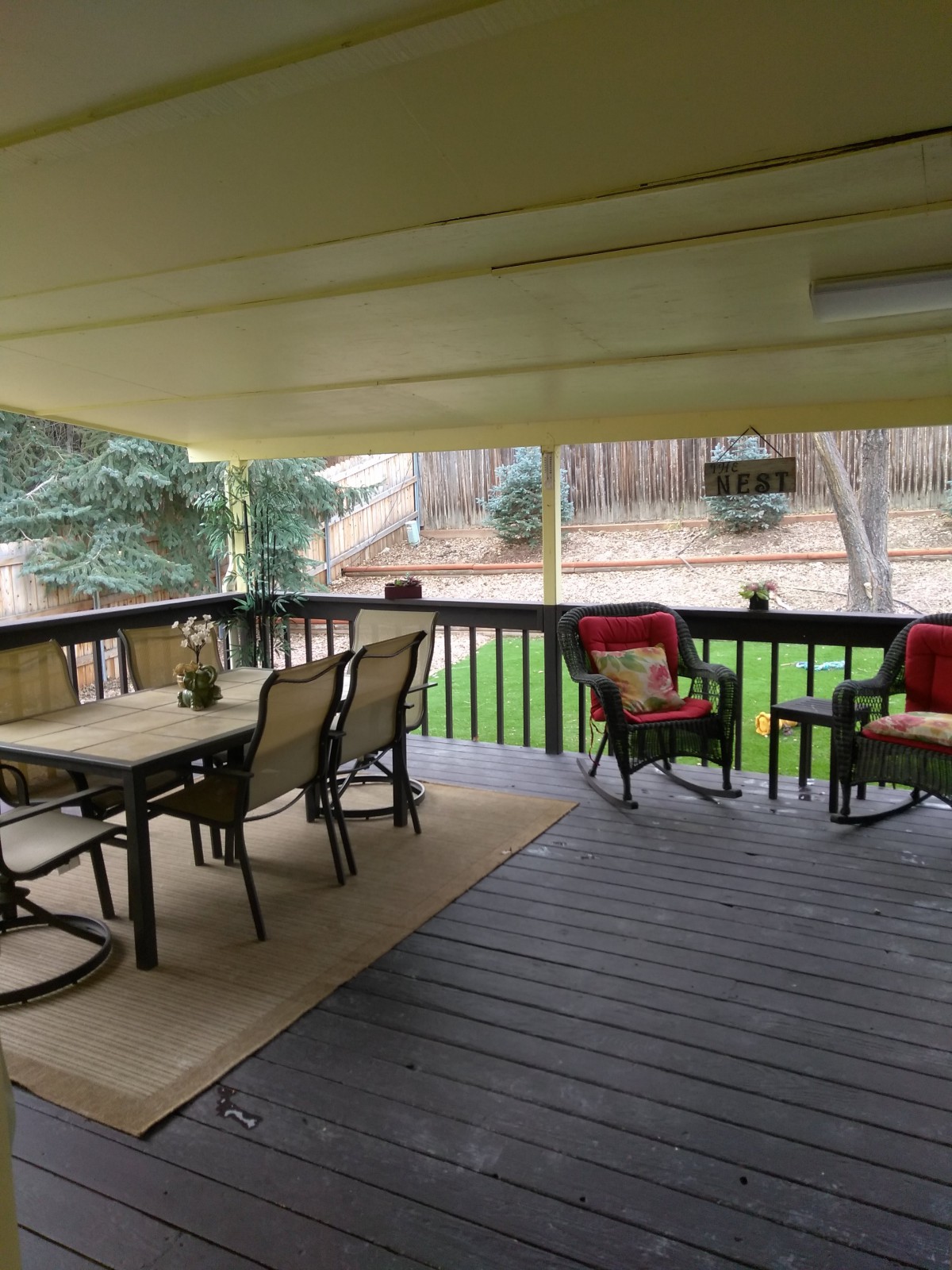



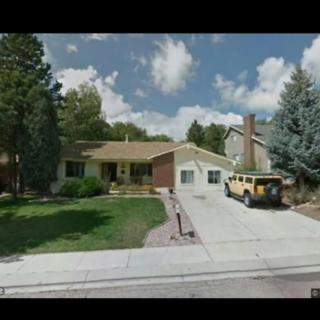

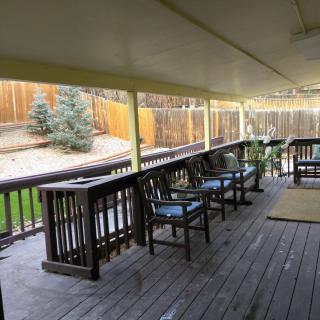
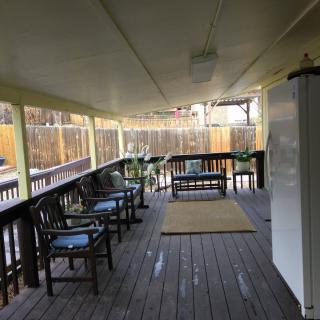


3182 East Oak Creek Drive, Colorado Springs, CO 80906
For more information about senior living options: (866) 208-4318
A Robin's Nest Costs & Pricing
A Robin's Nest offers competitive monthly rates for both semi-private and private accommodations, reflecting the unique blend of comfort and care within Teller County and the broader landscape of Colorado. With a monthly cost of $5,000 for semi-private rooms, A Robin's Nest is slightly above the county average of $4,481 and the state average of $4,009. For those seeking more privacy, the private room rate of $6,500 stands out compared to Teller County's average of $4,465 and Colorado's general rate of $4,142. While A Robin's Nest may be priced higher than some local options, it likely reflects enhanced services or amenities that prioritize resident well-being in a nurturing environment.
| Floor plans | A Robin's Nest | Teller County | Colorado |
|---|---|---|---|
| Semi-Private | $5,000 | $4,481 | $4,008 |
| Private | $6,500 | $4,465 | $4,142 |
Memory care communities with a similar price nearby
-
from +$500 / mo

Freedom Home Assisted Living
$5,500 to $6,500 / month13.4 miles away -
from -$365 / mo

MacKenzie Place Colorado Springs
$4,635 to $6,095 / month6.0 miles away -
About the same

MorningStar Assisted Living & Memory Care at Mountain Shadows
$4,900 to $6,575 / month9.0 miles away -
from -$905 / mo

The Retreat at Sunny Vista
$4,095 to $7,570 / month4.4 miles away -
About the same

Sunrise at University Park
$4,980 to $6,390 / month8.7 miles away
Overall Review of A Robin's Nest
Pros
 It is the best place ever.
- It is very loving, caring, and has a home-like setting.
- The food is amazing.
Cons
 They allowed a loved one to slowly die.
- They promised things that never came to fruition.
- There were no activities and residents were often alone.
- The reviewer has nightmares.
- They require a full month’s payment in advance and a $500 deposit.
Review
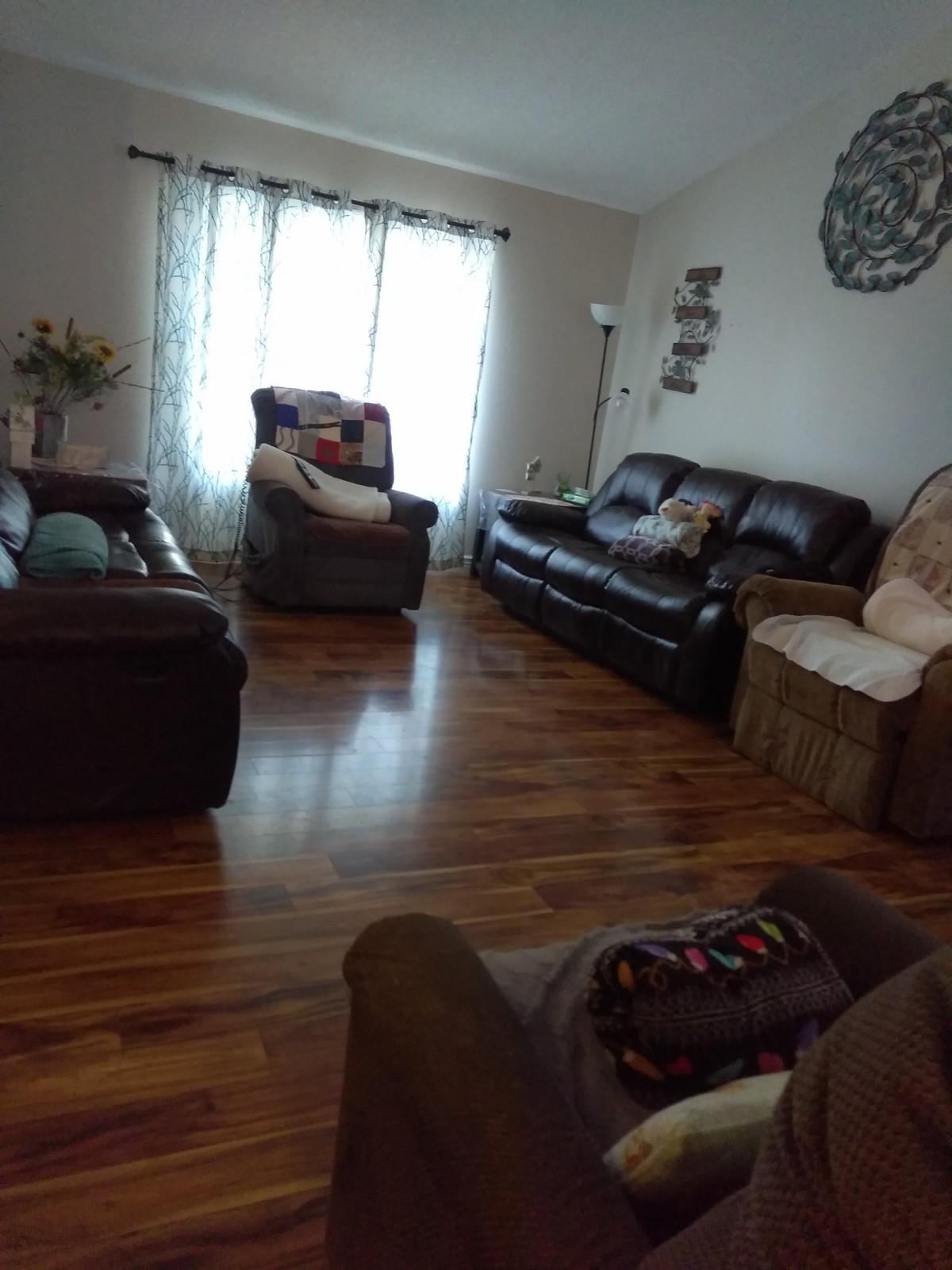
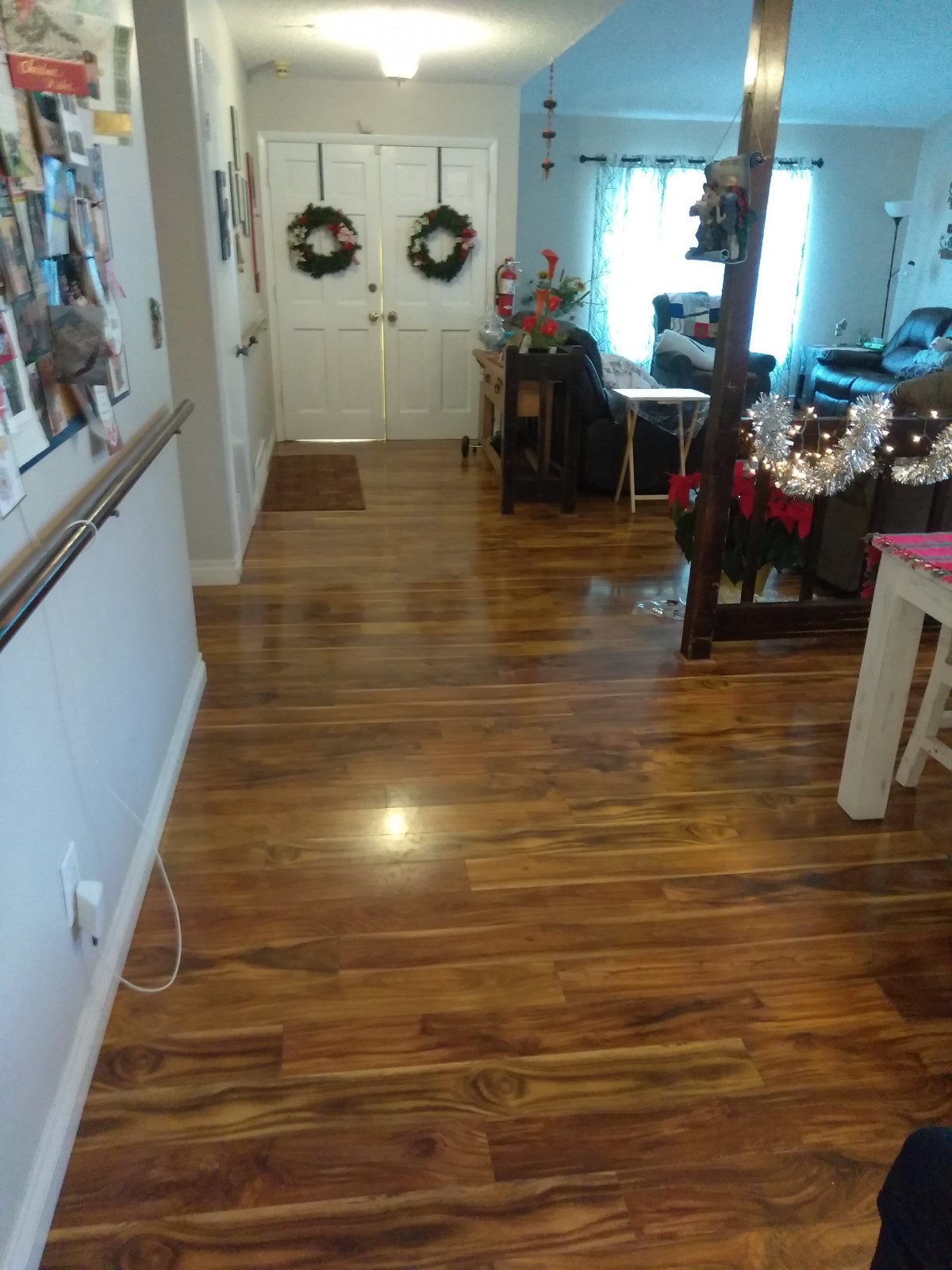
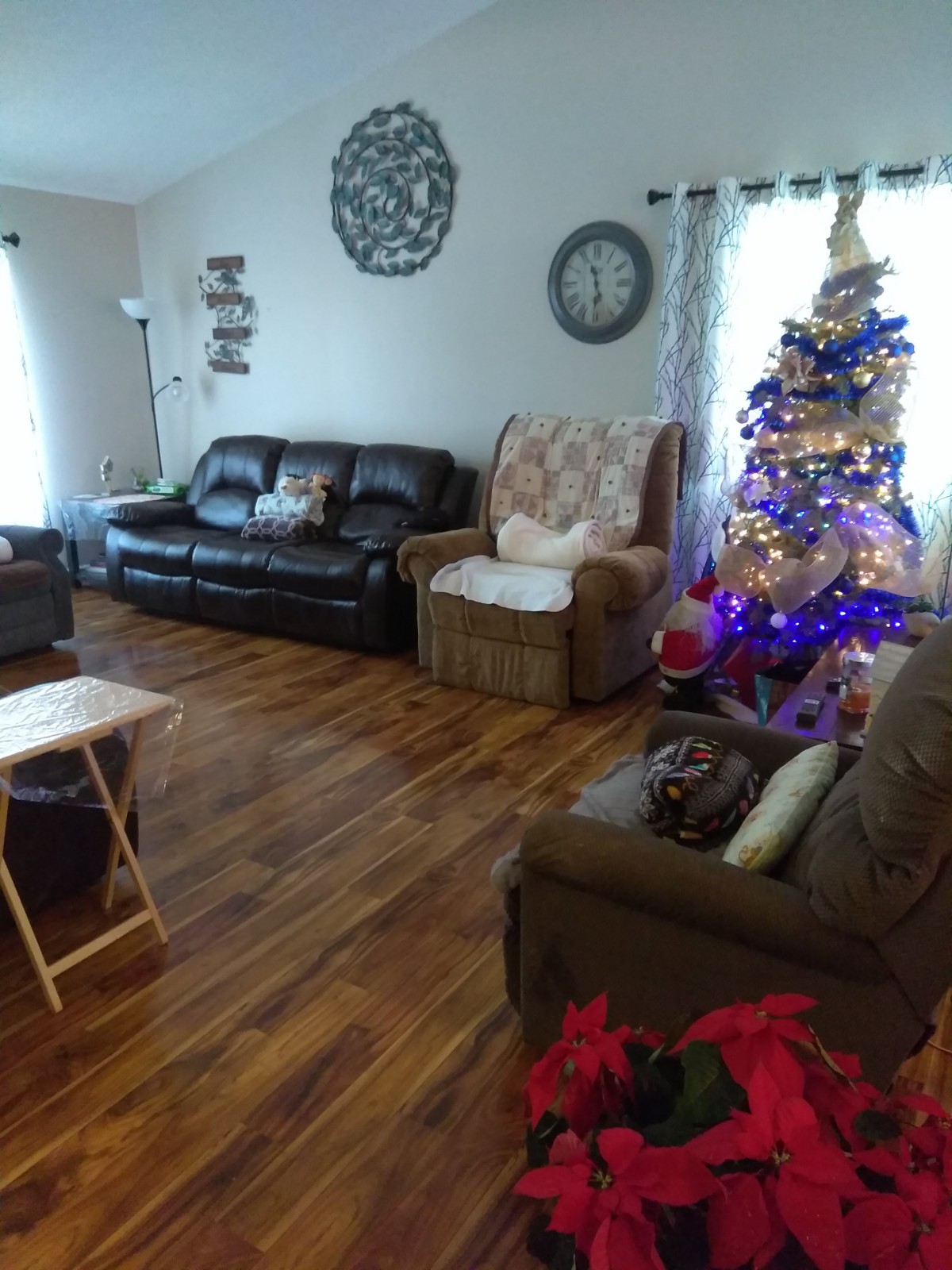
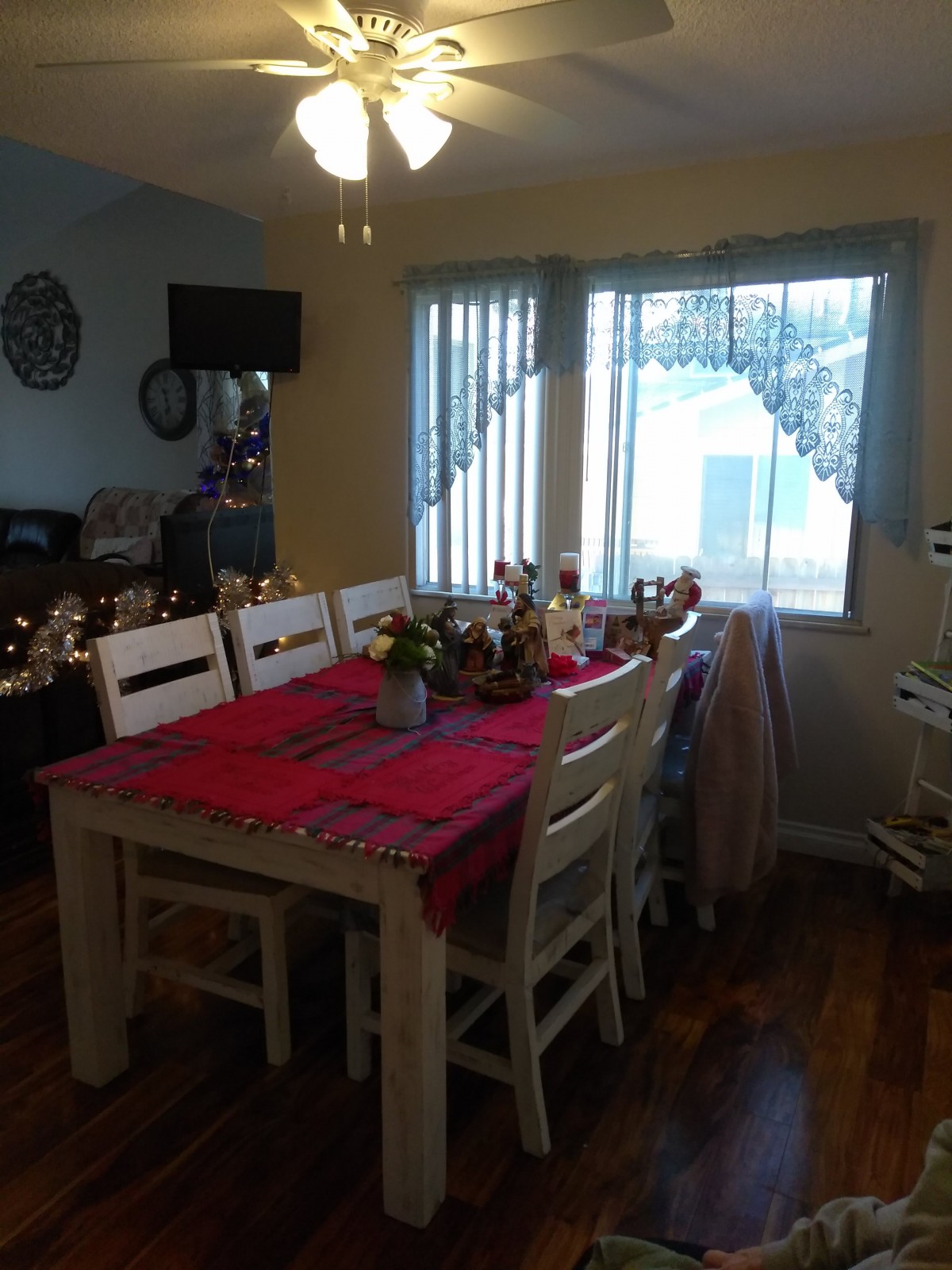
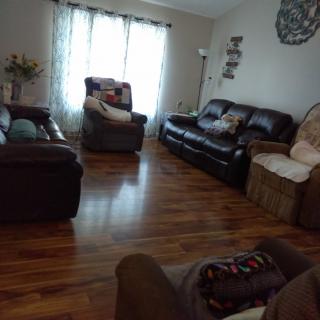
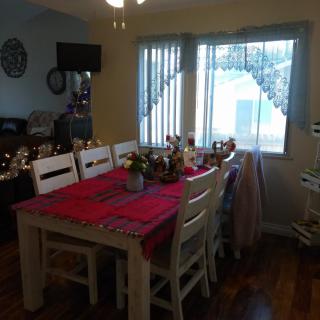
A Robin's Nest in Colorado Springs is best suited for families seeking a small, home-like environment where caregivers are personally attentive and meals feel like a reassuring, home-cooked dining experience. This community tends to appeal to residents who value warmth, familiarity, and a place that feels less institutional. Those requiring extensive daily programming, rigorous accountability for promised services, or crystal-clear, transparent financial terms should seriously consider alternatives that offer more structured activity calendars and documented care guarantees.
On the bright side, the strongest positives center on atmosphere and personal care. Families report a very loving, caring, and homey setting where staff engagement feels genuine and meals are a standout. For residents who thrive on personal connections and a familiar, intimate routine, this environment can be deeply comforting. The sense of being among people who know their preferences, especially around food and daily habits, can translate into meaningful, day-to-day quality of life when caregiving is consistently hands-on.
However, there are troubling red flags raised in multiple accounts. One review describes neglect of a loved one, with promises made that were never kept and a persistent lack of activities or social opportunities, leaving residents isolated. The emotional toll is palpable: families describe fear, distress, and persistent nightmares about what happened. These accusations, if reflective of reality, signal major safety and well-being concerns that can erode trust and safety more quickly than any positive feature can compensate.
Financial and logistical notes add another layer of caution. An observer mentions a busy, seemingly full family of caregivers with nursing or EMT backgrounds, while also noting upfront payment requirements and a $500 deposit. The combination of reported high staff involvement and upfront financial terms can be a double-edged sword: while it may indicate attentive staffing in some cases, it also raises questions about accessibility, transparency, and what residents or families must commit to before placement. The comment about occupancy being "full right now" suggests limited admission opportunities, which can complicate timely placement for those in need.
Ultimately, the positives do not sufficiently offset the most serious concerns. Warmth and good meals matter, but they cannot compensate for neglect risk, unfulfilled promises, and the evident gap in daily social engagement. For families with loved ones who require consistent activity, structured care plans, and reliable communication about what the facility will deliver, A Robin's Nest may fall short. The community may be a good fit only when a careful, proactive care plan is in place, the staff’s reliability is verified, and there is transparent agreement on services and finances.
Practical next steps for decision-makers are clear. Visit in person with a prepared list of questions about daily activity calendars, care planning, and how care needs are monitored and adjusted. Request written examples of care plans, monthly schedules, and incident/communication logs. Probe staff-to-resident ratios, supervision levels during evenings and weekends, and the cadence of family updates. Seek out current resident and family contacts to hear firsthand about day-to-day life and safety. Finally, compare against alternatives that offer documented activity programming, clearer contractual terms, and more explicit assurances about care promises. If a more active social environment, stronger oversight, and transparent financial terms are priorities, other communities will likely outperform A Robin's Nest.
 8 resident community capacity
 Assisted Living
 Board and Care Home
 Memory Care
 Respite Care
 Dogs allowed
 Activities on-site
 Cable or satellite TV
 Devotional services on-site
 Dining room
 Fully furnished
 Garden
 Housekeeping services
 Indoor common areas
 Move-in coordination
 Outdoor common areas
 Private
 Private bathrooms
 Telephone
 Wheelchair accessible showers
 Wi-Fi/high-speed internet available
 City of Colorado Springs Muni (6 miles away)
 24-hour supervision
 Ambulatory care
 Assistance with bathing
 Assistance with dressing
 Assistance with transfers
 Diabetes diet
 Diabetic care
 High acuity care
 Incontinence care
 Meal preparation and service
 Medication management
 Special dietary restrictions
 Transportation arrangement (medical)
 Transportation to doctors appointments

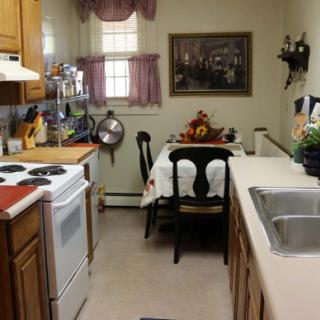




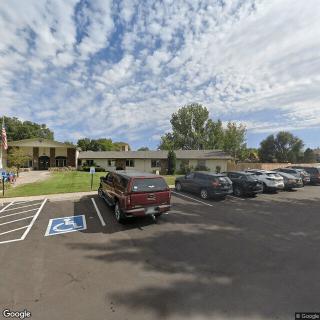
 Comprehensive Insights on the Late Stages of Dementia: What to Expect and How to Provide Care
 Medications Associated with Dementia Risk: A Comprehensive Overview
 Guiding Your Journey: Understanding Power of Attorney for Elderly Parents