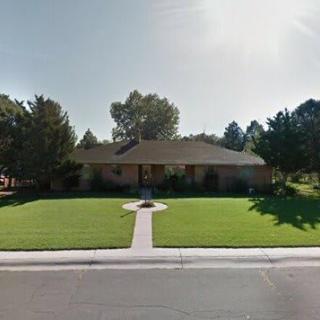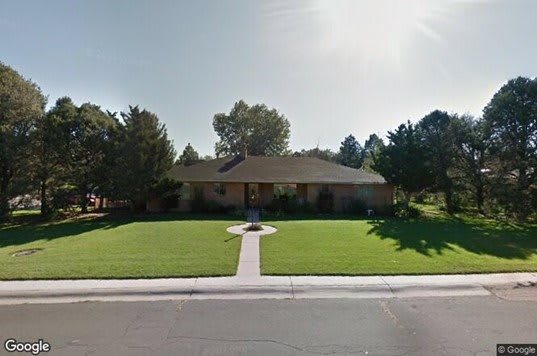
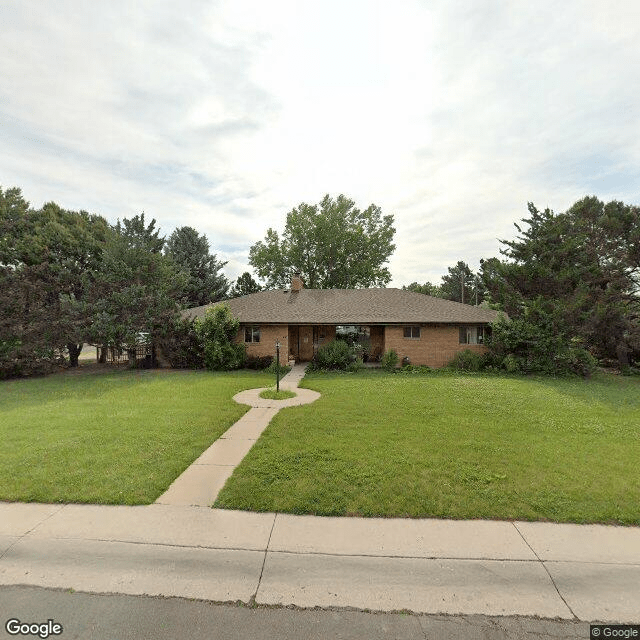
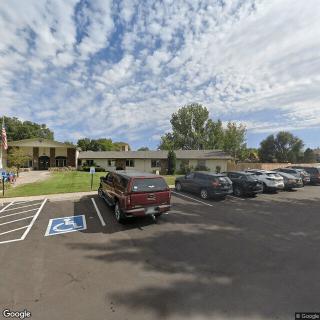
19 Loma Linda Drive, Colorado Springs, CO 80906
For more information about senior living options: (866) 208-4318
Life Quality Homes IV Loma Linda Home Costs & Pricing
Life Quality Homes IV in Loma Linda presents a competitive yet higher cost structure when compared to both Teller County and the broader state of Colorado. For semi-private accommodations, residents can expect to pay $5,800 per month, significantly exceeding the county's average of $4,481 and the state's average of $4,009. Private rooms are similarly priced at $6,500 each month, again surpassing county rates of $4,465 and state averages of $4,142. The facility's studio and one-bedroom options also align at the same price point of $6,500 per month, contrasting with Teller County's rates of $5,009 for studios and $5,276 for one-bedrooms. Overall, while Life Quality Homes IV offers premium living arrangements that may justify their costs through enhanced care or amenities, prospective residents should weigh these figures against local options that provide more economical choices without sacrificing quality care.
| Floor plans | Life Quality Homes IV Loma Linda Home | Teller County | Colorado |
|---|---|---|---|
| Semi-Private | $5,800 | $4,481 | $4,008 |
| Studio | $6,500 | $5,009 | $4,088 |
| 1 Bedroom | $6,500 | $5,276 | $4,118 |
| Private | $6,500 | $4,465 | $4,142 |
Memory care communities with a similar price nearby
-
from -$300 / mo
Freedom Home Assisted Living
$5,500 to $6,500 / month13.5 miles away -
from -$900 / mo
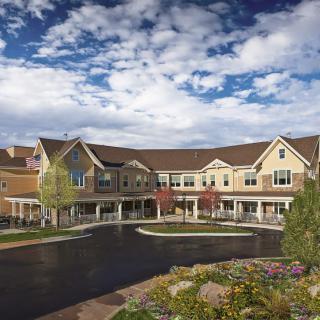
MorningStar Assisted Living & Memory Care at Mountain Shadows
$4,900 to $6,575 / month8.7 miles away -
from +$200 / mo
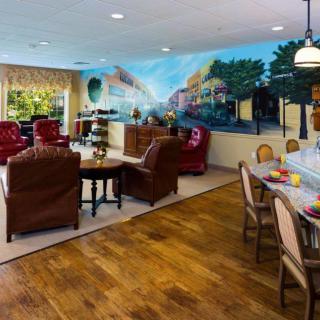
Springs Ranch Memory Care
$6,000 to $8,400 / month9.1 miles away -
from -$820 / mo
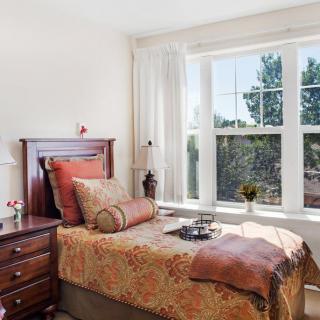
Sunrise at University Park
$4,980 to $6,390 / month8.8 miles away -
from +$585 / mo
New Dawn Memory Care - Colorado Springs
$6,385 / month13.0 miles away
Overall Review of Life Quality Homes IV Loma Linda Home
Pros
 The home is lovely, spacious, and feels like a true home, not a facility.
- Amanda and Jeff provided supportive guidance from the tour through final paperwork.
- The on-site staff are patient, kind, and genuinely caring.
- Constant Care is described as professional, warm, competent, and compassionate.
- The staff treat residents with personal attention and make them feel like family.
- The facility is clean, welcoming, and focused on dignified care.
- The owner is portrayed as genuine, caring, and responsive to concerns.
Cons
 The reviewer notes that there is no perfect memory care, describing the decision as impossible.
 - The reviewer recalls the prior facility as an absolute nightmare.
- The reviewer laments the lack of one-on-one care at the previous facility, worrying it could hasten decline.
- The reviewer recalls that the previous facility’s staff were mean and disregarding toward residents.
- The reviewer expresses fear and worry about placing a loved one in a larger, less personal facility where they might feel lost.
Review
Life Quality Homes IV Loma Linda is best suited for families seeking a small, home-like memory-care setting where residents are treated with a warm, personalized touch. It works especially well for dementia care when routine and intimate attention matter most, and for families who want to participate in decisions and visit often. The environment feels more like a private home than a campus, with spaces that encourage comfort and familiarity. End-of-life care and gentle transitions are handled with dignity, emphasis, and ongoing communication. For those who value a truly personal caregiving experience over bells and whistles, this community stands out in the Colorado Springs area.
Those weighing alternatives should consider what matters most in daily life for a loved one. If the priority is a larger campus with a richer slate of programs, more formal nursing oversight, or more predictable scheduling across a wide array of activities, other options may fit better. Families facing tighter budgets or seeking lower monthly costs may find some larger operators or different memory-care models more affordable. For residents requiring intensive medical management, frequent on-call nursing availability, or a highly structured clinical environment, a more medicalized setting could be a better fit.
The strongest positives here run through the caregiving relationships themselves. The home-like atmosphere is kept clean, welcoming, and calm, with staff who truly know residents and their histories. Families repeatedly report caregivers who are patient, compassionate, and genuinely connected to each resident, including consistent leadership from the owner and hands-on front-line staff. The care plan tends to be highly individualized, with open, proactive communication about concerns and changes, and a philosophy that treats residents as family members rather than numbers. This depth of attention often translates to meaningful gains in comfort, engagement, and even weight maintenance during challenging chapters.
As with any small operation, there are trade-offs to consider. The scale means fewer on-site amenities and a leaner program calendar than bigger campuses, which can feel limiting to families who want a wide array of activities and social opportunities. Cost sensitivity is real, and families should confirm what’s included in the rate and how long-term affordability is managed. Staffing relies on a core team and longer shifts, which, while designed to reduce turnover and avoid resident confusion, can raise concerns about fatigue or continuity during high-demand periods. For those who require rapid escalation of medical needs or round-the-clock clinical oversight, the arrangement may not provide the level of medical infrastructure found at larger facilities.
Yet these potential drawbacks are often balanced by the care model’s strengths. The intimate staffing circle minimizes turnover in residents’ faces, helping to preserve comfort and reduce anxiety tied to new caregivers. Families who want to influence daily routines and stay closely connected to care gain ready access to the team and leadership, creating a collaborative care environment. The owner’s visible involvement signals accountability and a genuine commitment to resident welfare, which can be a decisive factor for families navigating emotionally charged decisions. For many, the ability to integrate hospice services with a dignified, homelike setting is a meaningful advantage that aligns with the resident’s comfort and family wishes.
In sum, Life Quality Homes IV Loma Linda stands out for dementia care that prioritizes warmth, continuity, and individualized attention in a true home environment. It is not the pick for families chasing a glossy campus, a broad activity catalog, or the lowest possible price. For those who value intimate, relationship-driven care where residents are treated as family and families feel welcome as part of the care team, this community deserves serious consideration. Prospective movers should arrange a tour, verify current staffing patterns and care plans, and discuss cost structure and hospice compatibility to ensure alignment with the resident’s trajectory and the family’s expectations. The core question to answer is whether the homey, physician-backed emphasis on personal connection aligns with the loved one’s needs and the family’s comfort with cost and oversight.
 8 resident community capacity
 Assisted Living
 Board and Care Home
 Memory Care
 Respite Care
 Activities on-site
 Bath tubs
 Cable or satellite TV
 Dining room
 Fully furnished
 Garden
 Housekeeping services
 Indoor common areas
 Move-in coordination
 Outdoor common areas
 Private
 Private bathrooms
 Telephone
 Wi-Fi/high-speed internet available
 City of Colorado Springs Muni (7 miles away)
 24-hour supervision
 Ambulatory care
 Assistance with bathing
 Assistance with dressing
 Assistance with transfers
 Diabetes diet
 High acuity care
 Hospice waiver
 Incontinence care
 Meal preparation and service
 Medication management
 Mental wellness program
 Special dietary restrictions
 Transportation arrangement (medical)
 Transportation to doctors appointments
 Art classes
 BBQs or picnics
 Birthday parties
 Live musical performances
 Yoga / chair yoga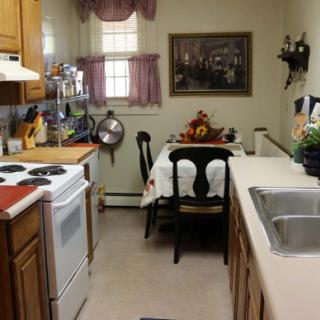

 Five Subtle Dementia Indicators to Observe: An In-Depth Guide to Understanding “Does My Mom Have Dementia?”
 Dementia, Paranoia, and Caregiver Guidance: Understanding the Connection
 Engaging Memory Care Activities That Enhance Quality of Life