
8320 Sutterfield Drive, Colorado Springs, CO 80920
For more information about senior living options: (866) 208-4318
Overall Review of Constant Care Of Colorado Springs II
Pros
 Amanda and Jeff provided attentive, supportive guidance through every step.
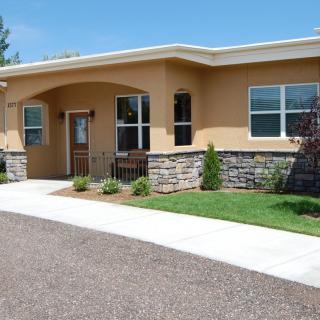
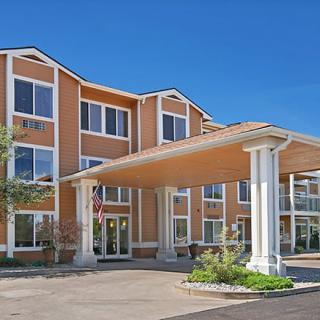
- The home feels like a house—lovely, spacious, and welcoming.
- On-site staff (Mistie, Craig, Daizy, Karina, and others) are patient, kind, and genuinely caring.
- Constant Care delivers professional, warm, competent, and compassionate care.
- The care is personalized; residents are treated like family, not numbers.
- Families have peace of mind knowing their loved ones are well cared for.
- The North home staff show affection for residents and address needs with care.
- The facility is described as a perfect fit or best option for a dementia care journey.
Cons
 The reviewer notes that there is no perfect memory care, describing the decision as an impossible one.
- The reviewer says Constant Care II would not work for her husband, citing that there were only women there and it did not meet his needs.
- The reviewer explains that the memory care search and decision are scary and costly, requiring substantial trust from families.
Review
Constant Care Of Colorado Springs II is best suited for families seeking a small, memory-care focused home where residents live in a warm, house-like setting and receive intensely personalized attention. This community shines for dementia care because close, consistent relationships with caregivers matter more than campus size. The reviews consistently highlight an intimate scale, a home-like ambiance, and hands-on involvement from staff and leadership, making it well aligned with families who prioritize continuity of care, meaningful daily interactions, and a dignified pace for a loved one in the later stages of memory loss.
Alternatives are worth considering for residents who need a larger, more clinical environment, a broader activity program, or more privacy from day one. A visit noting a predominantly female resident population and shared rooms signals that this site may not be ideal for every situation, particularly for men or for couples who require private accommodations. Families seeking a regimented daily calendar, extensive on-site medical oversight, or a wider array of services might find a bigger campus or a traditional memory-care continuum better fits their expectations and logistics.
The strongest positives, staff warmth, patience, and genuine connections, more than offset the downsides for many families. Caregivers are described as patient, reassuring, and deeply committed to residents, with leadership that is accessible and responsive to concerns. Cleanliness, a welcoming atmosphere, and a calm environment further reinforce a sense of safety and belonging. In short, the care approach is highly personalized, and staff consistently strive to treat residents with dignity, which can be the decisive factor when navigating the emotional terrain of memory loss.
Family testimonials underscore the practical benefits of this setting: a high degree of interaction with residents, reliable communication, and caregivers who approach daily routines with empathy. On-site team members, Amanda, Jeff, Mistie, Craig, Daizy, Karina, and others, are repeatedly cited for making connections, addressing needs, and guiding families through transitions with professionalism. This level of involvement translates into reassurance for families during tough months, and it helps preserve a sense of normalcy and comfort for residents who thrive on routine and familiar faces.
When evaluating, prospective residents should verify several practical details. Confirm current gender balance and the availability of private rooms, and ask about plans for private accommodations if privacy is important. Review the daily schedule to understand how activities and cognitive-stimulation opportunities are structured for memory-impaired residents. Clarify payment options, including private-pay arrangements and any applicable aid or assistance programs, and request a realistic sense of room configuration and roommate compatibility. Above all, meet multiple caregivers and observe a typical day to assess whether the atmosphere aligns with expectations and the resident’s temperament.
In sum, Constant Care Of Colorado Springs II stands out as a high-touch, intimate memory-care option where human factors, staff relationships, transparent family communication, and a home-like ambience, can make a difficult transition more bearable and dignified. For families prioritizing warmth, personalization, and a supportive, non-institutional environment, this community deserves serious consideration. Those needing a larger campus, more privacy from the outset, or a broader, more clinical program may find more suitable options elsewhere. The decision hinges on whether the resident’s comfort level with a small, hands-on setting aligns with the family’s desire for highly personalized care and steady, compassionate support.
 8 resident community capacity
 Assisted Living
 Board and Care Home
 Respite Care
 Cable or satellite TV
 Dining room
 Fully furnished
 Garden
 Housekeeping services
 Move-in coordination
 Outdoor space
 Telephone
 Wi-Fi/high-speed internet available
 City of Colorado Springs Muni (11 miles away)
 24-hour supervision
 Activities of daily living assistance
 Assistance with bathing
 Assistance with dressing
 Assistance with transfers
 Diabetes diet
 Meal preparation and service
 Medication management
 Special dietary restrictions
 Transportation arrangement (medical)
 Transportation to doctors appointments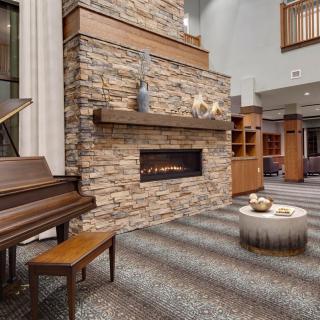



 Assisted Living Expenses and Long-Term Care Insurance: A Comprehensive Exploration
 Securing Financial Support for Assisted Living: A Comprehensive Overview
 Social Security Benefits and Assisted Living: Navigating Options Across the U.S.