
428 Western Avenue, Brush, CO 80723
For more information about senior living options: (866) 208-4318
Overall Review of The Aladdin At Brush
Pros
 The facility is clean, the food is great, and the staff create a safe, homey atmosphere.
- The agency loves the assisted living and would highly recommend either resident placement or staff assistance there.
- Management is very nice.
- The small, homey feel is unique, with owner, caregiver, and cook all close and well-coordinated.
- The support during grieving is unique and close-knit.
- The new administrator is fantastic and cares deeply for the residents.
- Aladdin at Brush truly is home for the residents.
Cons
 They would not recommend putting anyone they care about here.
- Peggy basically starved to death and became totally dehydrated due to malnutrition.
- The staff did not provide food or water and apparently did not notice she wasn't eating or drinking.
- The caretakers allegedly insisted she was faking and failed to seek medical help, contributing to her death.
- Within two weeks, they had allegedly killed two people entrusted to their care.
- One reviewer described the place as miserable.
- A reviewer noted that the nearby larger facility felt more corporate and less like home.
Review
The Aladdin at Brush is best suited for seniors who want a small, homey setting where staff know residents well and daily routines feel predictable and personal. It is a fit for those who prize cleanliness, good home-style cooking, and a warm, intimate atmosphere over a larger, more impersonal campus. Families seeking a tightly knit community with consistent, hands-on attention from a stable caregiving team will likely find this residence appealing, especially if the resident values social connection and a sense of belonging over a fortress of clinical services.
At the same time, prospective residents should consider alternatives if robust medical oversight and a transparent, formal escalation process are nonnegotiable. The most serious red flags arise in at least one strongly negative review alleging malnutrition and dehydration, delayed medical responses, and alleged missteps with basic monitoring. Those concerns underscore the importance of verifying current staffing levels, nutrition protocols, care coordination, and how quickly concerns are escalated to family and medical professionals. Families dealing with complex medical needs, memory care, or the expectation of rigorous, 24/7 clinical support may want to compare options with larger facilities that publish staffing ratios, incident tracking, and more explicit physician engagement.
On the positive side, the community earns points for a consistently clean environment, solid meal quality, and a truly home-like vibe that threads through the staff, kitchen, and care teams. Residents and families frequently praise a small, close-knit culture where care feels personalized, and where the new administrator is described as genuinely invested in resident welfare. The ability to support families during difficult moments, like grieving, is another notable asset, suggesting a culture that sees caregiving as a relationship, not just a checklist. The small size also enables attentive oversight, when functioning well, this can translate into rapid responsiveness to day-to-day needs.
Yet the negative review cannot be treated as optional context. The allegations of neglect are not trivial, and they point to potential systemic vulnerabilities in nutrition, hydration, and care escalation. Even if those claims represent a worst-case scenario or an outlier, they demand due diligence: a thorough, independent verification of current food service practices, hydration monitoring, weight tracking, and the mechanism for promptly engaging medical professionals when a resident shows changes in condition. It is reasonable to ask for recent care plans, caregiver-to-resident ratios during day and night shifts, and direct contact with a supervising clinician to review risk management and QA processes.
The case for The Aladdin at Brush rests on alignment between family priorities and how the facility operates in practice. If warmth, personal attention, and a strong sense of home trump formal systems, and if careful, proactive oversight is feasible, this community can offer a rewarding environment. The counterweight is clear: a history including very negative feedback creates a nontrivial risk signal that should not be dismissed. Pros offset cons when leadership remains committed, staff stay engaged, and families actively participate in care planning and oversight. Pros do not automatically erase the risk presented by the most serious accusations, so verification is essential before making a move.
For families deciding this quickly, the action steps are straightforward. Schedule a comprehensive tour with the administrator, request to meet direct caregivers by shift, and review current menus, feeding assistance procedures, hydration protocols, and daily care plans. Ask for recent incident and inspection records, resident-to-staff ratios, and a transparent process for family communication and emergency escalation. If the answers feel credible and consistent, and if the resident thrives on a small, home-centered routine, The Aladdin at Brush becomes a compelling choice. If not, keep looking toward options with larger clinical oversight, stronger documented safety nets, and clearer accountability to families and regulators.
 15 resident community capacity
 Assisted Living
 Board and Care Home
 Cable or satellite TV
 Dining room
 Fully furnished
 Garden
 Housekeeping services
 Move-in coordination
 Outdoor space
 Telephone
 Wi-Fi/high-speed internet available
 24-hour supervision
 Activities of daily living assistance
 Assistance with bathing
 Assistance with dressing
 Assistance with transfers
 Diabetes diet
 Meal preparation and service
 Medication management
 Special dietary restrictions
 Transportation arrangement (medical)
 Transportation to doctors appointments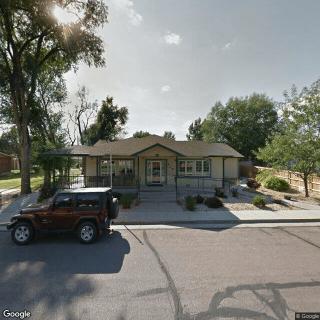





 Social Security Benefits and Assisted Living: Navigating Options Across the U.S.
 An Extensive Exploration of the VA Aid and Attendance Benefit
 Senior Transition Services: Understanding Their Role, Cost, and Importance